










 Motortopia Staff
.
July 17, 2025
.
News
Motortopia Staff
.
July 17, 2025
.
News

A car isn’t just metal, glass, and gears. It’s memories, movement, and money. But when the engine coughs or the brakes screech, those dreams begin to fade. The question many drivers ask themselves is pressing and timeless:
How to extend car life — for real, not just in theory?
What seems like a simple task—just driving carefully—actually involves dozens of small, interconnected habits. And those habits? They determine whether your car survives 5 years or thrives for 15.
There’s a powerful trick savvy drivers use to avoid expensive repairs: buying from trusted sources with history, records, and full transparency. One of those sources is public auto auction in Florida, a platform where dependable vehicles with known backgrounds go to find new homes. A reliable vehicle from the start makes it far easier to preserve its service life.
So how exactly do you give your car a longer, healthier journey?
Ignore regular maintenance, and the car turns on you. Overlook a scheduled oil change, and dirty oil clogs your engine. The pistons wear down. You lose compression. Suddenly, that “cheap skip” becomes a $4,000 repair.
Check your owner’s manual. That booklet isn’t bedtime reading—it’s your mechanical survival guide. It holds the exact service schedule, warning signs, and service intervals. Follow it, and the car repays you in kind.
Change it or regret it.
Fresh oil lubricates moving parts, reduces wear and tear, and cools the engine under stress. But dirty oil? That sludge grinds internal parts to death. You need:
Letting it slip once is already a risk.
Neglect your tires, and you gamble with your life. Literally.
Check tire pressure twice a month. Why? Because low pressure increases wear, reduces control, and burns more gas, slashing fuel economy.
Don’t forget:
Your tires connect you to the road. Keep them sharp.
Screeching. Grinding. Pulsating pedals.
Those are the red flags that your brakes scream before giving up. Replace brake pads early. Monitor brake fluid levels. Use your ears and feel your steering wheel—when something’s off, act fast.
When brakes fail, they don’t whisper. They wreck.
Engines breathe, just like people. A clogged air filter suffocates performance and burns more fuel.
Change it at least once a year. More if you live in a dusty climate or drive a lot of backroads.
Faulty spark plugs cause misfires, wasted fuel, and weak acceleration.
Swap them every 30,000 miles—or whatever your owner’s manual recommends. It’s a quick, affordable upgrade that improves power and fuel economy immediately.
Aggressive driving doesn’t just anger other motorists. It slashes your car’s longevity.
Rapid acceleration. Hard braking. High RPMs. Each action puts stress on the engine, brakes, transmission fluid, and suspension.
Cool driving = cooler parts = longer service life.
Three warning lights blink on your dash.
Do you shrug them off or investigate?
Ignoring the lights often results in expensive repairs. Scan the codes early, whether through an auto parts store reader or a trusted repair shop.
A check engine light is not a suggestion. It’s a plea.
Stained seats and worn-out floor mats might seem minor. But they devalue your car fast. They also make you treat it worse subconsciously.
Vacuum monthly. Use sunshades. Clean the air conditioning vents. A clean car is a cared-for car.
Dirt holds moisture. Moisture breeds rust. Rust kills vehicles from the inside out.
Add bird droppings or road salt to the mix, and paint corrosion begins.
Solution? A regular auto wash routine and some touch up paint can protect your car’s exterior and keep resale value high.
People obsess over oil, yet forget about transmission fluid. It cools gears, prevents added friction, and avoids slippage.
Flush it at 60,000–100,000 miles. Skipping this can sabotage your transmission—a repair worth thousands.
A $120 minor service might feel unnecessary.
But skipping it turns little problems into engine replacements. Keep up with regular servicing, and your car keeps purring.
Choose your repair shop like you choose a doctor. Avoid budget joints unless you’re ready to sacrifice quality.
Certified techs, digital records, and OEM parts? That’s how you extend the life of your vehicle.
Driving 100 mph on the highway feels powerful. But at those high speeds, the engine, tires, and brakes scream silently.
The faster you go, the shorter the car’s service life. Simple physics.
Parking on a slope strains the parking pawl and adds pressure to the transmission. Choose level ground whenever possible. It’s a subtle habit that adds months—even years—to your vehicle’s lifespan.
Don’t treat oil as the only fluid that matters. The car relies on multiple systems:
All these other fluids work together to keep your car running smoothly. Ignore one, and the whole system can collapse.
Driving across the state? Or planning a mountain trip?
Long-distance drives demand preparation. Top off fluid levels, inspect brakes, test the battery, and check tire pressure.
Forget, and you’re begging for breakdowns halfway through the long haul.
Some drivers believe modern cars are self-sufficient.
But automation doesn’t mean immortality. Sensors fail. Algorithms misread. You still need:
Never assume your new vehicle will self-correct forever.
Another note on aggressive driving—because it’s one of the fastest ways to ruin your car.
It doesn’t just increase wear and tear. It rattles bolts loose, overheats parts, and causes additional wear on shocks, mounts, and seals.
Drive smart. Drive aware. Every jab of the pedal echoes inside your car’s bones.
Think it’s harmless? That white splatter eats through clear coat and then through paint. Always remove bird droppings within 24 hours to avoid permanent damage.
Your vehicle’s skin needs love too.
Use OEM (original equipment manufacturer) parts from verified dealers—not discount knockoffs.
Visit known parts stores or online platforms with certified guarantees. Buying cheap parts might save money now, but it leads to expensive repairs later.
Visibility is safety.
Old wiper blades smear instead of clearing. That puts your windshield—and your life—at risk. Replace them twice a year. They’re cheap but critical.
Tire rotation keeps wear even, extends tire life, and improves traction. Uneven wear shortens performance and makes blowouts more likely.
It takes 20 minutes and saves hundreds over time.
Service isn’t just oil and brakes. It’s diagnostics, firmware updates, hose replacements, and system calibration.
Stick to minor service windows, follow service intervals, and ask questions at every visit. A lazy mechanic equals a dying car.
Want to truly extend the life of your vehicle?
All of this matters—sometimes more than what’s under the hood.
That glowing red icon on your dash? It isn’t optional. It could signal:
Stop. Investigate. Resolve. Red lights mean real danger.
Want top dollar when selling?
Keep records. Store all service receipts. Use touch up paint. Install floor liners. Clean the car weekly. Fix issues fast.
Everything you do now builds resale value later.
A car clean inside promotes pride, and pride leads to better maintenance. Vacuum, wash, organize. The interior condition reflects the owner’s care. Prospective buyers notice it instantly.
If you’re late, don’t punish the car. Slamming the gas won’t warp time—but it will warp your transmission. Let your car warm up, move at a steady pace, and cool down properly.
Want to extend the life? Let the car run, not suffer.
Every oil drip. Every delayed service. Every screeching brake—they all leave fingerprints on the future of your car.
Modern vehicles are more advanced, but they aren’t magic. They demand care, attention, and discipline.
Protecting a vehicle means committing to consistency.
Sometimes, the difference between a scrapped car and a perfectly functioning one is a few hours of prevention each month.
Let your car live a bit longer, and it will repay you with thousands in avoided costly repairs, fewer breakdowns, and better trade-in deals.
No. Cooking oil lacks proper viscosity, thermal resistance, and additives. It clogs and destroys engines. Always use manufacturer-recommended motor oil.
Yes. Constant pressure—even slight—overheats brakes and causes faster pad wear. Keep your foot off unless stopping.
Monthly. Look for oil drips, loose panels, and fluid stains. Early detection prevents bigger failures.
Not usually. In warm climates, start and drive gently. But allow 30 seconds of idle in winter to let oil circulate.
Surprisingly, yes. Worn mats reflect poor care. Fresh ones add perceived value and help with presentation when selling.
Events
Pack the Cooler, Air Up the Bags, and Point Your Hood Toward Biloxi! Scrapin’ The Coast 2025 rolled into the Mississippi Gulf Coast Coliseum in… Continue reading
DAMIEN DAVIS . November 17, 2025
News
A car does not need a six figure price tag to feel premium. In many cases, the difference between an average daily driver and a… Continue reading
Motortopia Staff . June 01, 2026

News
Car tracking without the owner’s knowledge is technically possible using various modern technologies. The following paragraphs explain how it is done, the legal risks, and… Continue reading
Motortopia Staff . April 10, 2026
News
Is your first car supposed to be low mileage, or does it really not matter? You’re not alone in wondering this. Buying your first car… Continue reading
Motortopia Staff . July 17, 2025
New Products
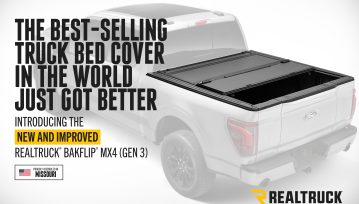
RealTruck just raised the bar again. Their best-selling truck bed cover, the BAKFlip MX4, has officially leveled up with the launch of the Gen 3… Continue reading
Chris Hamilton . August 01, 2025

Industry Updates
The used truck market has moved far beyond guesswork. Fleet operators look for reliable, inspected vehicles that can perform for years, without the high costs… Continue reading
Motortopia Staff . November 28, 2025



Super Run 2026 Classic Car Show
Super Run 2026 Classic Car Show Casablanca Resort 950 West Mesquite Blvd Mesquite, NV 89027
Concours D'Elegance
Cobble Beach Resort 221 McLeese Dr, Kemble, ON N0H 1S0
Charity Car Show
Mesa Marketplace 10550 E. Baseline Rd, Mesa , Az 85209
CHICO CONCOURS Car Show
Silver Dollar Fairgrounds 2357 Fair Street, Chico, CA 95928
Goodguys 33rd Summit Racing Lone Star Nationals
Texas Motor Speedway 3545 Lone Star Circle
We use cookies to enhance your browsing experience, serve personalized ads or content, and analyze our traffic. By clicking "Accept All", you consent to our use of cookies. Visit our Cookie Policy for more info.


 Please wait...
Share Link