










 Motortopia Staff
.
July 18, 2025
.
Press Release
Motortopia Staff
.
July 18, 2025
.
Press Release
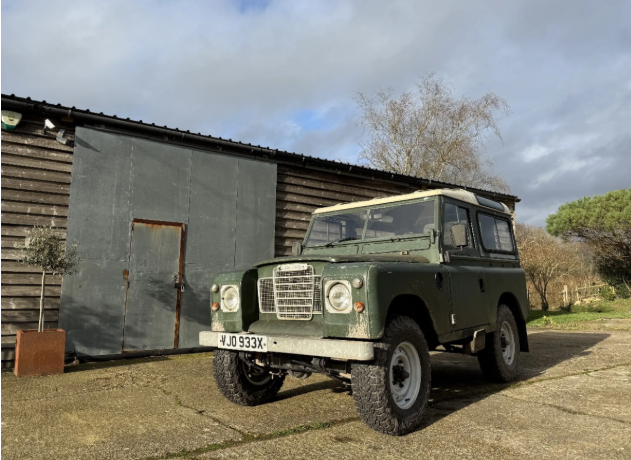
Way back when, you didn’t choose your Subaru or Land Rover on a fluke. It’s a carefully chosen extension of you—it’s your daily partner, weekend escape, and a part of your personality at this point. But now, you’re considering an electric swap. Great idea—but here’s the catch: your drivetrain has opinions. Strong ones.
And drivetrain opinions are mechanical ultimatums. They’re why you can’t just drop any random electric motor into a classic Subaru or Land Rover and expect it to behave. So let’s get straight to brass tacks: what exactly are these drivetrain limits, and what can you realistically do about them?
Subarus are the EV conversion world’s complicated love affair. That AWD system you adore—the one that’s gotten you through snowstorms, muddy trails, and assorted other embarrassing situations you may or may not have gotten yourself into—is exactly what makes electrification tricky. Subaru’s symmetrical all-wheel drive is a tightly engineered mechanical ballet.
And that ballet doesn’t like electric motors, at least not easily. The horizontally opposed Boxer engine and integrated transmissions (especially CVTs) weren’t built for electric torque curves. Drop an electric motor straight into this setup without planning, and you’re likely facing blown diffs, shredded CV joints, and drivetrain failure that’ll give your mechanic a forced headshake and chuckle.
Sure, some brave souls have done AWD electric Subarus successfully—but they’ve spent more hours in custom fabrication than they might care to admit. Want something simpler? Ditch the AWD and go front-wheel drive. Yes, it might feel sacrilegious—but you’ll save yourself from a project that spirals from weekend fun to mechanical warfare. And if AWD is a non-negotiable, buckle up. You’ll need custom adapters, reinforced gearboxes, and the patience of a saint.
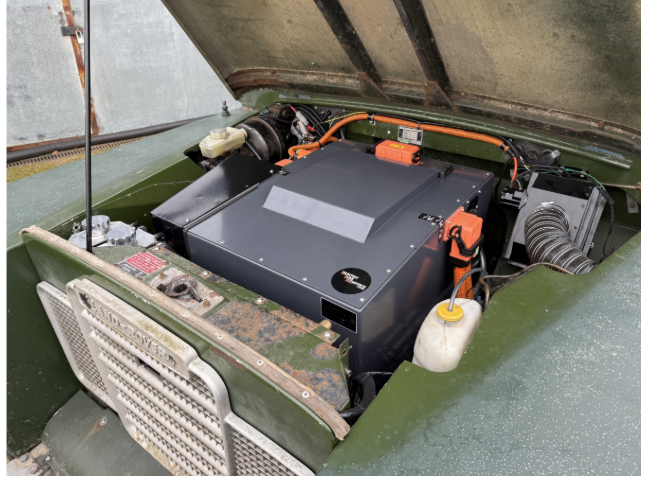
Land Rovers, especially classic models like Defenders or older Discoveries, are built differently—literally. That separate chassis, robust manual gearbox, and chunky transfer case play a lot nicer with electric motors. Converting one feels less like performing open-heart surgery and more like a really ambitious Lego set.
But—and it’s an important “but”—not all Land Rovers play this nicely. The newer your Land Rover, the more electronics it has lurking beneath the surface. Traction control, automatic transmissions, terrain-response systems—these can get in your way fast. Classic Defenders? Those are practically begging for an electric swap. Late-model Discoveries or Range Rovers? Expect headaches, coding nightmares, and late-night forum binges.
If simplicity and sanity are priorities, kits from specialists like Electric Car Converts (ECC) have your back. They build conversion systems specifically designed around classic Land Rovers.
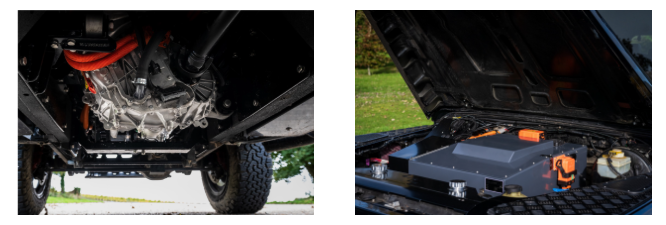
Drivetrains are sensitive. Combustion engines deliver power gradually; electric motors slam torque down instantly. It’s like replacing a gentle handshake with a sledgehammer—unusual and rough on your components. Transmissions, differentials, axles—they all feel it. They all complain. And if you don’t listen, they’ll break.
In Subarus, the issue is complexity. Those intricately engineered AWD systems don’t appreciate brute electric torque. Land Rovers handle it better, but even their sturdy gearboxes and transfer cases have their limits—especially if you’re aiming for performance upgrades or higher-voltage builds.
With all that being said, converting your Ru or Rover is possible. The trick to successful EV conversions isn’t trying to outsmart your drivetrain—it’s working with it. Subaru owners: simplify your life. Consider proven solutions like Netgain Hyper9 Motor and front-wheel drive setups. Less flashy, sure—but reliable. Kits from reputable suppliers (found here) take away some guesswork and keep your weekends free for actual driving.
Land Rover fans: leverage what makes your vehicle great. Keep that original gearbox and transfer case, and use purpose-built adapters from ECC to make the electric swap seamless. Their kits are battle-tested, designed specifically around classic chassis and drivetrain configurations, meaning fewer bad surprises and less swearing at your engine bay.

Press Release
Wilwood has engineered new Aero6-DM direct-mount bolt-on brake kits for 2021-present Bronco SUVs and 2019-present Ford Ranger trucks and fit with most 17” and larger… Continue reading
Motortopia Staff . July 10, 2024
Press Release
We’re excited to announce that we will be at the 2025 Off Road Expo! Stop by our booth to: Check out our products on display… Continue reading
Motortopia Staff . September 30, 2025

Press Release
Photos of the first 10 semifinalists can be found HERE 14 global stops remain before the Global Semi-Final and Grand Finale where the winning vehicle will… Continue reading
Motortopia Staff . December 13, 2024
Press Release
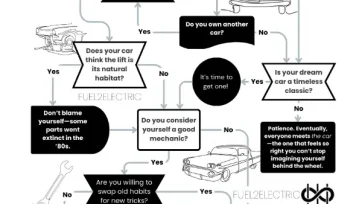
This Thanksgiving, we’re sending a big, heartfelt thank you to our entire Fuel2Electric family — our partners, builders, DIYers, dreamers, and all-around car lovers who make this… Continue reading
Motortopia Staff . November 28, 2025
Press Release
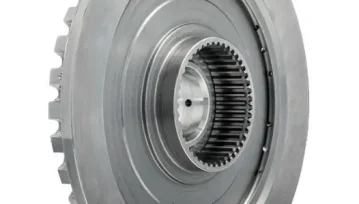
ZeroFlex Billet E Clutch Hub – 10L1000 Price: $2,195.00 RevMax announces the ZeroFlex Billet E Clutch Hub for the Allison 10L1000, a patent-pending upgrade engineered to… Continue reading
Motortopia Staff . May 01, 2026

Press Release
Fitment 03-07 5.9L Dodge Ram Cummins ISB In recent testing, this high-flow exhaust manifold outflowed the factory exhaust manifold by up to 25%, improving overall… Continue reading
Motortopia Staff . May 09, 2025


Super Run 2026 Classic Car Show
Super Run 2026 Classic Car Show Casablanca Resort 950 West Mesquite Blvd Mesquite, NV 89027
Concours D'Elegance
Cobble Beach Resort 221 McLeese Dr, Kemble, ON N0H 1S0
Charity Car Show
Mesa Marketplace 10550 E. Baseline Rd, Mesa , Az 85209
CHICO CONCOURS Car Show
Silver Dollar Fairgrounds 2357 Fair Street, Chico, CA 95928
Goodguys 33rd Summit Racing Lone Star Nationals
Texas Motor Speedway 3545 Lone Star Circle
We use cookies to enhance your browsing experience, serve personalized ads or content, and analyze our traffic. By clicking "Accept All", you consent to our use of cookies. Visit our Cookie Policy for more info.


 Please wait...
Share Link