










 Motortopia Staff
.
November 17, 2025
.
Press Release
Motortopia Staff
.
November 17, 2025
.
Press Release
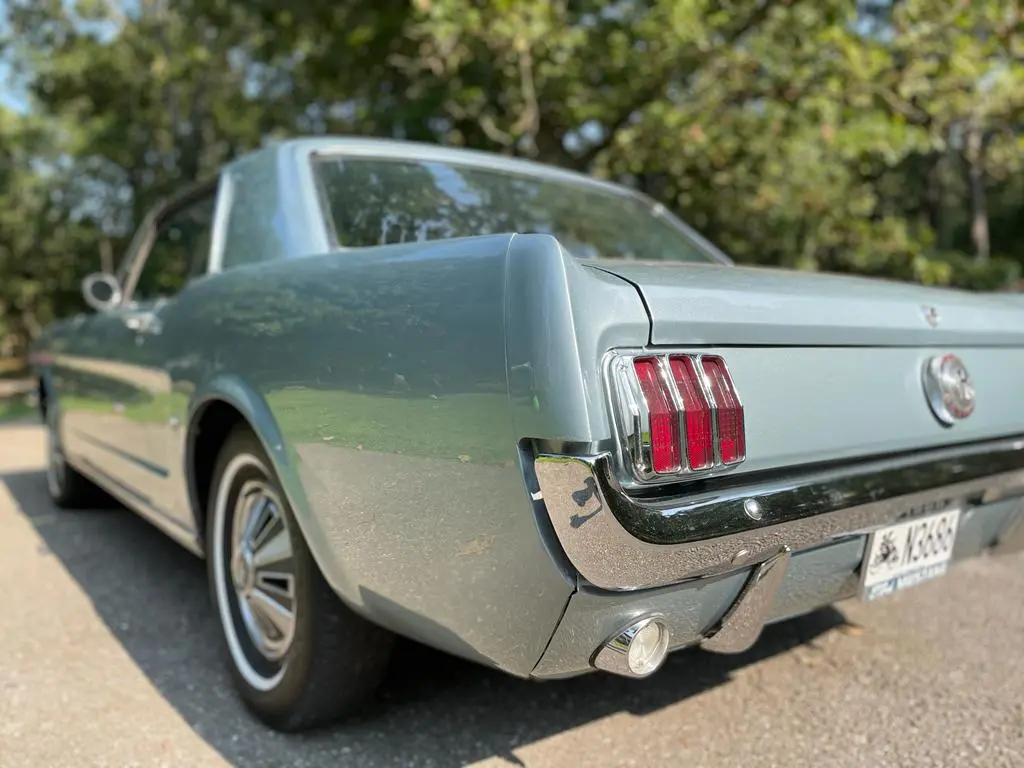
EVs represent the pinnacle of modern automotive innovation — the perfect blend of performance, efficiency, and sustainability. The real question is: how will you join the electric revolution? Will you buy a factory-built EV, or breathe new life into your classic by converting it from gas to electric power? And if you choose the conversion route, will you roll up your sleeves and tackle a gritty DIY build, or trust the pros for a flawless, turn-key transformation?
DIY vs. Professional EV Conversion Guide
🟢 Pros:
Taking the DIY EV conversion path feels like stepping into a world of possibilities, one where you’re responsible for solving all the mysteries under the hood. The biggest allure of the DIY route is the potential for cost savings. This allows you to cut out the middle man, completely removing labor costs, and giving you complete control over the project from top to bottom. This means you’ll have to source and procure parts, and call the shots from motor to minutiae.
Beyond the savings, there’s the thrill of doing it yourself. Undertaking a DIY conversion is a fantastic way to develop or hone your skills in automotive mechanics and engineering. You’ll become fluent in the language of gears, motors, and wires, and when you push to start for the first time, the satisfaction will be unmatched.
🟠 Cons:
This path is a grind. Doing it yourself means doing it yourself. Every single thing. It demands tons of time, a commodity that’s always in short supply. You’ll need to devote months, maybe even years, to see it through. And if you’re not already fluent in the dialect of automotive mechanics and high-voltage electrical systems (which we highly recommend you are before you start this project), prepare yourself for a steep learning curve that could humble the most confident among us.
Then there’s the risk factor. Mistakes are probable, not just possible. And they can be costly, both to your wallet and your safety. As a DIYer, you’re flying blind, with limited access to expert advice, making troubleshooting a labyrinthine endeavor.
🟢 Pros:
On the flip side, we have the obvious. Hiring a professional conversion mechanic is like commissioning a master artist to paint your portrait; these guys bring a level of skill and pixie dust that’s hard to match. They understand the subtleties of EV systems and traditional chassis’ and will ensure that your conversion is exceptional. With professionals, you get guaranteed work, warranties, and the peace of mind that comes with knowing the job is done right. If you’re working with a timeless classic, it can be hard to trust yourself with such high stakes.
Time is another advantage. Professionals operate with the efficiency of being on the clock. While it will still take plenty of time, it won’t be your time. And it will take less time regardless. This means the part of you that fiends for instant gratification will be more satisfied, and your pretty hands will be spared the grueling labor of taking apart your car and putting it back together better.
🟠 Cons:
But peace of mind comes at a price. Professional conversions are a significant investment (ask us about your project), often accompanied by hefty labor fees and premium parts. Moreover, while you can still customize your EV, you won’t have the same level of control over the details as you would with a DIY approach.
And then there’s dependency. Finding a reputable provider can be a task in itself (ask us about your project), with no guarantees until you see the results.
At the end of the day, if you’re like most people, it is statistically more likely that you will need to at least lean on a professional to complete your conversion. However, whatever route you choose, you’re stepping into the future of driving where your carbon footprint is lower, your car is faster, and you’ll be more ready than ever to take on the road ahead.
🟢 Pros:
If the thought of tinkering, sourcing parts, or waiting months for a shop slot makes you sigh, the turn-key EV path might just be your nirvana. Think of it as buying a brand-new classic — already converted, tested, tuned, and ready to roll. These vehicles are fully electric, expertly engineered, and often restored to show-car standards. And if you don’t already own the donor car, going turn-key can actually save you a lot of time and headaches. Finding the right candidate for conversion can be surprisingly tricky — hidden rust, missing parts, or mechanical surprises can turn a bargain into a money pit. With a turn-key EV, that risk is gone. You know exactly what you’re getting: a beautiful classic that’s already electric and ready for the road. For many enthusiasts, it’s the most time-efficient and stress-free way to experience the magic of an electric classic.
🟠 Cons:
Of course, convenience has its price. Turn-key EVs are often premium vehicles with premium price tags. You’ll have less flexibility to personalize the build, and you may find fewer options on the market compared to traditional classics. But for those who value craftsmanship, reliability, and instant gratification, a turn-key EV is the ultimate shortcut to the future — where your dream car is already electric, and all that’s left to do is drive. Turn-Key EVs for sale
Press Release
A new year always brings noise. Bigger claims. Faster numbers. Louder promises. At Fuel2Electric, 2026 starts grounded, focused, and clear-eyed about what actually matters. To… Continue reading
Motortopia Staff . January 09, 2026

Press Release
Apex Series Skid Plate Part Number: ATTJL01A108-1-BX The Apex Series Skid Plate is the add-on underbody armor for your Jeep Wrangler JL Apex Series Front… Continue reading
Motortopia Staff . May 22, 2025
Press Release
You pull in, you swipe your card, you stand there inhaling fumes while the numbers tick upward, you get back in the car smelling faintly… Continue reading
Motortopia Staff . April 09, 2026
Press Release
Reynoldsburg, OH (April 2, 2024) — Kenda Tires announces their expanded 2024 driver roster for the 2024 Formula Drift (FD) Pro season. Kenda made their… Continue reading
Motortopia Staff . April 03, 2024
Press Release
Portland, OR (6/15/2026) – This summer, journalists, rallyists, and adventurers, Andy and his wife, Mercedes Lilienthal, will travel over 10,000 miles while participating in two major… Continue reading
Motortopia Staff . June 17, 2026

Press Release
North America’s premier electric vehicle festival returns for its biggest year yet, adding Chicago and Dallas to its eight-city tour For the first time, attendees… Continue reading
Motortopia Staff . February 19, 2025


Super Run 2026 Classic Car Show
Super Run 2026 Classic Car Show Casablanca Resort 950 West Mesquite Blvd Mesquite, NV 89027
Concours D'Elegance
Cobble Beach Resort 221 McLeese Dr, Kemble, ON N0H 1S0
Charity Car Show
Mesa Marketplace 10550 E. Baseline Rd, Mesa , Az 85209
CHICO CONCOURS Car Show
Silver Dollar Fairgrounds 2357 Fair Street, Chico, CA 95928
Goodguys 33rd Summit Racing Lone Star Nationals
Texas Motor Speedway 3545 Lone Star Circle
We use cookies to enhance your browsing experience, serve personalized ads or content, and analyze our traffic. By clicking "Accept All", you consent to our use of cookies. Visit our Cookie Policy for more info.


 Please wait...
Share Link