










 Motortopia Staff
.
January 16, 2026
.
Press Release
Motortopia Staff
.
January 16, 2026
.
Press Release
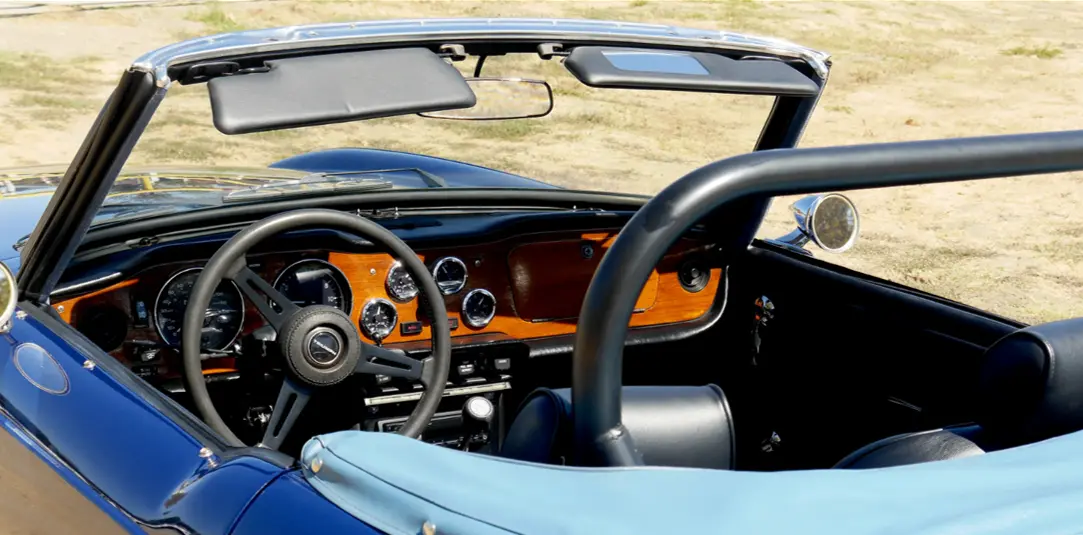
We don’t post much on Reddit. We don’t jump into comment wars on social media. But we read. Almost everything. More importantly, we talk. Every day. With classic car owners, DIY builders, professional shops, family, friends, and people who once said, very firmly, “I will never convert this car to electric.”
And then—sometimes years later—they do.
Not because of ideology. Never because someone convinced them online. And certainly not because of a viral post. It happens quietly, through a series of realizations.
It’s not E = mc², but after hundreds of conversations, we’re confident we’ve cracked the code.
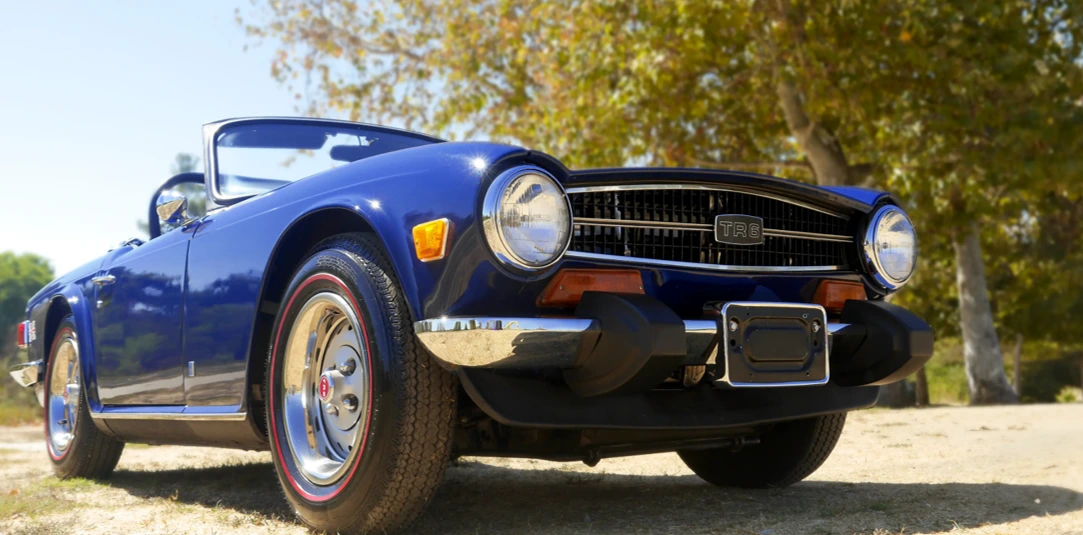
Most people who are initially against EV conversion aren’t actually anti-electric. They’re anti-loss of control. They worry about losing the character of their car, irreversible changes, or being locked into a bad decision with no way back.
What changes their mind isn’t a spec sheet. It’s understanding that a good EV conversion is engineered, not improvised. That it can be reversible. That nothing valuable has to be destroyed. That upgrades can be done with the same respect as any period-correct restoration.
Once that mental barrier drops, everything else becomes a discussion—not a rejection.
Almost no one converts their car because they’re “excited about batteries.”
They convert because their classic has let them down one too many times: Cold starts that aren’t, fuel systems that need constant attention, parts that are available one year and gone the next, and shops that used to know the car but no longer want to touch it.
When owners see that an EV conversion doesn’t just replace an engine but removes entire categories of failure, the conversation shifts. Reliability becomes freedom. Freedom becomes usability. And usability is what keeps a car alive.
This is one point that keeps coming up in our conversations with clients: they don’t pick a motor or a battery pack; they pick an expertise.
EV conversion shops don’t sell electric power. They sell confidence. They show past work. They acknowledge limits. They don’t oversell range or performance. They focus on craftsmanship.
When someone who was skeptical meets a builder who treats EV conversion like a proper mechanical discipline—not a shortcut—the resistance fades quickly.
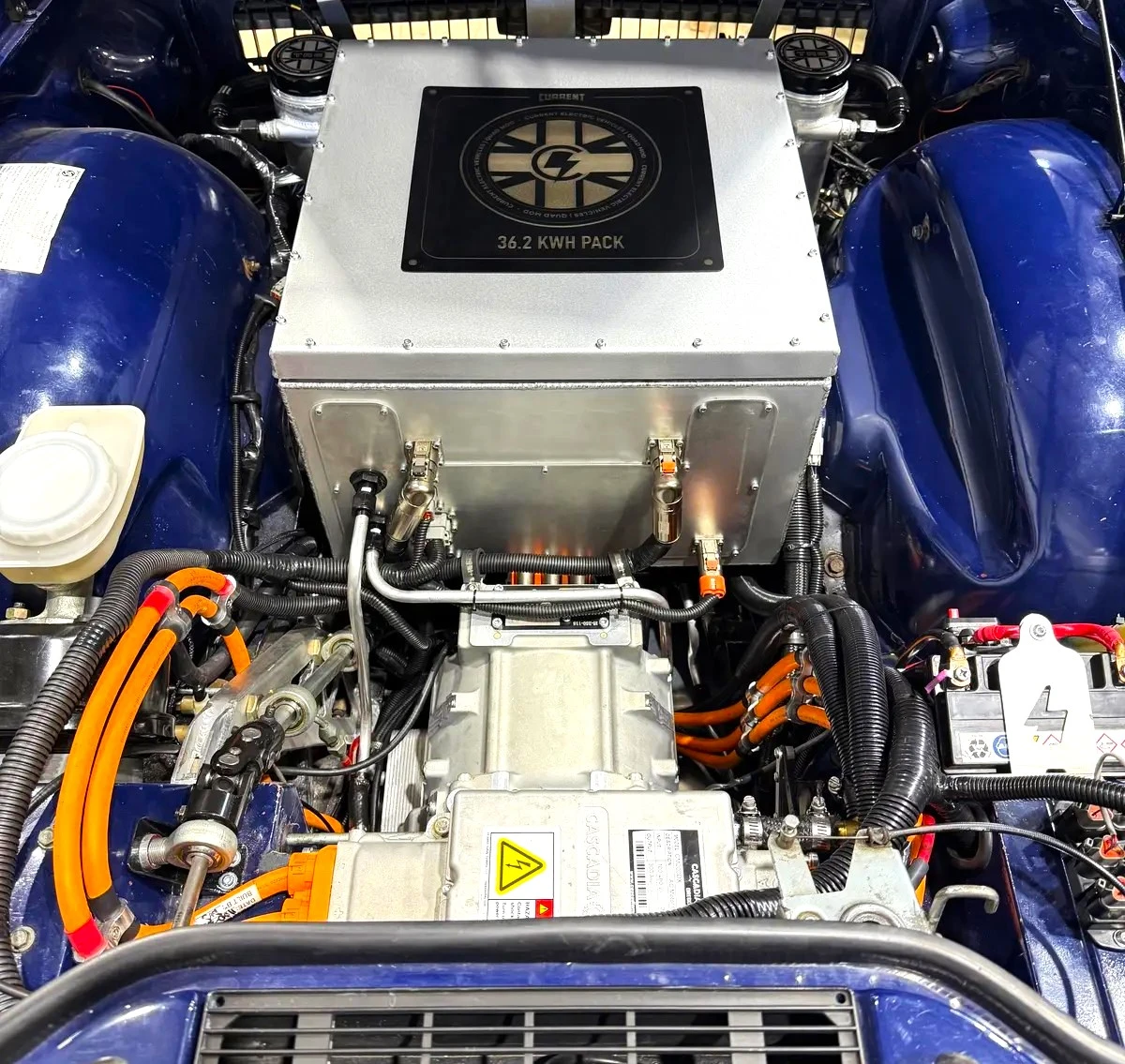
We’ve seen this movie before.
If you are old enough, you probably remember how Electronic Fuel Injection was rejected by enthusiasts. Car forums and magazines were full of it: EFI was soulless, impossible to tune, unreliable, and “only for people who don’t know carburetors.”
Ironically, many enthusiasts who initially reject EFI end up appreciating it once they experience a well-tuned system: smoother starts, better drivability, and fewer headaches. But acceptance often comes after trust is earned—not before.
Today, EFI is everywhere. Even in classic builds. Even in restomods. Even in cars that still look period-correct. Not because enthusiasts surrendered, but because EFI proved itself. It delivered reliability, consistency, and performance—without erasing the joy of driving. EV conversion is following the exact same path.
For most owners, the turning point is not a single argument. It’s a moment.
– Seeing a converted car drive exactly as it should.
– Realizing the car can finally be used, not just preserved.
– Understanding that the upgrade doesn’t erase the past—it extends it.
Once they see EV conversion as restomod thinking applied to modern constraints, the resistance disappears. It stops being “electric vs. gas” and becomes “what makes this car better to live with.”
This is also why high-quality kits and structured platforms are so important. The people who change their mind are not looking for experiments. They want proven solutions, known components, realistic pricing, and builders who have done it before.
That’s why we’ve gathered kits, parts, shops and experts across generations and budgets. Not to push anyone into conversion—but to be ready when they are.
Some cars should remain factory-original. Some owners will never want to change. We respect that deeply. But for the growing number of enthusiasts who already know their car wouldn’t be on the road without modern updates, EV conversion isn’t radical. It’s the next logical step.
We don’t shout it on social media. We listen.
And we build the ecosystem for when people are ready.
And when they are, they can count on us.
https://www.fuel2electric.com/

Press Release
Borgeson Street & Performance Quick Ratio C10 Power Steering Box: Borgeson Universal now offers the only quick ratio power steering box to replace the Saginaw/Delphi… Continue reading
Motortopia Staff . October 09, 2024
Press Release
If you are pushing your Cummins engine to its limits, whether you are chasing podium finishes on the track, hauling heavy loads, or building a… Continue reading
Motortopia Staff . June 08, 2026
Press Release
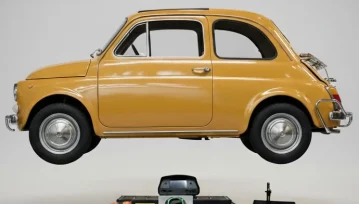
“Will EV conversions get dramatically cheaper?” It’s one of the most common questions we hear — from DIY enthusiasts, fleet operators, classic car owners, and… Continue reading
Motortopia Staff . February 20, 2026

Press Release
Portable Power for Any Adventure, REDARC Announces the GoBlock in North America LONSDALE, SOUTH AUSTRALIA, May 17, 2024 – REDARC, a leader in off-grid power… Continue reading
Motortopia Staff . May 17, 2024
Press Release
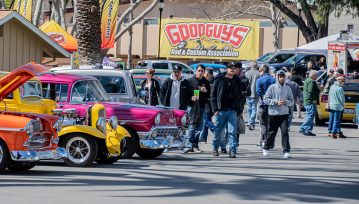
Fort Worth, TX (March 5, 2024) – Goodguys Rod & Custom Association, the world’s largest hot rodding association and producer of America’s Favorite Car Show will… Continue reading
Motortopia Staff . March 19, 2024
Press Release
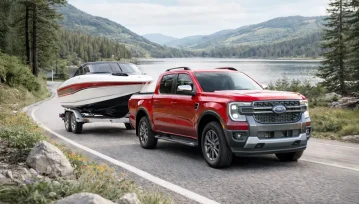
[LANSING, MI April 21 2026]— Air Lift Company, a leader in aftermarket air suspension solutions, is pleased to announce the release of its LoadLifter 5000… Continue reading
Motortopia Staff . April 22, 2026



Super Run 2026 Classic Car Show
Super Run 2026 Classic Car Show Casablanca Resort 950 West Mesquite Blvd Mesquite, NV 89027
Concours D'Elegance
Cobble Beach Resort 221 McLeese Dr, Kemble, ON N0H 1S0
Charity Car Show
Mesa Marketplace 10550 E. Baseline Rd, Mesa , Az 85209
CHICO CONCOURS Car Show
Silver Dollar Fairgrounds 2357 Fair Street, Chico, CA 95928
Goodguys 33rd Summit Racing Lone Star Nationals
Texas Motor Speedway 3545 Lone Star Circle
We use cookies to enhance your browsing experience, serve personalized ads or content, and analyze our traffic. By clicking "Accept All", you consent to our use of cookies. Visit our Cookie Policy for more info.



 Please wait...
Share Link