










 Alfie Bilk
.
July 29, 2026
.
Drag Racer
Alfie Bilk
.
July 29, 2026
.
Drag Racer
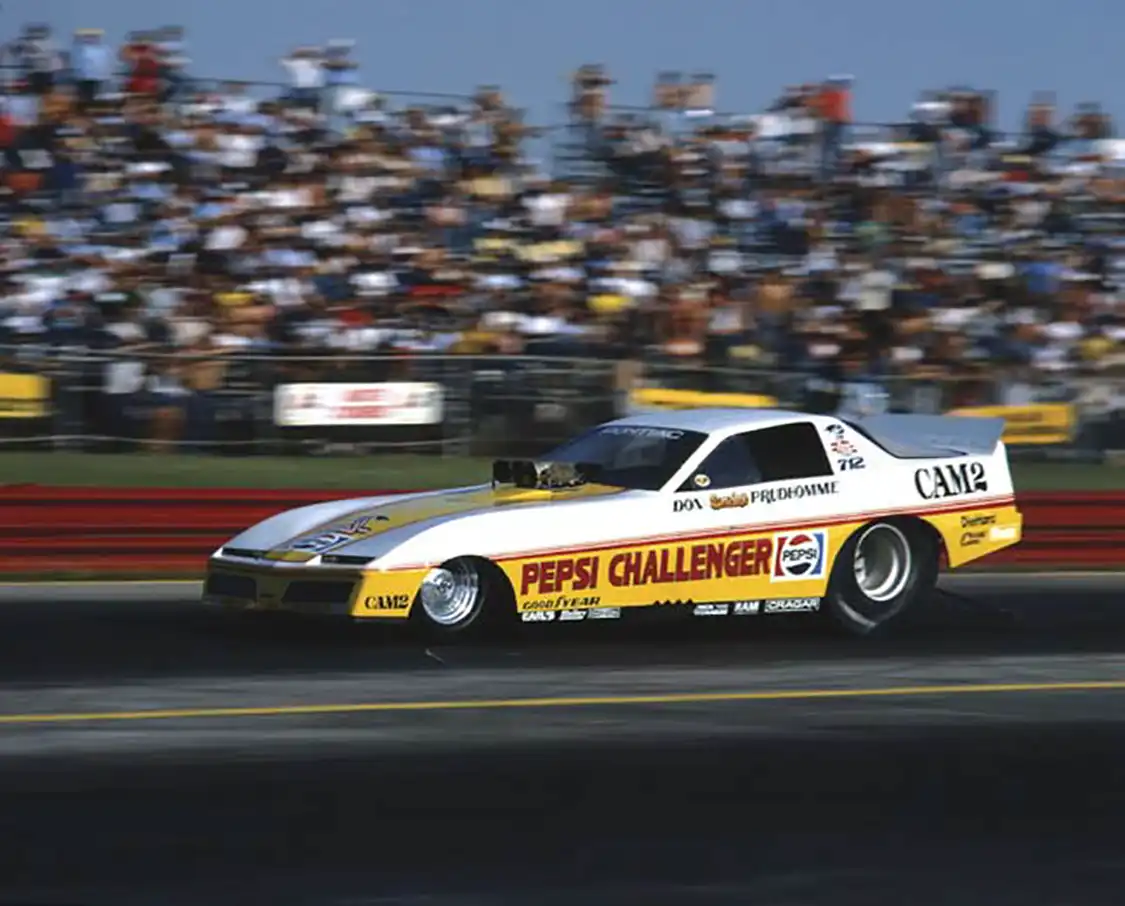
IN 1982 A PERFORMANCE SURGE WITHIN THE FUNNY CAR RANKS SEEMED TO STEM FROM THE APPLICATION OF NITROUS OXIDE. DON PRUDOMME HAD PROPELLED HIMSELF TO A REMARKABLE 5.63-SECOND QUARTER-MILE RUN DURING QUALIFYING FOR THAT YEAR’S INDY NATIONALS, STARTLING EVERYONE WHO HAD WITNESSED IT. “IT WAS ONE OF THE GREATEST FUNNY CAR RUNS IN DRAG RACING HISTORY,” WROTE “NATIONAL DRAGSTER” EDITOR PHIL BURGESS IN 2012.
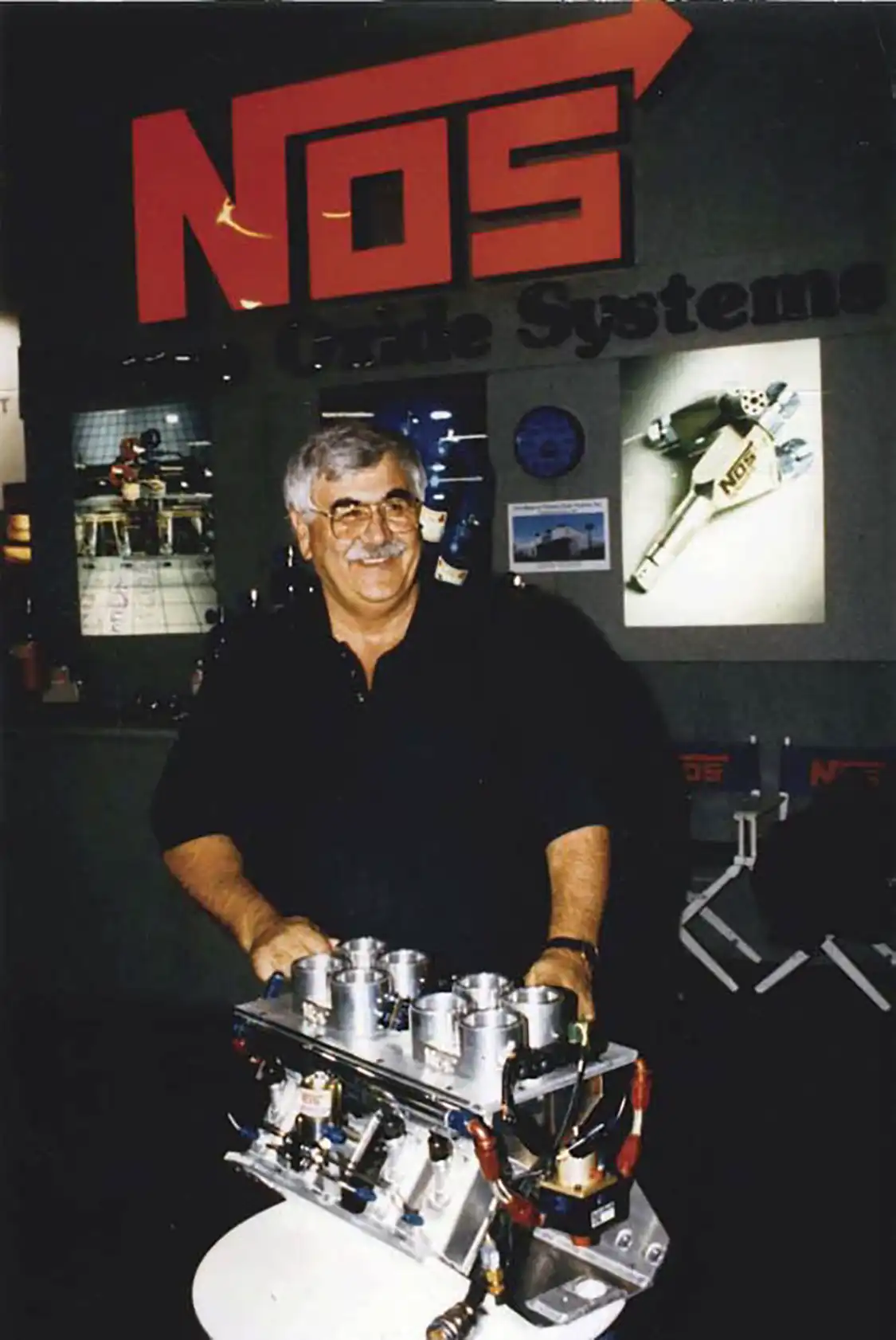
The role of nitrous oxide in Top Fuel and Funny Car in the early-’80s was not as you might expect. At that time teams were acutely concerned about maintaining adequate spark to the plugs when the race cars left the starting line, and nitrous was used as a supplement to ease the trouble. “The goal was to have all eight cylinders operating at the same temperature to lessen the chance of a dropped cylinder,” says long-time nitrous devotee Mike Thermos.
The term “dropped cylinder” refers to a potential disorder that occurs when the strength of the spark is threatened when excessive amounts of incoming fuel and nitrous help atomize the nitromethane. By introducing better atomization—energizing the fuel mixture by reducing it to finer particles—they lessened the risk of incapacitating the engine’s power. But the routine led to a bizarre turn.
Wally Parks, founder and president of the NHRA, had complained about the event’s high rate of parts attrition. National Dragster had reported that the “Top Fuel event had been an oil-down mess,” and the implication was that action was needed to subdue increasing power outputs. To compound the perception, Prudhomme’s record-breaking run appeared to be assisted by nitrous oxide. To make things worse, his engine had been running like a missile until the halfway mark when piston pin failure invariably intervened. Rightly or wrongly, nitrous was blighted by blame.
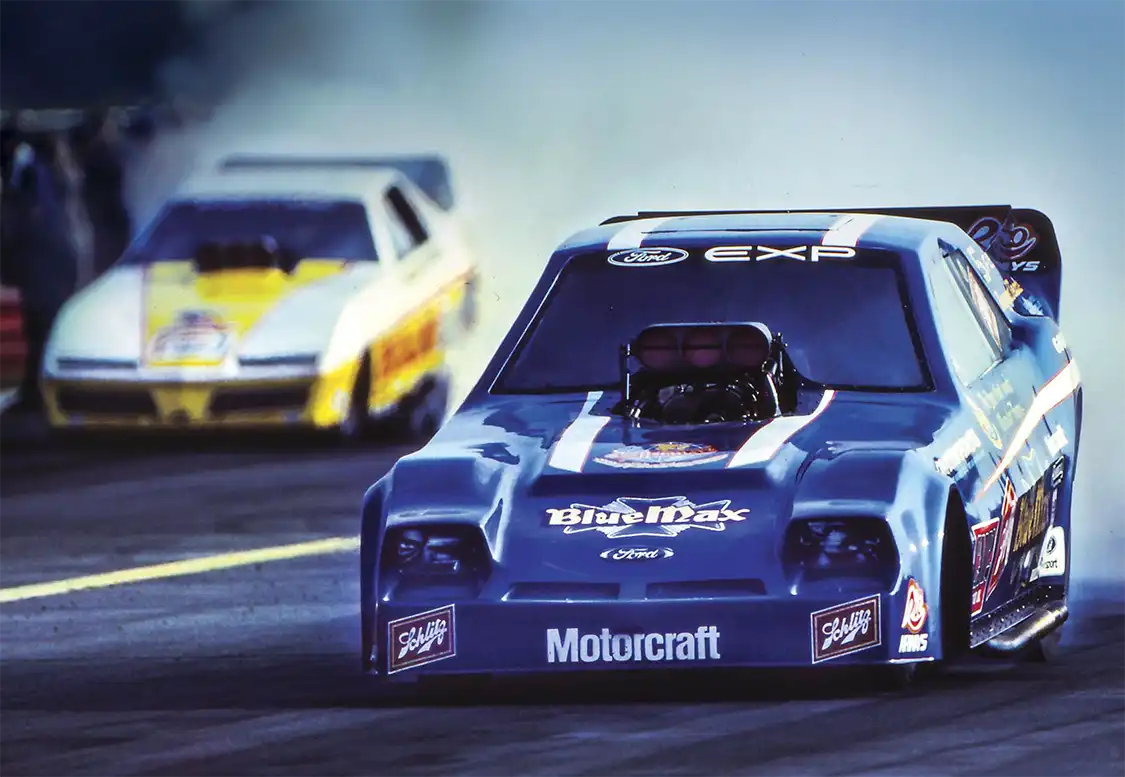
According to top nitrous racer of the era, Billy Meyer, the NHRA polled the Funny Car teams for their position on the use of nitrous oxide. Did they favor it or not. Clearly, the resulting vote could have been contentious for nitrous adoption by the leading contenders among their number: Dale Armstrong, crew chief for Kenny Bernstein’s Top Fuel dragster, Austin Coil’s Chi Town Hustler driven by Frank Hawley and Dale Emery’s Blue Max. In the end, however, too few of them voted for its retention, and the substance was banished from the upper ranks of NHRA competition.
With the passing of time, the 1982 “Nitrous Nationals” became implausibly much more confounding than this because Prudomme’s race car had overtly masqueraded with nitrous oxide plumbed to its fuel delivery system, a not too convincing subterfuge to deflect attention from its real advantage: an aircraft-quality vane-style fuel pump. So, Prudomme had not competed with nitrous oxide during the momentous event; instead, he had orchestrated an elaborate pretense.
During a holiday party about 30 years later, Thermos was asked about the ramifications of the so-called 1982 Nitrous Nationals. “Are you kidding,” said Thermos, “it was the best thing that could have happened. There were about 27 Top Fuel runners and most of them wanted nitrous kits for free, and if the engine blew-up, we got saddled with the blame. If nitrous had succeeded at that time in Top Fuel and Funny Car, big operators would have emerged, monopolized it, and we would have been driven out. This way we survived.”
In 2007, ESPN’s Terry Blount reminded us that A.J. Foyt and Darrell Waltrip used nitrous oxide to boost horsepower in qualifying for the 1976 Daytona 500. If Foyt’s manner was not always remarkable for its tact, his misdeeds were ingenious. On an Indy car, his concealment of nitrous had been brilliantly conceived. The report revealed that nitrous had been sprayed through a tiny orifice in a pop rivet into the spinning turbo, located immediately behind the driver. The harmless-looking rivet acted as a nozzle that was located in the cross-tube of the roll bar, the structural member that served to secure the seat belt top mountings.
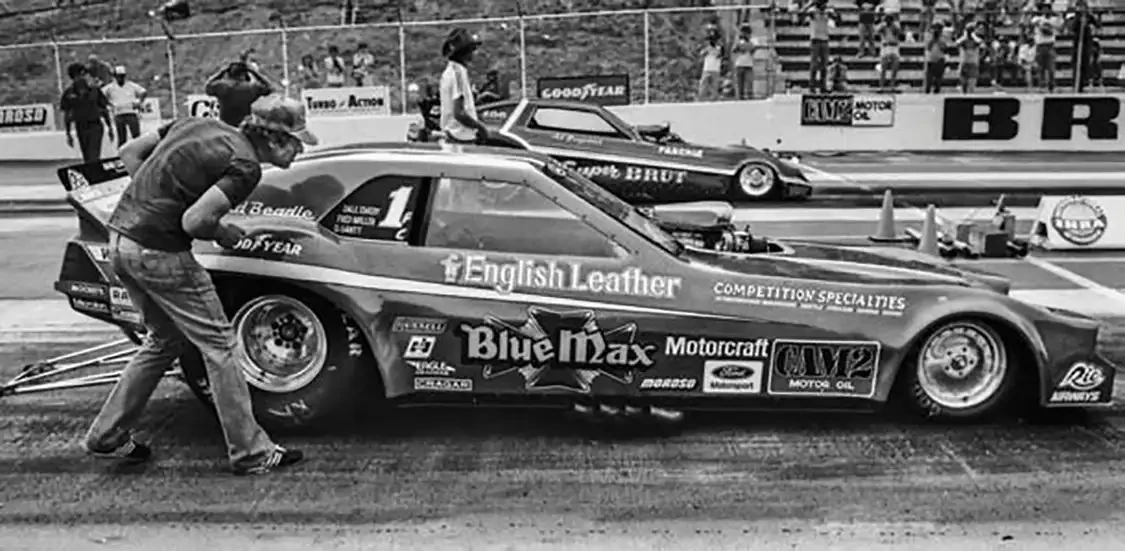
In fact, on a later occasion the chief steward at Indy called Thermos’ shop and inquired of Racing Product Manager Wady Hamam if there was a device available that could detect nitrous in the exhaust pipe. Two weeks later they called again saying, “Tell your boys we’re going to be checking the exhausts for nitrous residue, and if we detect any, they’ll be disqualified.”
Naturally, Thermos and his staff felt gratified. They had come to be regarded as the definitive authority, the court of last appeal on all things nitrous. “But we had no knowledge of any of it, including how to read the pipe residue,” Thermos revealed. Still, Mike saw a marketing opportunity and told them he would fly to Indy. He would inspect all of the race cars, he would identify any that were using nitrous illegally, and he would do it on his own dime if they would furnish credentials.
Thermos, a cheerful, easy-going man with an admirable sense of humor, began his career in nitrous when he formed his company in 1978. Based in the Los Angeles area, his love for racing was acute, particularly for the Top Fuel and Funny Car drag racing classes, but participation at those levels was beyond his financial grasp. On the other hand, promoting his company by introducing nitrous oxide to the racing community offered brighter prospects.
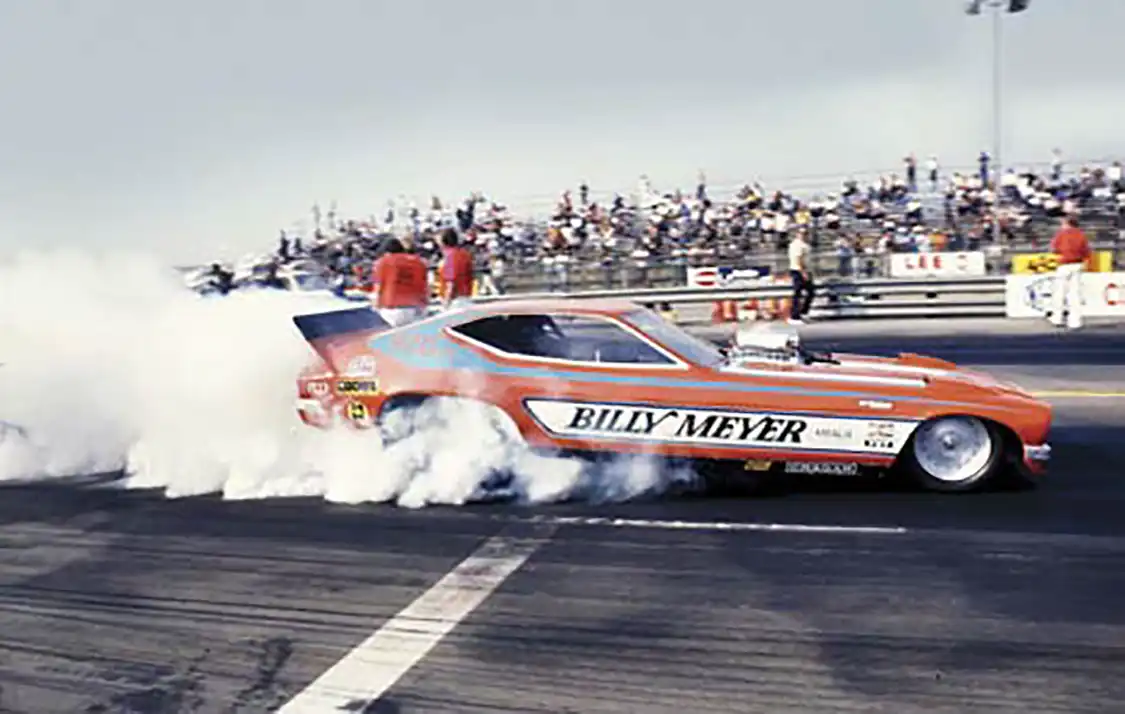
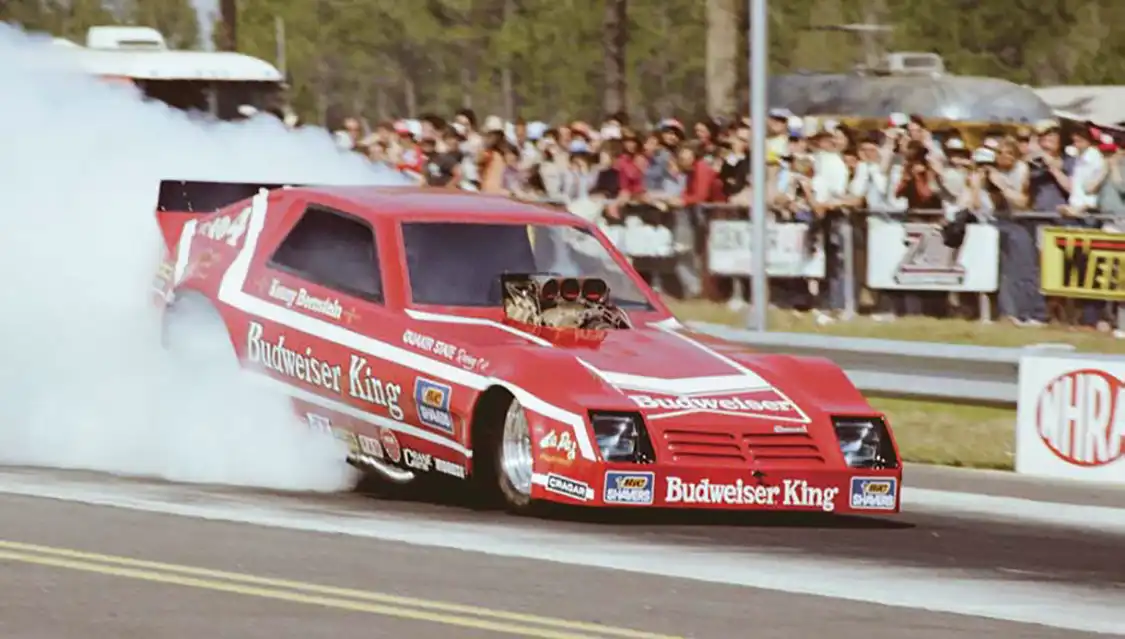
Following the NHRA’s decision to banish nitrous from its top-tier ranks in the early ’80s, Thermos strayed over to the IHRA encampment, which set in motion the advent of the fabulous Pro Mod class. Greater opportunities yet were realized when he explored the potential of the street market.
After 38 years, racing continues to broaden his mind as he embodies the young man’s eagerness for learning. On the other hand, Thermos and his team can reflect on the effects of their energies. They’ve watched their products win races and break records, and they’ve justifiably shared in the accolades. Slowly, they built the concept, established the name, cultivated a dominant presence in the marketplace and had a great time doing it.
Feature Stories
2023 Easter Jeep Safari Jeep Concepts Drive Every year Jeep debuts a handful of concept cars at Easter Jeep Safari (EJS) in Moab. And, every… Continue reading
Bryon Dorr . August 08, 2023

Drive Online
From Controversy Comes Clarity During the build or restoration of any car, there are a few big decisions and millions of smaller ones. Usually the… Continue reading
RYAN MATTHEWS . September 03, 2024
Chevrolet
True to form Growing up in Southern, California with a fairly large age gap between myself and my two older brothers, I had the privilege of watching… Continue reading
Scott Gibson . January 18, 2024
Drag Racer
The Real Big Show! Once upon a time, to see the greatest drag racing show on Earth you made a pilgrimage to Famoso Raceway just… Continue reading
Pete Ward . March 28, 2026
C10 Builders Guide
Armando Jaramillo’s 1984 Red Dirt C-10 HAVING GROWN UP IN THE ’80s, ARMANDO JARAMILLO HAS NEVER LOST HIS TASTE FOR THE CARS OF HIS YOUTH.… Continue reading
Jon Hansen . January 28, 2026

Diesel World
Cody Helms’ 12-Valve Cummins-Powered Dodge 2500 For those who have a competitive nature, getting past the ‘if you’re not first, you’re last’ mentality when things… Continue reading
John Mata Jr. . January 10, 2025


Super Run 2026 Classic Car Show
Super Run 2026 Classic Car Show Casablanca Resort 950 West Mesquite Blvd Mesquite, NV 89027
Concours D'Elegance
Cobble Beach Resort 221 McLeese Dr, Kemble, ON N0H 1S0
Charity Car Show
Mesa Marketplace 10550 E. Baseline Rd, Mesa , Az 85209
CHICO CONCOURS Car Show
Silver Dollar Fairgrounds 2357 Fair Street, Chico, CA 95928
Goodguys 33rd Summit Racing Lone Star Nationals
Texas Motor Speedway 3545 Lone Star Circle
We use cookies to enhance your browsing experience, serve personalized ads or content, and analyze our traffic. By clicking "Accept All", you consent to our use of cookies. Visit our Cookie Policy for more info.


 Please wait...
Share Link