










 Jason Sands Jason Sands
.
September 14, 2026
.
F Series Builders Guide
Jason Sands Jason Sands
.
September 14, 2026
.
F Series Builders Guide
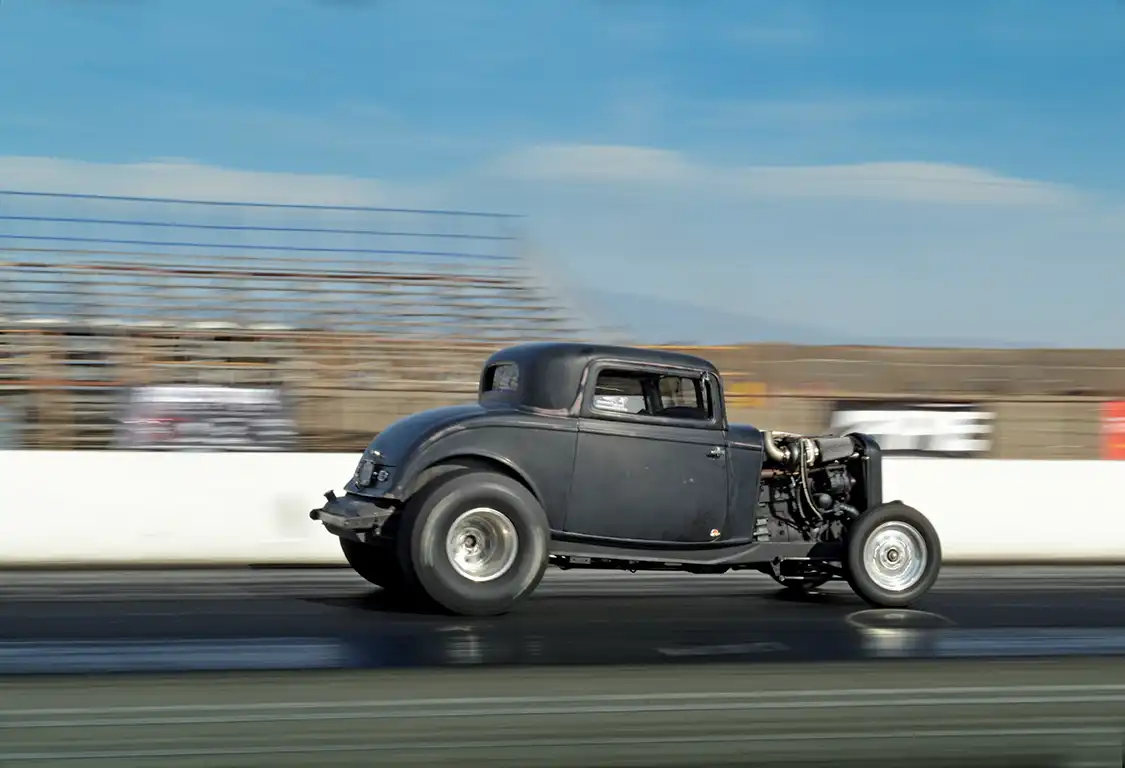
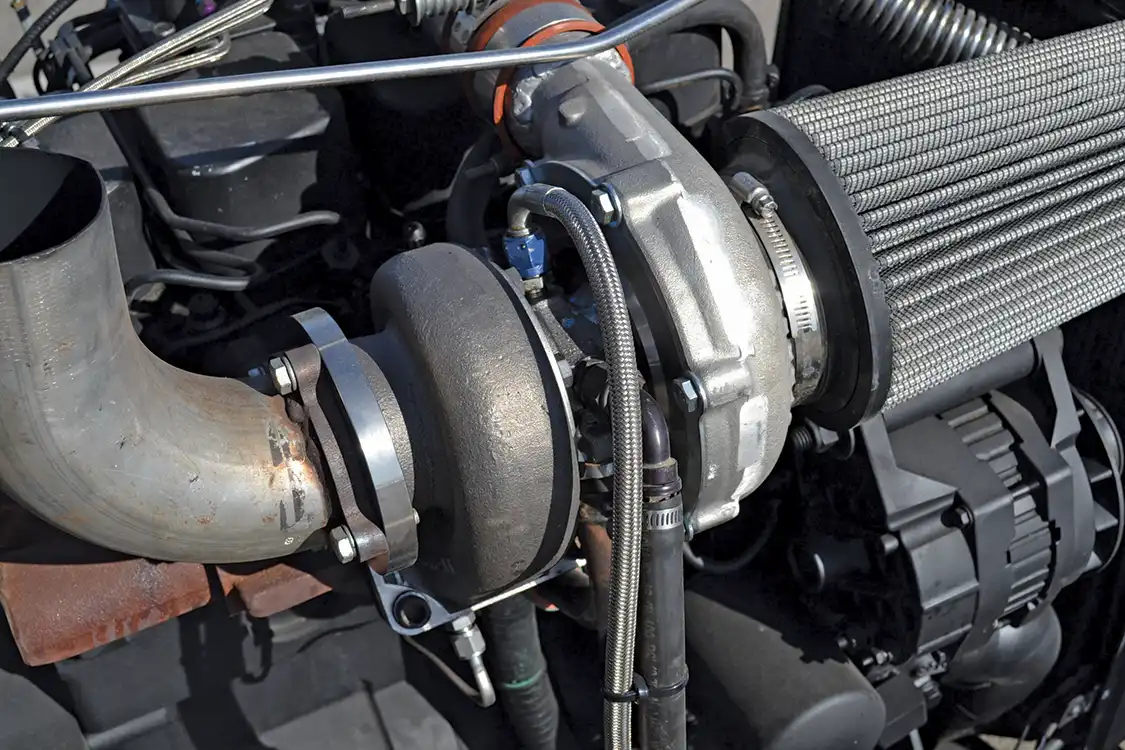
Nearly a year ago we teamed up with the folks at Brown’s Diesel to put together a sweet little 4-cylinder, Cummins-powered ’32 Ford. The engine had been lifted from a bread truck and was already p-pumped, which meant it had good performance potential. When we last left the Brown’s crew, the engine had been swapped into the car and was running well enough to put down 263 hp at the rear wheels, its only stock deviations an F1 Diesel 5×18 injectors and a 54mm Garrett turbocharger. And while it was cool to see the rod running and driving, it was far from finished.
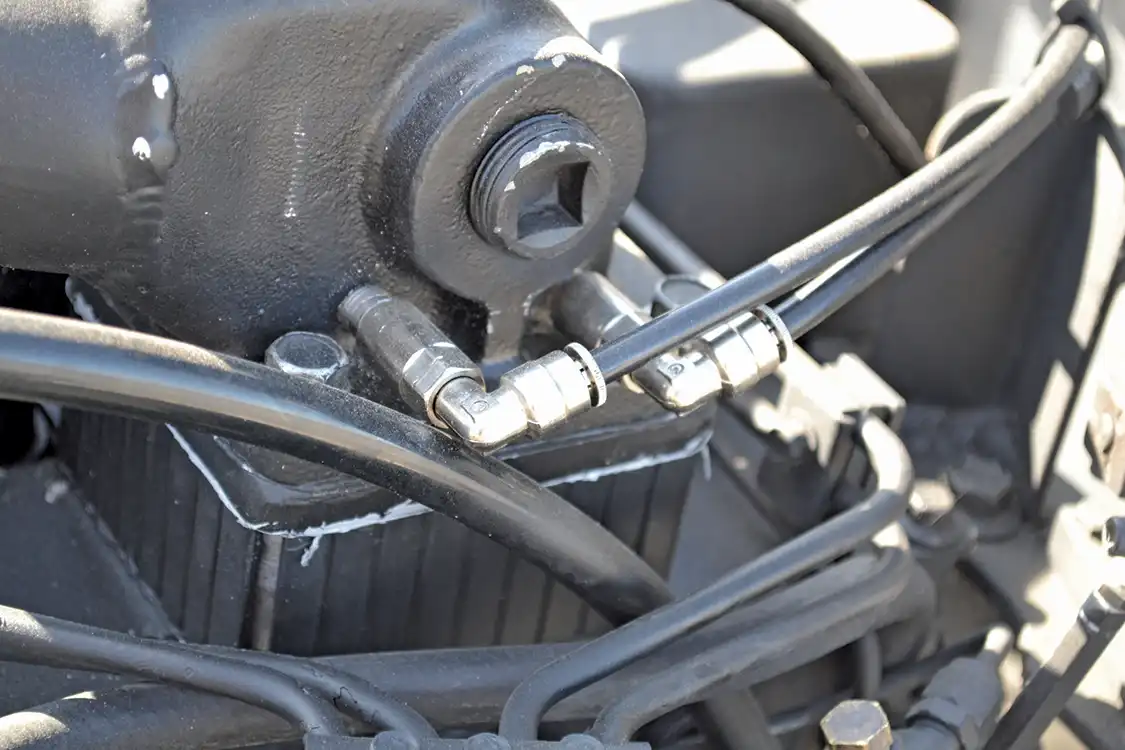
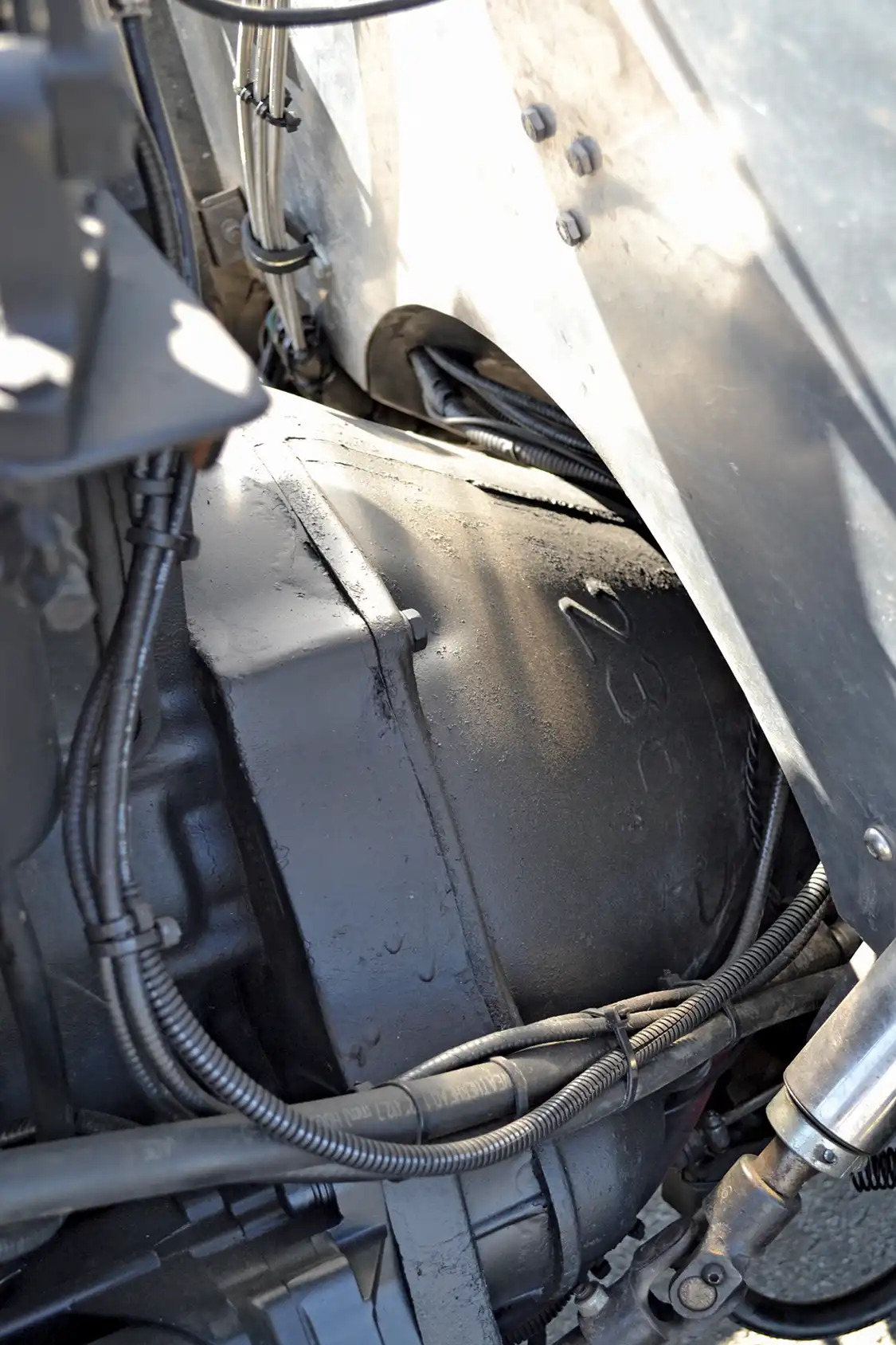
While the Ford/Cummins Coupe was running, there were still quite a few issues that had to be overcome: while producing little boost, the coupe would push through the brakes and force the front tires into a slide, thanks to the torque of the high-powered Cummins engine combined with the light weight of the car. To combat this, the transmission was taken out, and a special high-stall torque converter was built by transmission guru Dave Goerend. This higher stall converter would allow the engine to rev higher and produce more boost while keeping the car from pushing through the brakes.
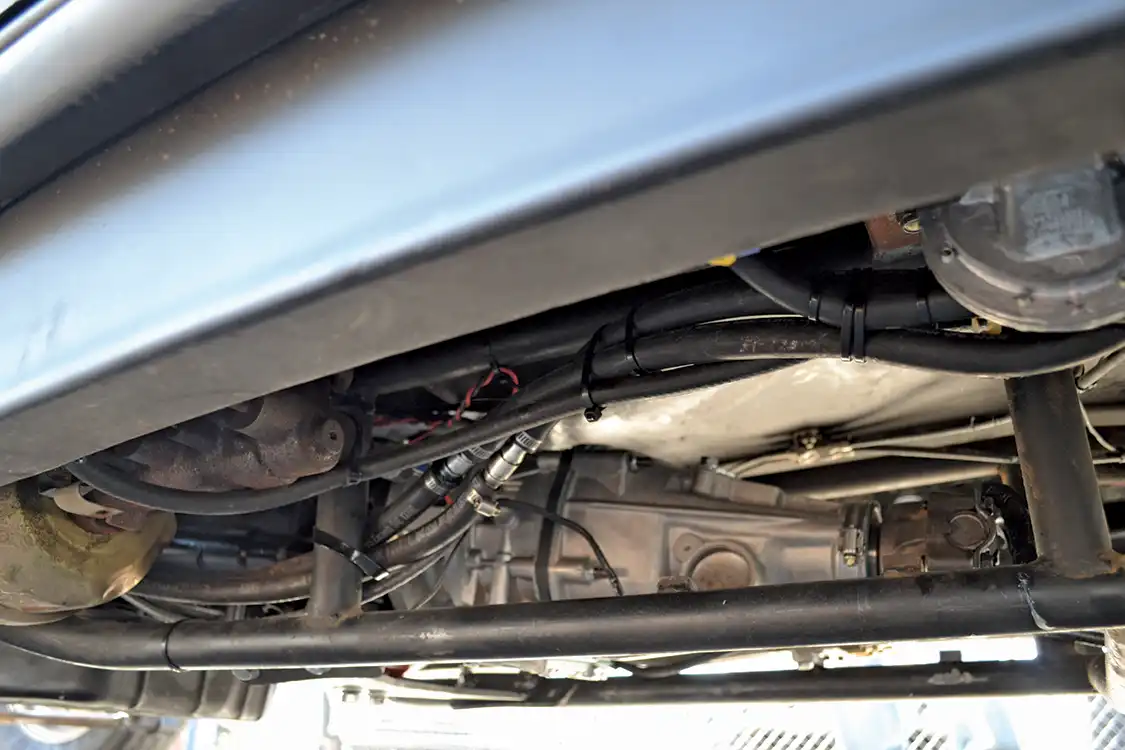
When the coupe was running for the dyno day a year ago, it had the old 4.30 gears in it that were in the rear axle when it was a blown alcohol car. Problem was, not many Pro Gears were available in the 3.0-ish ratio range that a diesel engine might like. Fortunately, Richard Brown, owner of Brown’s Diesel, had a solution in an old Gear Vendors Overdrive unit that used to be on one of his Dodges. Adding the Gear Vendors on to the end of the existing 47RH Dodge transmission now meant the coupe would have double over-drive, which would allow speeds well in excess of 120 mph, even with the 4.30 rear gear.
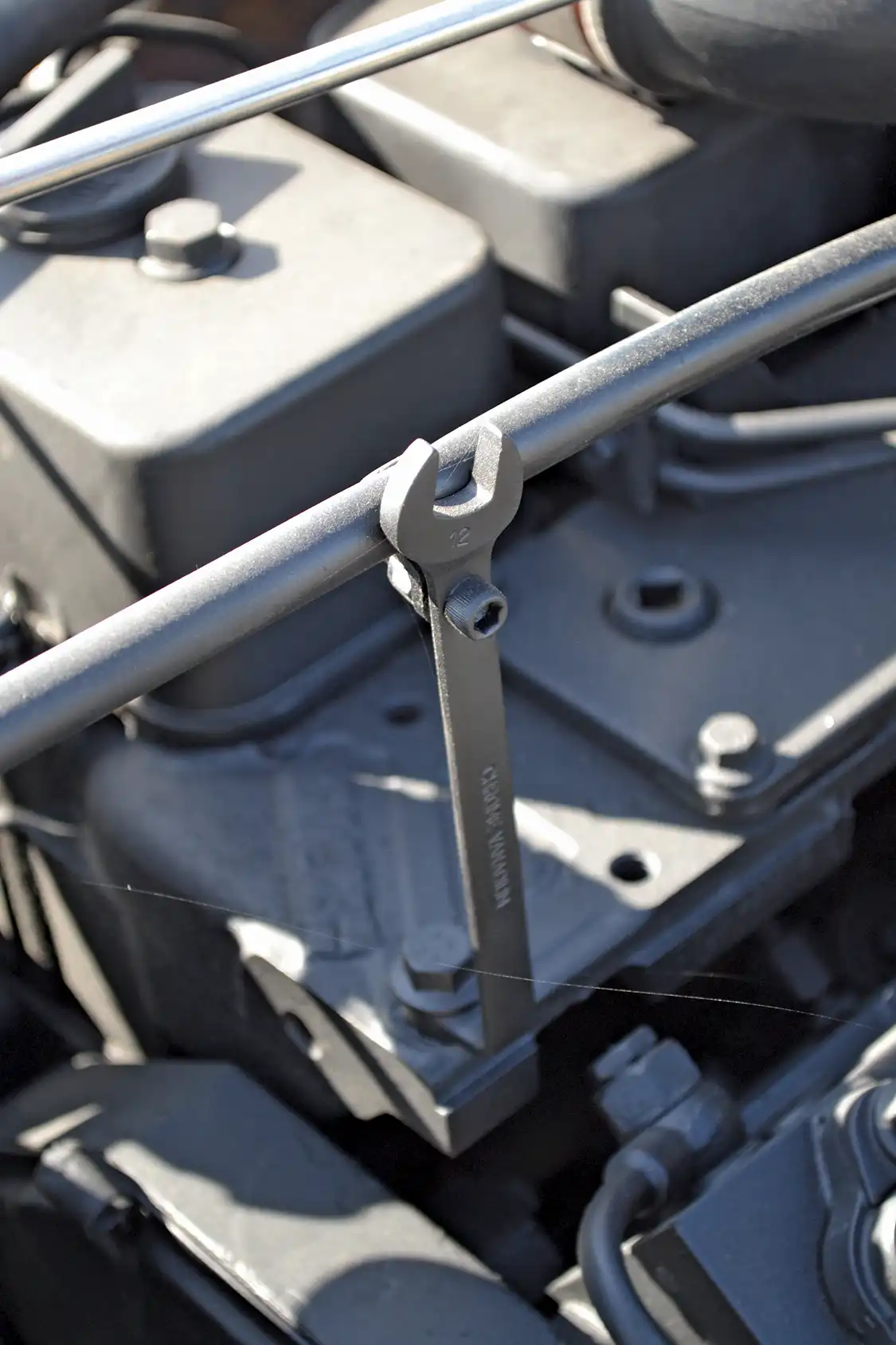
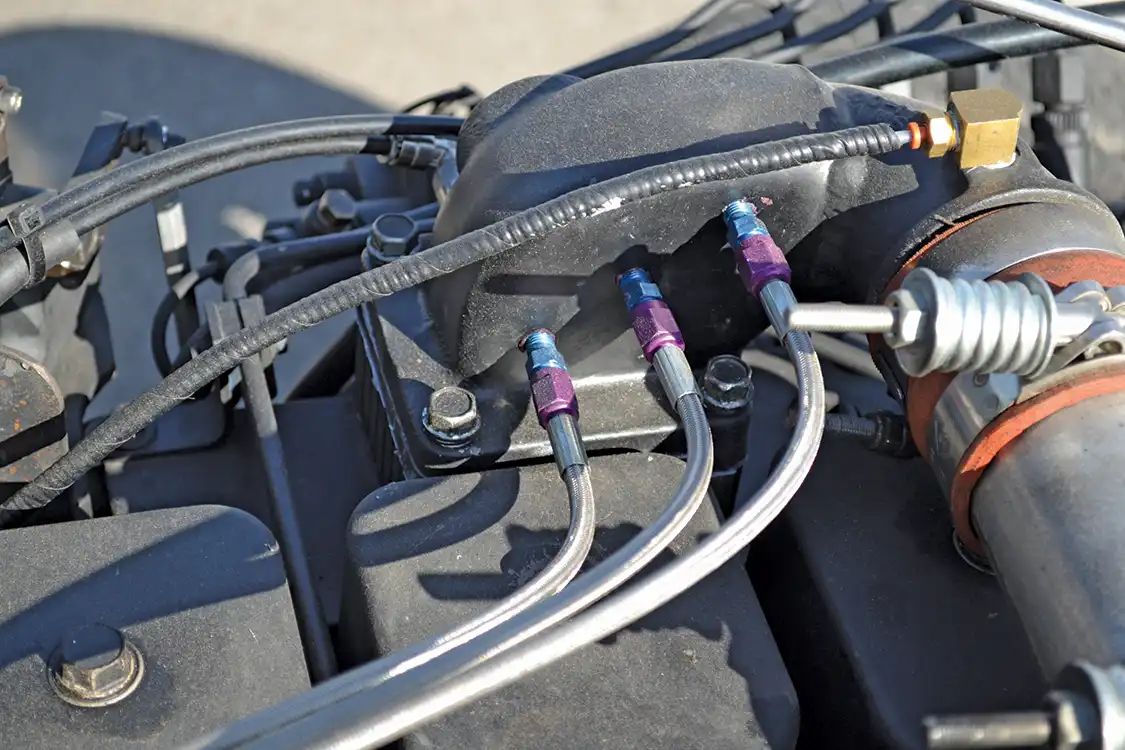
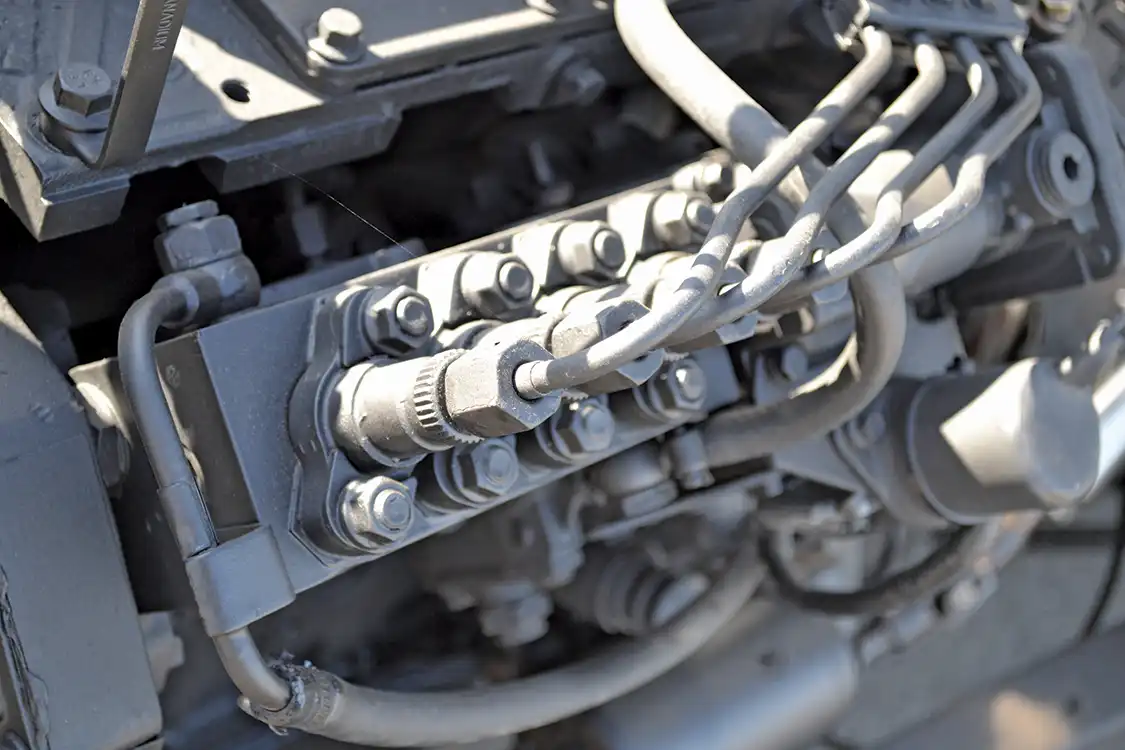
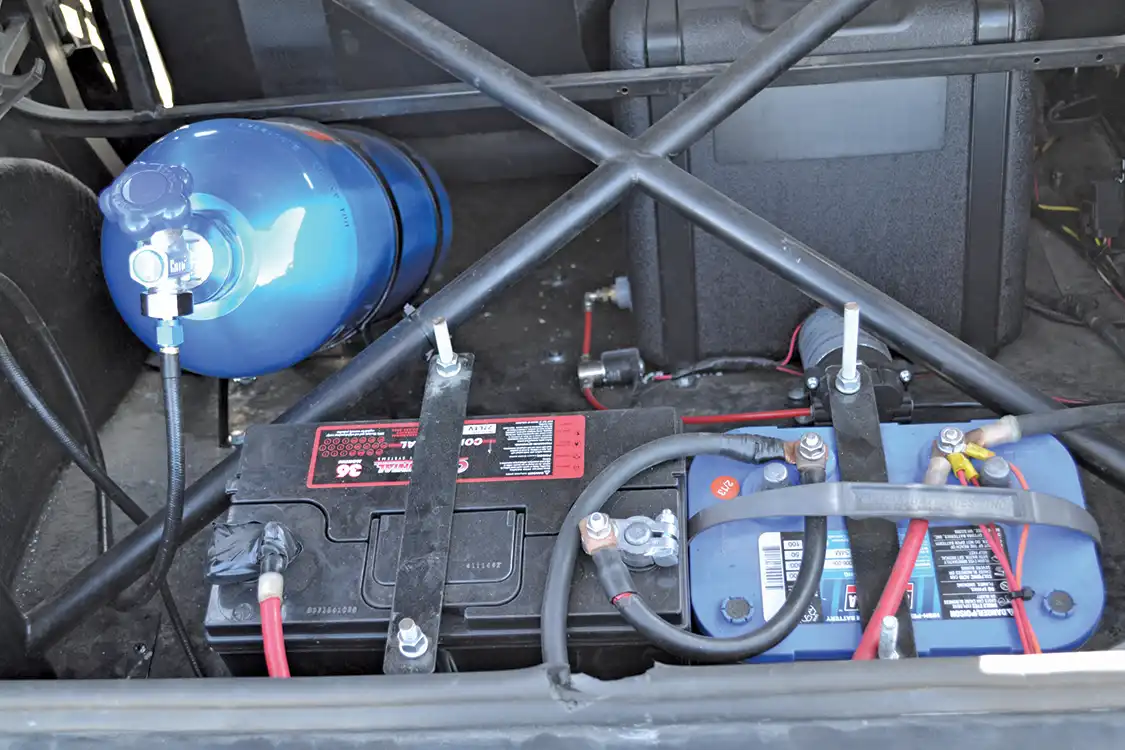
With the transmission situation taken care of, it was time to address the engine, which was still virtually stock and in unknown condition. Since nitrous would soon be implemented to the vehicle’s repertoire of upgrades, ARP 625 head studs were installed to greatly increase clamping force. Meanwhile, to allow the engine to rev a bit higher, the 4bt’s p-pump received some governor springs. Since the Brown’s team was tearing apart and rebuilding another engine at the same time as this Ford, the team considered this 4bt to be their “experiment” engine: a power plant they could tune and learn from. Experimentation in this case meant nitrous—and a whole lot of it. Three stages were added and boost triggered, and a Snow Performance water injection kit bolstered the upgrade in order to keep the turbo’s turbine from melting.
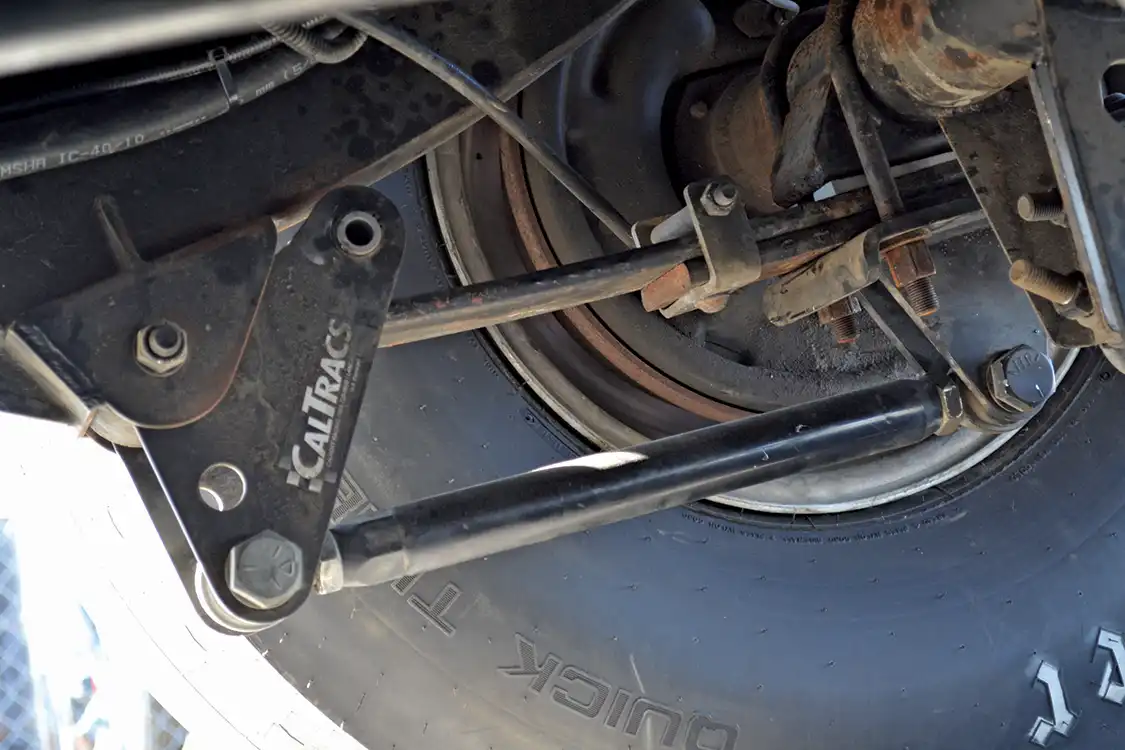
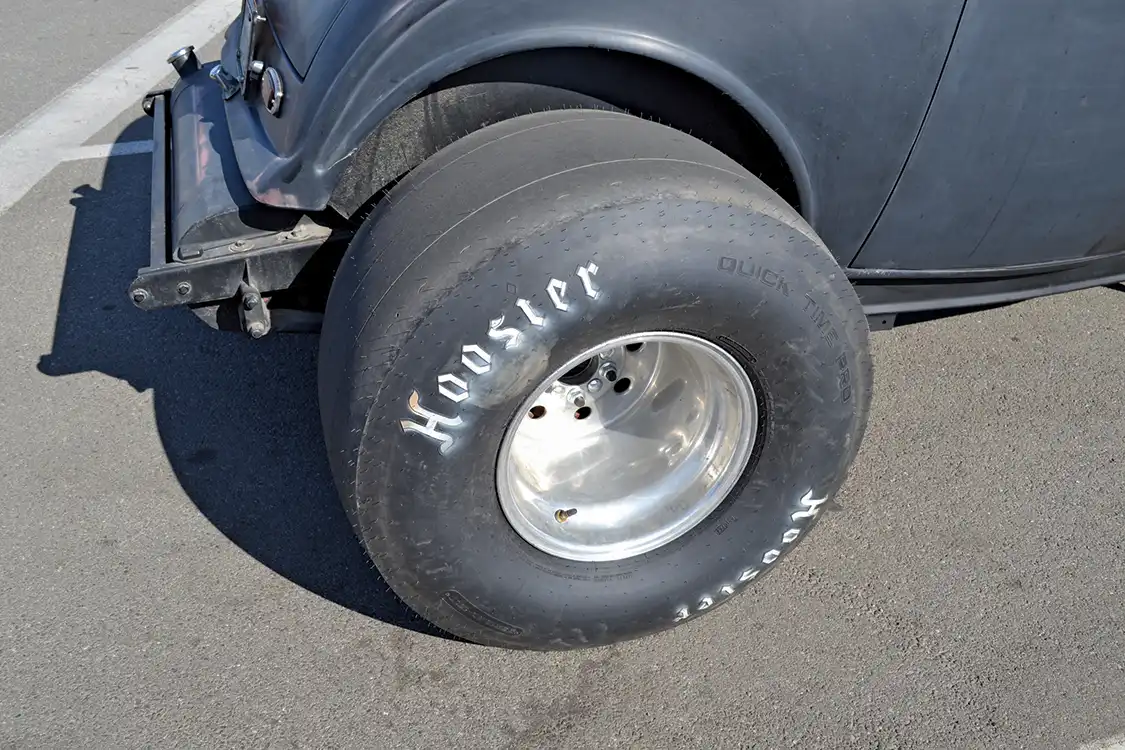
With basically the same setup as before—only this time with enough nitrous to reduce the exhaust smoke to nothing—we were expecting some good numbers out of the ’32. Although the fuel-only number was a solid 292 rwhp, the additional boost potential was a bit scary at 47psi— the theoretical limit of the Garrett turbo’s compressor map. Undeterred, Erick Brown made the next dyno pull on all three stages of nitrous. The coupe laid down an awesome 530 rear-wheel horsepower!
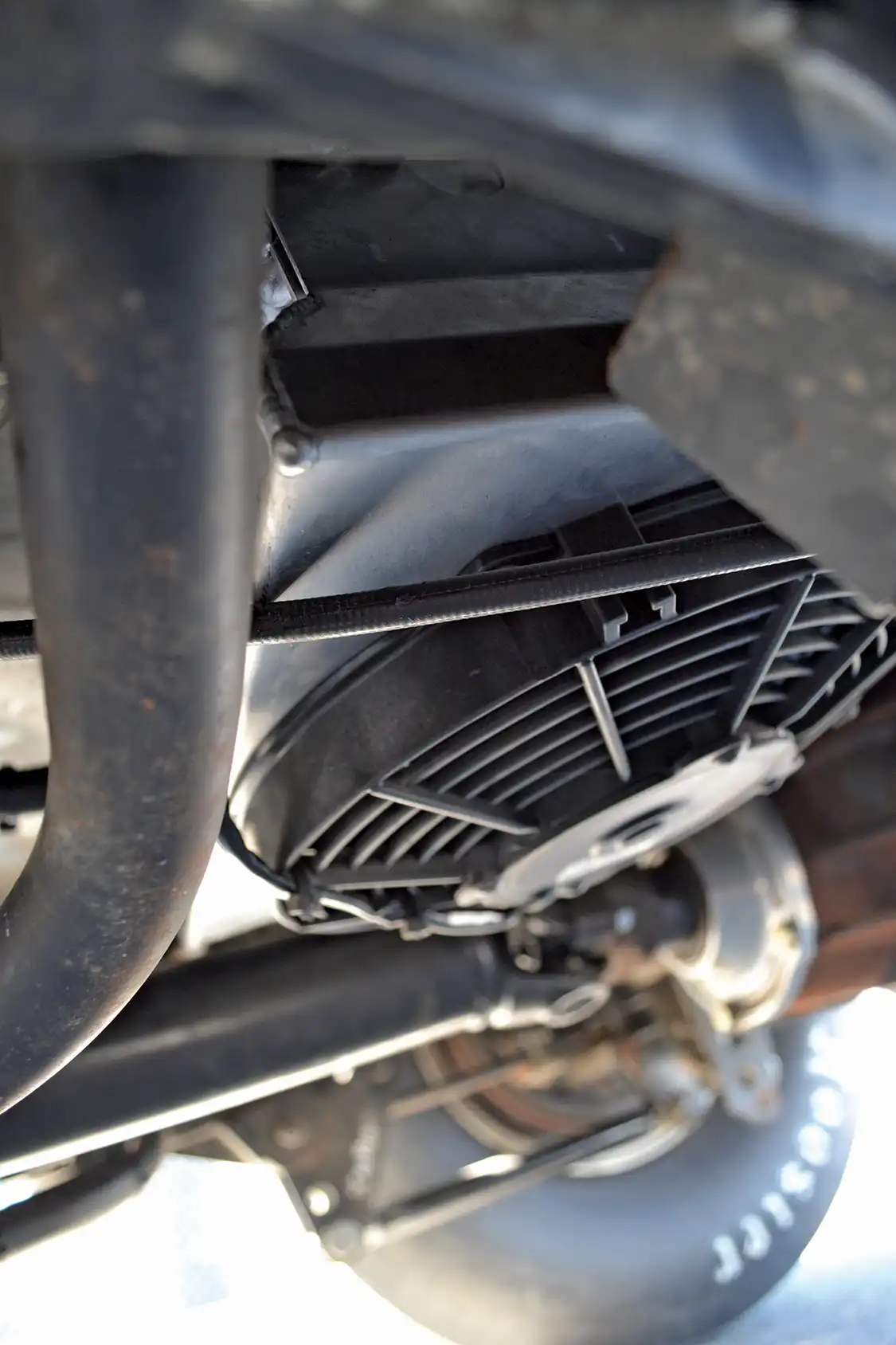
With plenty of newfound power thanks to a healthy dose of giggle gas, the ’32 was all set to hit the NHRDA’s season opener in Bakersfield, California. However, before they loaded the coupe up into the trailer, the turbine housing was changed from a 0.63 A/R to a 0.82 A/R, reducing drive pressure on nitrous and ultimately helping the turbo live.
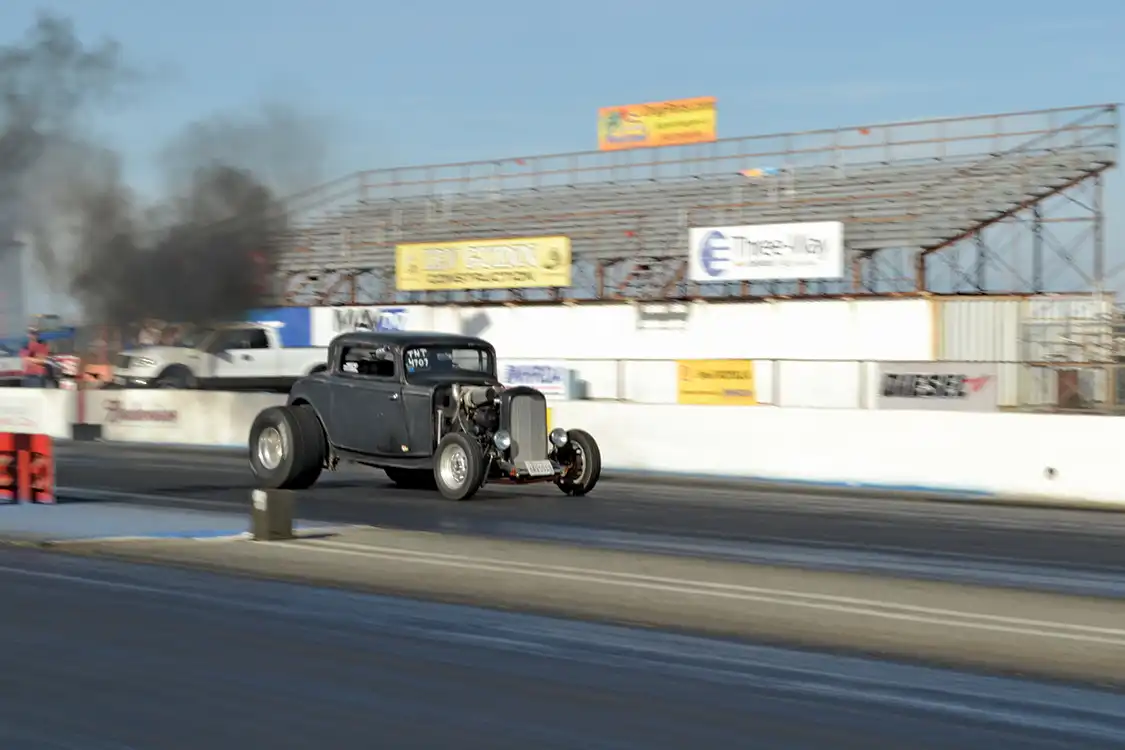
With just a few street miles under its belt, Richard Brown piloted the 4bt-powered coupe down the dragtrip at a blazing 127mph to earn an impressive 12.0-second elapsed time. Some work will still be needed to get the ’32 off the line, as its 1.9 60-foot times were less than impressive. Still, the ’32 was a crowd favorite, and seeing the Ford scream down the track hitting all five gears was quite a sight.
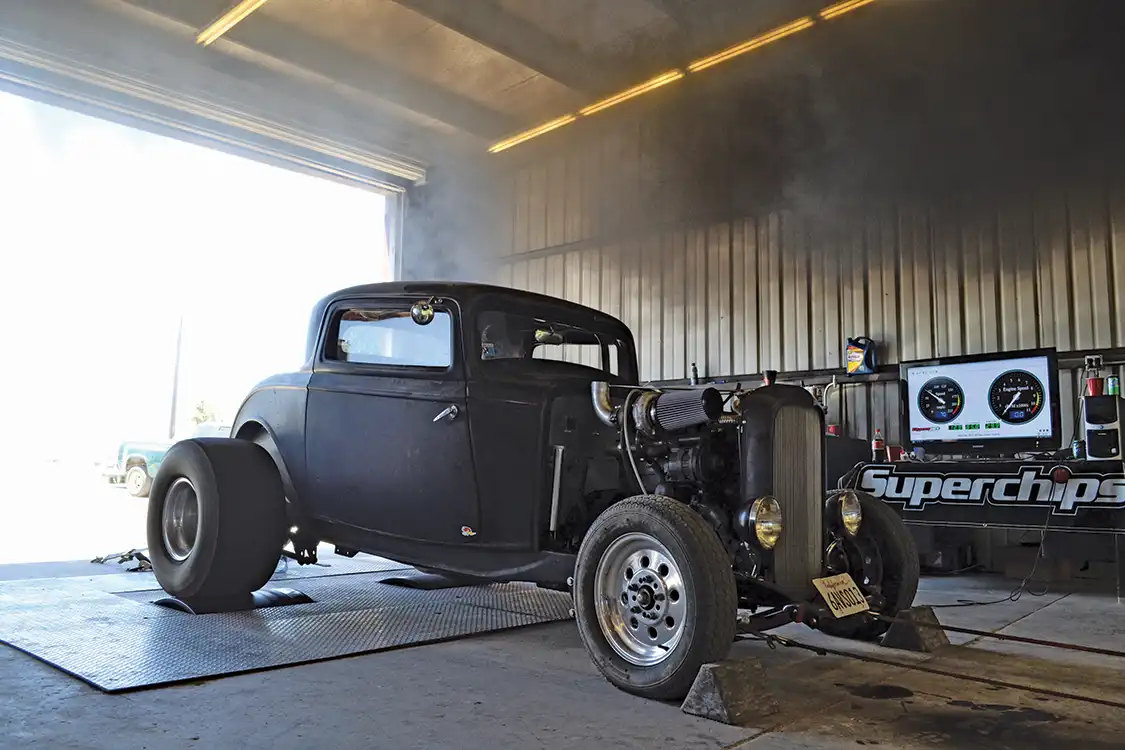
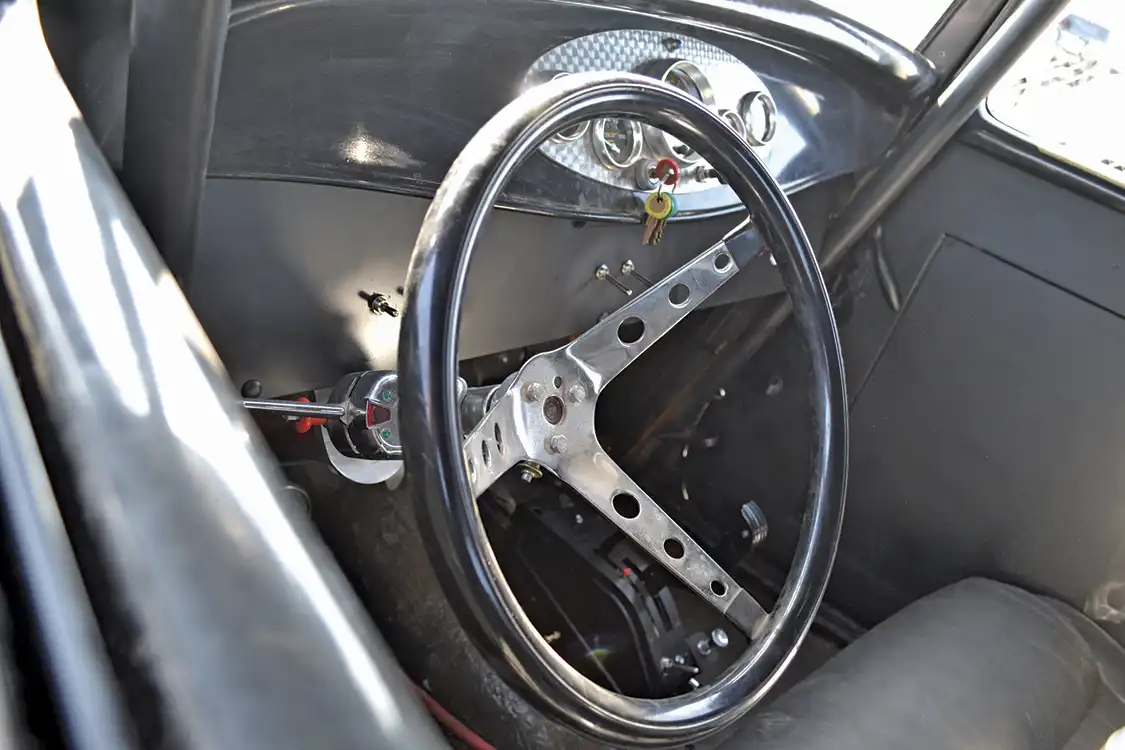
While 127 mph in the quarter is plenty impressive, more work is being done on getting the coupe’s 60-foot time down, and a wastegate will need to be added for any type of turbo longevity. Brown’s Diesel has plans that are even beyond that however: they hope to accomplish a complete rebuild of another engine for the Deuce, including its pistons, a camshaft, and a 13mm injection pump. Keep tuned in to Builder’s Guide, Part 3 of the build is just around the corner. UDBG

Cadillac
Add These 21 Hot New Products to Your Wish List From climate control systems and shaved door kits to transmission upgrades and big brake kits,… Continue reading
Chris Hamilton . June 04, 2025
Events
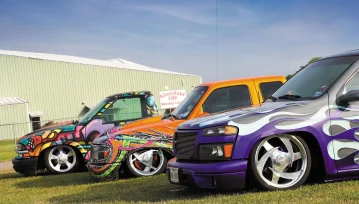
Something for Everyone! Several important factors must align to really put the stamp on a great car show. An impressive lineup of vehicles ranging from… Continue reading
DAMIEN DAVIS . June 22, 2023

All Feature Vehicles
Customized from End to End This ’66 Ford F-100 has a secret. It’s tucked beneath the hood, and it looks like something very familiar… But… Continue reading
Wendy Wilson . April 26, 2023

Events
A Serious Showcase of Sick Trucks Every year, the Mississippi Coast Coliseum and Convention Center in Biloxi transforms into a mecca for custom truck and… Continue reading
DAMIEN DAVIS . October 22, 2024
Buyer’s Guides
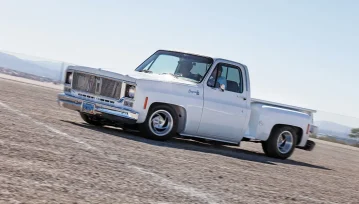
Crafting a Masterpiece Through Time’s Challenge In the sprawling expanse of the Nevada desert where time carves as much history as it does the rugged… Continue reading
C10BG Staff . August 01, 2024
F Series Builders Guide
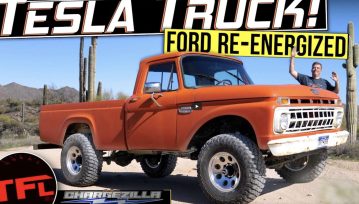
TFL‘s biggest project is now Live – Ep.1 of “Old to Bold: Chargezilla” series published today. Lots of people worked very hard on this superb… Continue reading
EV Team . October 30, 2022


Super Run 2026 Classic Car Show
Super Run 2026 Classic Car Show Casablanca Resort 950 West Mesquite Blvd Mesquite, NV 89027
Concours D'Elegance
Cobble Beach Resort 221 McLeese Dr, Kemble, ON N0H 1S0
Charity Car Show
Mesa Marketplace 10550 E. Baseline Rd, Mesa , Az 85209
CHICO CONCOURS Car Show
Silver Dollar Fairgrounds 2357 Fair Street, Chico, CA 95928
Goodguys 33rd Summit Racing Lone Star Nationals
Texas Motor Speedway 3545 Lone Star Circle
We use cookies to enhance your browsing experience, serve personalized ads or content, and analyze our traffic. By clicking "Accept All", you consent to our use of cookies. Visit our Cookie Policy for more info.



 Please wait...
Share Link