








 Motortopia Staff
.
February 13, 2026
.
Press Release
Motortopia Staff
.
February 13, 2026
.
Press Release
Recent discussions in China about banning hidden or retractable door handles on modern electric vehicles have reopened a broader conversation about safety, usability, and the unintended consequences of over-design.
While the debate focuses on contemporary EVs, it also shines a light on something classic car owners have known for decades: many of the features we now engineer away were never problems to begin with.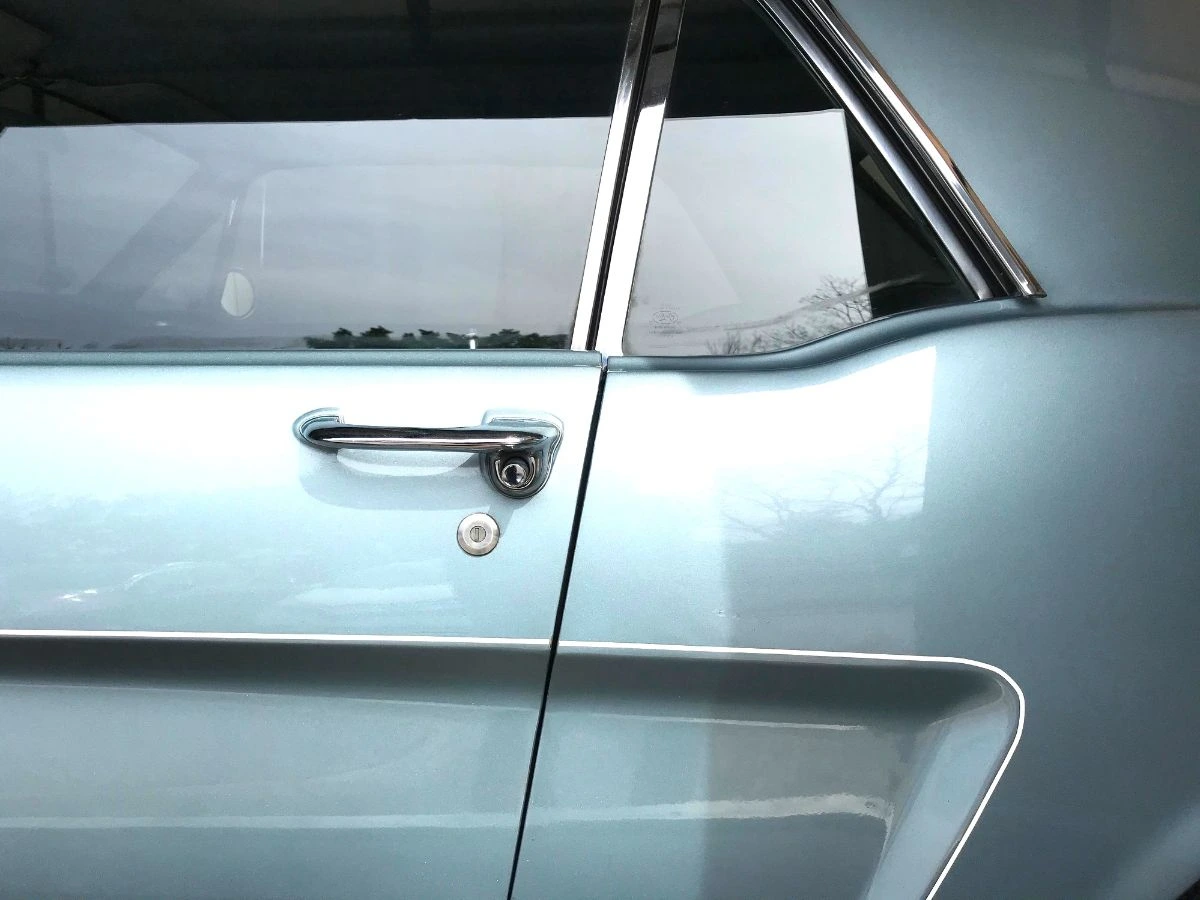
Classic cars were designed to be understood at a glance and used without explanation. Door handles are visible, mechanical, and intuitive. You don’t need to guess where to press, swipe, or wait for a motor to respond. In an emergency, anyone can open the door. That simplicity is not nostalgia—it’s functional common sense.
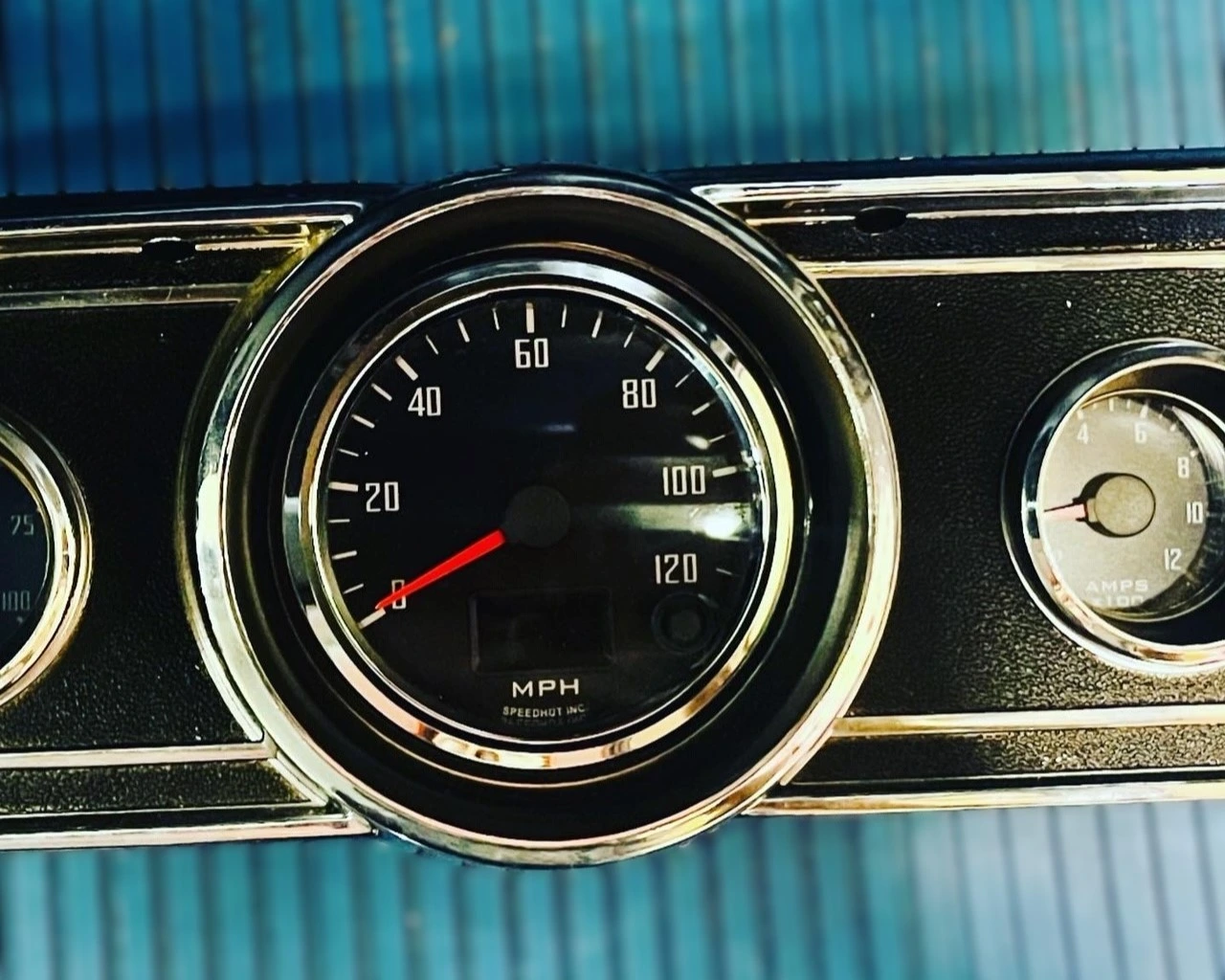
The same logic applies inside the cars. Analog gauges tell a story instantly. A needle moving across a dial gives you context, progression, and intuition in a way that numbers on a screen rarely do. When we convert classic cars to electric, owners almost always ask to keep their original gauges. Even when the drivetrain changes completely, the interface between driver and car remains familiar.
Leather interiors age, patina, and carry history. They don’t beep at you, flash warnings, or interrupt the drive. Quarter windows provide airflow without menus or modes. You feel the outside world rather than sealing it out behind layers of sensors. Real mirrors—inside and out—work whether the car is on, off, charging, or parked for months. They don’t lag, freeze, or fail because of a software update or a dirty camera lens.
Contrast that with many modern vehicles, where driving has become a conversation. The car talks, beeps, vibrates, nudges the steering, warns you about lanes, speed limits, following distance, and attention levels. Each system is well-intended, but together they create cognitive noise. The driver is no longer simply driving—they are managing alerts.
In classic EV conversions, this difference becomes especially clear. Owners are not asking for lane-keeping assist, adaptive cruise control, or rear-view cameras by default.
LCD screens are, in the vast majority of cases, actively avoided. Manual window cranks stay manual. The request is almost always the same: keep the car looking and feeling exactly as it does today—just make it reliable.
Reliability is the real upgrade. Electric powertrains remove many of the pain points that made classic ownership difficult: hard starts, tuning issues, overheating in traffic, oil leaks, and unpredictable maintenance. Owners are happy to upgrade air conditioning so it actually cools, and brakes and power steering so the car is easier to live with. These changes don’t alter the soul of the car; they all remove friction from using it.
The irony is that some of the features now being reconsidered in modern EVs—like the ban on visible door handles in China—were never missing from classic cars. They were simple because they had to be. And in many ways, that simplicity aged better than complexity ever could.

Press Release
Wilwood Disc Brakes Expands Ford F-150 Truck TX6R Front Big Brake Kit Fitment Camarillo, CA • September 2024 Wilwood has engineered brackets to expand their… Continue reading
Motortopia Staff . September 26, 2024
Press Release
Oracle Lighting (www.oraclelights.com), the market leader in creating high quality lighting products and innovative LED solutions for the automotive aftermarket, is proud to announce the… Continue reading
Nicole Hamilton . May 12, 2023
Press Release
According to Adroit Market Research, the size of the Forklift Trucks Market is expected to be worth US$ 104 Bn in 2031, growing at a… Continue reading
Motortopia Staff . April 16, 2024
Press Release
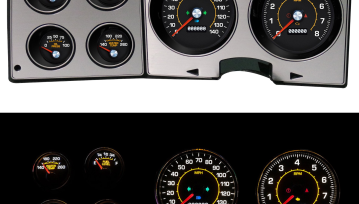
CFR RED $967.99 SKU: 73206-01 https://newvintageusallc.mybigcommerce.com/73-87-chevy-f-s-truck-cfr-red/ New Vintage USA complete gauge packages for 1973-1987 GM full size trucks are designed to install in the factory… Continue reading
Motortopia Staff . July 14, 2025

Press Release
Smeding Diesels Drop in turbo system that does away with the troublesome, failure prone factory VGT turbo. The kit allows the Smeding diesel S300 frame… Continue reading
Rhea Sharma . August 02, 2023
Press Release
Lonsdale, South Australia – November 4, 2025 – REDARC Electronics, the industry leader in mobile power management and towing, will showcase two major product launches… Continue reading
Motortopia Staff . November 04, 2025



Goodguys 25th Meguiar's Del Mar Nationals Presented By FiTech Fuel Injection
Del Mar Fairgrounds 2260 Jimmy Durante Blvd., Del Mar, CA 92014
Goodguys 11th Griot's Garage North Carolina Nationals Presented By Grundy Insurance
North Carolina State Fairgrounds 4285 Trinity Rd, Raleigh, NC 27607
Classic burgers 6th annual classic car show fundraiser
6525 Inyokern rd Inyokern, ca 93527
Classic Burgers 6th Annual Car Show Fundraiser
Inyokern, CA
Whatcom County Cruisers
Whatcom County Cruisers Summer Car Show Series (Spring Car Show) Les Schwab Tires. 1731 LaBounty Dr. Ferndale WA 98248 (first event)



 Please wait...
Share Link