








 Motortopia Staff
.
December 02, 2025
.
Industry Updates
Motortopia Staff
.
December 02, 2025
.
Industry Updates
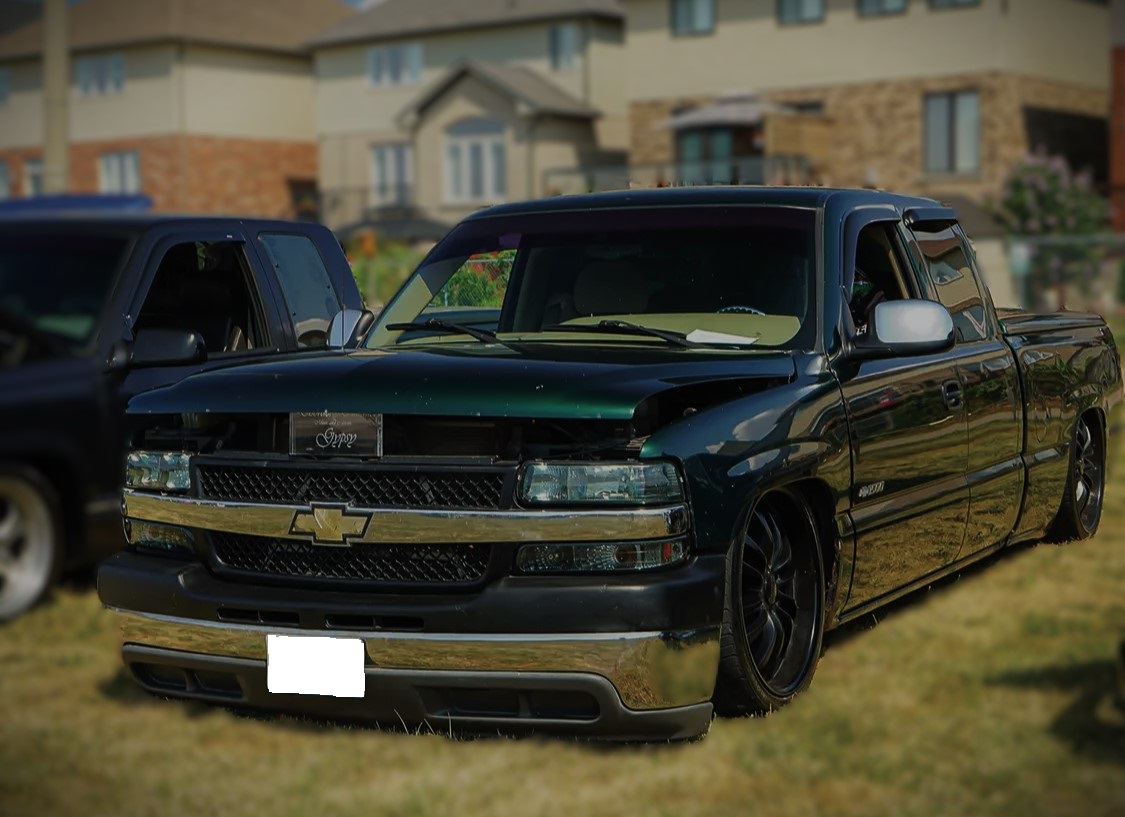
If you hang around car people long enough, you hear the same story again and again. Someone rushed a deal, ignored a few warning signs, and now their “dream build” is sitting in the driveway with a blown engine or hidden rust. The hunt for a project car is supposed to be part of the fun, but with so many online listings it can start to feel like work instead of passion.
The good news is that you can use online tools without losing the human part of the process. A marketplace like AutosToday gives you reach and data, while your own eyes, ears and experience keep the soul in the decision. When you mix both, you get a better chance of buying something worth wrenching on.
Before you open a single tab, decide what this car is for.
Daily driver with mild mods.
Weekend cruiser.
Track toy or autocross special.
Full tear down project that lives on jack stands for a year.
Be honest with yourself. Your plans decide almost everything that follows. If you want to drive it every day, you probably cannot afford six months of downtime and a full engine rebuild. If you want a dedicated track car, you might accept rough paint as long as the shell is straight and the cooling system is solid.
Write your must haves and nice to haves. Engine layout, drive type, body style, manual or automatic, budget ceiling, and how far you are willing to travel. That small bit of structure keeps you from chasing every cool listing that pops up in your feed.
Once you know what you are looking for, you can go wide. Online marketplaces are perfect for that first sweep. You can see how many cars of your target type are out there, what people are asking, and which specs seem common.
Instead of scrolling mindlessly, use filters for price, year, mileage and location. Pay attention to how prices cluster. If most cars sit between two numbers and one is way outside that zone, ask why. A very cheap car is not always a deal. Sometimes it is a warning.
Over a few days you will start to recognize “normal” prices and “normal” condition for your chosen model. That alone gives you a big edge over buyers who jump at the first listing that looks clean in photos.
When a car catches your eye, slow down and read it like a detective.
Look at the photos first. Do you see full exterior shots, close ups of common rust spots, interior details, engine bay and underbody. Or only three moody angles from ten feet away. Good sellers show you the car. Bad ones hide behind low light and filters.
Then read the description. Real owners usually talk about specific work they have done. Clutch replaced last year. Coilovers installed and aligned. Timing belt and water pump done at a certain mileage. Vague phrases, copied dealer language, and no dates are not instant deal breakers, but they should make you ask more questions.
If you are shopping used, it can help to park yourself in a dedicated section like the used car listings on AutosToday. There you can narrow down to body type, price range and age, then compare how different sellers present similar cars. The differences will jump out much faster when you see them side by side.
A lot of buyers forget that there is a human on the other side of a listing. Your first message sets the tone. If you fire off “Best price?” with no context, do not be surprised if the reply is cold or missing.
Introduce yourself briefly. Say what attracted you to the car and ask three or four clear questions. For example:
Has the car ever been in an accident.
How long have you owned it.
Any major work done on the engine, transmission or suspension.
Are there issues that will need attention soon.
The goal is not to interrogate them. You just want to see if their story is consistent and if they seem like someone who cared about the car. Enthusiast owners love talking about their build history. That is usually a good sign.
Photos and messages are helpful, but the real decision happens when you see the car in person.
Try to start the engine cold. Warm starts hide a lot of sins. Listen for knocks, rattles or long cranking. Watch the exhaust on startup. During the drive, feel how the car pulls, shifts, brakes and turns. Let go of the steering wheel briefly on a straight road to see if it tracks straight.
Back in the lot, look under the car. Fresh undercoating, wet spots, mismatched panels and uneven tire wear all mean something. None of these things have to kill the deal, but they should affect what you pay and what you plan to fix.
If the car is rare, expensive or very modified, consider paying a trusted shop for a pre purchase inspection. It is not exciting money to spend, but it can save you from a build that eats your entire budget in the first few months.
When you are serious about a car, you will know. Now you need to balance respect for the seller with respect for your own limits.
Use your research. You already know what similar cars are listed for and what kind of work this one needs. Decide on a number that makes sense for you and explain how you reached it. If the seller says no and will not move, thank them and leave it there. The worst thing you can do is chase a car beyond what it is worth to you, then resent it later.
The hunt can take time. That is part of the fun. Browsing big marketplaces, comparing setups, messaging owners, and then finally seeing a car in the metal will teach you as much about the scene as about the car itself.
If you stay patient, use online tools in a smart way, and trust your senses when you stand next to the car, you give yourself the best chance of ending up with the right project. Not just something that looks good in a thumbnail, but a machine you actually enjoy owning, wrenching on, and driving for years.
Industry Updates
Drive catches up with the prolific artist, Trosley. We ask a few questions, learn a few things, and find out what it’s like behind the… Continue reading
MICHAEL ECKERSON . March 29, 2023

News
Car tracking without the owner’s knowledge is technically possible using various modern technologies. The following paragraphs explain how it is done, the legal risks, and… Continue reading
Motortopia Staff . September 29, 2025
Industry Updates
As urban areas continue to expand and mobility demands grow at a pace that often exceeds the capacity of traditional transport planning, cities are being… Continue reading
Motortopia Staff . November 28, 2025
EV Education
Key insights from the data dive: Total Electric Vehicle (EV) Owners: 2,442,300. EV Owners per 1,000 People: Approximately 7 (7.18). From 2016 to 2022, there… Continue reading
Chris Hamilton . November 16, 2023
Feature Stories
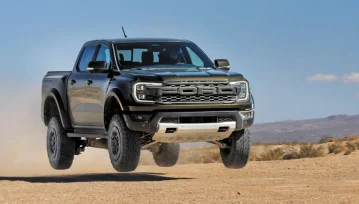
2024 Toyota Tacoma: Ultimate Adventure Machine After nearly two decades as the champion of the mid-size pickup truck market, the Toyota Tacoma is ready for its… Continue reading
Mike Self . June 26, 2023
News
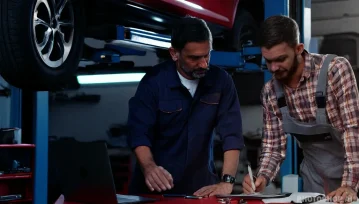
Running an auto repair shop today isn’t just about wrenches, lifts, and skilled hands. It’s about keeping up with customers who expect speed, accuracy, and… Continue reading
Motortopia Staff . October 01, 2025

Lone Star Throwdown
Montgomery County Fairgrounds Conroe, Texas
Local Studebaker Drivers Club Chapter Hosting The Annual Movie Nite
Mountain Mike\'s Pizza 301 E. Hamilton Ave., Campbell, CA
NTEA Work Truck Week
Indianapolis, IN
C10’s in the Swamp
Florida classic park, Brooksville FL
Terminal Takeover 2026
21 airport rd Ext, Greenville, SC


 Please wait...
Share Link