









 Jeff Burk
.
October 09, 2026
.
Drag Racer
Jeff Burk
.
October 09, 2026
.
Drag Racer
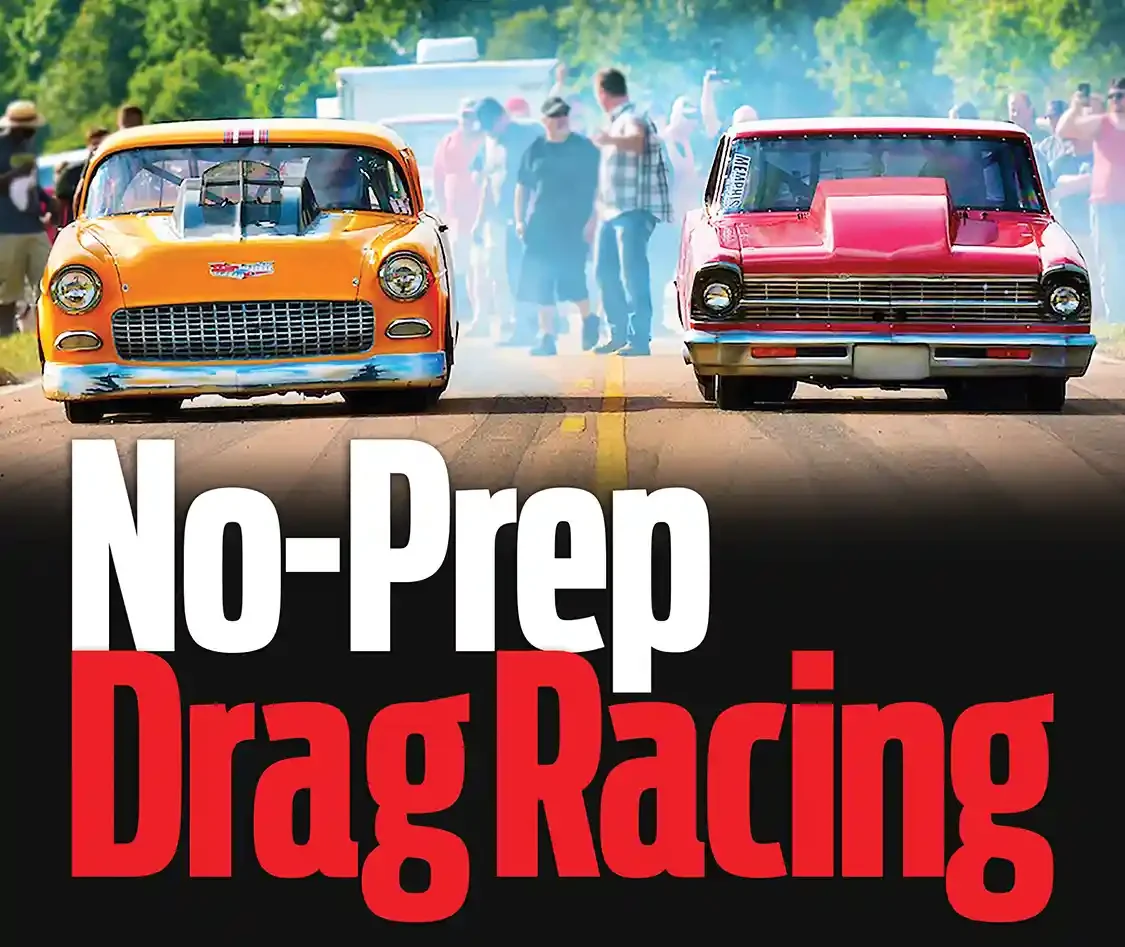
The No-Prep/Outlaw Street/no rules doorslammer movement is growing in popularity with mainstream drag racing fans, track operators and owners, speed equipment manufacturers and some pretty famous professional car owners and drivers. The media buzz surrounding No-Prep cars and racing is similar to what happened when the Pro Mod movement was starting in the mid-’80s. Drag Racer decided it was time we took a look at this new class and the impact it’s having on the world of fast doorslammer racing.
No-Prep Outlaw drag racing has been popular in the South and Midwest for a couple of decades. There are probably as many or more non-sanctioned Outlaw drag strips in those areas as there are NHRA- and IHRA-sanctioned tracks. Those non-sanctioned tracks are where the no-rules, no-prep movement was born and nurtured.
Track owners like No-Prep racing because: they don’t have to spend any money on prep time and traction compound; they are, for the most part, not responsible for putting up a purse (in most cases the racers make up the purse themselves); and its heads-up racing …
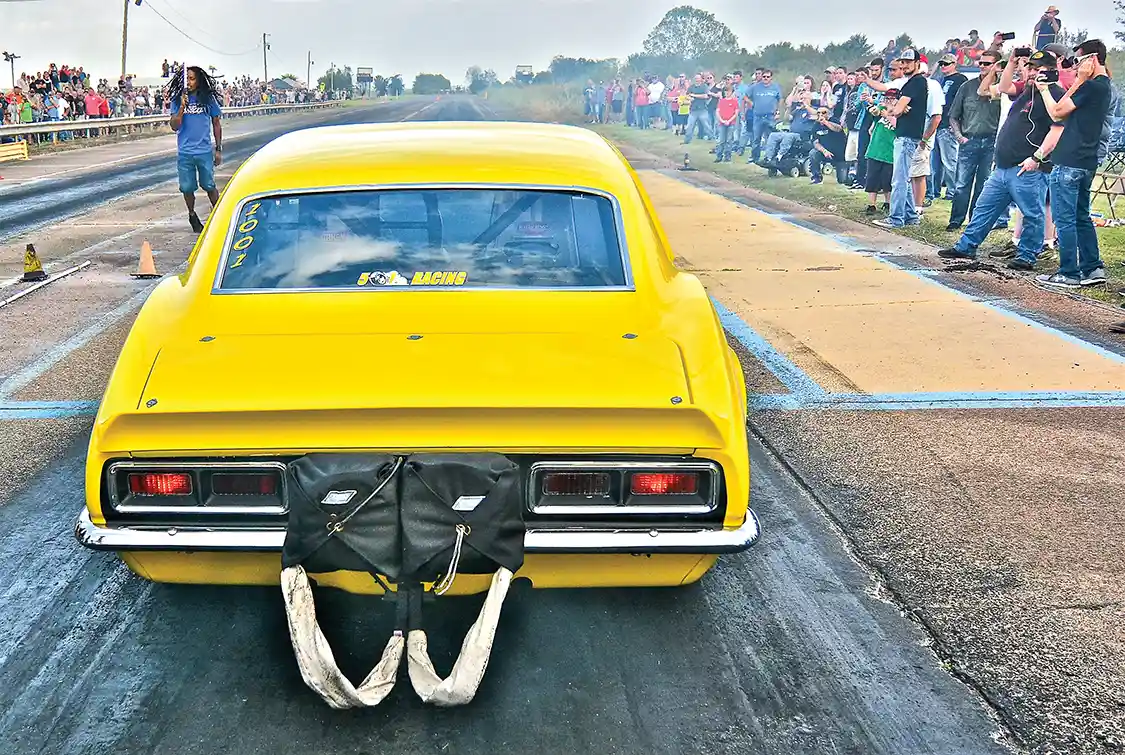
The reason is obvious: A majority of the racers in those regions love and race doorslammers and are hooked on drag racing, just not the regulated brand that the NHRA and IHRA offer, so they find other places to race, and sometimes, unfortunately, that’s on a city street.
In order to keep their racers and customers, some tracks have either dropped their NHRA/IHRA sanctions or kept them and simply don’t strictly enforce the sanctioning bodies’ rules. For many of those tracks, No-Prep racing or Outlaw classes is the answer to their and their racers’ problems. Both the racers and track operators have made the decision to get back to the core of the sport of drag racing where racers have to deal with track conditions as they are, and, more importantly, no matter how they get there, the first car to the finish line wins.
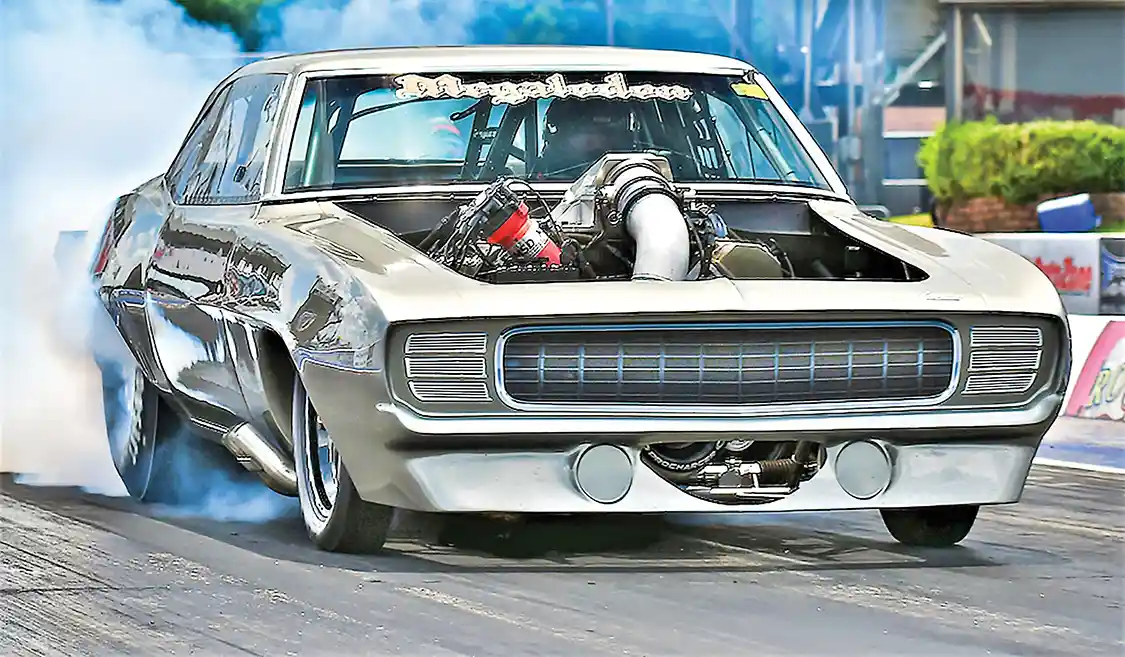
Outlaw classes today really aren’t outlaw at all. Many of these classes are so named simply because the major sanctioning bodies don’t have an identical class. Actually, most so-called Outlaw classes have as many rules and restrictions as any NHRA or IHRA class of race cars.
Outlaw racing has been very successful in its own right, with promoters, including Donald Long, taking Outlaw racing mainstream with two highly successful and well-attended Outlaw races at South Georgia Motorsports Park every year. The PDRA is the sanctioning body that welcomes those racers.
The other major difference between Outlaw racing and No Prep is track prep. Outlaw races and racers require as near a perfect traction surface as humanly possible. It’s not unheard of for an Outlaw race promoter to spend $10,000 for track prep. The results: Outlaw-style Pro Mods have gone as quick as 3.48 and as fast as 230-plus mph in an 1/8 mile.
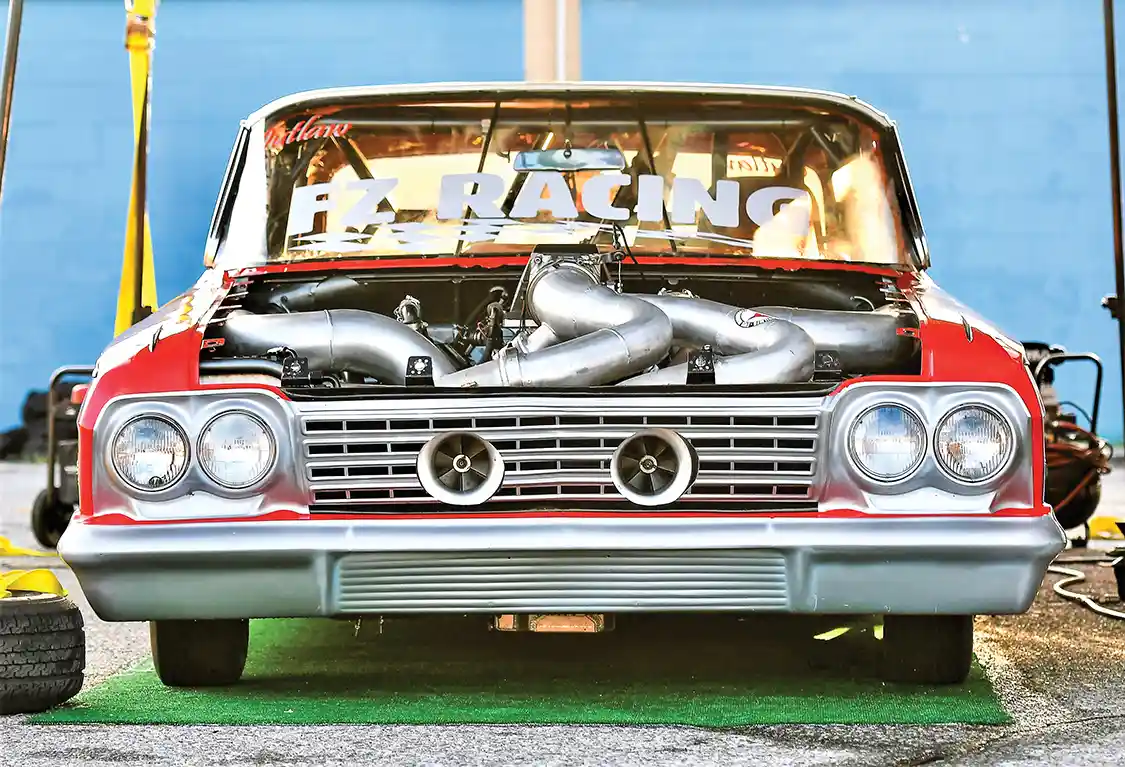
June 10, 2013, that’s the date the “Street Outlaws” reality TV show debuted and is also arguably the day No-Prep racing went mainstream. The initial premise of the TV show featured a bunch of street racers from Oklahoma City who shunned organized drag racing decided to form an organization of street racers with rules. Pretty organized for “outlaws.”
The “Street Outlaws” show has been a ratings and commercial success since the first broadcast. How popular, you ask? According to the Nielsen ratings, “Street Outlaws” usually has a rating between 1.6 and 2 points, which is higher than traditional race coverage.
The popularity of “Street Outlaws” and now the Street Outlaw No-Prep series made media stars of the racers and cars featured on those shows. This led some track operators to add an Outlaw or No-Prep race to their schedule and book those stars to ensure a successful event. Unfortunately, to a certain extent, by doing so, they’ve legitimized street racing. In the past five years, the racer stars of the “Street Outlaws” TV show have been invited to race at NHRA national event tracks, including Topeka, Chicago, Bristol and even the U.S. Nationals. Perhaps bringing them into the fold will help mitigate the more unsavory outlaw tendencies these shows possibly breed.
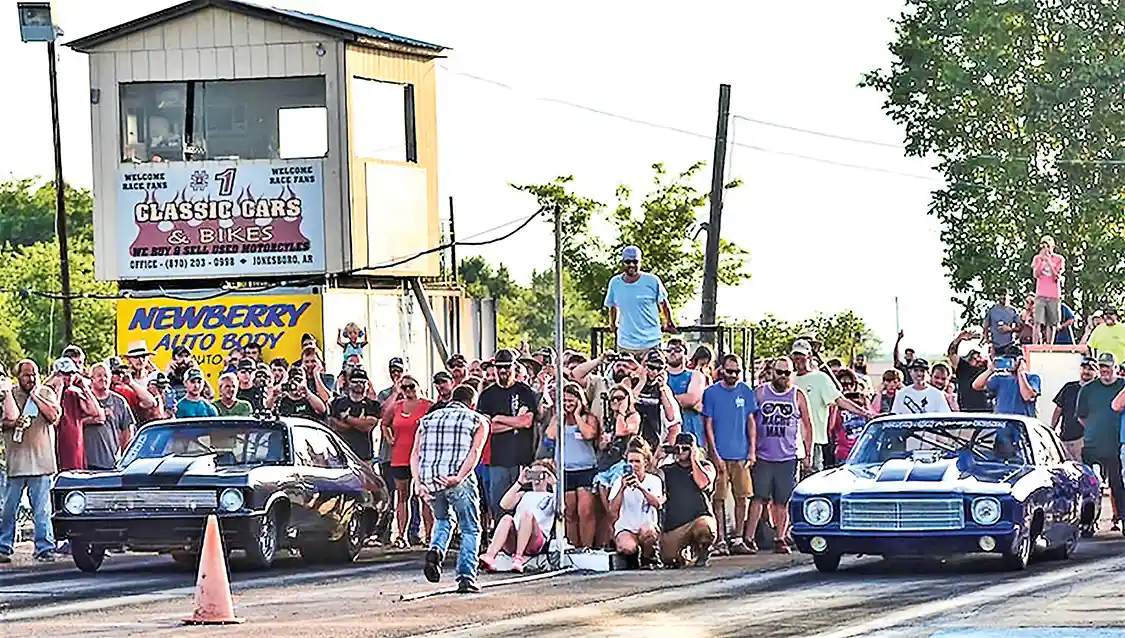
Not all track operators like these events. We’ll get to the reason why later, but there are many who do. Track owners like No-Prep racing because: they don’t have to spend any money on prep time and traction compound; they are, for the most part, not responsible for putting up a purse (in most cases the racers make up the purse themselves); and its heads-up racing, unlike bracket racing, and delivers a decent ticket-buying crowd, especially if a No-Prep race hires two or more of the “Street Outlaws” TV show racers. One problem several promoters alluded to regarding No-Prep races was that there were too many oil-downs.
There are some famous names racing No Prep these days, including Pro Mod star Stevie “Fast” Jackson and street-legal racing hero and race car builder Larry Larson, but so far these are the biggest mainstream racers in this arena.
Prize money for these races is often generated by the contestants themselves in entry fees. There have been No-Prep races recently where the winner took home $40,000-50,000. There is also considerable money won and lost during “qualifying” when racers are allowed to call out another team, and cash often changes hands after the race. Make no mistake, the No-Prep racers see those impromptu races as part of the appeal.
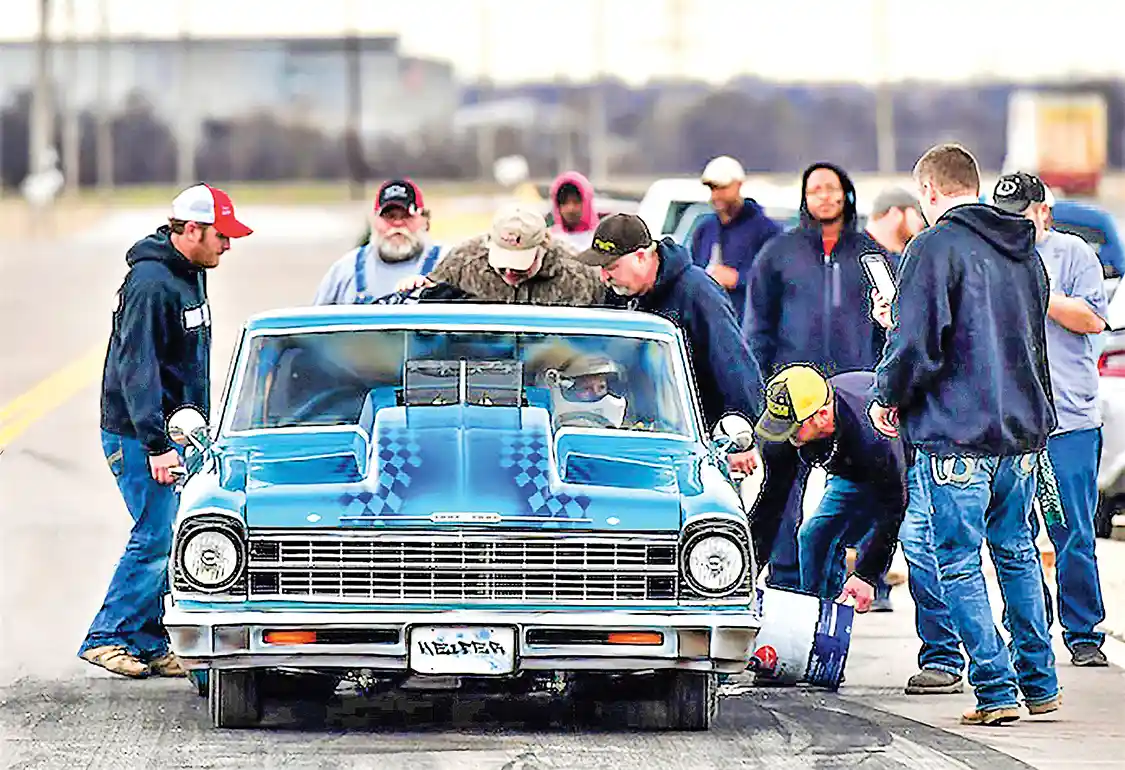
As for No-Prep racing itself, what more can a racer ask for than no rules, no red lights, no qualifying, heads-up racing where the first car to the finish line wins regardless. Another plus for the racer is No-Prep racing doesn’t always favor the racer with the biggest budget. A No-Prep track by design is supposed to be slick and nearly impossible to hook up on, therefore, high horsepower and mega-torque handicap a racer at these events more than they help. As for spectating, what drag racing fan wouldn’t want to watch racing where no one, including the drivers and tuners, can predict what a car is going do on any given lap. That was what early Pro Mods were known for and what made them so entertaining to watch; it’s also the main spectator attraction today’s No-Prep/Outlaw races offer.
Since the “Street Outlaws” TV show was an instant ratings success, the sport’s premier drag strip promoters and sanctioning bodies have been trying to determine if they can convert the popularity of No-Prep-racing TV shows into bringing more ticket-buying fans and racers to their venues. To date, a few premier NHRA- and IHRA-sanctioned drag strips have either hosted or put on a No-Prep race with mixed success.
Drag Racer reached out to some well-known track operators and businessmen, including Steve Earwood (Rockingham Dragway) Scott Gardner (former IHRA president and Cordova Dragway) Carl Blanton (Mo-Kan Dragway) and others for their views on No-Prep racing.
Many of the industry insiders DR talked to weren’t bullish on the future of No-Prep racing. They often brought up the “Pinks” TV drag racing show. “We had big crowds for the ‘Pinks’ races, but our surveys indicate only about two percent of the ‘Pinks’ fans at Rockingham ever returned to see another drag race,” said Steve Earwood.
Carl Blanton at Mo-Kan Dragway said the No-Prep race he held was successful but not a home run, and he wasn’t anxious to have another soon, although he didn’t completely rule out having another No-Prep event. He cited the amount of work it required to de-prep the track and the number of hours it took to finish the event as problems. He was also among the promoters we spoke with who worried that their regular spectators might be put off by the way the No-Prep races were run, especially the downtime with no cars on the track between rounds of qualifying and eliminations.
Most of the track owners and operators interviewed weren’t interested in promoting and staging their own No-Prep or Outlaw event but stressed that their tracks could be rented for such events.
No-Prep racing is drag racing’s version of cage fighting at the VFW on Saturday night, and that’s all it wants to be. No Prep is a viable show for smaller market and no-sanction Outlaw tracks. Unfortunately, it spills out onto public roads. It is the actual (not scripted for TV) racing on city streets and country roads where there is going to be a serious incident, and that concerns everyone. It’s just a matter of when, not if, there will be an accident involving fatalities.
There is another issue facing No Prep: big money races. The attraction of No-Prep races for fans and especially the TV shows that feature No Prep is the cars are usually out of control because the tuners haven’t yet learned how to get down an unprepped track. So, smoking the tires for an 1/8 mile and drifting sideways is the norm. Purses of $40-50,000 to win will eventually attract racers who, with that kind of money at stake, will figure out how to get to the finish line every lap without all of the crowd-drawing theatrics. When that happens (and it will) No-Prep racing won’t be very entertaining,
will it?


The Sparks Show
Sevierville, TN
Dino's Git-Down
State Farm Stadium, Glendale, AZ
Dino's Git-Down
State Farm Stadium
Goodguys 36th Autumn Get-Together
Alameda County Fairgrounds 4501 Pleasanton Avenue, Pleasanton, CA 94566
Goodguys 29th Speedway Motors Southwest Nationals
WestWorld of Scottsdale 16601 North Pima Road, Scottsdale, AZ 85260
We use cookies to enhance your browsing experience, serve personalized ads or content, and analyze our traffic. By clicking "Accept All", you consent to our use of cookies. Visit our Cookie Policy for more info.


 Please wait...
Share Link