








 Motortopia Staff
.
December 15, 2025
.
News
Motortopia Staff
.
December 15, 2025
.
News
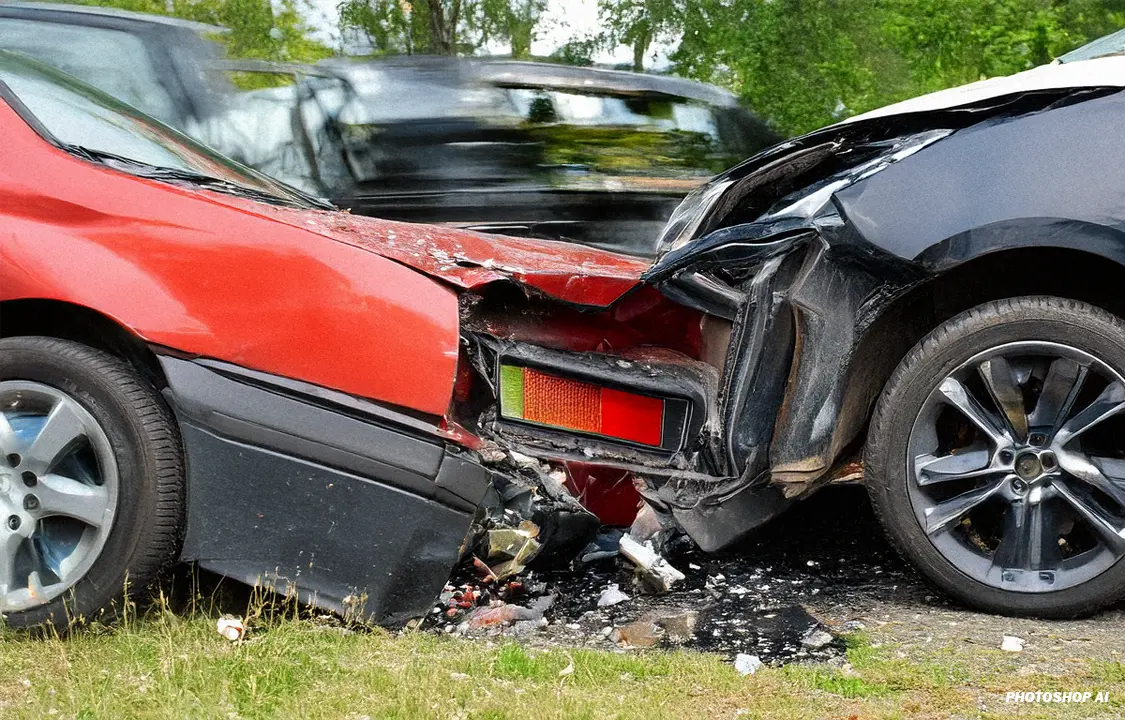
Metal crunches, the scenery tilts, and for a moment, the road feels unfamiliar. Even a small collision can jar your senses and scatter your thoughts. Drivers often fixate on visible damage, but the events that follow often shape the real outcome. Sirens, passing traffic, and adrenaline can make it hard to think clearly. A little structure helps steady the moment.
A crash interrupts more than a drive. It interrupts your rhythm. Once the initial shock begins to fade, questions rise fast. Who is hurt? What should be documented? How do you protect yourself from future headaches? A practical playbook brings order back into view and gives you a clearer path through the noise.
Start with yourself and anyone around you. Look for signs of pain, confusion, or limited movement. Call emergency services if anything seems off. Injuries sometimes hide behind adrenaline, and early medical attention builds an important record for later.
If the vehicles can move, pull to the side to reduce the risk of a second impact. Switch on hazard lights, place triangles if you carry them, and give other drivers a clear sense of where the crash occurred. Once everyone is out of immediate danger, the moment becomes easier to handle.
This is also when some drivers reach out to experienced attorneys for accident recovery. A short conversation can help you understand what information matters and how to avoid small mistakes that turn into larger problems later in the claim.
Use your phone while the details are still fresh. Photograph each vehicle from several angles. Take wide shots that show the scene and close shots of damage, skid marks, debris, and anything unusual on the pavement. These early images can carry more weight than memory once insurance questions begin.
Exchange contact and insurance information with the other driver. If anyone saw the collision, ask for their name and number before they walk away. People often assume witnesses will volunteer the details, but most leave quickly.
Make short notes about weather, light, and traffic conditions. Record anything you noticed about the other driver, such as hesitation or distraction. These small fragments help you understand the moment more clearly later, when the chaos has worn off, and details begin to blur.
Once you’ve steadied the situation, shift your attention to the car itself. Take another slow lap around it and shoot a fresh set of photos in calmer light. Include close-ups of damage and wide shots that show how everything lines up. Step inside and photograph the cabin, especially if airbags deployed, seats shifted, or trim popped loose. Those details tell the story of how hard the vehicle was hit and help settle arguments later about how serious the crash really was.
Then get an early estimate from a repair shop you trust. What looks like a simple crease in a fender can hide twisted brackets, stressed suspension parts, or frame movement that only shows up once the car is on a lift. A solid written estimate gives you a clear reference point when you compare it to the insurer’s number.
Safety organizations repeat the same message: careful documentation strengthens both your recovery and your claim. The transportation safety guidance from the CDC supports the idea that photos, written notes, and early medical follow-ups provide a more complete picture of what actually happened.
High-value, classic, and custom-built vehicles deserve even more attention. Specialty labor and parts availability can increase repair time and cost. Solid documentation helps protect the money and effort you invested in the car.
Once the claim process starts, adjusters move quickly. Keep your conversations centered on the basics: where the crash occurred, who was involved, and whether anyone was hurt. Set aside anything uncertain until you have reviewed your notes and photos.
Avoid guessing about speed, distance, or the order of events. Insurers sometimes treat casual speculation as fact. Your real strength comes from the information you recorded at the scene, not from trying to reconstruct the incident in the moment.
Keep a record of claim numbers, phone calls, and emails. Small gaps in communication can slow everything down. A simple log helps you track what has already been handled and what still needs attention.
Some crashes settle quickly. Others become a long stretch of stalled calls, shifting explanations, or unexpected repair costs. If injuries are involved or the damage affects your vehicle’s long-term value, legal support can provide clarity.
Attorneys who handle accident recovery focus on issues that often get overlooked. They watch for signs of undervalued repairs, pressure to accept early offers, and gaps between what the insurer promises and what they deliver. A short consultation can help you understand where you stand and what your claim might include.
Legal help is not about turning every crash into a courtroom fight. It is about balancing a conversation in which one side handles claims every day and the other is trying to get through the week after a stressful event.
Recovery slows down after the first wave of urgency, but the choices you make here matter. Start by checking in with a doctor or chiropractor. Pain, stiffness, and headaches often show up later, and early documentation ties those symptoms to the crash.
On the repair side, save each estimate, supplement, and invoice. If the shop uncovers hidden damage, ask them to record it clearly. These details help during future sales and protect you if the insurer questions repair costs.
Track your claim with a simple system. A note on your phone works fine. If you want a sense of how long the legal process of a car accident can realistically take, reviewing common timelines can help you understand whether your claim is on track or drifting into unnecessary delays.
Staying organized prevents frustration. It keeps you from repeating the same explanations whenever someone asks for another document or a recap of the moment.
No one expects the sudden stop, the sharp sound of metal, or the days of inconvenience that follow. A crash breaks the rhythm of your life, yet the steps you take afterward shape how long that disruption lasts. Checking on safety, documenting the scene, respecting your health, and approaching insurers with a clear plan all work together to protect what matters.
You do not need perfection. You just need a steady approach. With a practical playbook in mind, you give yourself a stronger chance at recovering fairly, repairing your vehicle properly, and returning to the road without carrying unnecessary stress from a single bad moment.
From: https://www.motortopia.com/why-you-should-hire-a-car-accident-lawyer/ to this article with anchor “a step-by-step playbook for protecting yourself after a crash”

News
A car isn’t just metal, glass, and gears. It’s memories, movement, and money. But when the engine coughs or the brakes screech, those dreams begin… Continue reading
Motortopia Staff . July 17, 2025

News
Image source: trinityrental.com Dubai is a real center of luxury cars. Here you can often find exotic vehicles that attract attention from the first minutes.… Continue reading
Motortopia Staff . June 23, 2025
Events
Pack the Cooler, Air Up the Bags, and Point Your Hood Toward Biloxi! Scrapin’ The Coast 2025 rolled into the Mississippi Gulf Coast Coliseum in… Continue reading
DAMIEN DAVIS . November 17, 2025
News
Running an auto repair shop today isn’t just about wrenches, lifts, and skilled hands. It’s about keeping up with customers who expect speed, accuracy, and… Continue reading
Motortopia Staff . October 01, 2025
New Products
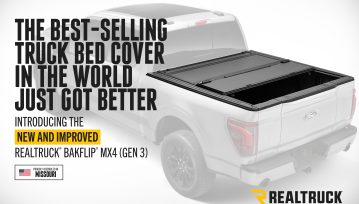
RealTruck just raised the bar again. Their best-selling truck bed cover, the BAKFlip MX4, has officially leveled up with the launch of the Gen 3… Continue reading
Chris Hamilton . August 01, 2025

News
Providence is a vibrant and tightly connected city, where the roads are often as busy as the communities that surround them. With dense traffic patterns… Continue reading
Motortopia Staff . October 13, 2025



Terminal Takeover 2026
21 airport rd Ext, Greenville, SC
Altered Metal 2026
Rayne, LA
Orange Beach Invasion 2026
The Wharf Orange Beach, Alabama
Southern Tradition Car/Truck Show 2026
Etowah River Park Canton, GA
Local Studebaker Drivers Club Chapter Private Tour Of John Muir House
John Muir House 4202 Alhambra Ave., Martinez, CA


 Please wait...
Share Link