








 Motortopia Staff
.
November 28, 2025
.
Industry Updates
Motortopia Staff
.
November 28, 2025
.
Industry Updates

The used truck market has moved far beyond guesswork. Fleet operators look for reliable, inspected vehicles that can perform for years, without the high costs of brand-new models. That is where verified used trucks make sense.
Used truck dealers who prioritize transparency give buyers real confidence. Every truck is carefully inspected by qualified staff, and customers are welcome to review the findings or look over the vehicle onsite. For many fleet managers, this level of clarity is more valuable than a certificate, it reduces risk, and helps protect long-term operating costs.
Not all preowned commercial vehicles are equal. Some are simply cleaned and resold, while others go through systematic mechanical and visual reconditioning. Knowing the difference can save buyers large future repair bills.
A standard used truck may carry unknown wear in its transmission, axles, or electrical systems. Reconditioned units are inspected by certified technicians and restored according to manufacturer procedures. They are often fitted with new brake components, fresh fluids, and recalibrated safety systems. The industry is shifting toward clearer documentation and traceability. Dealers that publish full records build trust and win repeat business.
Before finalizing any deal, take time to look beyond paintwork. A truck that appears spotless on the outside may still hide years of uneven use. A short, structured inspection can reveal most potential problems or confirm that you have found a solid investment.
Start with the essentials, meaning engine, gearbox, and brakes. A reputable seller should allow you to check the engine cold, observe oil colour, and listen for irregular noises. Watch for uneven tire wear, rust on the chassis, and signs of fresh paint that could point to accident repairs.
Electrical systems deserve equal attention. Test lights, sensors, and dashboard indicators. If the vehicle has telematics, check whether software and hardware versions are still supported. Small electronic issues often decide whether your truck spends time on the road or in the workshop.
A practical inspection checklist should include:
Paperwork tells the story. Always verify the VIN, service book, and emission certificates. Look for consistent maintenance intervals and official workshop stamps. If gaps appear in the records, ask for explanations. Mileage discrepancies remain a risk in the used truck market. Cross check odometer data with inspection reports and telematics logs. Many dealerships now use digital platforms to record and share these details.
The digital shift in logistics has reached preowned vehicles. Buyers can browse, compare, and even reserve trucks without visiting a yard. Transparency and speed now influence purchasing decisions. Dealerships often keep online databases where each commercial vehicle is listed with detailed specifications, high resolution photos, and maintenance histories. This saves time and lets fleet managers compare models side by side. Financing options and delivery logistics can often be arranged quickly.
Predictive insights also matter. Dealers analyze data to anticipate demand, such as when a certain type of tractor unit or tipper will be in short supply. Buyers who follow these trends can time purchases better.
Buyers look for sellers who balance price with very good vehicle condition. A good example of this can be found at Engeros Otepää, which focuses on choosing trucks with strong mechanical histories and thoroughly checking critical systems before offering them for sale. This method provides fleet managers with an affordable yet reliable option compared to brand-new vehicles.
As a customer remember to check the mechanical side carefully, verify documents, and ask every necessary question. As the sector modernizes, access to information will keep growing. Digital inventories, inspections, and transparent export support make it possible to purchase confidently across borders within the region.

Industry Updates
Selling a second-hand motorbike can be challenging due to various elements. The need to accurately evaluate market value, a limited prospective buyer pool, and price… Continue reading
Motortopia Staff . February 07, 2025

News
Metal crunches, the scenery tilts, and for a moment, the road feels unfamiliar. Even a small collision can jar your senses and scatter your thoughts.… Continue reading
Motortopia Staff . December 15, 2025

Industry Updates
Although the Lexus brand was created only 36 years ago, it quickly became one of the market leaders. The company specializes in luxury cars, which… Continue reading
Motortopia Staff . January 30, 2025

News
In recent years, we’ve seen a big rise in big vehicles. Ask anybody over 30 to tell you how automobiles have changed in their lifetime,… Continue reading
Motortopia Staff . July 25, 2025

Feature Stories
30 Years in the Scene As custom truck enthusiasts, we have all either been in a car club at some point or know people who… Continue reading
BRANDON BURRELL . July 06, 2023
Events
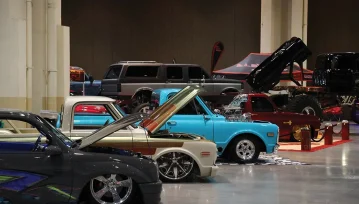
Pack the Cooler, Air Up the Bags, and Point Your Hood Toward Biloxi! Scrapin’ The Coast 2025 rolled into the Mississippi Gulf Coast Coliseum in… Continue reading
DAMIEN DAVIS . November 17, 2025


C10’s in the Swamp
Florida classic park, Brooksville FL
Goodguys 16th FiTech Fuel Injection Spring Nationals
WestWorld of Scottsdale 16601 North Pima Road, Scottsdale, AZ 85260
Terminal Takeover 2026
21 airport rd Ext, Greenville, SC
Altered Metal 2026
Rayne, LA
Orange Beach Invasion 2026
The Wharf Orange Beach, Alabama



 Please wait...
Share Link