










 Rod Short Rod
.
May 07, 2026
.
Chevrolet
Rod Short Rod
.
May 07, 2026
.
Chevrolet
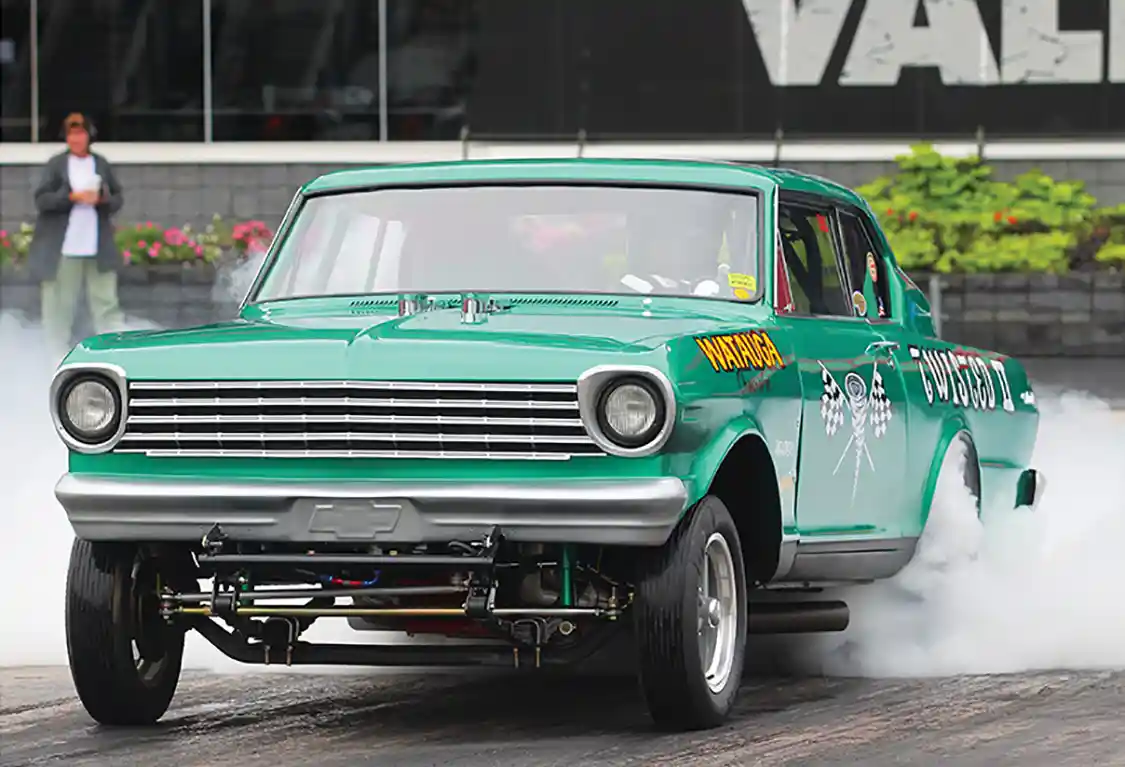
In the eyes of some observers, Kelvin Cannon’s Chevy II fastback is an odd duck. Most shake their heads wondering why someone would do that to a classic Chevy II. A handful of others look upon it with recognition in their eyes and a wide smile. That’s because these radical fastbacks were among the very first Chevy outlaws.
The story behind these rare cars begins with Bill Thomas Race Cars (BTRC), formerly of Anaheim, California. BTRC made a name for itself working with several L.A.-area Chevy dealerships on high performance projects. In 1962, Bill Thomas made news with a 409-powered ’61 Impala that Dan Gurney road raced with success in England. He would later be among the first to do a small-block V-8 swap into the ’62 Chevy II and later race the same car—known as Bad Bascom after a Western movie—in SCCA road racing where it was quickly banned. Not much later, he developed the Chevy-powered Cheetah race car, which is still highly coveted by road racers today. In later years, he would count Dick “Mr. Chevrolet” Harrell among his customers as well.
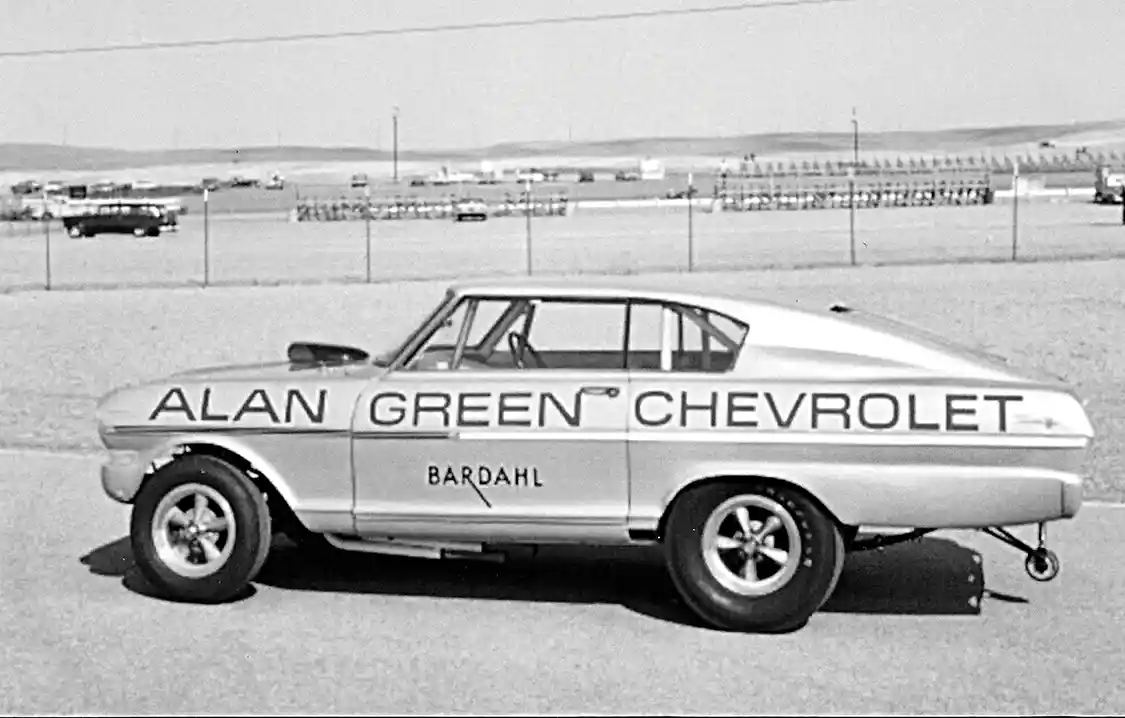
Having gained Chevrolet’s attention, BTRC received a handful of ’63 model Chevy II convertibles that got fiberglass doors, fenders, hood and bumpers. However, it was the new fastback roofline extending over the rear trunk lid that radically transformed the look of the car. Intended for use in road racing, the project was stillborn when the SCCA didn’t approve these cars. GM then suddenly dropped all support to abide by the AMA racing ban in 1963. Outlawed and orphaned, it appeared that these 4-5 vehicles were destined to be crushed until Thomas convinced Chevrolet to allow him to sell them and recoup the money he was owed. In an attempt to capitalize on this, it appears BTRC took orders for building these unique vehicles for public consumption, but apparently only four left his shop.
Even so, sightings of these fastbacks are well documented and can be seen on the Internet. Too radical to be legal for NHRA’s A/Factory Experimental class, they were among the very first Chevys to run an altered wheelbase configuration in 1965. They competed against the match race AWB Mopars that were getting bookings all across the land.
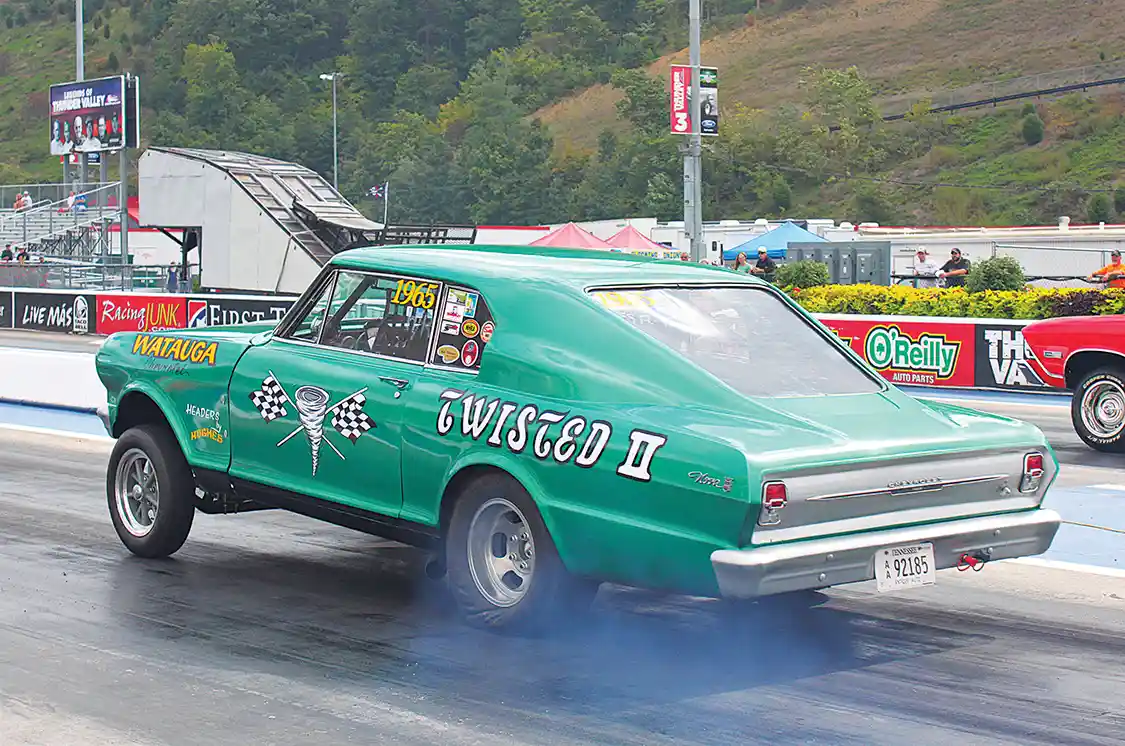
Huston Platt (brother of renowned Ford racer Hubert Platt) has one that was dubbed the Dixie Twister. NHRA Hall of Famer J. E. Kristek (part of the CKC team that included Carl Callier, Buddy Cortines and later Fritz Callier) ran one of these fastbacks with a Z-11 427 engine until late 1967. Roy Doyan reportedly bought the car and raced in until 1970. It’s since been restored by Gordon Chisenhall. Alan Green bought the remaining car and raced it in the Northwest, first with a 327 on gas and then a big-block on nitro. A fourth street version was reportedly sold to a Chevrolet dealer in Los Angeles. Unofficial sources recount it was destroyed in a crash not long thereafter. The existence of these unique, orphaned outlaw Chevys quietly faded from view, butafewstillrememberedthem.
Thatinformationwaspassedontoalater generation, which caught the interest of a few up and comers, including Kelvin Cannon. Although the survivors were documented but unavailable for sale, that didn’t stop Cannon from contemplating how he could make one of his own.
“I was prowling the Internet one day and came across one of these cars thinking it was a fluke, but it kind of intrigued me,” Cannon said. “So, I started doing some research and the more I looked at it, the more I liked it. Nobody knew much about them and there was hardly any information.
“I knew of a Chevy II and had been trying to buy it off a friend, but he wouldn’t sell. In fact, it took four years before he’d even talk to me,” Cannon continued with a laugh. “Then one day, his rollback pulled up with the car on it and he said it was mine. He just asked that if I ever sold it, he would get some of the money from it.
“It was originally a 283 Super Sport with a three-speed,” he said. “It had very little rust, but needed a new quarter panel. He also gave me the straight axle and some other parts. It did have a locking rearend, but more than likely it was just an old street racer that had been run hard.”
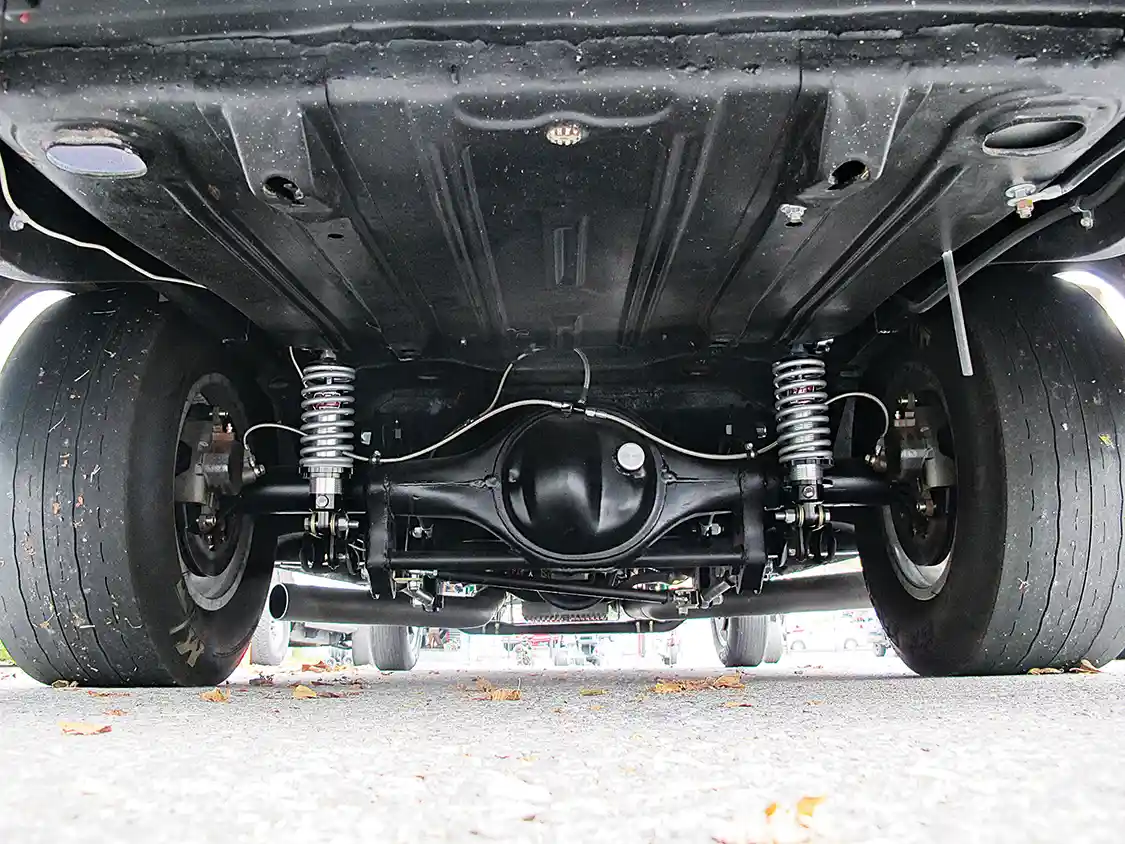
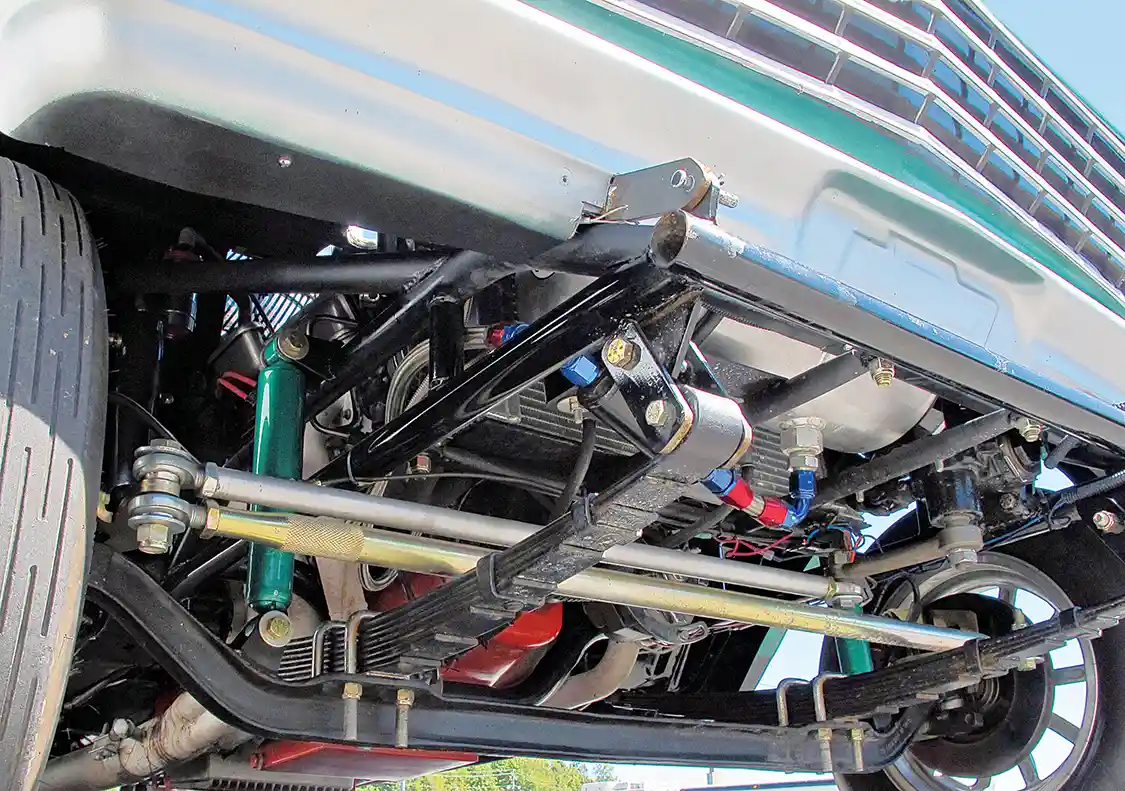
With the help of his wife Christy, Cannon went to work to make his A/FX clone, keeping it as authentic as possible. The straight front axle was shoved forward, and the rear assembly was moved up just shy of 7 inches, which was high-tech for that era. These modifications were made to help with weight transfer when the car left the starting line. Yet, with the basic hardware in place, he still faced the daunting task of turning his Chevy II into a clone of one of the four original BTRC racers.
“I started hunting parts to turn this hard top into a fastback,” Cannon said. “Molding the roof was probably the hardest part. Using some of the parts from a ’70 model Torino, I made the inner structure out of metal and then started laying mesh and fiberglass to hand form the roof. After six months of calling around, VFN Fiberglass agreed to make a one-piece front end for me.”
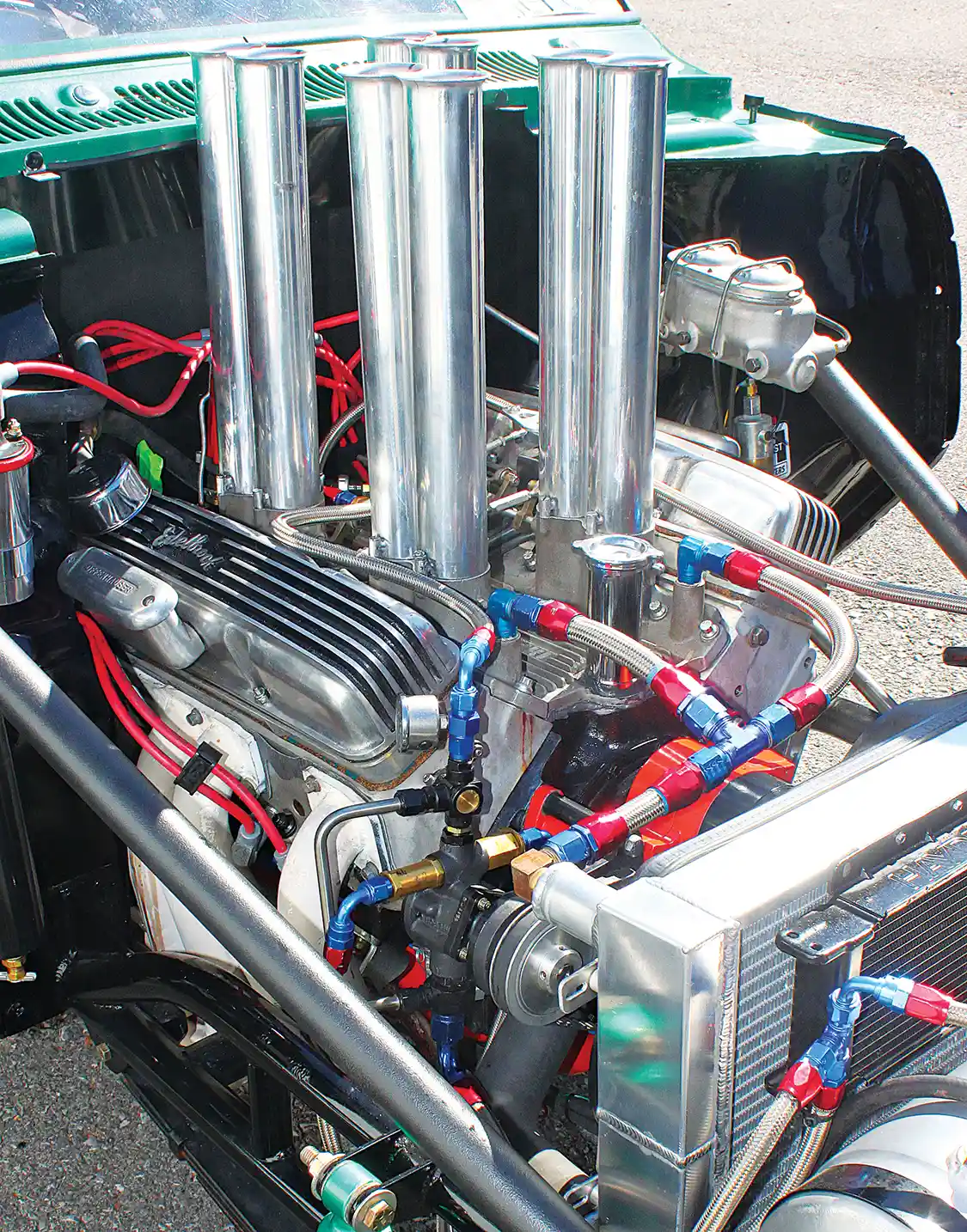
Cannon used a destroked Chevy 400 small-block for a power plant, which now displaces 377 ci with an Eagle crank, 13.5:1 pistons, Brodix heads and a custom-ground Competition Cams camshaft, he has a good basic engine combination that delivers an estimated 585 hp. It’s the Hilborn mechanical injection however, that catches everybody’s eye because the eight injector stacks rise prominently through the hood. What’s less noticeable is the extreme 9-inch engine set back. Getting the fuel system right took some time because Can- non had to learn 50-year-old technology, but the efforts have been rewarding. With a Roger Hughes-built Powerglide and a TCI 5,500 stall converter, he’s run a 10.20 E.T. in the quarter and has his sights set squarely on breaking into the nines. That puts him well within the range of when these cars were terrorizing the strip several decades ago.
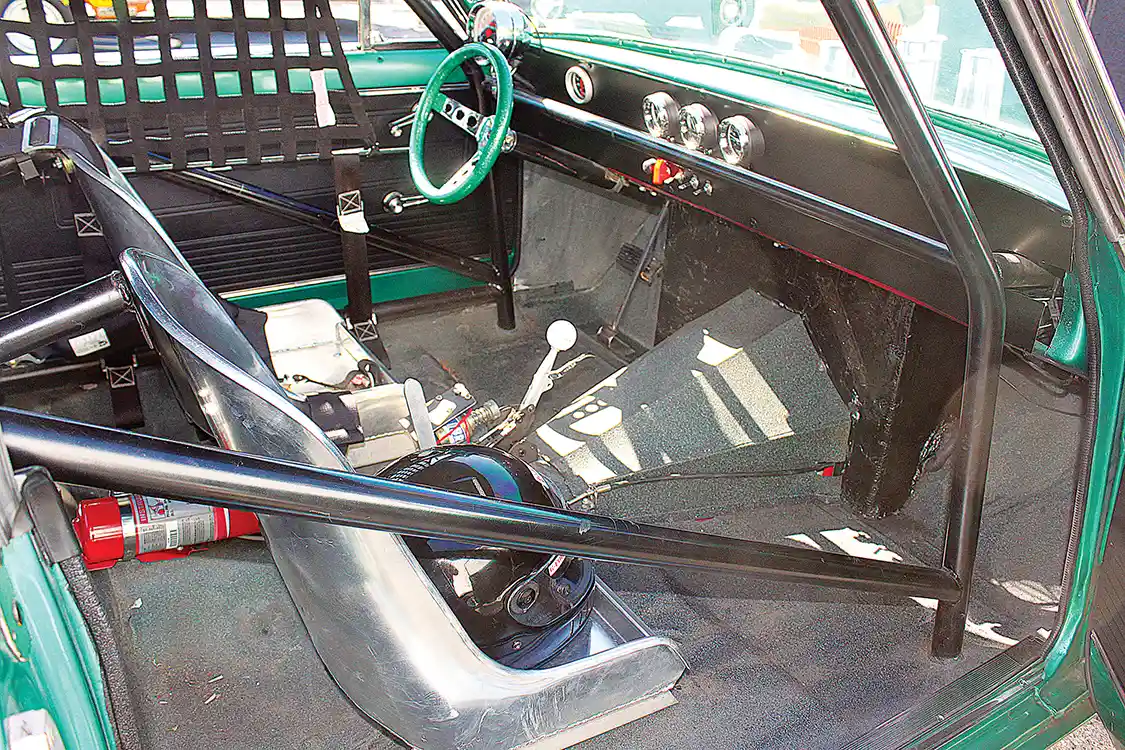
Cannon’s handiwork is evident in other places as well, including the relocated firewall, custom-made dash, all of the bodywork and even the Jade Green DuPont paint job. Frank Fitzsimmons added the lettering and graphics.
While there are certainly a number of other tribute cars spending their lives primarily as trailer queens, Cannon’s Chevy II is a regular at the NHRA Hot Rod Reunion in Bowling Green, Kentucky, and Super Chevy in Bristol, Tennessee.
With this homebuilt car still speeding down the quarter-mile, it’s hard to think of a more fitting tribute to Bill Thomas Race Cars’ unique creation. DR
Drag Racer
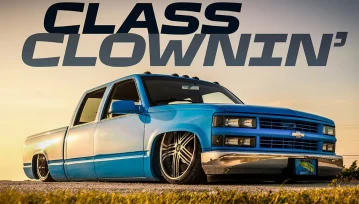
This is one Radical Rambler Kenosha, Wisconsin hometown boy and NAMDRA member Joe Bohaczek eats, sleeps and breathes AMC. At 9.08-148.00 mph he has one… Continue reading
Bluto Nash . July 30, 2026
All Feature Vehicles
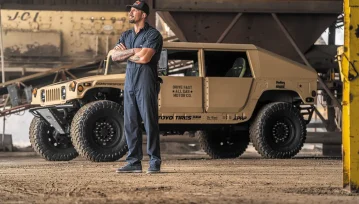
Auto Shop is Not Dead In the heart of a bustling high school, amidst the clang of lockers and chatter of students, there is a… Continue reading
Mike Self . December 07, 2023
Diesel World
When Brendan Schaub isn’t breaking down fights or cracking jokes behind a podcast mic, he’s wrenching on something serious or promoting his newest brand, Drive… Continue reading
Chris Hamilton . August 02, 2025

Electric Vehicle Features
Inspiring the Next Generation As a teenager, Mark Brems grew up with a passion for Volkswagens, and had nearly every model—Beetles, Ghias, Fastbacks, and buses. “I… Continue reading
Dan Coronado . January 23, 2025
Chevrolet
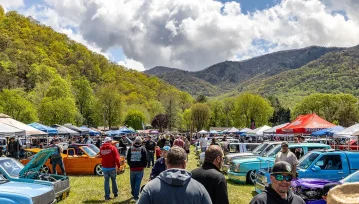
Custom Trucks Pack a Small Town When it comes to shows that draw more custom vehicles to town than are actually able to fit inside… Continue reading
Chris Hamilton . September 15, 2023
Drag Racer
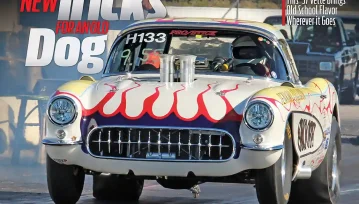
This ’57 Vette Brings Old School Flavor Wherever it Goes It’s been said that you can never really replace an old dog with a new… Continue reading
Rod Short Rod . May 26, 2026



Charity Car Show
Mesa Marketplace 10550 E. Baseline Rd, Mesa , Az 85209
CHICO CONCOURS Car Show
Silver Dollar Fairgrounds 2357 Fair Street, Chico, CA 95928
Goodguys 33rd Summit Racing Lone Star Nationals
Texas Motor Speedway 3545 Lone Star Circle
The Sparks Show
Sevierville, TN
Dino's Git-Down
State Farm Stadium, Glendale, AZ
We use cookies to enhance your browsing experience, serve personalized ads or content, and analyze our traffic. By clicking "Accept All", you consent to our use of cookies. Visit our Cookie Policy for more info.


 Please wait...
Share Link