








 Motortopia Staff
.
September 26, 2025
.
Press Release
Motortopia Staff
.
September 26, 2025
.
Press Release
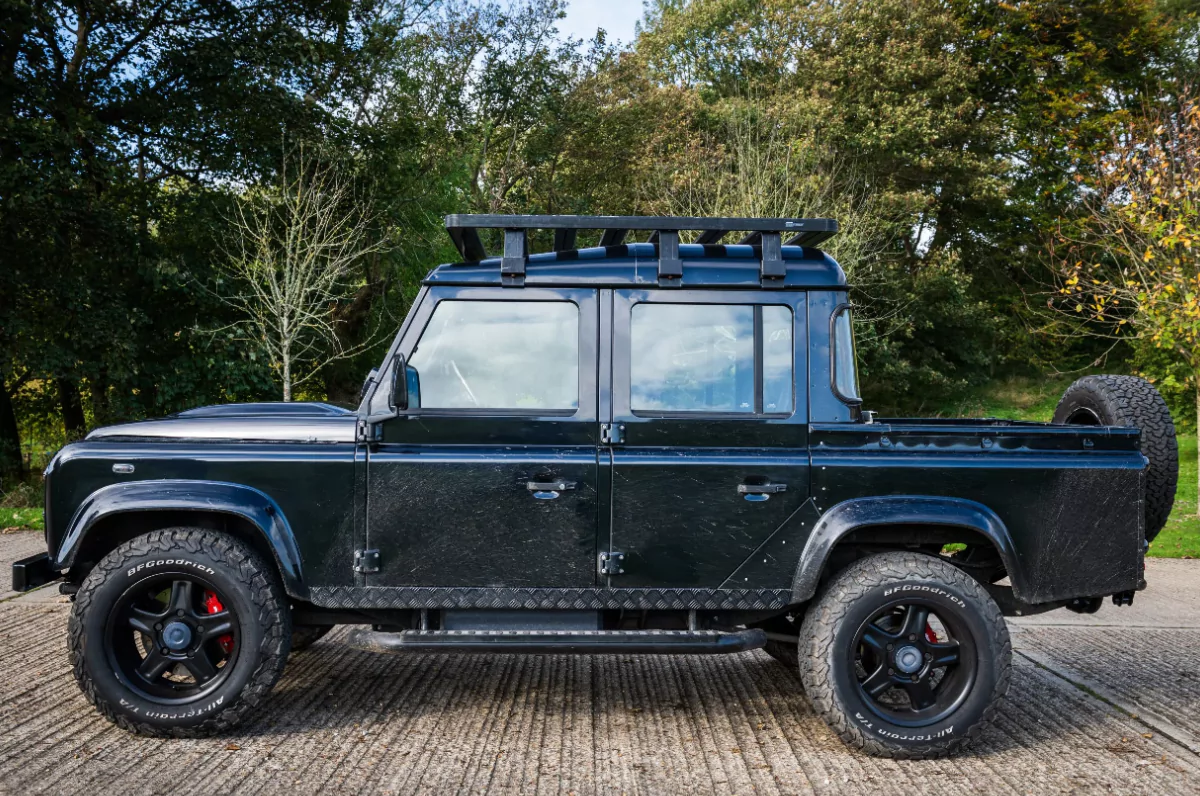
Two days ago, on September 16th, 2025, we had a very interesting call with a client who had received four different quotes through Fuel2Electric — all from our trusted partners — and he couldn’t make sense of the price gaps.
Two of the quotes came in under $100K, while the other two were closer to $150K. On paper, they all promised to “convert his beloved classic to electric,” but the details behind those numbers told completely different stories.
As we walked him through the reasoning behind each estimate, everything suddenly clicked for him — and for us, too. We realized this explanation was too valuable to keep to one conversation. It’s something every EV conversion enthusiast (and even the skeptics) deserves to know, especially those who’ve gone deep down the YouTube or Reddit rabbit holes and come out more confused than when they started.
That’s why we decided to break it all down here: the four core pillars of every EV conversion project — and how our unique methodology at Fuel2Electric helps match the right builder to the right project, every time.
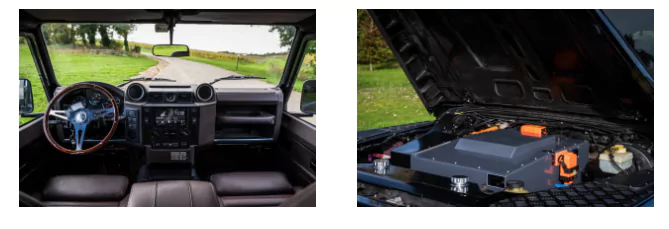
1. Braking and Steering: Matching Power with Safety
EV conversions often deliver significantly more torque and instantaneous power than the original combustion setup ever could. That’s part of the thrill — and the challenge.
More power also means a different weight distribution and a heavy battery pack. That’s why safety systems like enhanced brakes, upgraded suspensions, or even complete subframe swaps (when width allows) are often part of the plan.
We make sure every client understands this from the very beginning. Because adding power without adding safety isn’t just risky — it can compromise the driving experience they’re trying to preserve.
2. Moving Parts: Reducing Failure Points, Increasing Reliability
For many owners, the ultimate goal of converting to electric is to make their beloved vehicle reliable and worry-free. And here’s the thing: any leftover moving part from the original drivetrain becomes the weak link in an otherwise brand-new electric system.
That’s why we often advise replacing as many mechanical components as possible. It’s also why some builds — like the Cascadia/Oberaigner system mentioned in multiple recent projects — may require R&D to validate gear ratios and load tolerances.
In short, more power means more scrutiny. And shops that have already tackled similar builds are dramatically better at estimating the labor required. That’s not just our opinion — it’s what we see every day across our vendor network.
3. Non-Destructive Conversion: Reversible by Design
Of course, all of the above becomes irrelevant if an owner wants the conversion to be completely reversible. Some collectors, for example, want to preserve the ability to return their car to factory condition. That means no cutting, no welding, and no permanent structural changes.
This is where drop-in kits shine. They’re designed to integrate with minimal modification — and while they may not suit every project, they’re ideal for owners who value reversibility.
For fleets, reversibility is usually not a priority. But for classic cars, it can be a deal-breaker — which is why understanding this early is critical.
4. Battery Systems: The Heart of Every Build
Finally, there’s the battery system — the single most expensive and critical component in any EV conversion.
When using repurposed battery modules, they must come from the same original pack to ensure balanced performance, and they should carry at least a six-month warranty.
Brand-new batteries usually carry seven-year warranties and offer higher energy density, but cost roughly twice as much as repurposed modules.
There’s also a huge variety of Battery Management Systems (BMS) and high-voltage junction boxes on the market — many of which are designed for very specific use cases. We don’t push a one-size-fits-all approach. Instead, we rely on our network’s collective experience to identify what works best for each unique build.
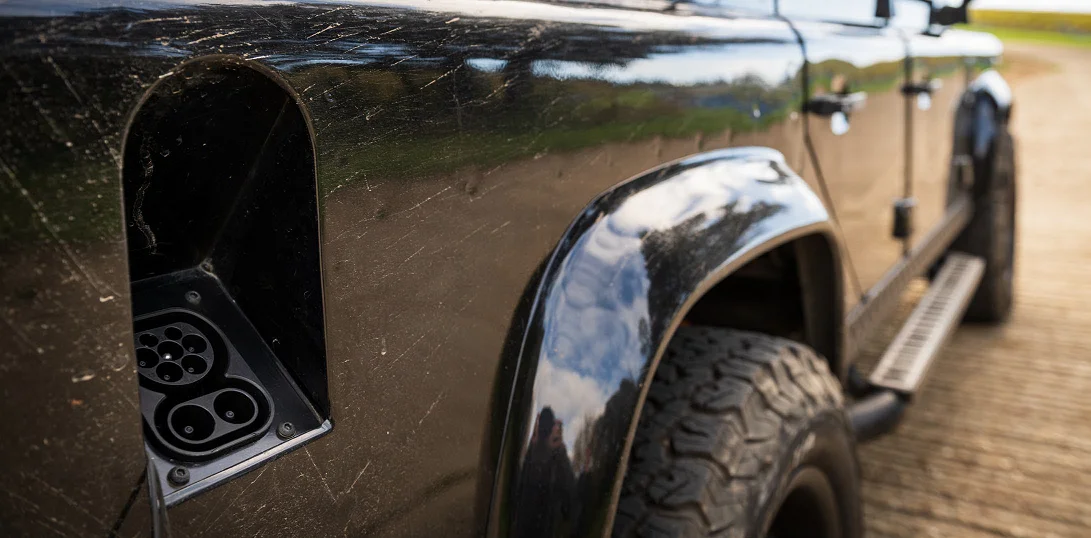
Our approach works because of who we partner with.
Becoming a Fuel2Electric trusted partner is not easy. Every shop applying for vendor status must provide: project track records, testimonials and client referrals, photos and specs (especially when we can’t visit onsite), and proof of insurance.
As of today, 20 shops are still in the application pipeline and haven’t yet met our requirements — and we’ve declined many others.
This matters because when our clients receive a quote, it’s not just a number from a random builder. On top of that, Fuel2Electric reviews every quote to prevent scope creep and endless R&D.
It’s a safeguard that ensures our clients are only connected to the most qualified professionals available.
And here’s the payoff: whether it’s a one-off classic car or a full fleet electrification program, our clients don’t just get a builder — they get the right builder, the first time.
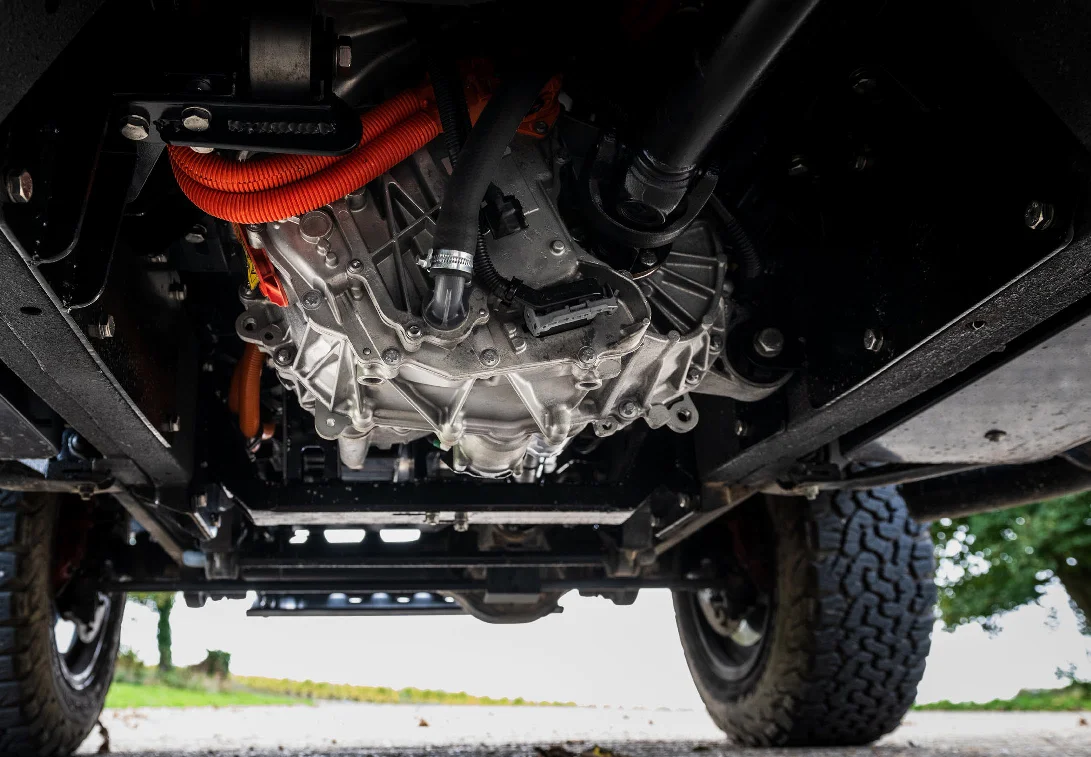
EV conversions are complex. But they don’t have to be chaotic.
By focusing on these four pillars — safety systems, reliability, reversibility, and battery design — and by leveraging the combined experience of our vetted vendor network, we’ve created a process that delivers consistent results.
It works for a rare vintage convertible.
It works for a commercial fleet.
It works because it’s built on data, collective experience, and trust — not guesswork.
That’s the Fuel2Electric difference.

Press Release
Riffraff Diesel revolutionizes 7.3L Powerstroke reliability with its new, one-piece billet aluminum front engine cover. Engineered and manufactured entirely in the USA, this cover is… Continue reading
Motortopia Staff . March 05, 2025

Press Release
Eaton’s Mobility Group is expanding its aftermarket differential portfolio with a new Eaton ELocker® and new Detroit Truetrac® differential. The new Detroit Truetrac is a… Continue reading
Motortopia Staff . October 30, 2024
Press Release
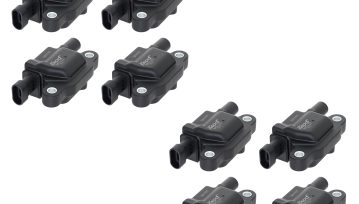
Modern high performance engines need a bigger spark to make power. NGK’s MOD Series Ignition Coils feature custom primary and secondary windings vacuum-sealed in epoxy… Continue reading
Motortopia Staff . April 16, 2024
Press Release
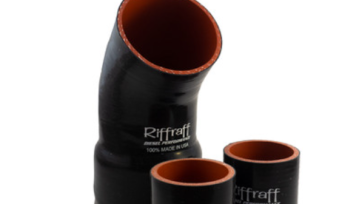
Riffraff Diesel 94-97 Ford 7.3 Turbo Intake and Y Boot Kit Riffraff Diesel’s Turbo Intake and Y Boot Kit is designed as a direct replacement… Continue reading
Motortopia Staff . June 06, 2025

Press Release
LANSING, MI – Manufacturer of aftermarket performance air suspensions, Air Lift Performance, is now offering additional coilover suspension kits, expanding our first coilover line. Air… Continue reading
Motortopia Staff . May 22, 2025
Press Release
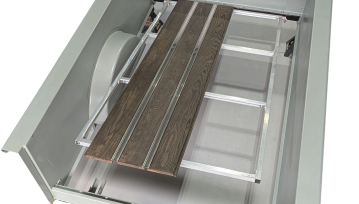
Pro’s Pick introduces its new Classic Truck Floor Lift Kit – a must-have for builders and restorers looking to upgrade their truck bed functionality with… Continue reading
Motortopia Staff . April 24, 2025


Terminal Takeover 2026
21 airport rd Ext, Greenville, SC
Altered Metal 2026
Rayne, LA
Orange Beach Invasion 2026
The Wharf Orange Beach, Alabama
Southern Tradition Car/Truck Show 2026
Etowah River Park Canton, GA
Local Studebaker Drivers Club Chapter Private Tour Of John Muir House
John Muir House 4202 Alhambra Ave., Martinez, CA




 Please wait...
Share Link