








 Motortopia Staff
.
December 09, 2025
.
Press Release
Motortopia Staff
.
December 09, 2025
.
Press Release
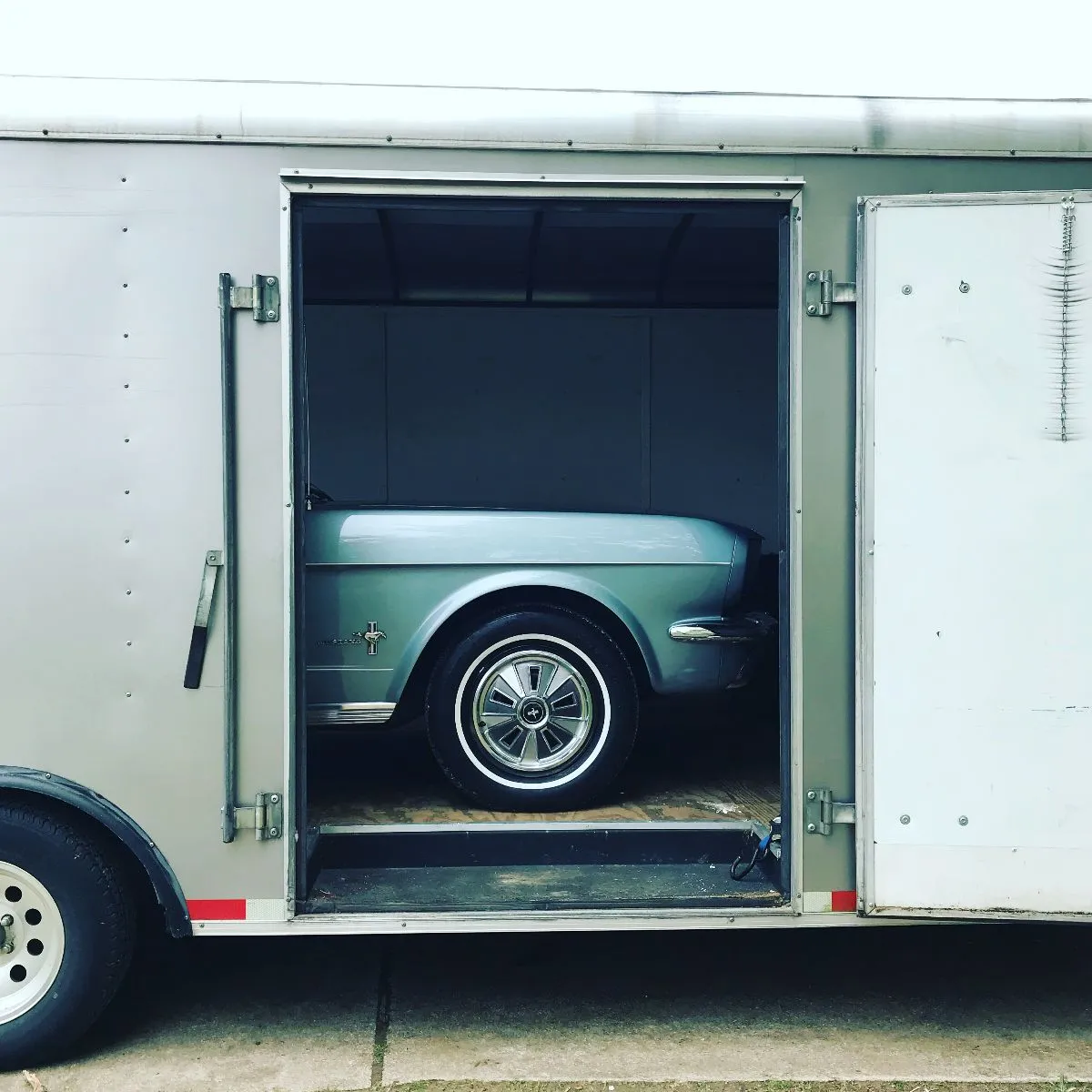
At Fuel2Electric, we see the same pattern every week: great people fall in love with beautiful classics, but buy them using the rules of gasoline restoration—then decide later to go electric.
When your ambition is EV conversion from day one, the buying criteria shift dramatically. What matters most changes. What once felt critical suddenly becomes irrelevant. And some of the best EV candidates are the very cars most traditional buyers would walk away from.
If you’re shopping with the intent to convert to electric, your goal is not to buy a “running classic.” Your goal is to buy the right foundation for an electric platform.
The first mental shift is the engine. When converting to electric, the internal combustion engine instantly loses its value as a buying criterion. A freshly rebuilt motor does not add real value to your EV project. A blown motor does not reduce it. From an EV perspective, a seized engine is simply a placeholder waiting to be removed.
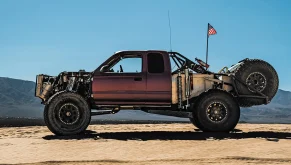
In fact, one of the most desirable starting points is a glider—a rolling vehicle with no engine at all.
A glider is freedom. No guilt in removing anything. No money wasted on components you’ll discard. No emotional attachment to horsepower that will disappear on day one.
Cooling loops, fuel tanks, gas lines, exhausts, radiators, carburetors, injection systems—none of these deserve your attention. They will all be removed. In many cases, usable gas components can even be resold once the car is de-ICE’d, helping offset part of your EV conversion budget. When shopping for a true EV donor, mechanical health of the ICE is simply not part of the equation.
What absolutely does matter, however, is structure. Rust is the single biggest risk you can introduce into an electric conversion project. Unlike engines, rust cannot be swapped. It spreads, hides, weakens, and multiplies the cost of any build. A rust-free frame, solid floor pans, clean suspension mounting points, and straight body lines are essential. EV conversion is a highly predictable process in terms of cost and outcome. Body restoration is not. A clean, dry-climate chassis will always be a smarter buy than a cheaper rust-affected one.
Start with the right foundation, and the rest of the journey becomes not just possible—but predictable, thrilling, and deeply rewarding.

Press Release
The fourth-generation family-owned brand will commemorate its founding with an open house and factory tour at the brand’s headquarters in September Visalia, Calif. (February 11,… Continue reading
Motortopia Staff . February 11, 2026

Press Release
LONSDALE, SOUTH AUSTRALIA, October 22, 2024 – REDARC, the industry leader in rugged mobile power solutions and towing for over 45 years, proudly announces the… Continue reading
Motortopia Staff . October 22, 2024
Press Release
Fayetteville, AR – Fuel2Electric, an innovative platform designed to streamline EV conversions for car and truck enthusiasts, is proud to announce its plan to collaborate… Continue reading
Motortopia Staff . December 08, 2023
Press Release
Duramax 6.6L Street Series Prepare to redefine your driving experience with the Duramax 6.6L Street Series, where precision engineering meets raw power. Engineered with a… Continue reading
Motortopia Staff . May 24, 2024

Press Release
Spring Is Here! And what better way to celebrate Spring than by hitting the road in an electrified classic? If you don’t already own one… Continue reading
Motortopia Staff . April 02, 2025

Press Release
ANN ARBOR, Mich., Oct. 17, 2024 – RealTruck Inc., a global aftermarket product and accessory brand, and a digital destination for truck, Jeep®, Bronco®, and… Continue reading
Motortopia Staff . March 03, 2025



Terminal Takeover 2026
21 airport rd Ext, Greenville, SC
Altered Metal 2026
Rayne, LA
Orange Beach Invasion 2026
The Wharf Orange Beach, Alabama
Southern Tradition Car/Truck Show 2026
Etowah River Park Canton, GA
Local Studebaker Drivers Club Chapter Private Tour Of John Muir House
John Muir House 4202 Alhambra Ave., Martinez, CA


 Please wait...
Share Link