








 Motortopia Staff
.
March 13, 2026
.
News
Motortopia Staff
.
March 13, 2026
.
News
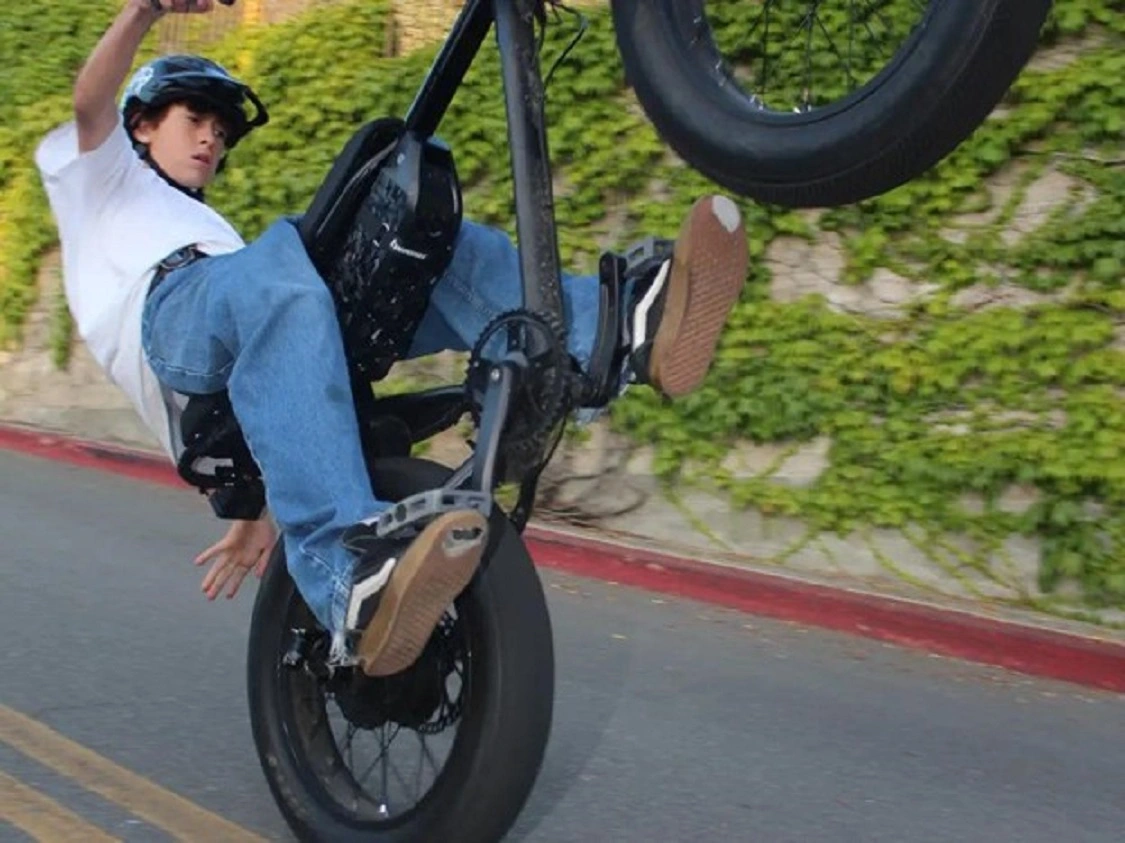
(Professional rider. Closed course. Do not attempt.)
Today, a new generation of riders is entering the cycling world differently—and electric bikes are playing a central role in that shift.
This change isn’t about abandoning traditional cycling values. It’s about adapting them to how younger riders live, move, and engage with their environment.
Classic cycling culture has always been tied to effort, endurance, and skill. Road bikes emphasized speed and discipline, while mountain bikes focused on terrain and control. In both cases, physical conditioning was a prerequisite for participation.
Younger riders today face a different reality. Daily routines are fragmented. Distances are short but frequent. Riding is less about weekend endurance and more about everyday mobility—getting to school, meeting friends, or navigating local neighborhoods.
Electric bikes fit naturally into this new context, not as replacements for traditional bicycles, but as extensions of what cycling already offers.
One of the biggest reasons younger riders embrace electric bikes is accessibility. An electric assist lowers the barrier to entry without removing the core experience of riding.
Pedaling still matters. Balance, awareness, and control are still essential. But the added assist helps riders handle distance, hills, or headwinds that might otherwise discourage consistent use.
For parents, this is an important distinction. Electric bikes don’t remove effort—they make riding practical enough to become part of daily life rather than an occasional activity.
From a cycling perspective, e-bikes now occupy a clear place in the broader ecosystem. They are not motorcycles, and they are not scooters. They retain the physical engagement and spatial awareness that define cycling while adapting to modern movement patterns.
In fact, many young riders begin with electric bikes and later explore traditional bicycles more deeply. Exposure builds familiarity. Familiarity builds confidence.
Seen this way, electric bikes act less like an endpoint and more like an entry point into cycling culture.
Unlike performance-focused bicycles, youth-friendly electric bikes are designed around everyday use. Stability, predictable handling, and comfort take priority over speed or technical aggression.
For example, compact designs like the Macfox M16 suit short, regular trips—school routes, local errands, or neighborhood rides—where simplicity and ease of use matter most.
Meanwhile, more substantial models like the Macfox X7 offer a relaxed riding posture and wider tires, supporting smoother control during longer daily rides without pushing riders into high-risk scenarios. This balance appeals to families looking for reliability rather than extremes.
Another cultural factor is style. Younger riders are drawn to bikes that reflect identity as much as function. The rise of the Electric Wheelie Bike aesthetic—longer frames, wider tires, and confident stances—blends visual presence with practical riding.
While these bikes may resemble mopeds at a glance, they remain firmly within the bicycle category, preserving pedal engagement and local riding compatibility. For parents, this distinction matters. The look may feel bold, but the underlying mechanics remain controlled and familiar.
From a parental standpoint, electric bikes often feel like a measured step forward. They offer more independence than walking, fewer responsibilities than car ownership, and more predictability than informal transportation alternatives.
Parents aren’t endorsing rebellion—they’re supporting autonomy within limits. That’s a meaningful difference.
Electric bikes allow families to introduce responsibility gradually, letting young riders manage their own movement while maintaining reasonable oversight.
It’s important to recognize that this trend doesn’t reject traditional cycling. Instead, it expands it.
Electric bikes allow cycling culture to adapt to new lifestyles without losing its core values. Pedal power remains. Awareness remains. Connection to movement remains.
For the next generation, electric bikes aren’t a shortcut—they’re a bridge.
And for parents watching this evolution, that context makes all the difference.

News
As Advanced Driver Assistance Systems (ADAS) become a common feature in modern vehicles, it’s crucial to understand what they do, how they work, and why… Continue reading
Motortopia Staff . October 30, 2025
News
Print-through (telegraphing) happens when your adhesive sinks, shrinks, or exotherms hard enough that the show surface reflects what’s going on underneath. If you’re bonding carbon… Continue reading
Motortopia Staff . September 30, 2025

News
A car isn’t just metal, glass, and gears. It’s memories, movement, and money. But when the engine coughs or the brakes screech, those dreams begin… Continue reading
Motortopia Staff . July 17, 2025

Jeep
The Jeep Gladiator, a unique blend of rugged truck capability and iconic Jeep open-air freedom, has quickly captured the hearts of off-road enthusiasts and daily… Continue reading
Motortopia Staff . July 02, 2025
News
The scissor-lift scene is exploding. With global demand climbing, fresh safety rules kicking in, and electric powertrains reshaping duty cycles, choosing the right platform in… Continue reading
Motortopia Staff . December 11, 2025
EV Builders Guide
As we wrap up this issue, one thing is crystal clear: The electrifying surge of enthusiasm for EV-converted classics and custom modern EVs is propelling… Continue reading
Jerome Andre . February 05, 2026



C10’s in the Swamp
Florida classic park, Brooksville FL
Goodguys 16th FiTech Fuel Injection Spring Nationals
WestWorld of Scottsdale 16601 North Pima Road, Scottsdale, AZ 85260
Terminal Takeover 2026
21 airport rd Ext, Greenville, SC
Altered Metal 2026
Rayne, LA
Orange Beach Invasion 2026
The Wharf Orange Beach, Alabama



 Please wait...
Share Link