










 Motortopia Staff
.
November 06, 2025
.
News
Motortopia Staff
.
November 06, 2025
.
News
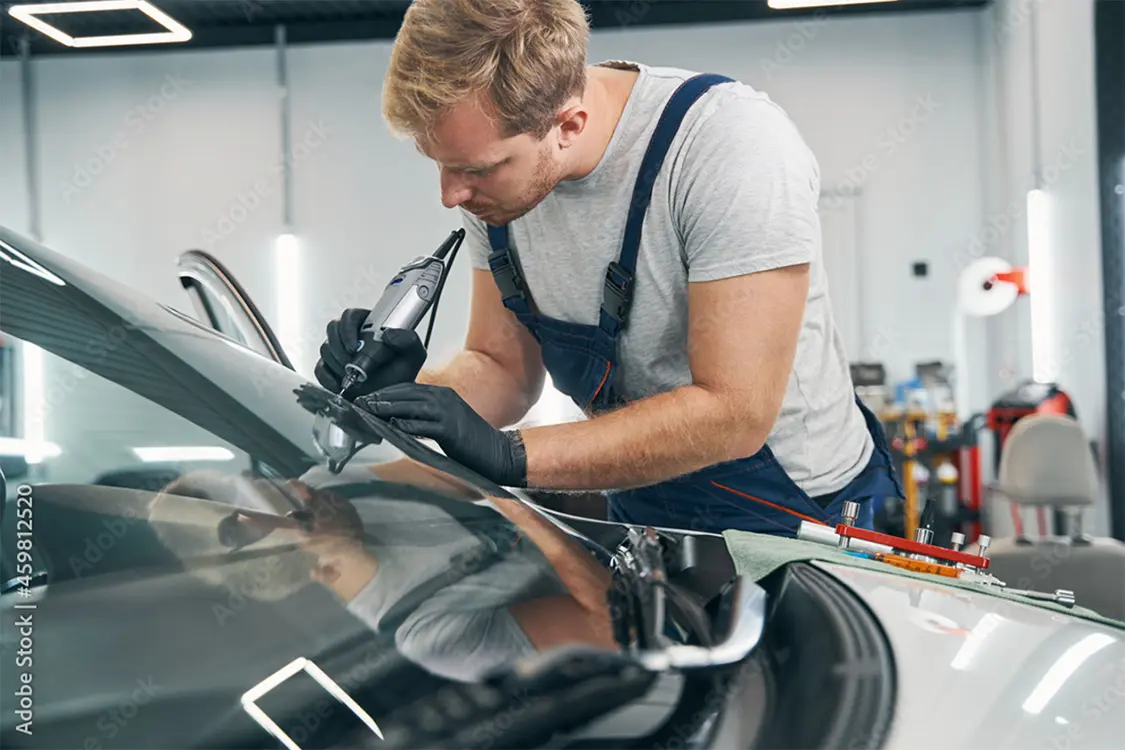
A cracked or chipped windshield should never be ignored. Once the glass is weakened, it cannot fully support the vehicle’s safety systems during an accident. Mobile windshield repair solves this problem by bringing certified technicians directly to your home, workplace, or wherever your car is parked. This service eliminates the need to drive with unsafe glass and saves time compared to visiting a repair shop.
In this guide, we’ll take a closer look at how mobile windshield repair works and what drivers can expect from the process.
When you spot a chip or crack, the first call you make sets the service in motion. The auto glass technician will ask for your vehicle’s make, model, and year, the location and size of the damage, and sometimes a photo. This information helps determine whether a simple repair will suffice or if a mobile auto glass replacement is needed.
Once your details are confirmed, a mobile auto glass repair service sends the technician to your preferred location—home, workplace, or otherwise—instead of requiring a trip to a shop. The booking confirmation will include the expected arrival time, any site access requirements, and whether you should clear items from around the vehicle. Having everything ready helps the visit run smoothly and without delays.
Once the technician arrives, they begin by examining the windshield to understand the extent of the damage. They look at the size and depth of the chip or crack, its location on the glass, and whether it has started to spread. These factors determine whether the problem can be handled through mobile auto glass repair or if a full mobile auto glass replacement is necessary.
Many drivers assume that any crack can be fixed, but some windshield repair myths have led to that misunderstanding. Small chips that stay within the outer layer of the glass and do not obstruct the driver’s view are usually repairable. In contrast, deep or branching cracks, damage near the edge, or any break that reaches both layers of laminated glass typically require replacement.
The technician will also check whether your vehicle is equipped with advanced driver assistance systems, since these rely on sensors and cameras that are often mounted on or near the windshield. If the glass must be replaced, proper ADAS windshield calibration ensures these systems continue to function accurately after installation.
When the technician arrives, the van is stocked with everything needed for mobile windshield repair. The technician will typically set up the vehicle on a stable, level surface with enough space to move around safely. Working in the shade is often preferred since direct sunlight can sometimes affect how certain adhesives cure. Protective gear such as gloves and eye coverings may also be used to keep the work area clean and safe.
Before any repair or replacement begins, the technician usually prepares both the inside and outside of the vehicle. This may include placing protective covers over the hood and trim, clearing away debris from the windshield area, and wiping down the glass and surrounding frame. These steps help create a controlled workspace and reduce the risk of contamination during the job.
Weather and temperature also play a key role in preparation. Adhesives have manufacturer-specified ranges for temperature and humidity. High heat or rain can delay or prevent proper bonding, so the technician may reschedule if conditions are unfavorable. The goal is a smooth installation and a lasting result, not a rushed job.
The ability to repair rather than replace windshields exists because of how they are made. Laminated glass, which became common in passenger vehicles around the mid-20th century, typically includes a thin plastic interlayer between two sheets of glass. This structure helps the glass stay intact when damaged and makes it possible to fill small voids with resin instead of replacing the entire sheet.
Once the assessment shows a repair is suitable, the technician proceeds with mobile auto glass services on-site. The process begins with clearing off any dust, water, or loose particles from the damaged area. A razor blade or specialized tool is used to open the surface of the chip so resin can penetrate fully.
After the area is clean, a vacuum bridge or injector places pressure to draw out trapped air. Then the technician injects resin into the void, allowing it to fill fractured or loosened glass fibers. Once filled, the resin must be cured. A UV lamp or LED curing device exposes the treated area to ultraviolet light, triggering polymerization of the resin and restoring clarity and strength to the glass.
With the resin hardened, excess material is removed, and the surface is polished so the repair blends with the original windshield. This repair method is less invasive, preserves the factory glass, and generally costs far less than a full replacement. The lower cost and reduced downtime are major advantages.
Despite its effectiveness, repairs do have limitations. Damage that has extended into the inner layer of laminated glass, chips more than a few inches long, or pieces missing from the glass structure are unlikely to be fully restored. Moisture contamination inside a crack also lowers success and may lead to haze or further spreading.
By understanding these restrictions, you can set realistic expectations. When repair is viable, it often offers a fast, cost-effective way to restore your windshield without the need for a full replacement.
When a windshield is too damaged to repair, the technician performs mobile auto glass replacement. The replacement process often begins with the removal of wipers, molding, and any clips or sensors attached to the glass. The damaged windshield is usually lifted out after cutting through the old adhesive. Once the glass is removed, the metal frame, known as the pinchweld, is generally cleaned and primed to create a stable surface for bonding.
A new bead of urethane adhesive is then applied, and the replacement glass is positioned with suction tools to help ensure proper alignment. The technician may reseal the trim and weatherstripping to reduce any chance of leaks. Before the vehicle is ready to be driven, the adhesive has to cure and form a complete bond. This waiting period, often called safe drive-away time, can vary based on the adhesive used and the surrounding weather conditions.
Modern windshields are made of laminated safety glass, which contains a thin polyvinyl butyral (PVB) layer fused between two sheets of glass through heat and pressure. This design prevents the glass from shattering on impact and allows it to absorb energy during a collision. It also reinforces the roof and supports the proper deployment of airbags by withstanding the speed and force of inflation.
These properties are the reason windshield replacement must meet strict federal standards such as FMVSS 205 and FMVSS 212, which regulate transparency, strength, and retention in a crash. Ensuring that a new windshield is bonded and cured to specification helps the vehicle maintain its designed crash performance and keeps passengers protected inside the cabin.
Many newer vehicles use sensors and cameras that connect to the windshield. After installation, these systems often need calibration to ensure safety features such as lane-keeping assist and automatic braking continue to function correctly.
Although mobile replacement offers the same convenience as on-site repair, it can take longer because of curing and calibration. Still, it saves you the trip to a repair shop and ensures the new glass meets the same structural and safety standards as the original.
Once the installation is complete, the technician performs a thorough inspection. They check that the windshield is aligned correctly, that all seals sit flush with the frame, and that trim and molding are secure. They also clean the work area, remove any protective coverings, and clear the vehicle of debris to leave it safe and tidy.
After the inspection, follow these care steps to protect your investment and maintain safe performance:
From the first call to the final check, the process of mobile windshield repair follows a clear path. It begins with contacting a trusted service, followed by an on-site assessment that determines whether the damage can be fixed or if replacement is needed. After completing the repair or replacement, the technician generally performs a final check to confirm that the glass appears properly sealed and that the vehicle is ready for normal use.
When handled properly, mobile service restores both safety and visibility without taking time out of your day. A well-executed repair or replacement brings your vehicle back to full strength so you can drive away with confidence, knowing the work was completed to the same standard as in a shop, just with far less disruption.
News
A car does not need a six figure price tag to feel premium. In many cases, the difference between an average daily driver and a… Continue reading
Motortopia Staff . June 01, 2026
News
Caring for a car is always a tiresome exercise. Whether it is cleaning the exterior or cleaning the interior thoroughly, maintaining a car in its… Continue reading
Motortopia Staff . September 02, 2025
News
Plenty of builds reach a point where they look completely finished — the stance is dialed, the paint is flawless, and every detail has been… Continue reading
Motortopia Staff . April 03, 2026

News
In recent years, we’ve seen a big rise in big vehicles. Ask anybody over 30 to tell you how automobiles have changed in their lifetime,… Continue reading
Motortopia Staff . July 25, 2025
News
The scissor-lift scene is exploding. With global demand climbing, fresh safety rules kicking in, and electric powertrains reshaping duty cycles, choosing the right platform in… Continue reading
Motortopia Staff . December 11, 2025

News
Sedans Lost the Status War. SUVs Won It. Here’s Why Image Source: https://unsplash.com/photos/man-in-suit-walks-past-black-suvs-in-parking-lot-KDA9cnw8jZw Back at the end of the last century, status cars in the… Continue reading
Motortopia Staff . May 04, 2026



Super Run 2026 Classic Car Show
Super Run 2026 Classic Car Show Casablanca Resort 950 West Mesquite Blvd Mesquite, NV 89027
Concours D'Elegance
Cobble Beach Resort 221 McLeese Dr, Kemble, ON N0H 1S0
Charity Car Show
Mesa Marketplace 10550 E. Baseline Rd, Mesa , Az 85209
CHICO CONCOURS Car Show
Silver Dollar Fairgrounds 2357 Fair Street, Chico, CA 95928
Goodguys 33rd Summit Racing Lone Star Nationals
Texas Motor Speedway 3545 Lone Star Circle
We use cookies to enhance your browsing experience, serve personalized ads or content, and analyze our traffic. By clicking "Accept All", you consent to our use of cookies. Visit our Cookie Policy for more info.



 Please wait...
Share Link