










 Motortopia Staff
.
December 10, 2025
.
News
Motortopia Staff
.
December 10, 2025
.
News
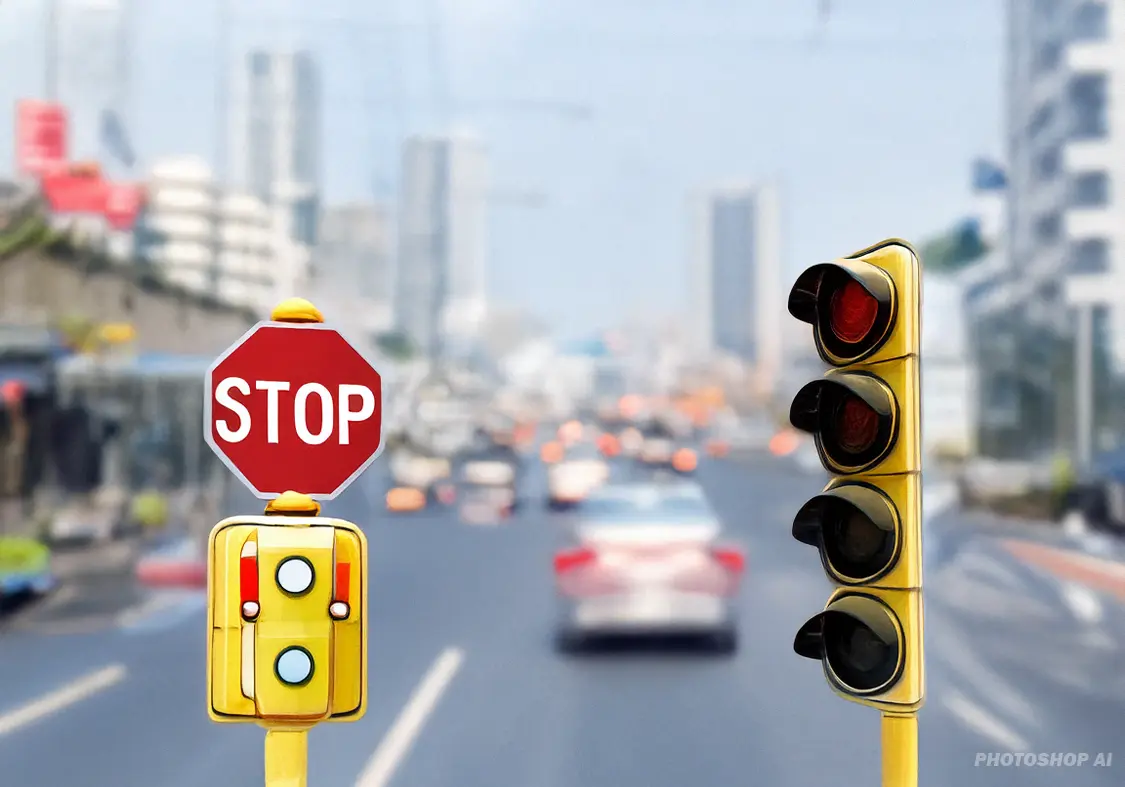
Whenever you see those flashing blue lights in your rearview, your heart jumps. You’re getting pulled over. Maybe you were speeding. Or perhaps your tail light is out. Panic takes over. But that’s the exact moment you need to stay calm.
During a traffic stop, how you talk matters. Keeping your cool changes the whole interaction with an officer. It shows respect. It keeps things from escalating. The last thing you want to do is show odd behavior. Here’s how to properly talk to an officer when you get pulled over to keep you in control of the situation.
Getting pulled over might make your jaw clench. Maybe you’re annoyed that it’s making you late for work. Or maybe you tend to blow up during confrontations, especially about your driving. But officers notice tension immediately. Aggressive behavior can escalate a minor stop. Sharp tones can turn a routine check into an altercation.
Controlling your road rage is a key part of managing a traffic stop. Stay calm. This signals that you’re cooperative. That you’re reasonable. Avoid rolling your eyes. Don’t sigh or mutter either. Let the officer lead the conversation. Calm behavior makes officers relax. It keeps the stop professional. It lowers the risk of unnecessary citations or conflict.
Leaving your engine running can make an officer suspicious. They may wonder if you’re about to drive off. Shutting it off can calm the dynamic between you and the officer. It says, “I’m listening to your instructions. I’m not going anywhere.” It’s also good for engine health in a tiny way, which is a plus.
Shut the car off as soon as you pull over. Rest your hands on the wheel. This simple act shows patience. It signals readiness to comply. You show that you respect their position and the law.
Long, defensive answers can confuse officers. If they’re already not in a stellar mood, it can frustrate them. They prefer clarity. Brevity, too. Straightforward speech shows you aren’t hiding anything. Short answers reduce misunderstanding. It keeps the interaction professional.
Answer with simple statements. For example, “Yes, officer.” Or “My registration is here.” Avoid volunteering extra details unless asked. Speak clearly, at a moderate pace. This keeps tension low. The officer understands your intentions. You maintain control of the talk. The stop finishes without friction. Who knows, this approach could be what gets you out of a speeding ticket.
It’s tempting to lighten the mood with humor. But officers can misread sarcasm as defiance. Even small jokes can rub them the wrong way. After all, a traffic stop is serious. Treat it that way. Answer their questions seriously. This maintains a professional and safe dynamic between you.
Stick to straightforward language. Smile politely if appropriate. But avoid humor at tense or sensitive moments. Focus on the facts. That ensures the officer isn’t distracted by your tone or delivery.
Officers watch hand movements closely during a traffic stop. Reaching suddenly for your license or phone can alarm an officer. Informing them before you move prevents misunderstandings. This shows careful compliance. It also builds trust between you and them.
Announce your actions out loud. “I’m reaching for my registration now.” Move slowly. Deliberately. Keep hands visible. Pause if they give instructions. This prevents the stop from feeling risky. Officers see that you’re cooperative and careful, so you aren’t a threat.
Disagreements happen. Maybe you feel a ticket is unfair. Or maybe you feel accused of something you don’t think you did. Arguing aggressively can turn officers off. It makes them defensive back. But respectful behavior promotes road safety. So, stay polite. Talk respectfully, even if you disagree. This shows that you understand the rules and want a safe interaction.
Keep your tone neutral. Speak clearly. Don’t interrupt. Listen fully to the officer’s explanation. These prevent minor disagreements from turning into confrontations. The stop stays safe for everyone. It also reinforces a good driving culture in your community.
Most traffic stops are quick and simple. But some can get tricky fast. Multiple citations might come up. Maybe the officer asks something you’re unsure about. Panicking makes everything harder. Being prepared keeps you in control. It prevents stress from taking over.
Keep your documents ready. Clarify difficult questions calmly. If the confrontation is getting serious, don’t argue. Politely let the officer know you have a lawyer if needed. Then call to consult them afterward. Getting comprehensive assistance with complex driving offenses ensures your rights are protected. Having that legal support helps you stay composed. You cover yourself legally without escalating the situation.
Next time you want to get out of a ticket, remember these tips. Stay calm. Answer questions in a straightforward way. Don’t let your emotions get the best of you. Handling a traffic stop the right way protects you. It reduces tension.
Mastering these moves makes getting pulled over less intimidating. The more you practice, the more natural it feels. Soon enough, a traffic stop won’t make your stomach drop. It’s going to be just another moment on the road you can handle with confidence.

News
Over 29% of car accidents in the U. S. are rear-end collisions, compared to about 22% of angle collisions or 24% of sideswipe collisions. Tailgating,… Continue reading
Motortopia Staff . May 20, 2026

News
Photo source: Unsplash Driving is a key part of life in Dubai, and window tinting is a large part of individuals’ experience on the road.… Continue reading
Motortopia Staff . June 23, 2025
Diesel World
AS SEEN IN OUR DIESEL WORLD AUGUST 2026 ISSUE – Buy Now! SEASON OPENER 2026 The 2026 Diesels of New York season opener proved once… Continue reading
DW STAFF . July 24, 2026

News
Image Source: unsplash.com Figuring out all the logistics of a DIY car move across state lines or from coast to coast can be overwhelming. You… Continue reading
Motortopia Staff . September 08, 2025

News
If you’re the kind of person who lives for the roar of an engine, the scent of high-octane fuel, and the thrill of the open… Continue reading
Motortopia Staff . July 25, 2025

News
Torn between chrome and polished aluminum wheels? This complete comparison covers appearance, durability, maintenance, and cost differences to help you choose the right finish for your vehicle and driving style.
Motortopia Staff . November 12, 2025



Super Run 2026 Classic Car Show
Super Run 2026 Classic Car Show Casablanca Resort 950 West Mesquite Blvd Mesquite, NV 89027
Concours D'Elegance
Cobble Beach Resort 221 McLeese Dr, Kemble, ON N0H 1S0
Charity Car Show
Mesa Marketplace 10550 E. Baseline Rd, Mesa , Az 85209
CHICO CONCOURS Car Show
Silver Dollar Fairgrounds 2357 Fair Street, Chico, CA 95928
Goodguys 33rd Summit Racing Lone Star Nationals
Texas Motor Speedway 3545 Lone Star Circle
We use cookies to enhance your browsing experience, serve personalized ads or content, and analyze our traffic. By clicking "Accept All", you consent to our use of cookies. Visit our Cookie Policy for more info.


 Please wait...
Share Link