










 Fergus Ogilvy
.
August 03, 2026
.
Drag Racer
Fergus Ogilvy
.
August 03, 2026
.
Drag Racer
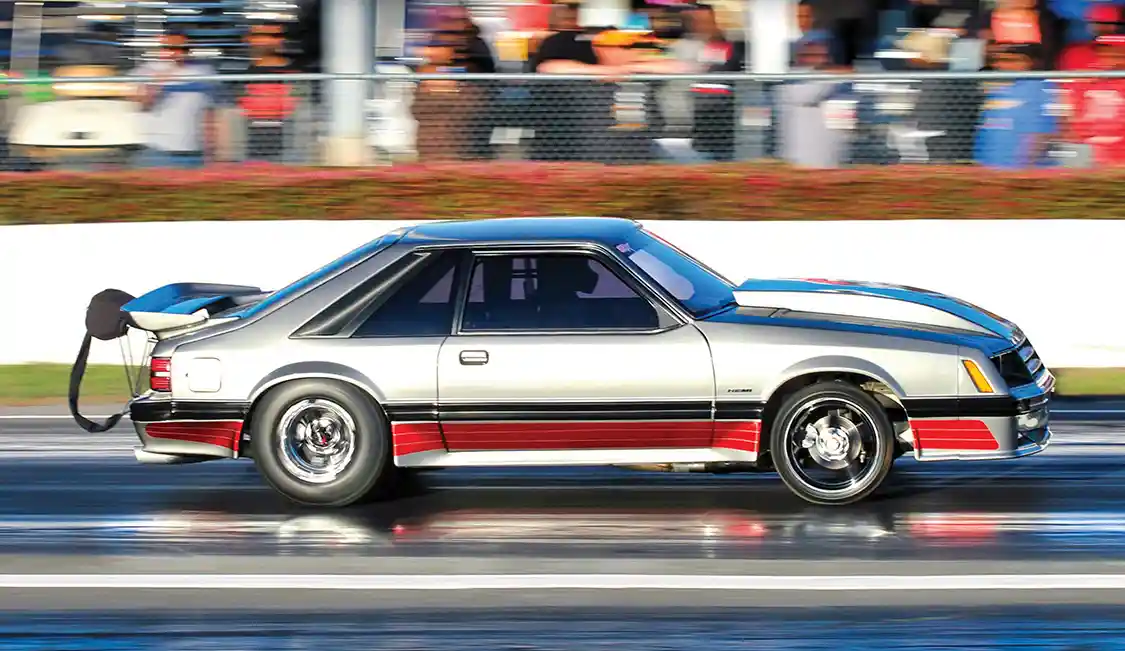
Grudge racing has dominated the drag racing scene in the Southern states for decades, but in recent years, the internet has conquered every part of its frenetic life, particularly Facebook postings that have expanded its Southern origins (Georgia, Florida and the Carolinas) westward to the Mississippi River and north to the shores of Lake Michigan.
To its mass of fans, its chief dynamic is straightforward: betting. There is no maximum amount; when a dollar changes hands it’s a grudge race.
The money won and lost, sometimes in sizable amounts, is only surpassed by the pride or the poor judgment of the car owners, entrants, drivers and spectators—such adventure, such potential for gain, such drama. Still, in the rapid passing of an 1/8-mile, the prospects of returning home $10,000 poorer are agonizing.
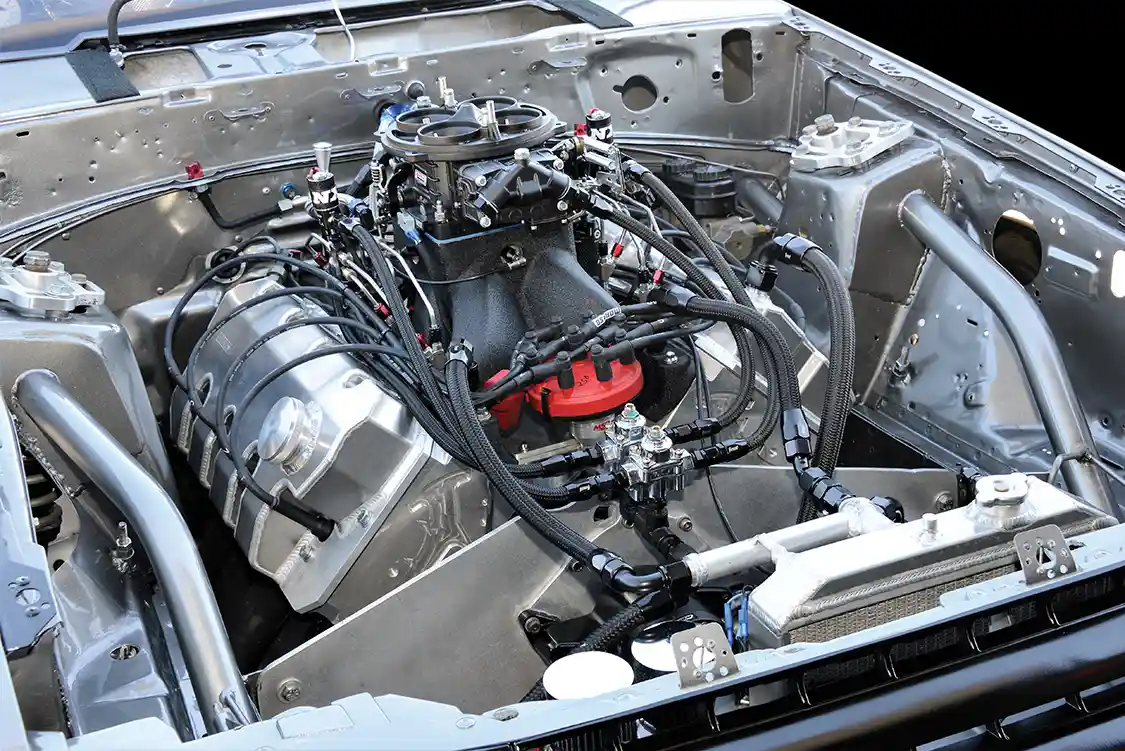
In their pre-race negotiations, a grudge racer attempts to learn as much as possible about his rival’s racing history and the competitiveness of the rival’s car. They operate with “stips,” an abbreviation of “stipulations” that specify what is allowed: small-block-powered car on 28/10.5 tires with a cast intake manifold and a single 4bl or dual 4bl carburetors. If your opponent has a history of swapping engines, the stips might have a clause that allows you to view the engine before the race.
When all is settled, perhaps a week in advance of the race, the deposits of the two opponents are sent to a third party, a neutral person known as the “DP” man (an abbreviation of “deposit” man). The deposit acts as a contract between two people who have agreed to race. At the track, before the race, the full wager is handed over to the DP, who is entrusted with the monies and the responsibility of enforcing the stips, and then dispensing the money to the winner.
Grudge-race cars are mostly nitrous-oxide-assisted; they also compete in shoot-out events. These are organized by a promoter who guarantees to pay a sum of money to the racers if sufficient cars are entered into the event. A typical arrangement might pay the first four places: $3,000 to the winner, $1,000 to the runner-up, and $500 each to third- and fourth-place finishers.
Alternatively, they draw chips, like poker chips, that specify a number and a letter, “L” or “R,” which signifies the “left” or “right” lane. The two racers that draw number one are paired for the first round and similarly with number two and three and so forth.
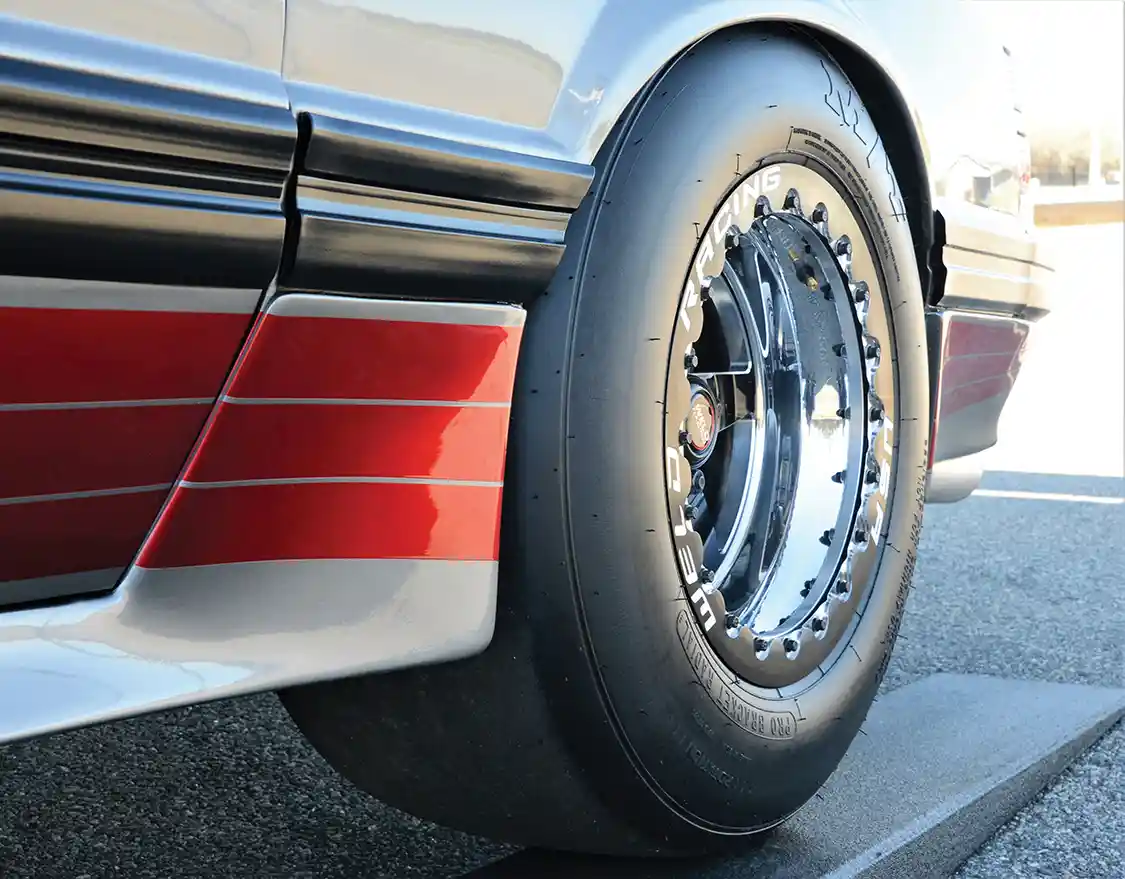
These pairings introduce further potential for monetary gain, which might vary from $500 to $2,500. During the drivers’ meeting, racers will ask the promoter if he has any objection to their placing grudge-race bets with their first-round opponents. Usually, there are no objections.
Both grudge racing and shoot-outs operate as No-Time events, the objective is to shroud in mystery as much race-car detail as possible. Obviously, should a potentially lucrative match arise, it’s in each racer’s interest that many of their performance details remain unknown.
Atlanta race car preparation specialist Scott Milner says, “You’d be forgiven for thinking grudge racing attracts questionable individuals, but often it’s the opposite. Their racing world is more organized than you’d expect.” More importantly, their word is their bond. “If you don’t pay your bet,” he explains, “you’re finished. Word gets around, and no one will race you. A stain on your name means your grudge-racing days are over. Most people do what they say they’ll do.”
Both grudge racing and shoot-outs operate as No-Time events, the objective is to shroud in mystery as much race-car detail as possible. Obviously, should a potentially lucrative match arise, it’s in each racer’s interest that many of their performance details remain unknown.

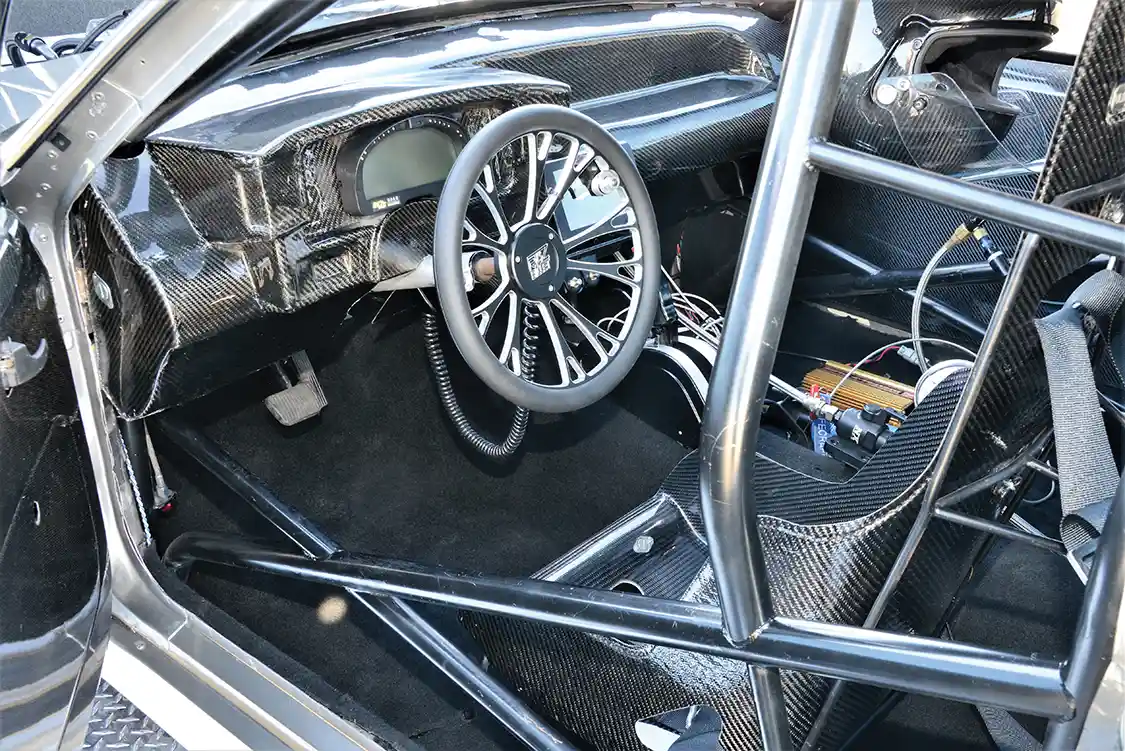
For some, though, the most annoying aspect of grudge racing is the theatrics of the spectators, particularly those crowded around the rear of the cars preparing to leave the line. Chaotic scenes to some, perhaps, but for those engaging in the histrionics it is the most enjoyable aspect.
Accomplished grudge racer Jonathan May says, “It can be organized chaos, but there’s nothing personal in their sometimes hostile negotiations. It’s just business—as they call it. I see it as comical.” For most of us, trash-talking is a curious endeavor, and grudge racing, for good or ill, has its share of outlandish comedians.
As in most racing categories, the grudge game has fostered a diversity of machinery, frequently in resplendent condition. There may be some that give the appearance of a backyard special in a deceptive effort to help betting chances. But heroic failures don’t exist because there is always a car that can be matched with yours.
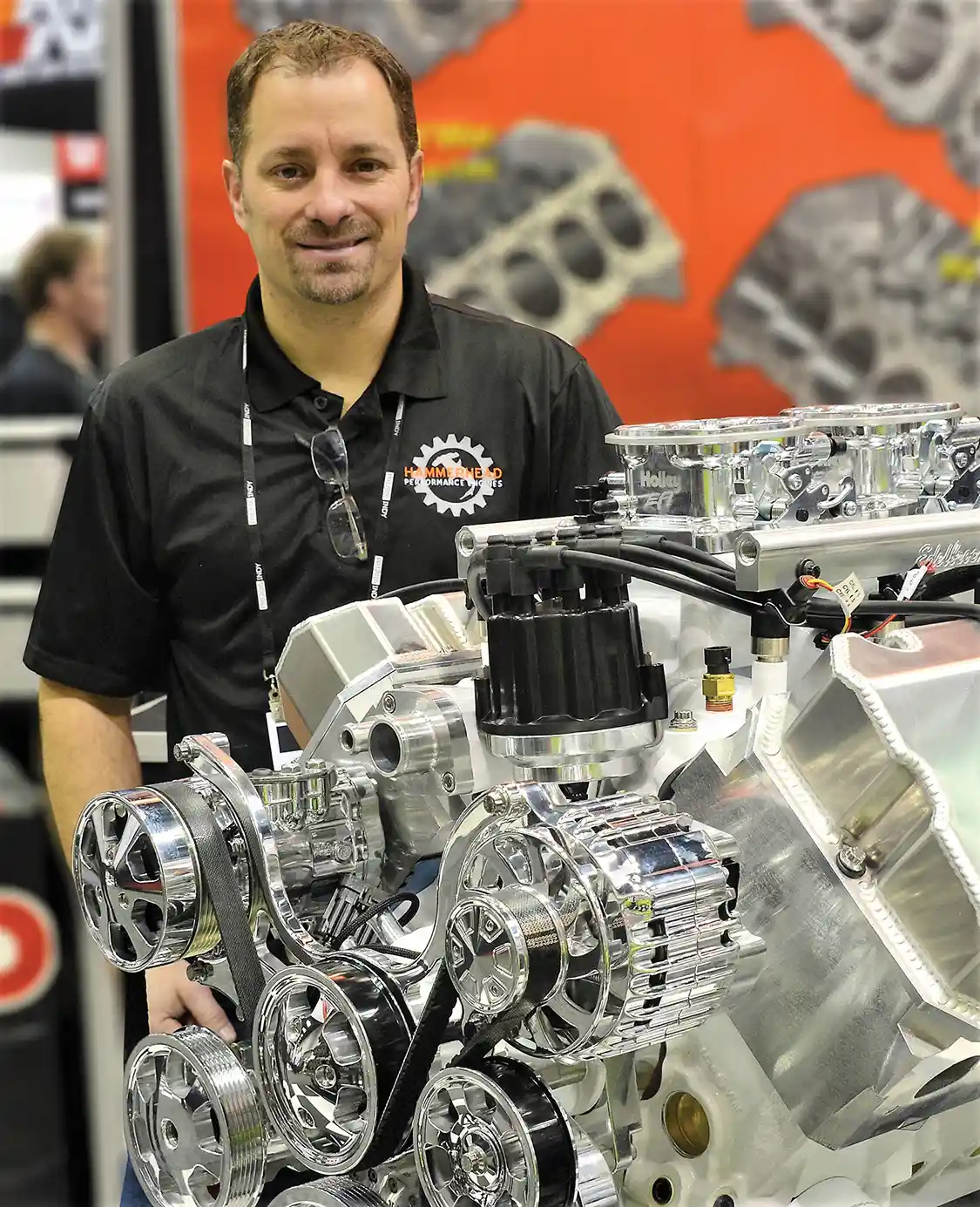
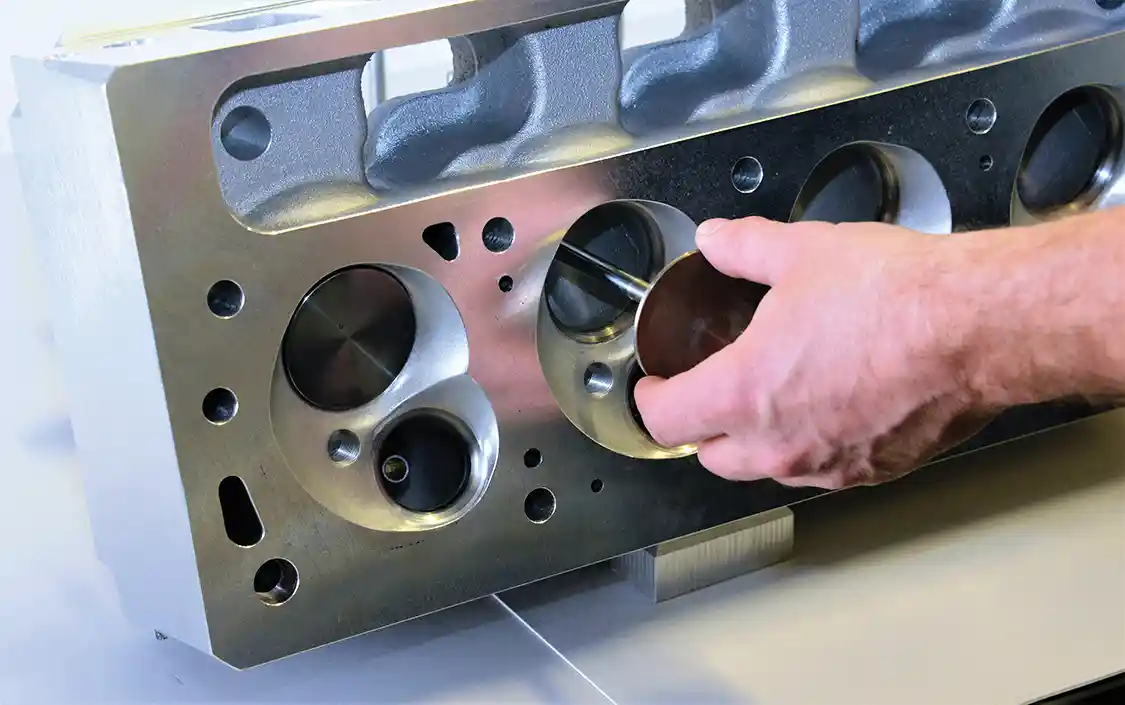
The race car most often lured to the starting line, at least in Georgia, is the Fox-body Mustang. Produced from 1979 to 1993, the abundance of these vehicles and their conversion to race cars has spurred an industry endowed with dyno cells, chassis-tuning departments and spray-painting booths that remain busy throughout the year.
Supremacy, unsurprisingly, is the objective, but trumpeting your success can be detrimental to your racing prospects. Nonetheless, internet bench racers can adeptly calculate an 80% win ratio when they see it.
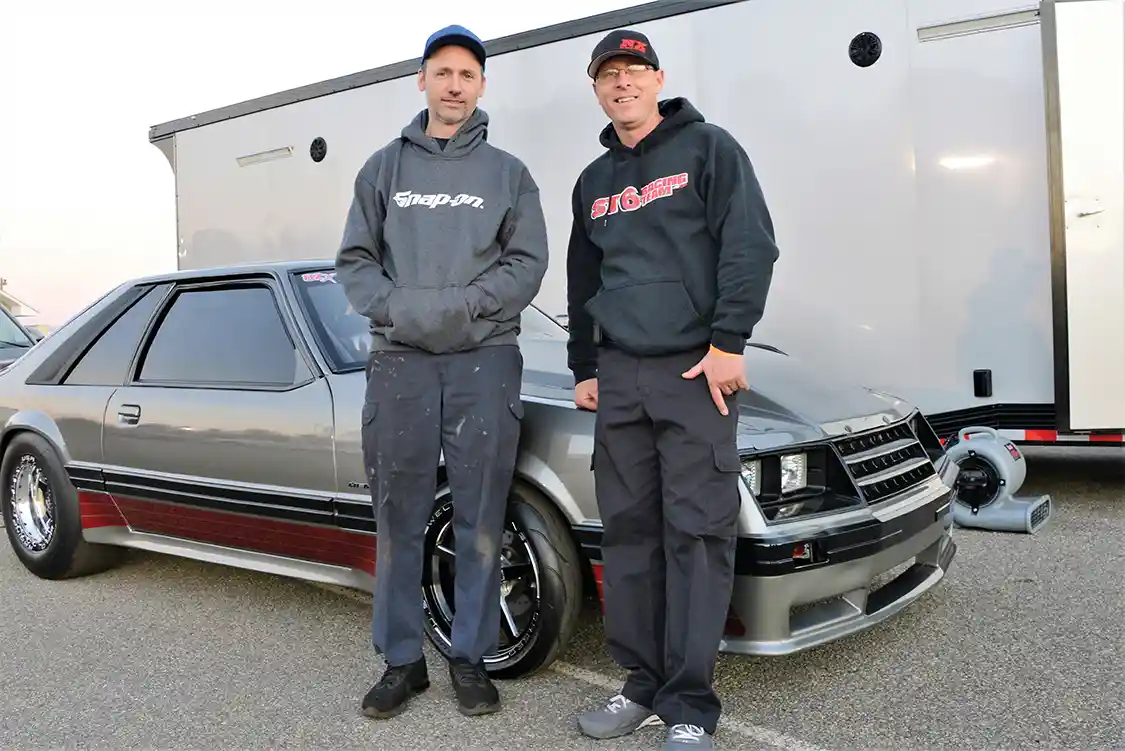
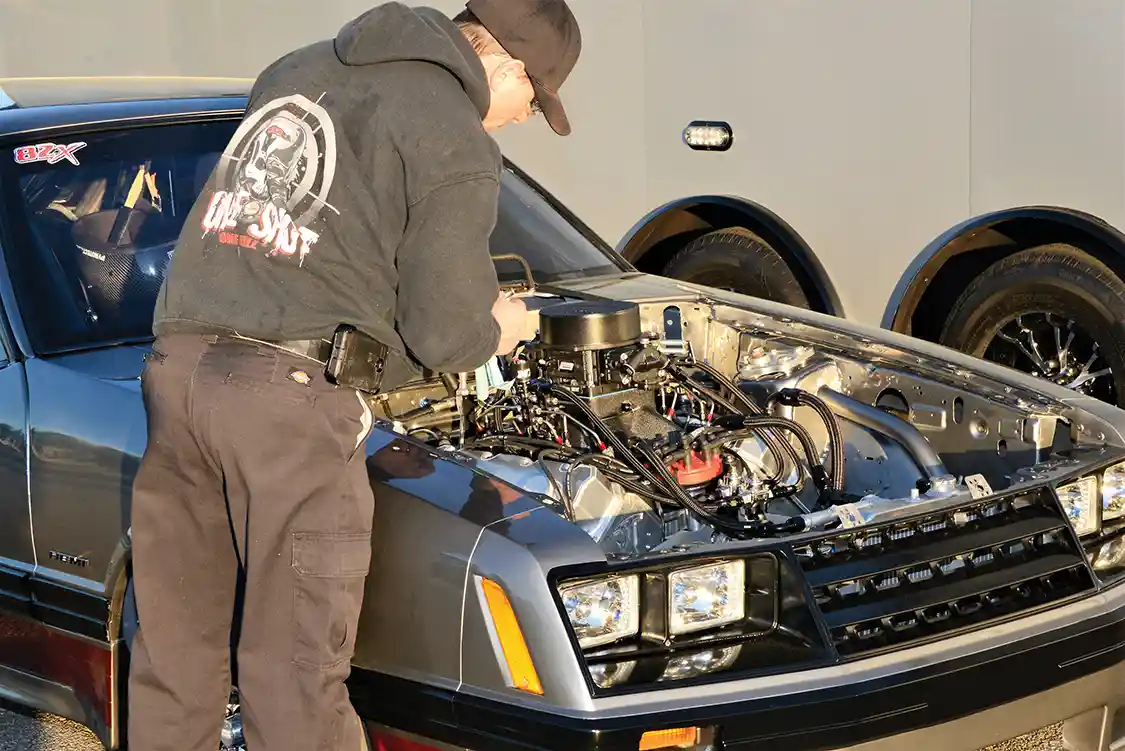
A visit to Coupe Performance facilities in Covington, Georgia—one of the most successful preparation shops in the country—reveals around 50 race cars, all with their hoods shut to the visitor’s prying eye. Founded by Milner in 2001, he acknowledges the Fox-body has an OEM rear suspension that resembles a competition 4-link system. Therefore, it’s eminently suited to competition. The car is also relatively light with a plentiful supply of racing components available.
Hammerhead Performance Engines
Snellville, GA
678.588.0874
Contact Greg Brown
Hammerheadperformanceengine.com
Coupe Performance
Covington, GA
678.409.4685
Contact Scott Milner
All Feature Vehicles
I’m a fan and regular viewer of PowerNation’s popular Truck Tech. Truck Tech gives viewers insight and information from the mechanic’s perspective. Their knowledge definitely… Continue reading
MICHAEL ECKERSON . February 03, 2023

Events
This is a video from the upcoming Street Trucks Magazine photo shoot on the famous “The Look That Kills” Nissan 720 that Kal Koncepts built… Continue reading
Adam Johnson . October 15, 2021
All Feature Vehicles
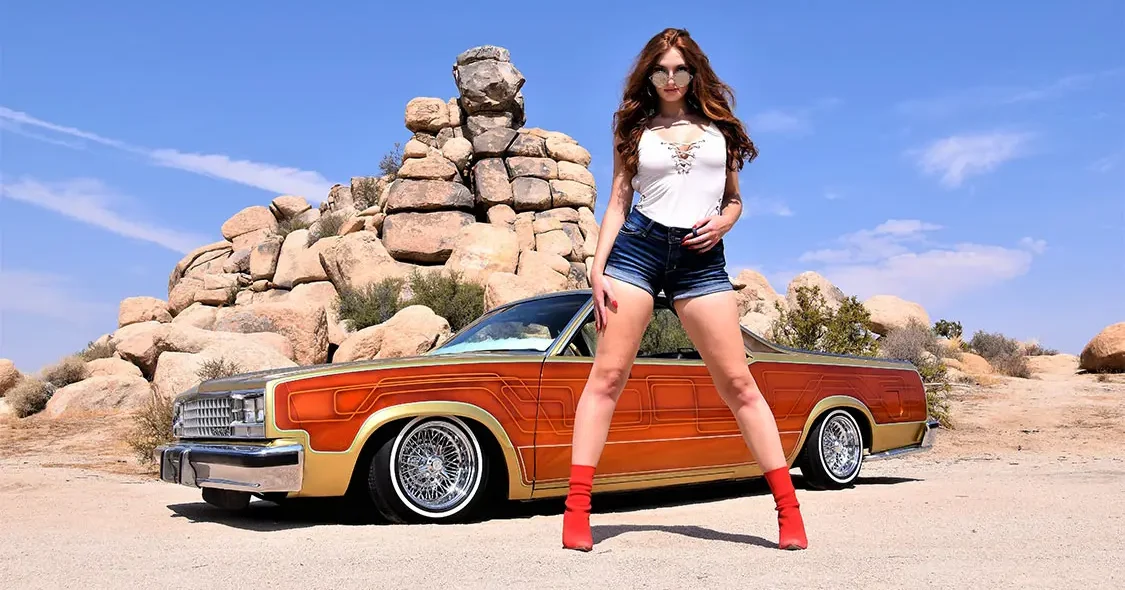
When you combine Billy’s love of custom cars and the Latino culture you obviously end up with a Lowrider El Camino. Yes sir. You… Continue reading
TOM GOMEZ . May 19, 2023
Diesel World
A Yearly Gathering to Keep the Memory of Ryne Cooper Alive The Useless Truck Meet, a vibrant and community-focused event, made its return to Lafayette,… Continue reading
DW STAFF . April 10, 2025
Buyer’s Guides
It Takes a Village to Keep Our C10 Community Thriving The give and take. The yin and yang. No matter what you call it, it’s… Continue reading
Ronnie Wetch . June 09, 2023
Events
14th LMC Truck Spring Lone Star Nationals The Goodguys 14th LMC Truck Spring Lone Star Nationals presented by Old Air Products took over Texas Motor… Continue reading
Chris Hamilton . September 11, 2024



Concours D'Elegance
Cobble Beach Resort 221 McLeese Dr, Kemble, ON N0H 1S0
Charity Car Show
Mesa Marketplace 10550 E. Baseline Rd, Mesa , Az 85209
CHICO CONCOURS Car Show
Silver Dollar Fairgrounds 2357 Fair Street, Chico, CA 95928
Goodguys 33rd Summit Racing Lone Star Nationals
Texas Motor Speedway 3545 Lone Star Circle
The Sparks Show
Sevierville, TN
We use cookies to enhance your browsing experience, serve personalized ads or content, and analyze our traffic. By clicking "Accept All", you consent to our use of cookies. Visit our Cookie Policy for more info.



 Please wait...
Share Link