










 Andy Wilsheer
.
November 24, 2026
.
Chevrolet
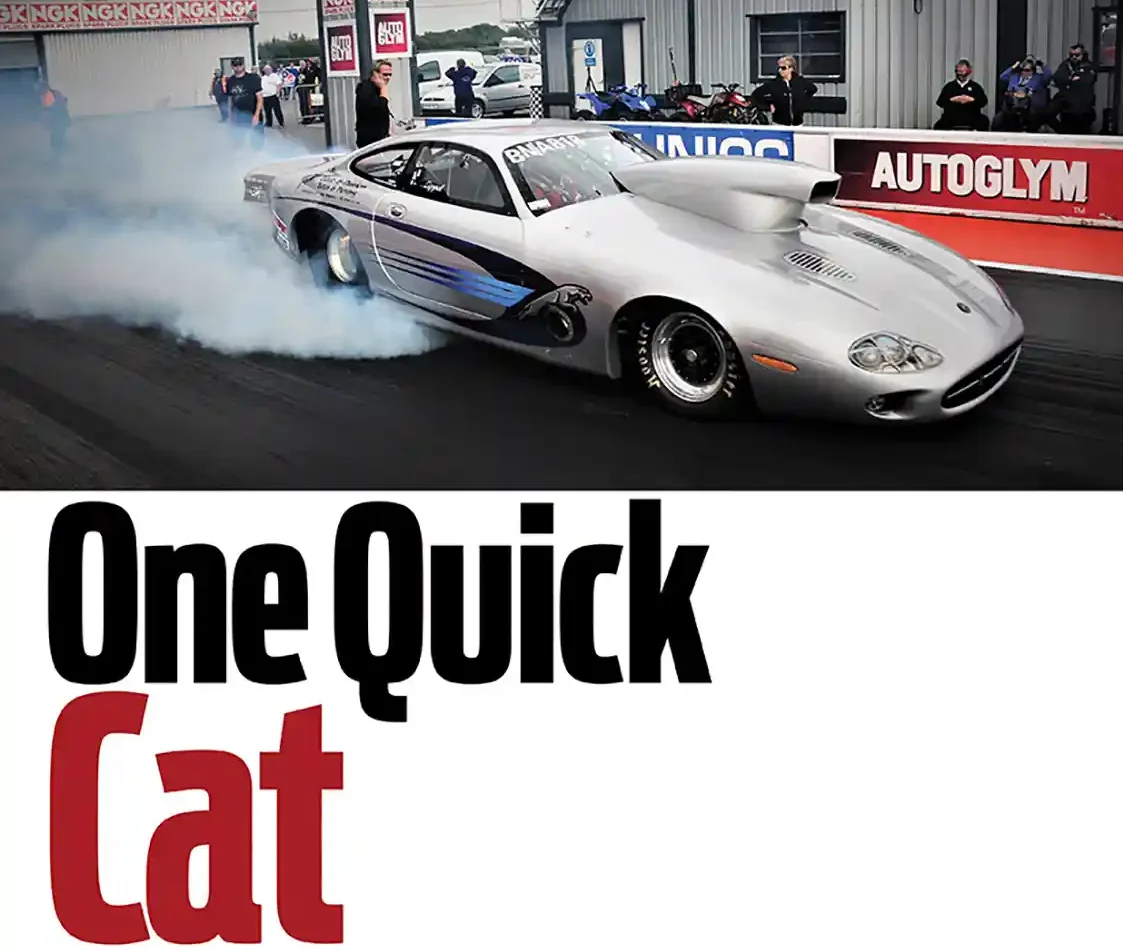
Blame it on Racingjunk.com. Jens “Zippel” Zimmermann, quarter-mile devotee for more than 20 years and fearless campaigner of three different-year versions of the venerable Chevy Nova, was hankering to move up the drag racing food chain, after a decade of competing largely in Super Gas behind the wheel of ’60s and ’70s bow-tie haulers.
Perusing the internet in 2008, he came across a for-sale advertisement for a svelte, one-of-a-kind Jaguar XKR. Jens reckoned this was the car of his dreams and contacted friend and fellow racer Klaus Romahn. Jens was flabbergasted to learn that Klaus was familiar with the car and thought it was a stunner. Klaus first spotted the Jag while visiting the States with his wife in 2003, during which he worked in a stop at the IHRA World Finals in Rockingham, North Carolina.
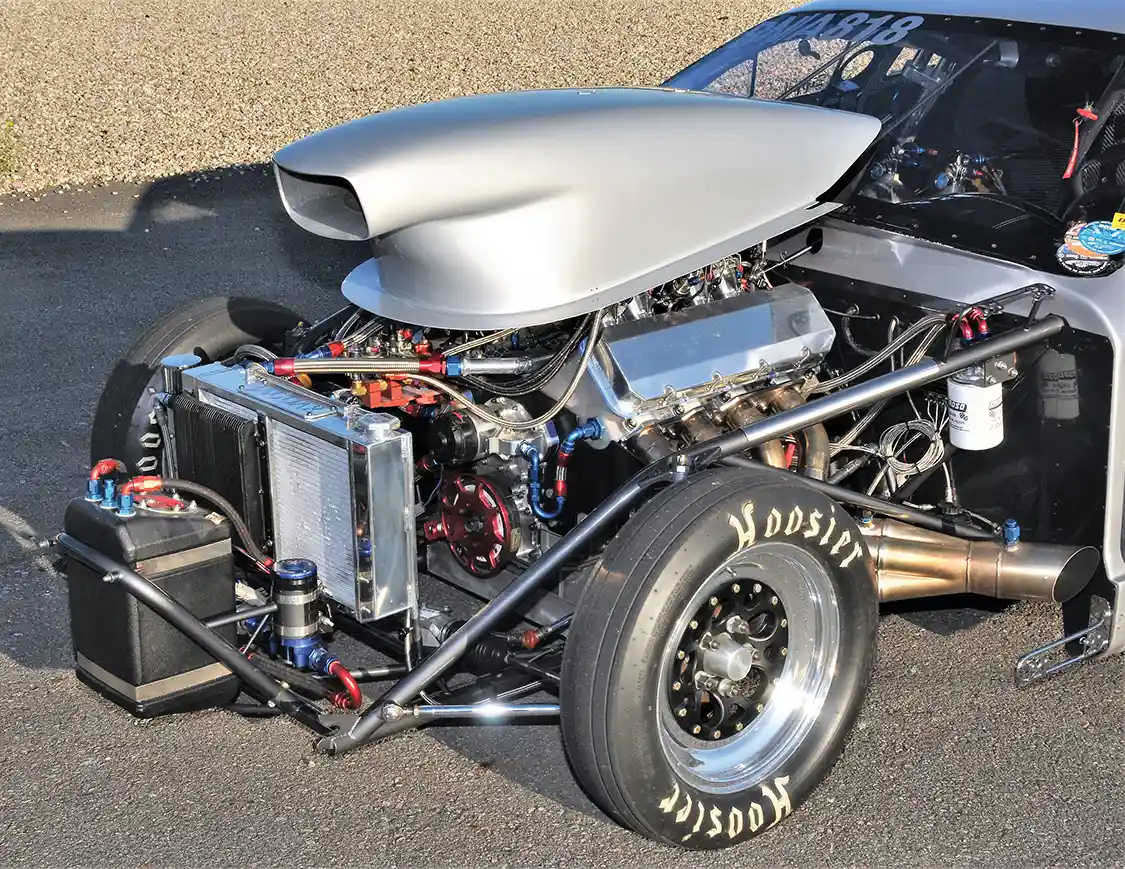
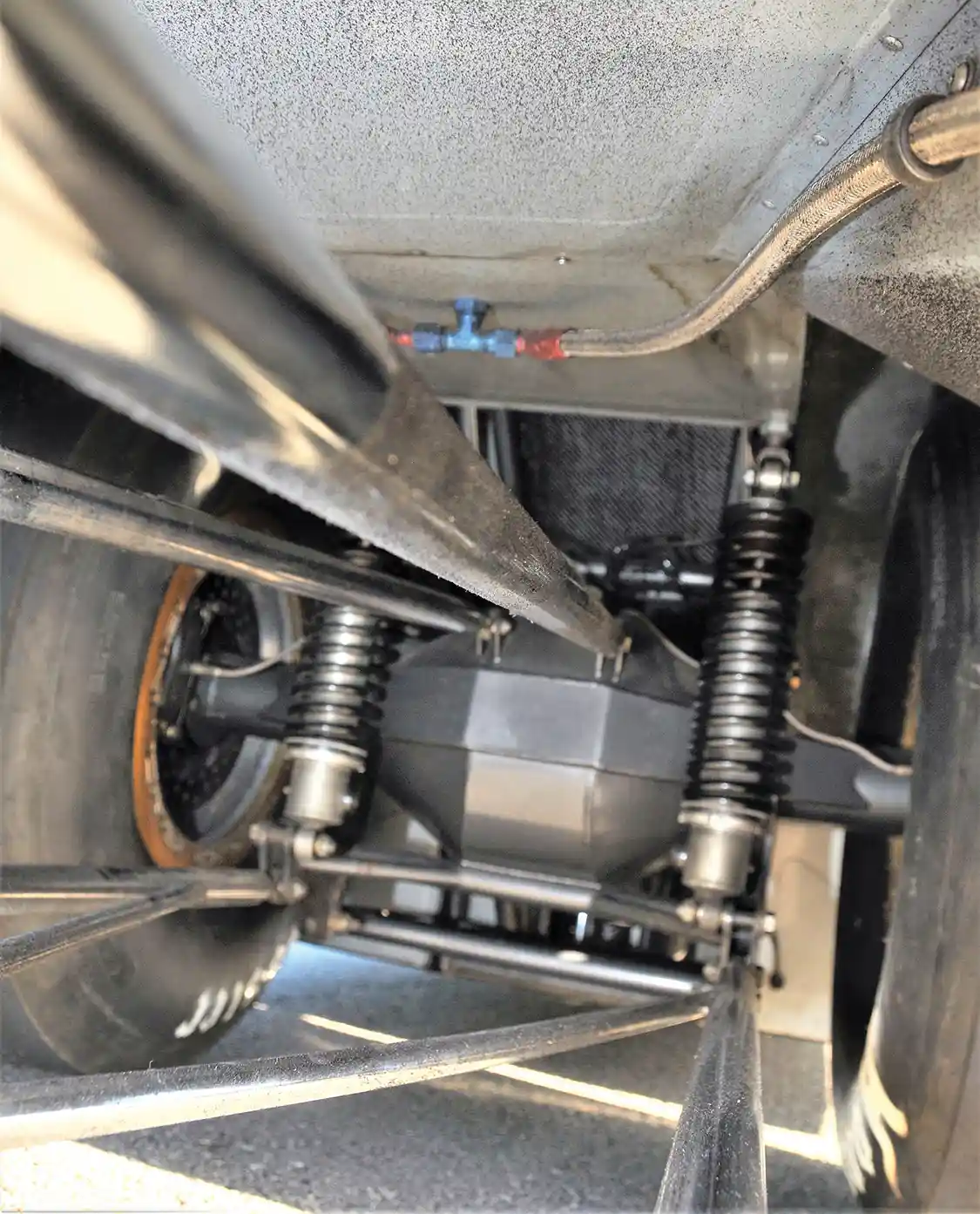
Curious to learn about the unusual race car, Klaus spoke to members of the Michigan-based team and discovered the vehicle was just very recently completed by Little John at LJ Chassis Ltd in Ontario, Canada, and although he specialized in circuit cars, this was the second drag race machine he’d constructed.
This unique project was instigated by Ford dealer Ed Clifford and driven by son Joe. Since Jaguar was owned by the Ford Motor Company at the time, Ed felt he wasn’t being disloyal to the blue oval marque. Besides that, the long-time competitor (he started racing in 1963), having wheeled a variety of FoMoCo cars in various classes, knew it would be a standout entry because it was so different from the more mainstream door cars. It would also be a worthy replacement for the Ford Probe Top Doorslammer he wrote off following an accident in 2002.
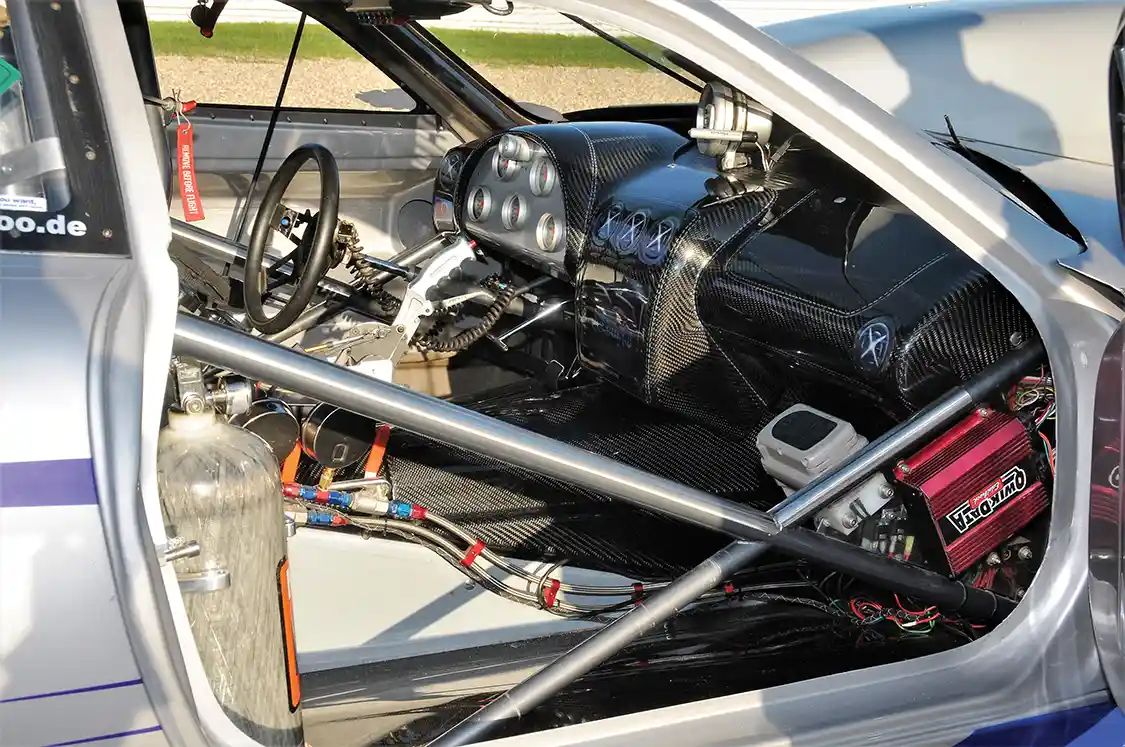
Little John had previously constructed an XKR for Canadian Pro Stock racer Mike Mahon, which was unfortunately totalled in a testing incident, and felt coming up with a second straight-line version would be relatively simple. Suffice to say, the project was completed with no major hassles, and after a successful few seasons, with Joe capably handling driving duties and owner/crew chief Clifford taking care of other matters, it came time to part company with the fan-favorite machine.
With propitious timing for both buyer and seller, Jens procured the Jag as a rolling chassis replete with Powerglide box and Racepak data logger. The new ride was shipped across the Atlantic in a race trailer, which was another astute purchase. With a Chevy 632-ci engine installed between the frame rails, “Ed was none too impressed with my choice of power plant in the race car,” Jens said, “but this was ideal for use in Super Gas competition,” a class with which the new owner was all too familiar and where he had enjoyed more than a modicum of success.
The omnipresent quest for more speed led Jens to step up his game, foregoing the delights of 9.90-second racing to compete in the index-linked Competition Eliminator ranks. The new format required the installation of an NOS fogger system for added urge, a combination that designated the car as an A/NA entry. Jens mentioned that “this strong-running setup proved to be totally reliable, but it easily enabled the car to run well under the index, something that was far from ideal.” He decided to have noted Swedish Pro Mod campaigner Adam Flamholc construct a 500-ci engine employing a two- and three-stage nitrous unit, a potent permutation that was rather expensive but worth every penny as far as Jens was concerned. The Jag ended in the winner’s circle its first time out running in B/NA, the classification change being correlated to the smaller engine capacity.
Unfortunately, the Flamholc powerhouse failed at a subsequent event at Jens’ home track, Malmö Raceway in southern Sweden, a four-hour trip from his home in Torgelow, near the Polish border. The driver admitted that the team’s inexperience with the nitrous setup, along with a faulty ignition box, caused the reciprocating mass to expire. However, the team fully rebuilt the motor during the off-season, and they were chuffed when on the next outing the car was running stronger than ever and back to its winning ways.
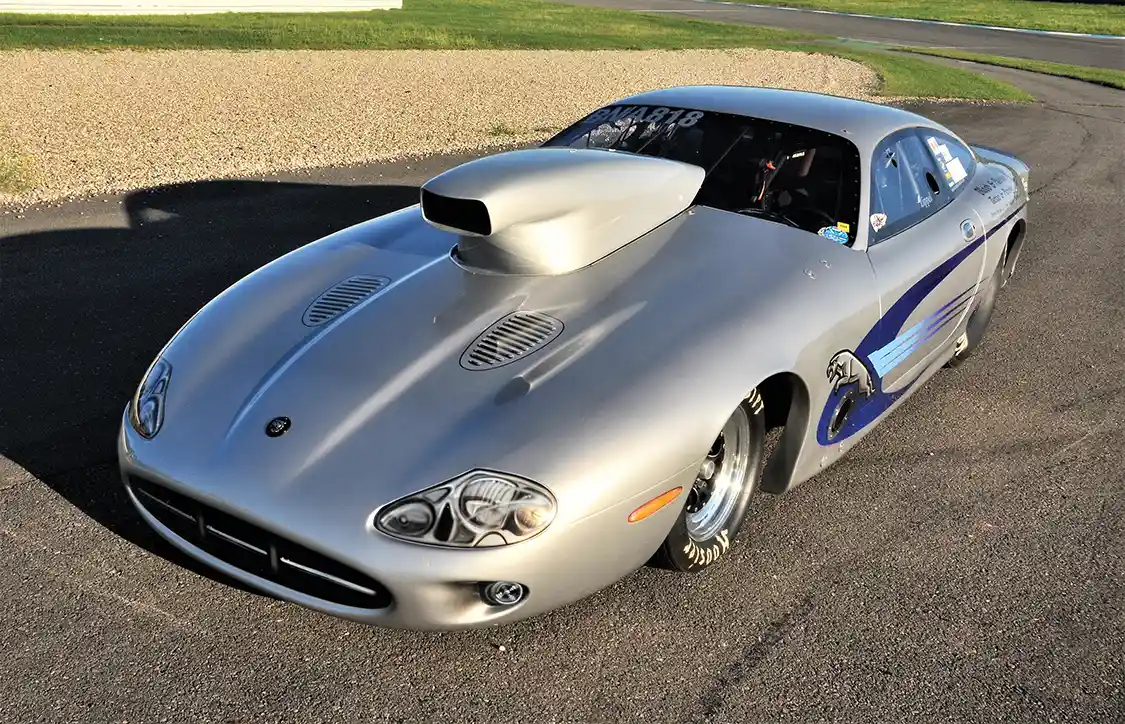
At Tierp Arena the fields are much larger than in Malmö, but the enthusiastic group nonetheless endeavored to make a couple of races there as well as Hockenheim’s NitrOlympX. A bonus in 2017 was an appearance at Santa Pod’s Euro Finals—Klaus had run his Corvette C5 at the track in Comp Eliminator in the past—but regrettably, mechanical woes prevented the Jag from making round one of Sunday’s final eliminations.
Such are the breaks in the straight-line wars, but the distinctive silver machine will be back this season to contest the usual four or five races per annum that have become the norm. “We could compete at some more events,” said Klaus, “but this would entail crew members using even more of their holiday entitlement [everyone has a regular job], and this might lead to domestic disharmony were we to go down this road.”
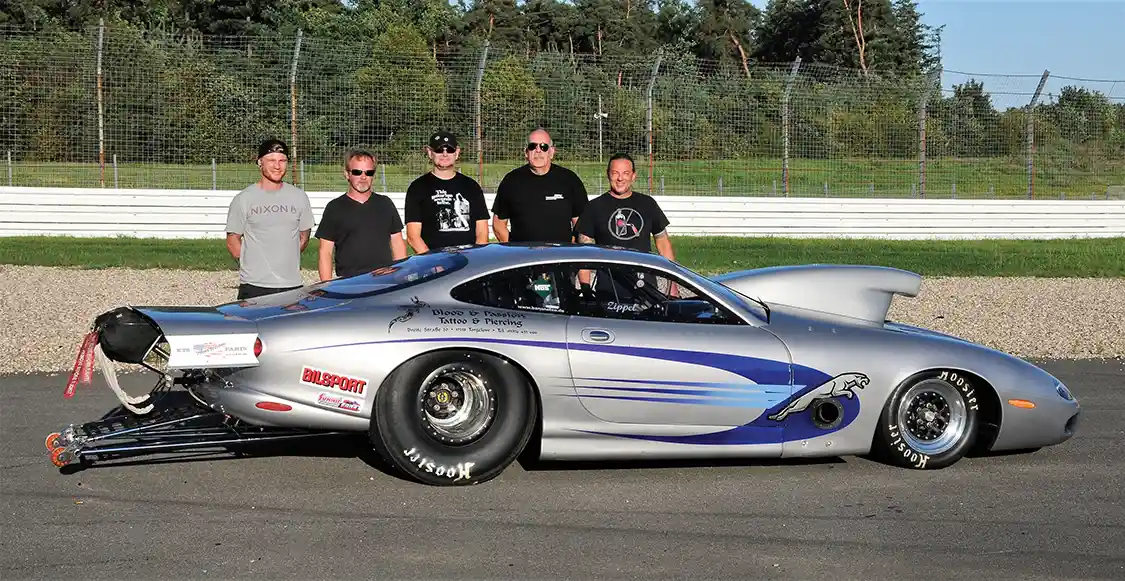
This silver cat has made quite an impression upon Jaguar enthusiasts and race fans on both sides of the Atlantic. Although some purists may feel the Indian-owned, quintessentially British marque should confine traditional race endeavours to road courses, it’s as well that talented sprayer Jens and his loyal crewmen—crew chief Klaus Romahn, Martin Bastian, Olaf Knocke and Alfie Tesmer—are determined to keep the seven-second snarling feline flyer’s hunting prowess firmly confined to prey found at the drag strip.
Events
Packed with Over 500 Custom Vehicles The O’Reilly Auto Parts Sacramento Autorama at Cal Expo is one of the world’s longest-running indoor car shows, and… Continue reading
Chris Hamilton . January 13, 2025
Chevrolet
AS SEEN IN OUR STREET TRUCKS AUGUST 2026 ISSUE – Buy Now! Todd Lozier’s 1957 Chevy Cameo TODD Lozier from Redmond, Washington, didn’t set out… Continue reading
STREET TRUCKS STAFF . October 28, 2026
Feature Stories
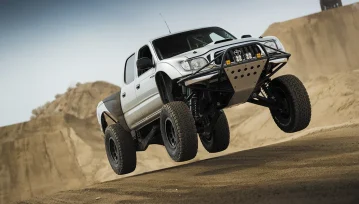
Taking a Chance on a Pre-Owned Taco We’ve all spent endless hours online searching for local and not-so-local trucks listed for sale. Even if we… Continue reading
John Mata Jr. . February 20, 2025
Drag Racer
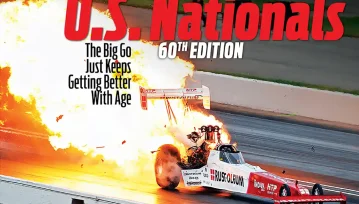
The Big Go Just Keeps Getting Better With Age NHRA threw a birthday party for its premiere national event for these past 60 years and… Continue reading
Pete Ward . May 12, 2026
Feature Stories
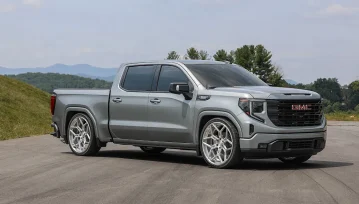
Stock trucks are something most of our readers try to avoid. Sure, when it comes to work trucks, owners keep them stock for most of… Continue reading
Chris Hamilton . November 08, 2023
Events
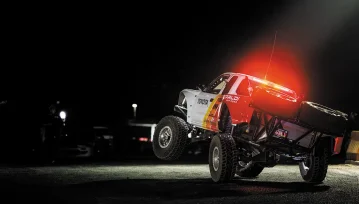
Season 3 In 2019, the founder of Terra Crew, James Holguin, had an idea. What if we created an event that catered to multiple genres… Continue reading
Evan Walsh . August 20, 2025

We use cookies to enhance your browsing experience, serve personalized ads or content, and analyze our traffic. By clicking "Accept All", you consent to our use of cookies. Visit our Cookie Policy for more info.


 Please wait...
Share Link