










 Chad Dougla S
.
November 17, 2026
.
Feature Stories
AS SEEN IN OUR Tread Sept/Oct 2026 ISSUE – Buy Now!
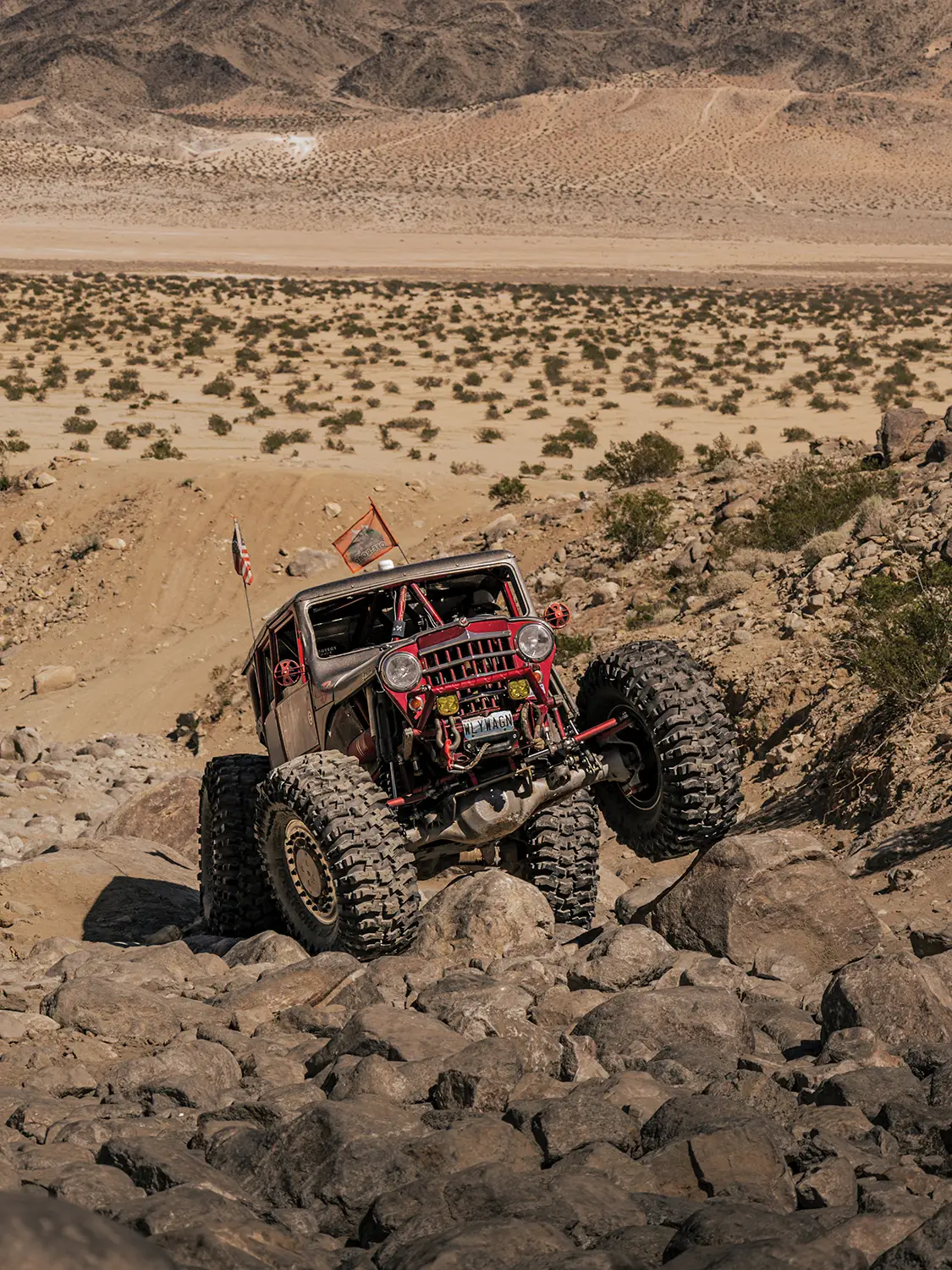
When most people think of a 1951 Willys Wagon, they picture a restored classic that spends its weekends at car shows. Grant Hedblom had a different idea. He wanted something that could tackle some of the toughest trails in the Pacific Northwest, handle long days off-road, and still stand out from everything else parked at the trailhead. The result is “Willy Wag’N,” a one-of-a-kind off-road wagon that took roughly five years to build. What started as a vision for an off-road recreation vehicle turned into a full custom build centered around capability, reliability, and doing things a little differently.
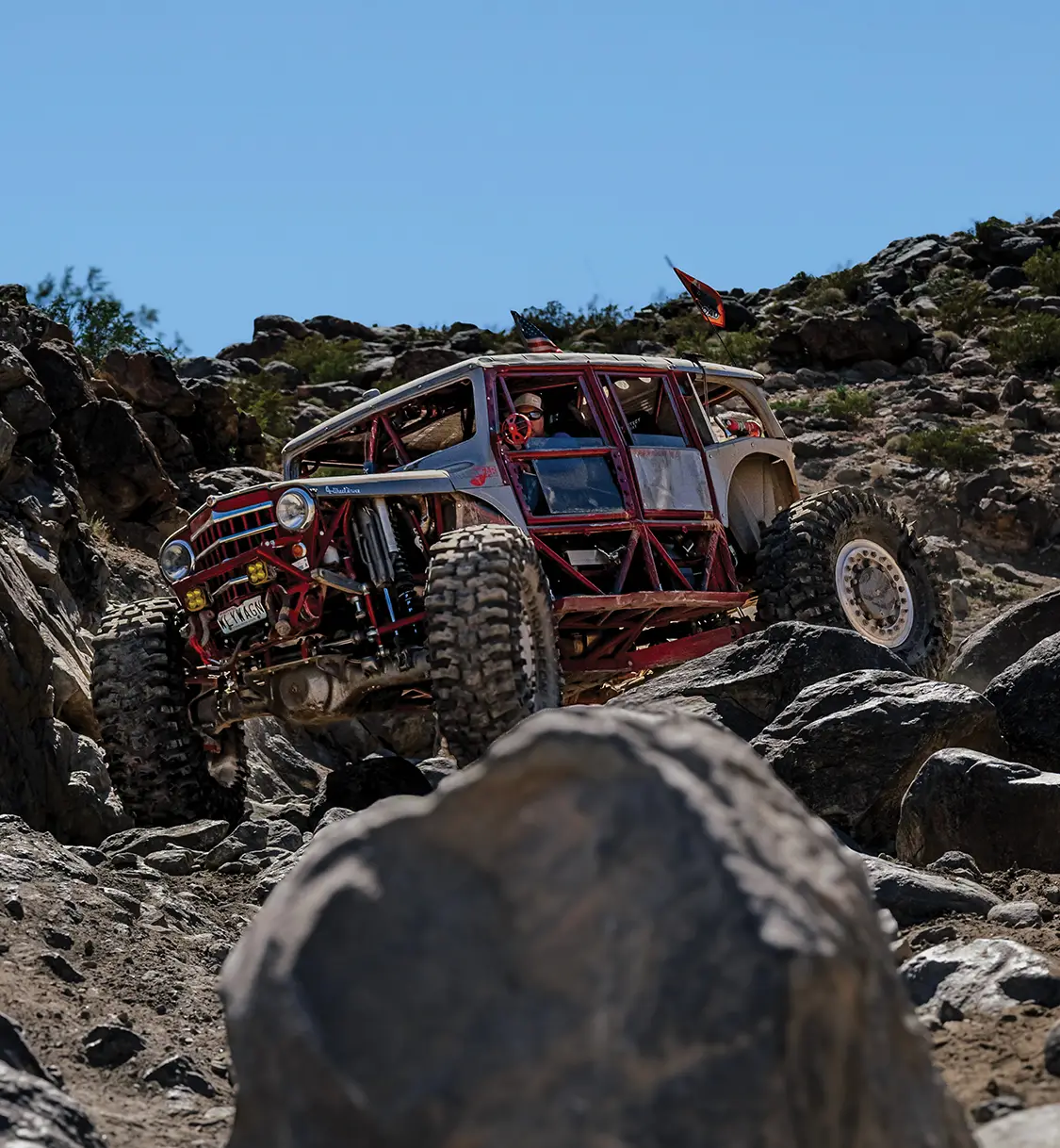
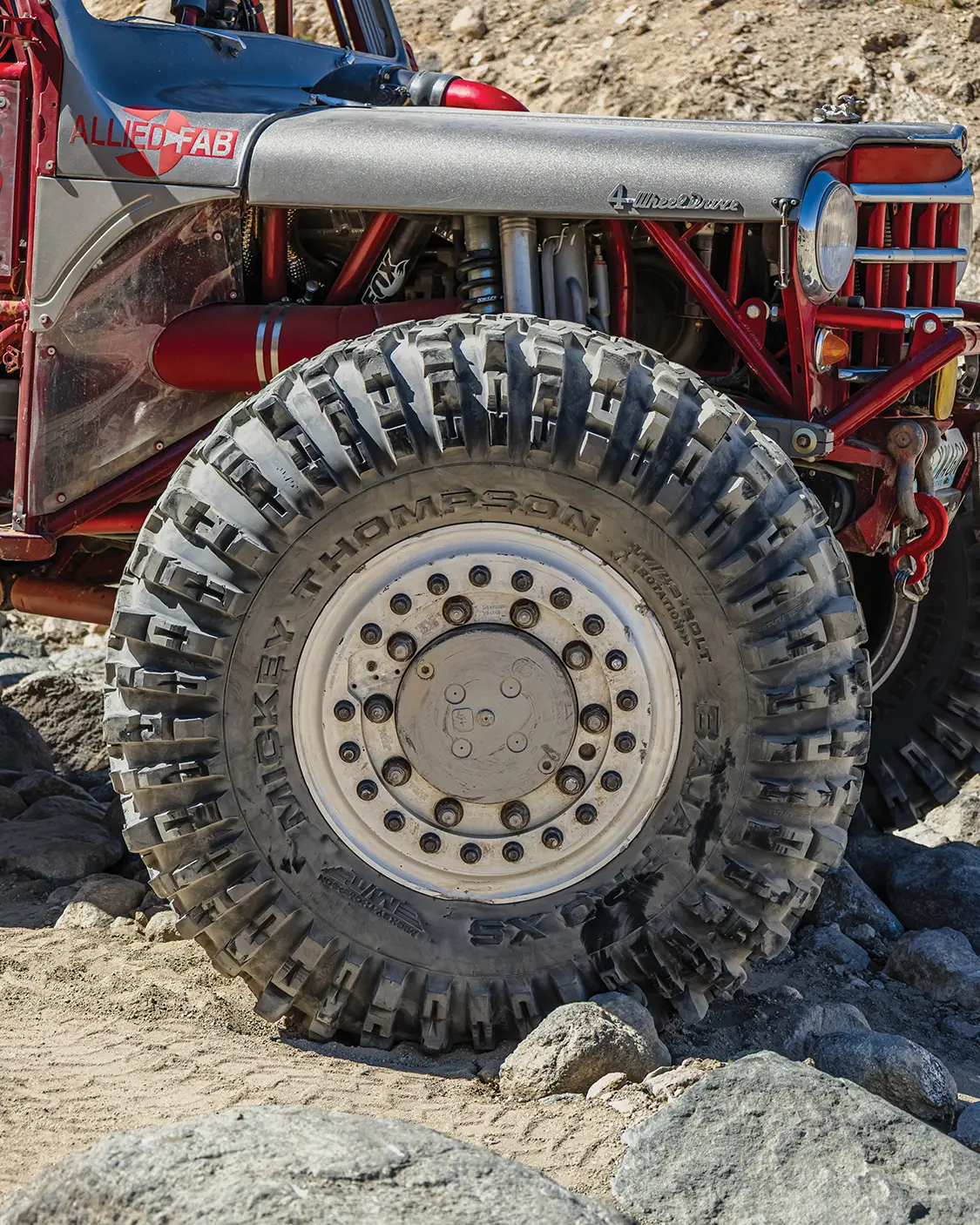
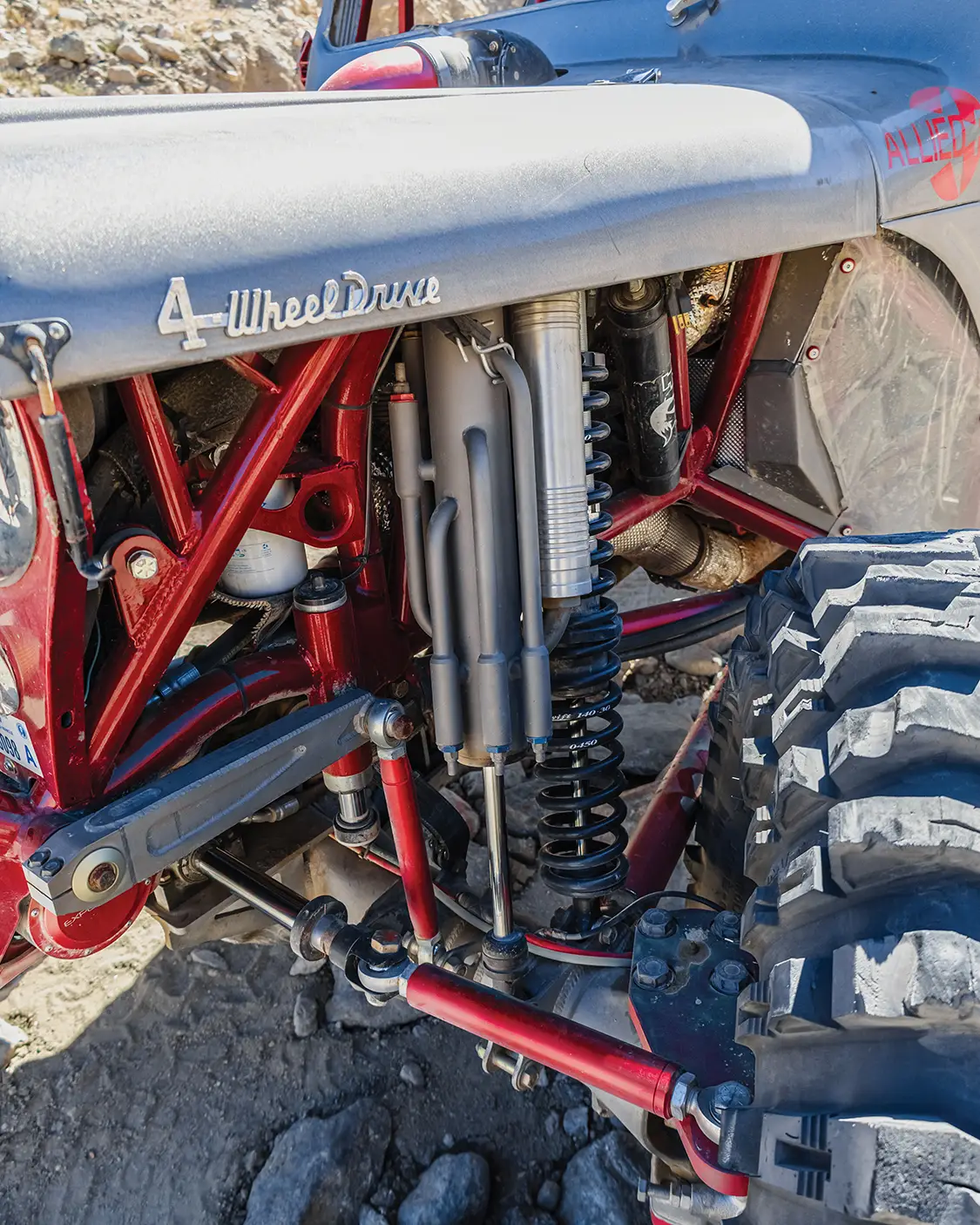
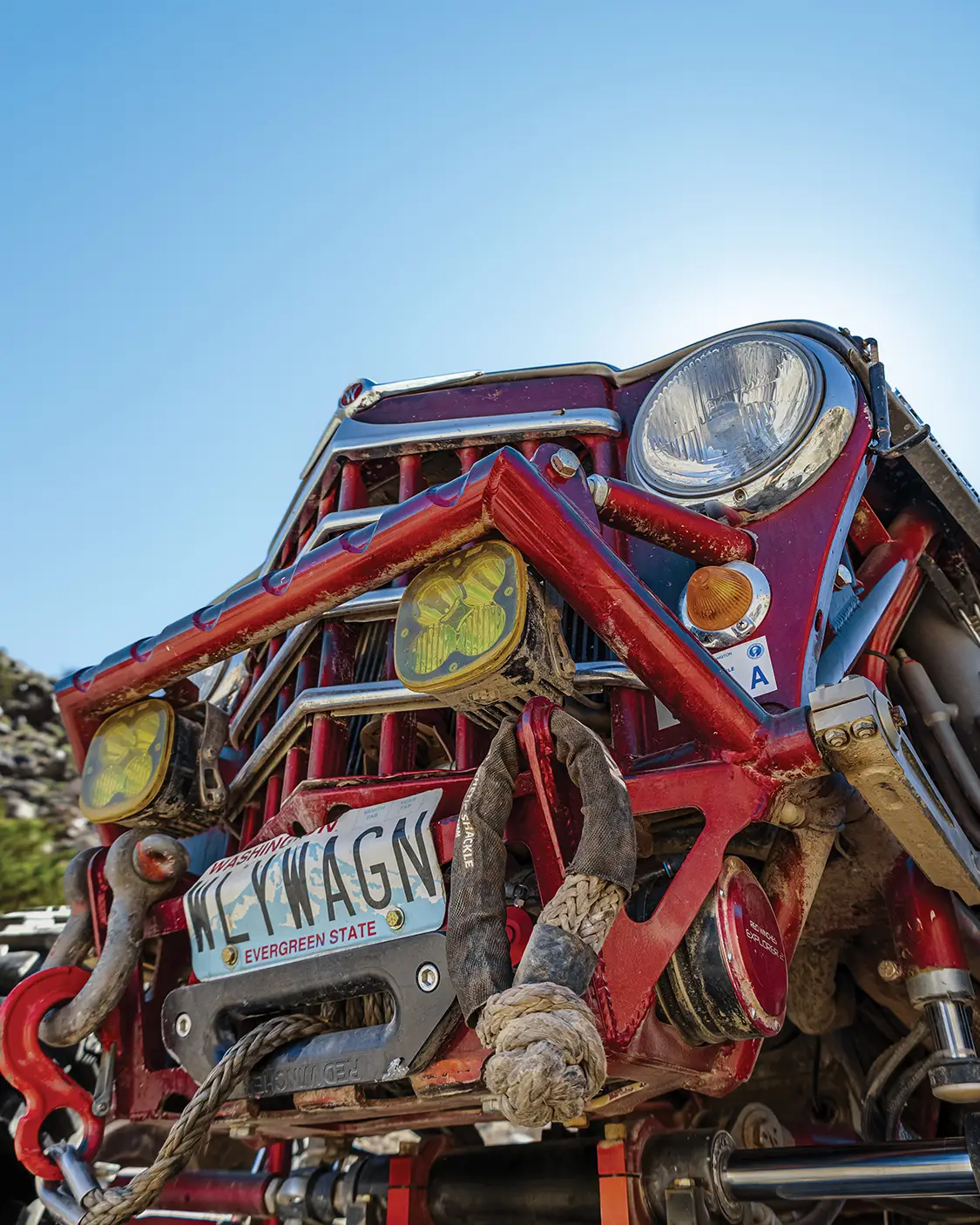
The first thing people notice is the body. The classic Willys Wagon shape is still there, but underneath is an entirely custom chassis built by Allied Fab. The wagon rides on a 137-inch wheelbase and sits on massive 49-inch Mickey Thompson Baja Pro XS tires mounted to 20×10 Hutchinson MRAP factory wheels.
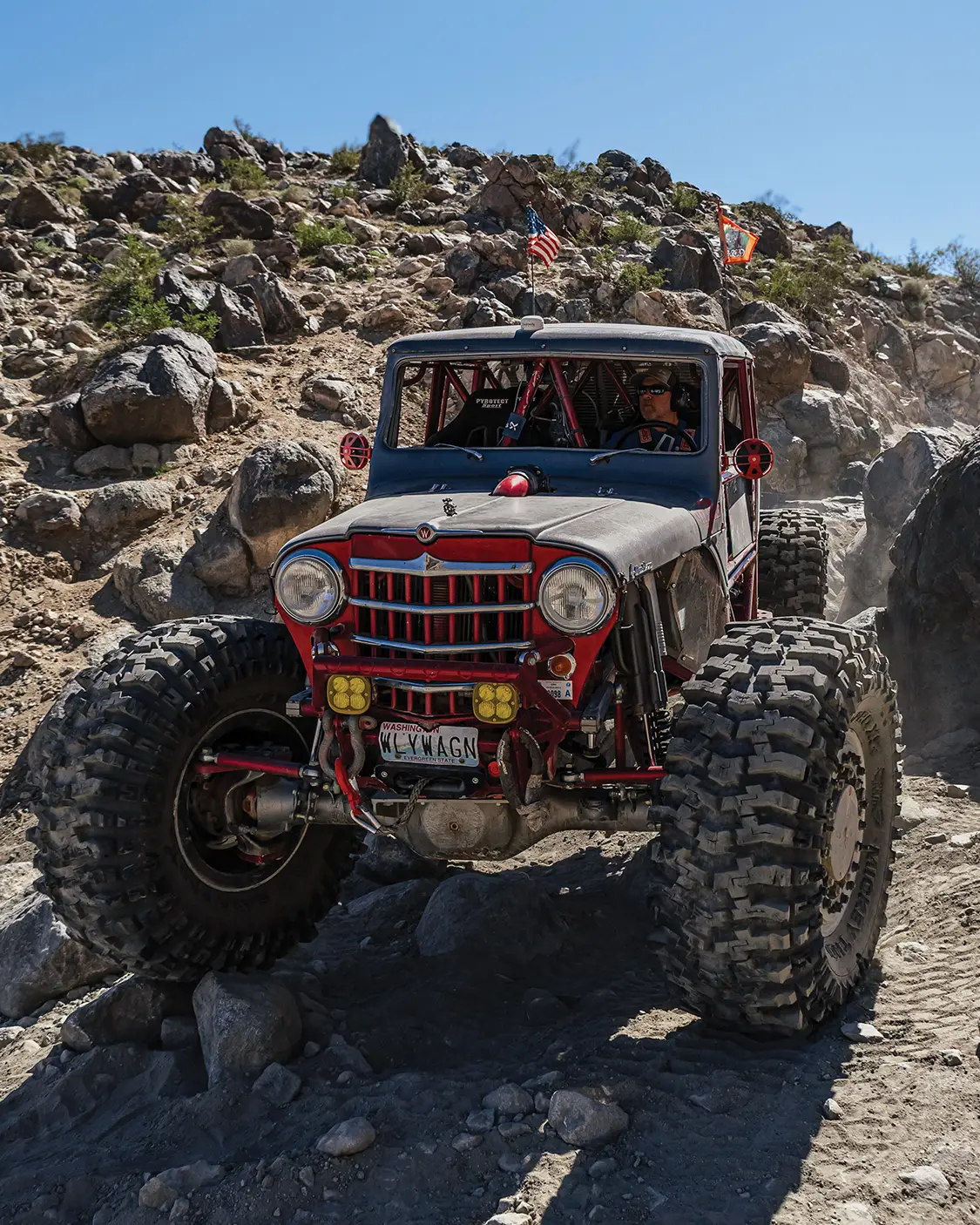
Even before hearing it run, it’s obvious this isn’t your average trail rig. The paint helps tie everything together. Finished in Firemist Pewter and Firemist Red by Casey Quigley, the wagon keeps a clean, timeless look while still feeling aggressive enough to match the hardware underneath. It’s the kind of build that looks just as good sitting still as it does covered in mud at the end of a trail ride.
Of course, the real story begins when you look under the hood. Power comes from a 2024 Merlin 541ci big block Chevy that was built by Dennis Baccus. The engine uses Boostline connecting rods, a Callies Magnum crankshaft, a custom Bullet billet camshaft, fully ported AFR 325cc Magnum heads, and an RHS intake manifold. Fuel is supplied through FIC 2150cc injectors and managed by a Holley Dominator system. To make sure the big block has all the air it could ever need, Grant went with a 94 mm Precision turbocharger along with dual 60 mm wastegates. Running on E85, the combination produces more than 1,500 horsepower. That’s a number most people would associate with a race vehicle, not something built for recreational off-road use.
Keeping everything alive is just as important as making power. A Griffin oil cooler mounted behind the grille helps control temperatures, while the fuel system uses a 32-gallon tank with a 10.0 GPM Aeromotive main pump and a Mopar Hellcat backup pump for added reliability. Every part of the system was chosen with the understanding that a breakdown miles from camp is a lot different than a breakdown in a parking lot.
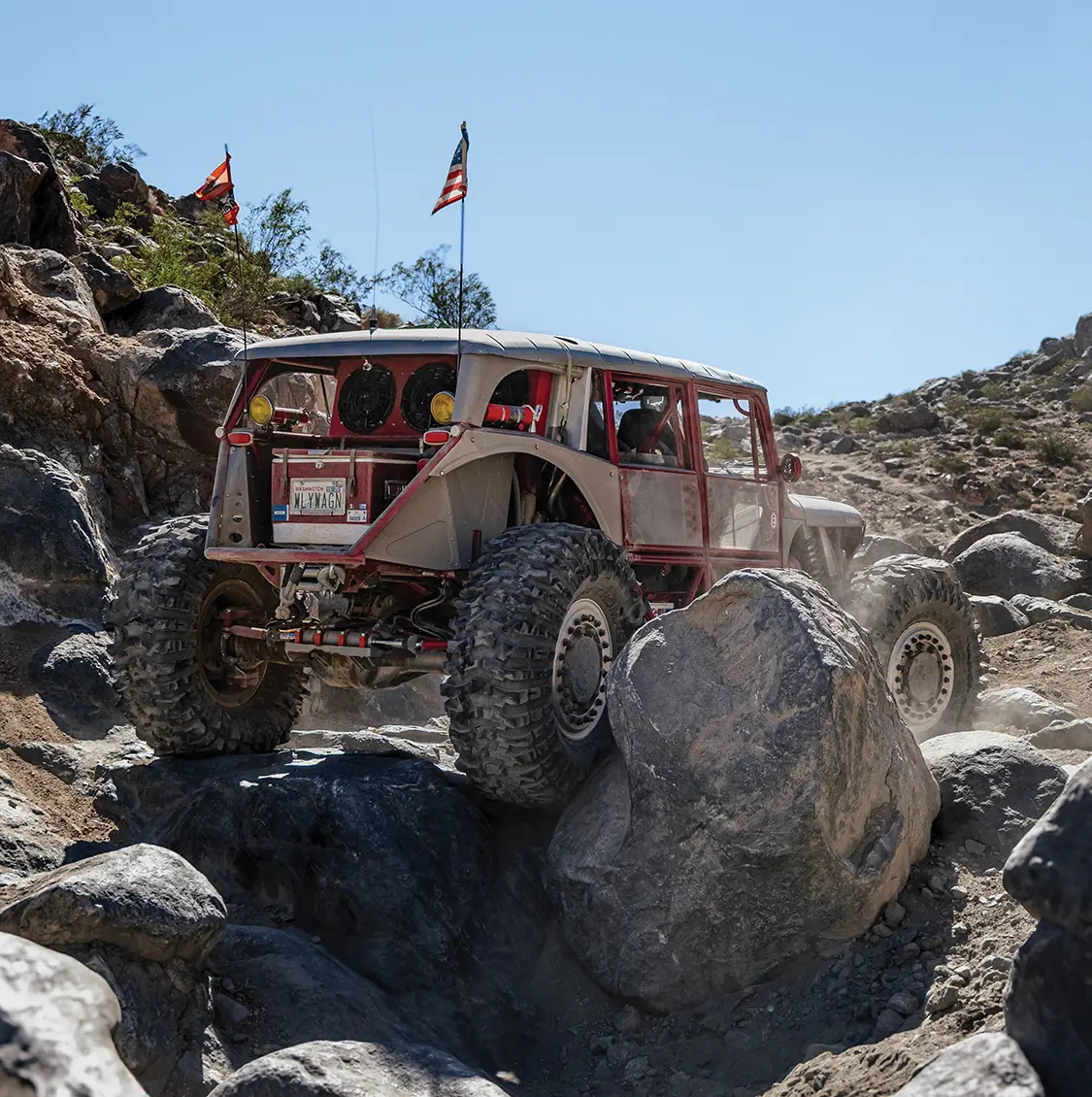
The drivetrain was built with the same mindset. A heavily upgraded 4L80E transmission sends power through a Magnum/SCS transfer case. The transmission features billet shafts, a Reid bellhousing, radial center support, and a PTC torque converter. Maximum Transmission handled the transmission work, creating a setup capable of surviving the abuse generated by a turbocharged 541ci big block. From there, power travels through custom 1480 chromoly driveshafts to a pair of AxleTech 4000 axles. Both axles run 6.80 gears and air lockers, providing the strength needed for the combination of horsepower and tire size. It’s not a drivetrain built around compromises.
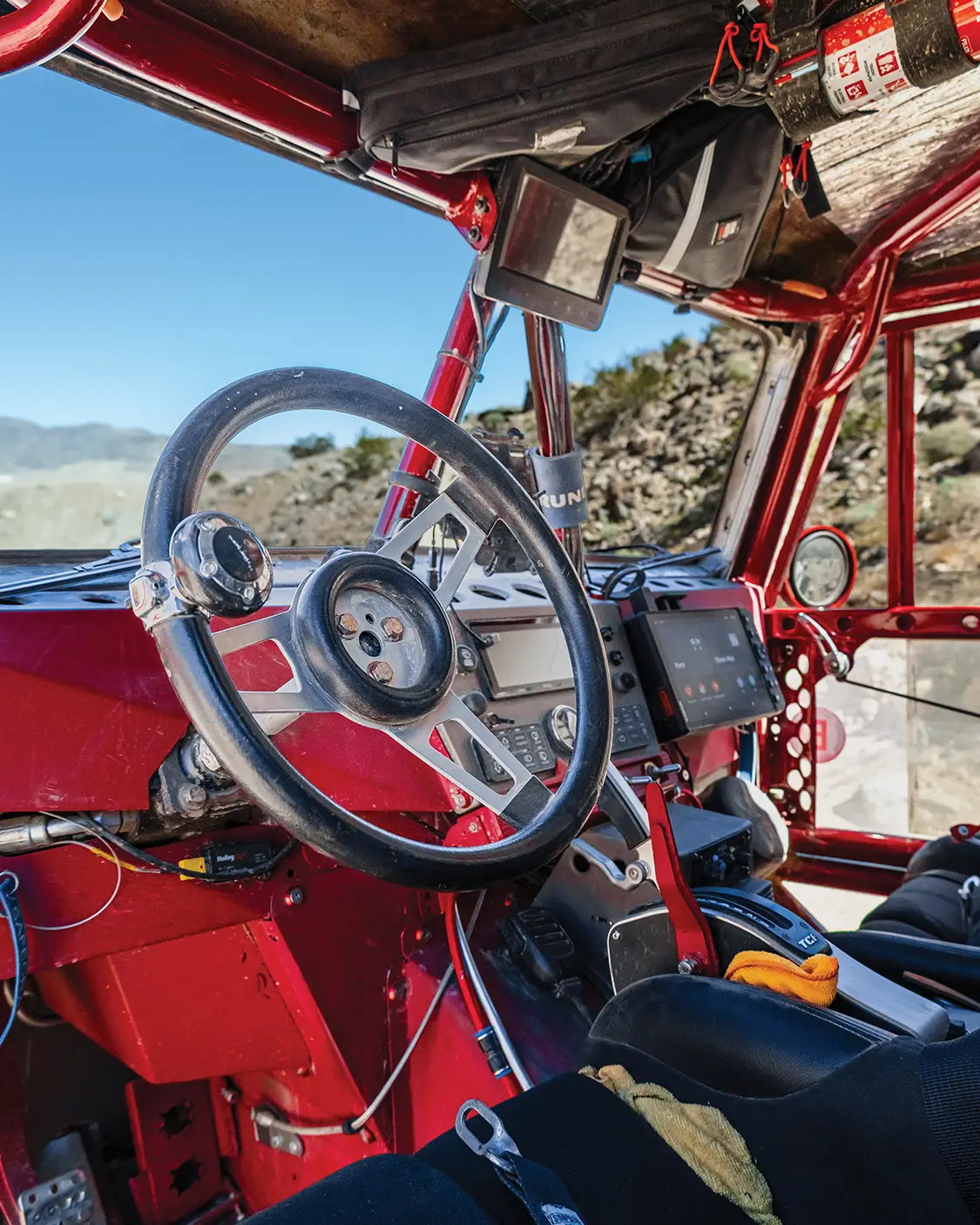
Every component was selected because it could handle the punishment. One of the most unique features of the build is the four-wheel steering system. Using Radial Dynamics hydraulic components along with a return-to-center kit, the rear wheels can steer along with the fronts. For a vehicle with a 137-inch wheelbase and nearly 50-inch tires, that extra maneuverability makes a huge difference in tight sections of trail.
The suspension setup was designed to keep the wagon under control no matter what kind of terrain it encounters. FOX 2.5 coilovers work alongside 3.0 and 3.5 bypass shocks and 2.0 and 2.5 bump stops to manage the wagon’s substantial weight. According to the build sheet, the finished vehicle weighs approximately 8,260 pounds with a slight 200-pound bias toward the front. That weight figure surprises many people until they realize just how much equipment is packed into the build. Between the drivetrain, suspension, steering components, large tires, and reinforced chassis, every pound serves a purpose.
Braking is another area where no shortcuts were taken. Wilwood brakes are used front and rear, paired with a 2018 Ford F-450 master cylinder. Custom laser-cut rotors and waterjet-cut caliper mounts were built specifically for the application. According to Grant’s notes, the brake package reduced weight by approximately 137 pounds per corner in brake components alone.
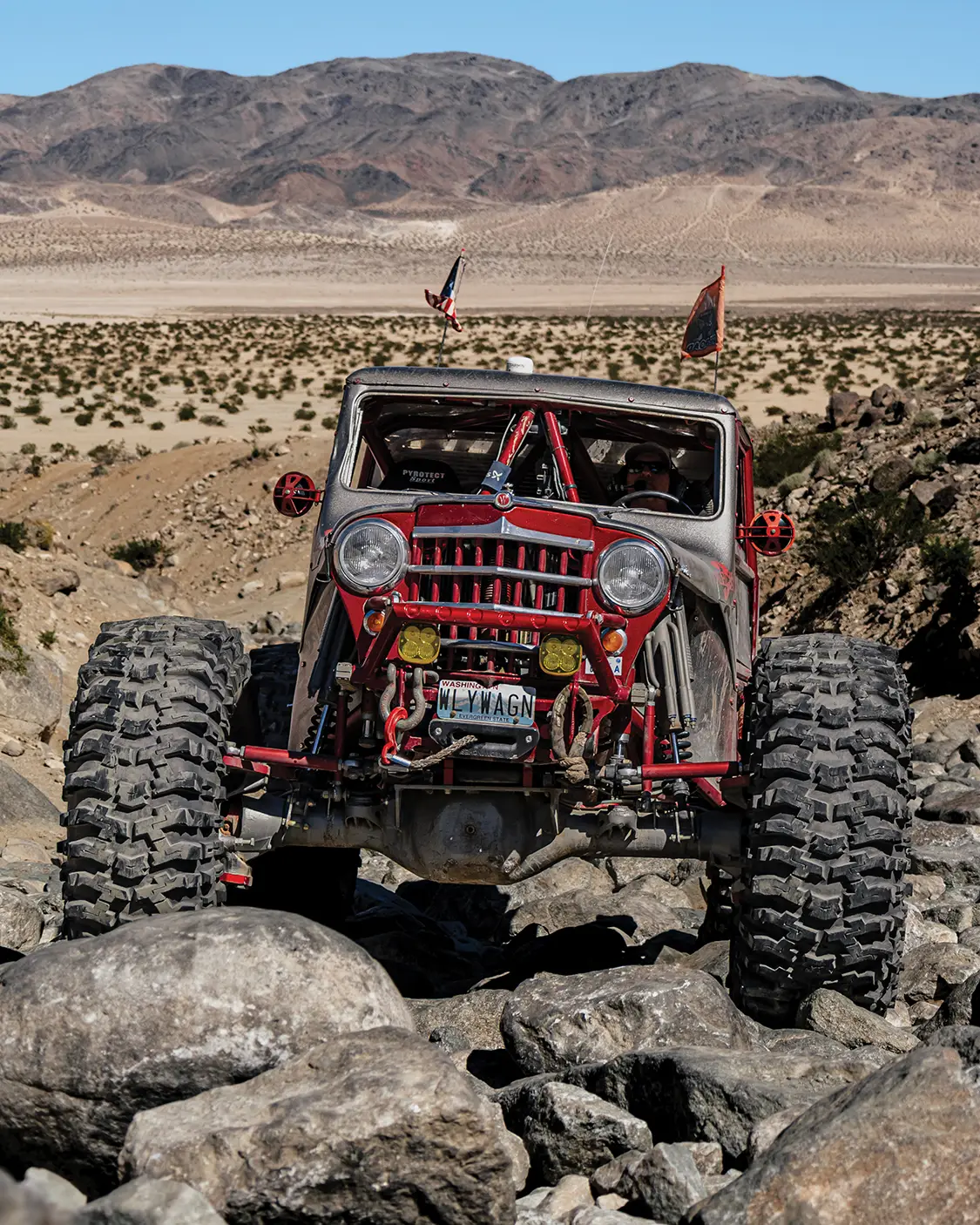
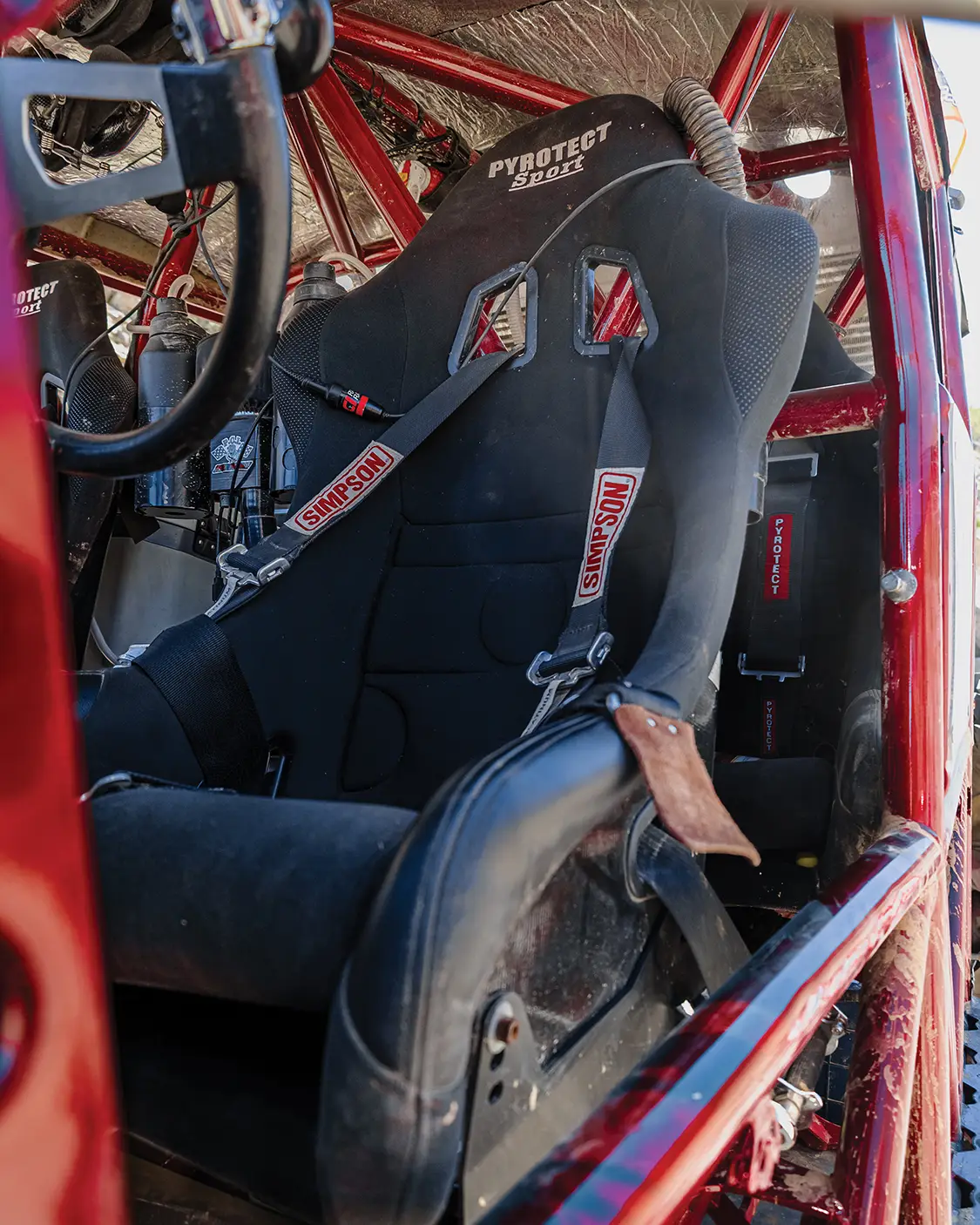
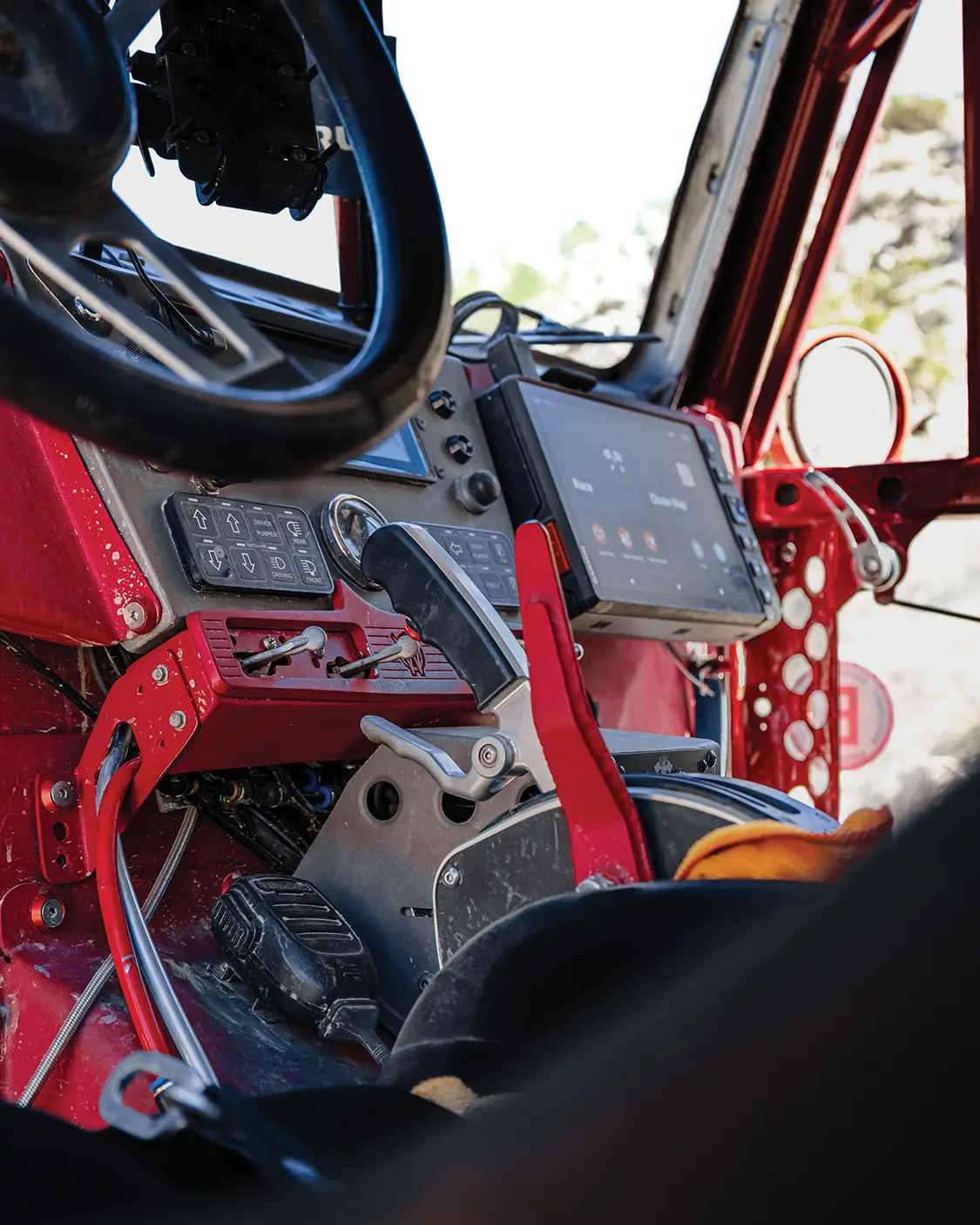
Inside, the wagon stays focused on function. Pyrotect Sport hard-shell seats provide support during long days on rough terrain, while a Holley 6.86-inch Pro Dash keeps all the important engine and vehicle information directly in front of the driver. PCI Bluetooth intercoms handle communication, making conversations easier when the engine is making four-digit horsepower and the tires are clawing through obstacles.
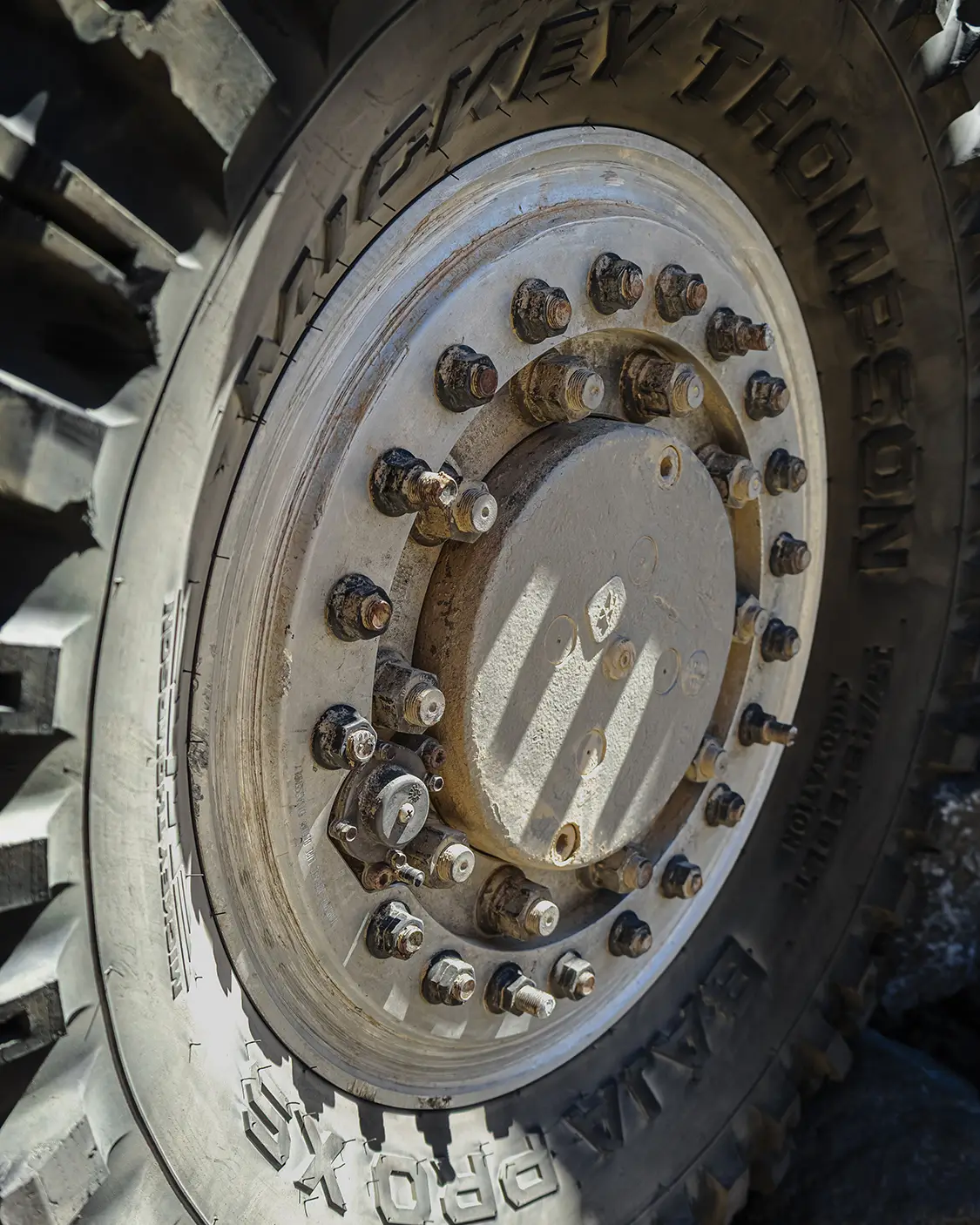
Like many large custom builds, getting Willy Wag’N to this point wasn’t easy. When asked what problems he encountered during the build, Grant’s answer was simple: “More problems than I can remember.” Anyone who has built a custom vehicle can probably relate. New builds often uncover unexpected issues with electronics, component compatibility, fabrication, and tuning. Grant notes that this build was no exception. The solution was straightforward, even if it wasn’t always fun: replace parts, upgrade components, and keep moving forward until the problems were solved.
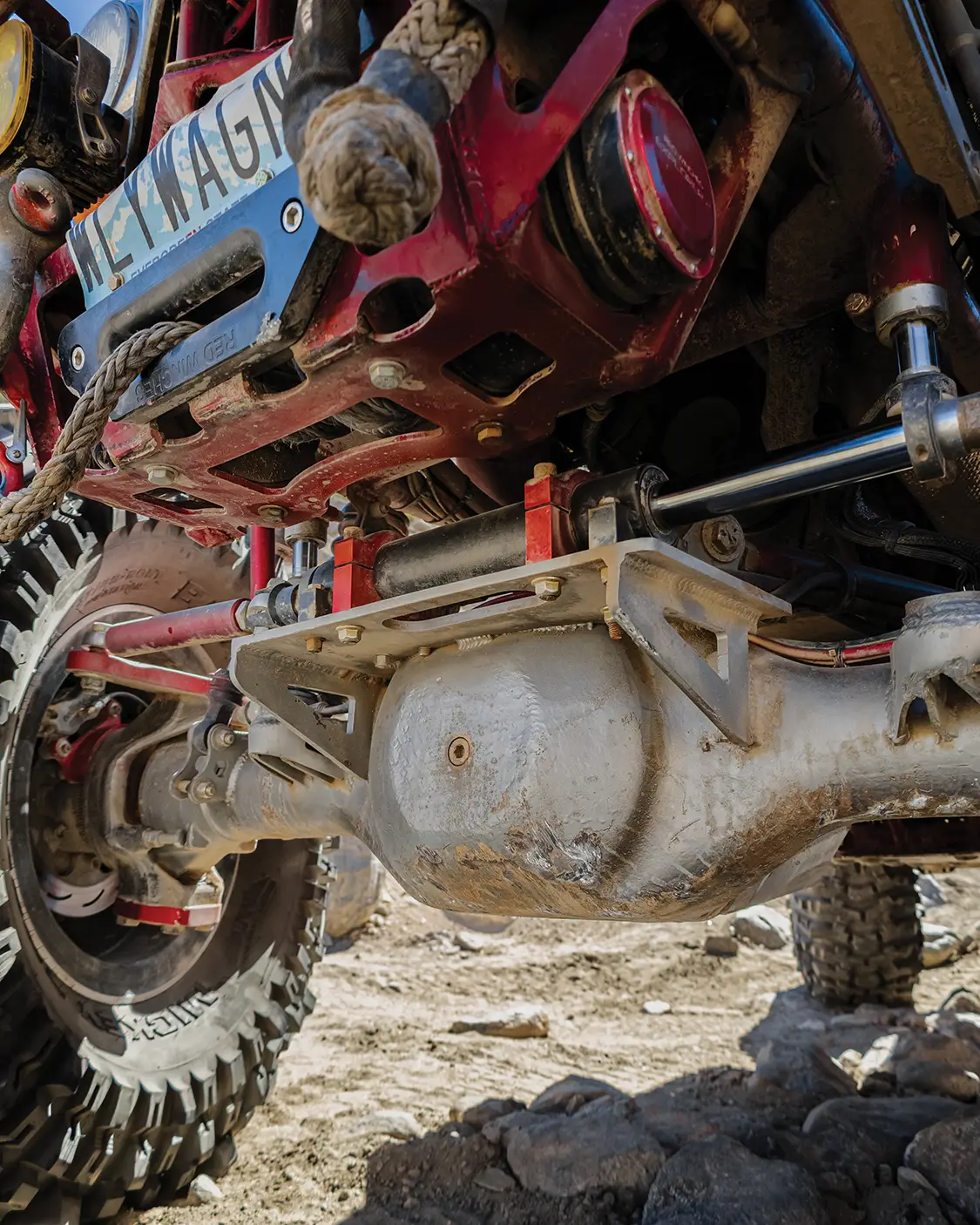
Grant also makes it clear there weren’t any shortcuts taken during the process. When asked if he discovered any shortcuts along the way, his response was, “Not a single one.” That answer probably explains why the project took five years to complete. Today, the wagon has already seen action at events including the Insanity Fab Winter Challenge, Northwest Offroad Rage, Hot Shot Offroad, and Battle at the Beach. It wasn’t built to spend its life on a trailer or parked in a garage. It was built to be used. Looking at the finished product, it’s difficult to find another vehicle that combines classic styling, modern fabrication, extreme horsepower, and serious trail capability quite like Willy Wag’N. The body may be from 1951, but everything underneath represents decades of off-road development and countless hours of work.
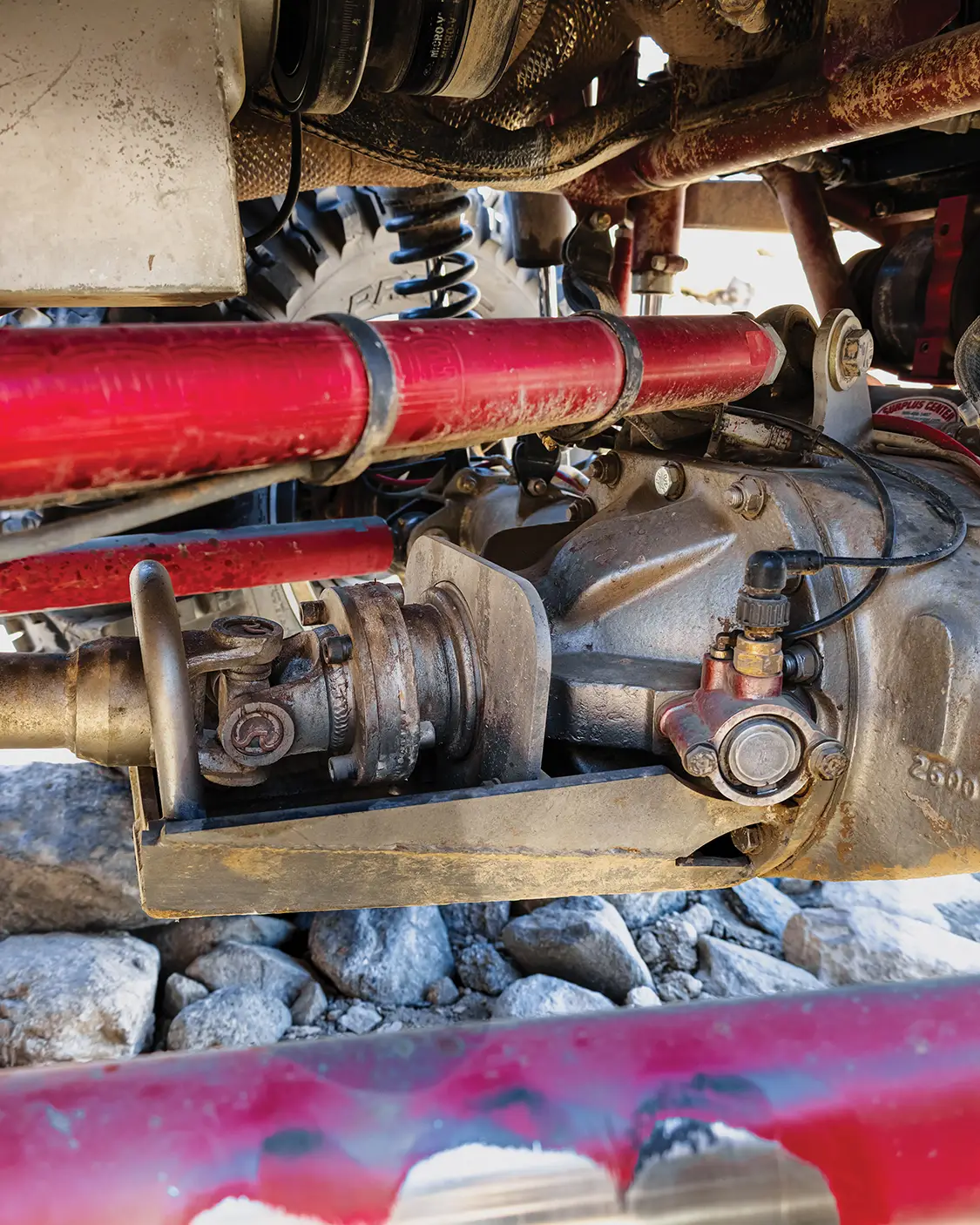
When asked what advice he would give someone thinking about building something similar, Grant’s answer was probably the most honest one on the entire build sheet: “Prepare for the struggle. This was mentally and financially painful.” It’s hard to argue with that. Builds like this require years of dedication, problem-solving, and commitment. But standing next to Willy Wag’N, it’s also easy to see why people keep taking on projects like this. Sometimes the best builds aren’t the easiest ones. They’re the ones that push through every challenge and come out the other side as something completely unique. And in that regard, Willy Wag’N is exactly that—a classic Willys Wagon transformed into a trail-ready monster that proves there is still plenty of room in the off-road world for people willing to build something different.

Goodguys 29th Speedway Motors Southwest Nationals
WestWorld of Scottsdale 16601 North Pima Road, Scottsdale, AZ 85260
We use cookies to enhance your browsing experience, serve personalized ads or content, and analyze our traffic. By clicking "Accept All", you consent to our use of cookies. Visit our Cookie Policy for more info.


 Please wait...
Share Link