










 JEFF ZURSCHMEIDE
.
June 03, 2022
.
All Feature Vehicles
JEFF ZURSCHMEIDE
.
June 03, 2022
.
All Feature Vehicles
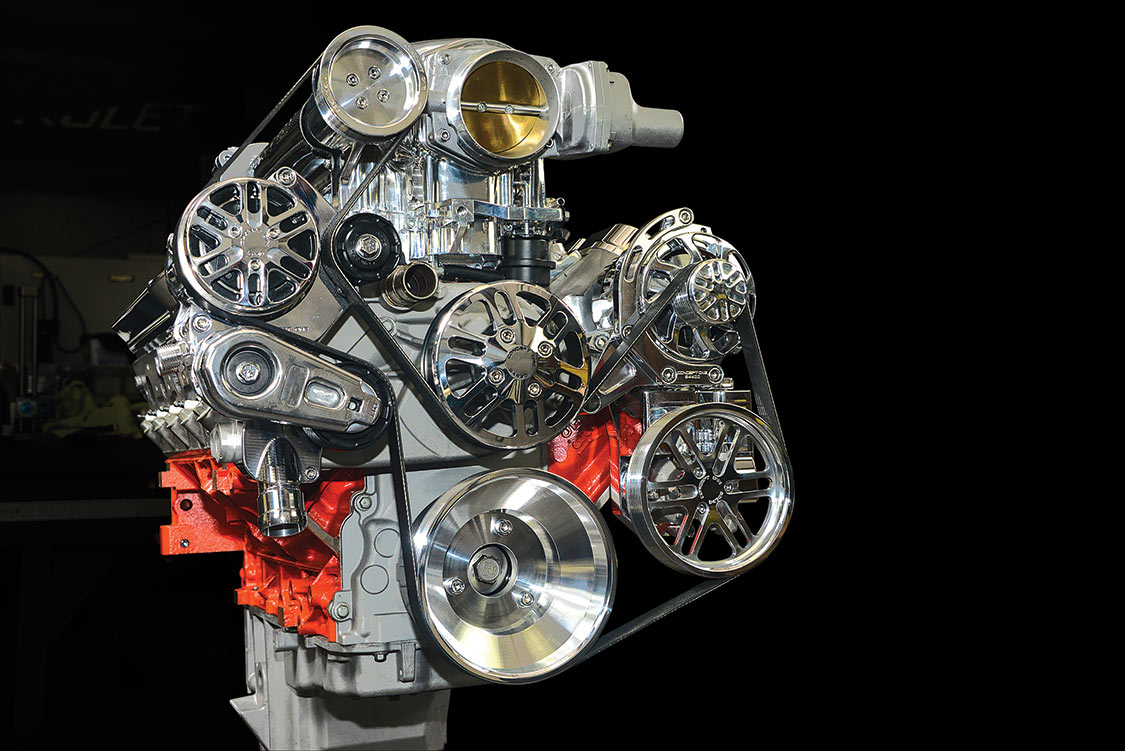
A serpentine pulley system is a complete engine accessory drive system that uses a single flat, ribbed serpentine belt routed through multiple engine-mounted pulleys powered by the crankshaft to drive all accessories simultaneously. The belt follows a serpentine (winding) path through each component pulley and is kept at proper tension by a spring-loaded automatic tensioner.
Unlike older V-belt setups that require multiple separate belts one for the alternator, another for the power steering pump, another for the AC a serpentine system consolidates everything into one belt, one tensioner, and one cohesive system.
For performance engine builds, particularly the Chevrolet LS-series V8, the serpentine system is the modern standard. It is more reliable, easier to service, visually cleaner, and when properly engineered as a matched kit eliminates the alignment and fitment problems that plague custom builds assembled from mismatched components.
The serpentine belt transfers rotational power from the crankshaft pulley to every accessory mounted on the front of the engine.
Without a functioning serpentine belt, the alternator stops generating electricity, the power steering pump loses pressure, the water pump stops circulating coolant, the air conditioning compressor stops working, and on supercharged engines, the blower stops spinning entirely.
A failed serpentine belt is an immediate stop-driving situation. On a high-output performance build running past 500 horsepower, it can also mean serious engine damage within minutes if the water pump goes down. This is why belt quality, proper tensioning, and carrying a spare are non-negotiable parts of any serious build plan.
When you’re planning the performance engine of your dreams, chances are good that you’re thinking about block selection, displacement, compression ratio, carb versus injection and whether to use forced induction. You’re not likely thinking about pulleys, alternators and pumps, but before you can fire off that engine for the first time, you have to get those parts in order.
The challenges are significant. When you build a custom engine, there’s no guarantee that everything’s going to line up or that each component will take the same kind of drive belt. Think about it you have the crank, the alternator, air conditioning compressor, power steering pump, water pump and maybe the supercharger. What are the chances of all those pulleys being the same? Even worse, what are the chances that they’ll all look good together?
Brothers Kevin and Randy Redd took note of the great pulley quandary a few years ago and set about to create the solution.
“You couldn’t buy a pulley system—just pulleys. You had to make a stock bracket fit, and you could buy a pulley here and a pulley there, or maybe a set of pulleys, but then you’d have to find a set of brackets that would work, or find the right water pump that lines up, or you’ve got to get this compressor or that,” Kevin says.
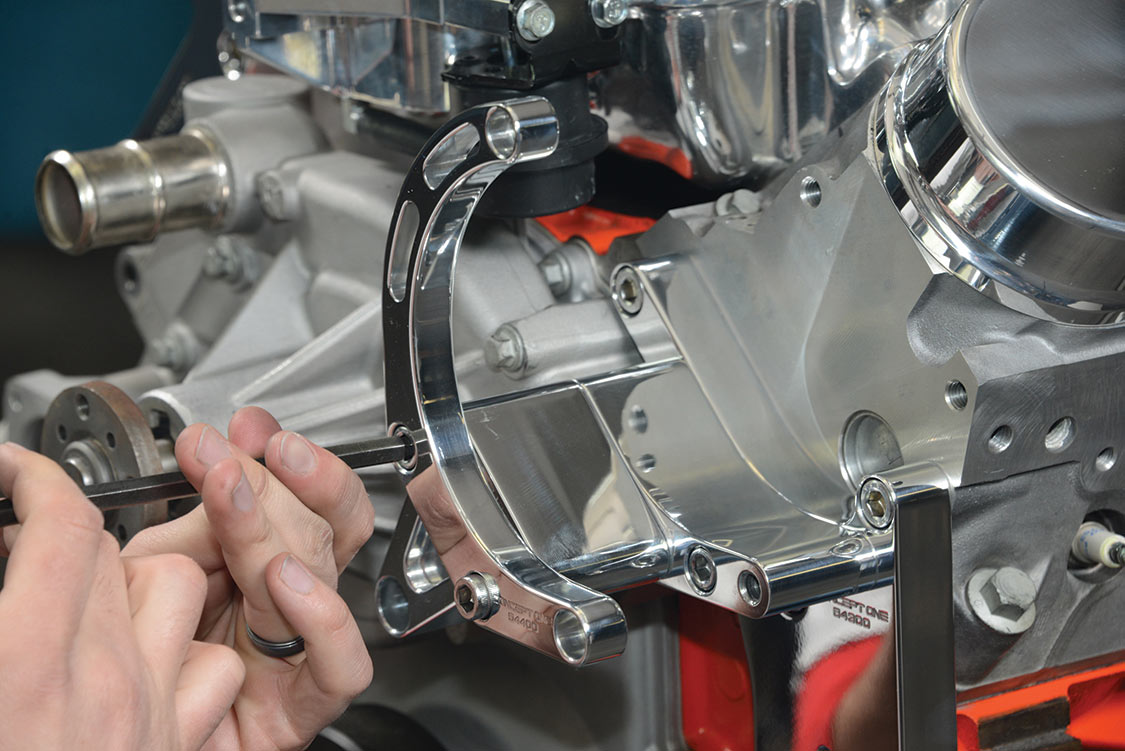
The solution was obvious. The Redd brothers needed to create a full set of components, pulleys and belts designed from scratch to fit each type of engine on the market. They called their company Concept One.
“Concept one started off by making racing parts for another company, but we wanted to branch off and make our own products. We were the first to build complete kits. We figured out that we could build a complete system and furnish a water pump that we knew was going to bolt up, a power steering pump and all that stuff. It made sense and we had seen the need,” Kevin says.
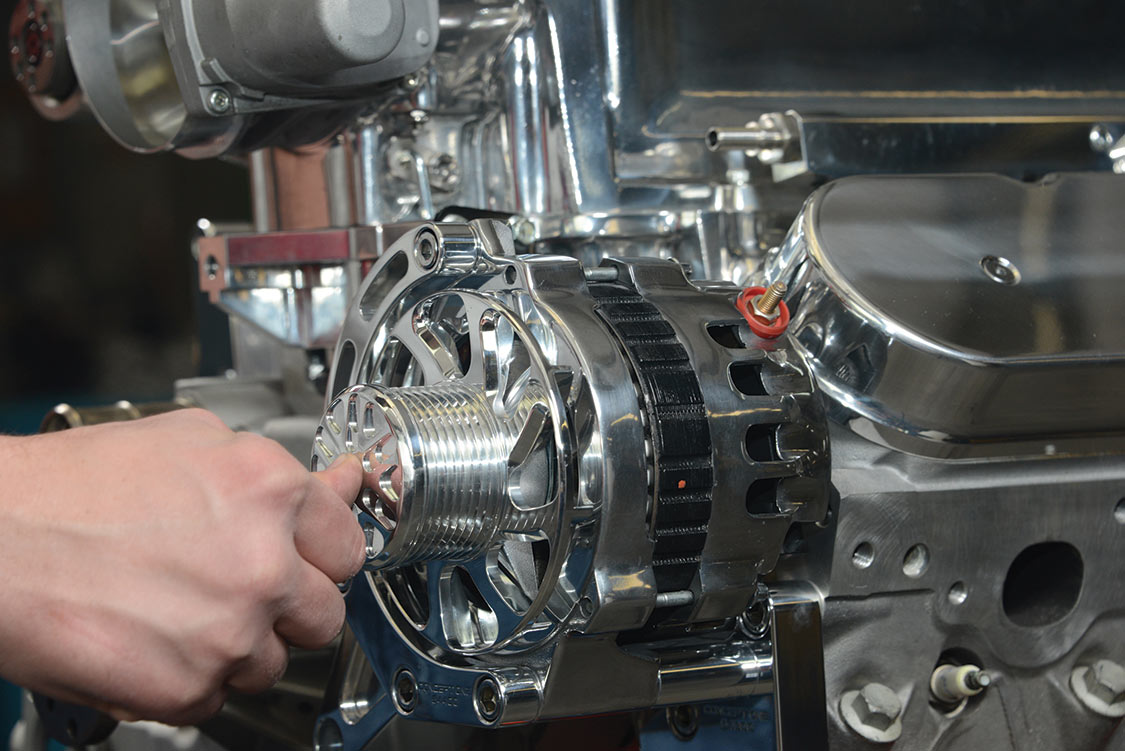
Concept One is a U.S. based manufacturer of complete serpentine accessory drive systems for performance engines. Founded by brothers Kevin and Randy Redd, the company pioneered the complete engine-specific kit format providing matched pulleys, CNC-machined brackets, tensioners, belts, and accessory components in a single bolt-on package. Their product motto is “Clean and Simple.” Concept One currently produces complete kits for GM LS-series, select GM LT-series, and Ford engine platforms.
Read More: LS Budget Serpentine Kits for Truck or F-Body Engines
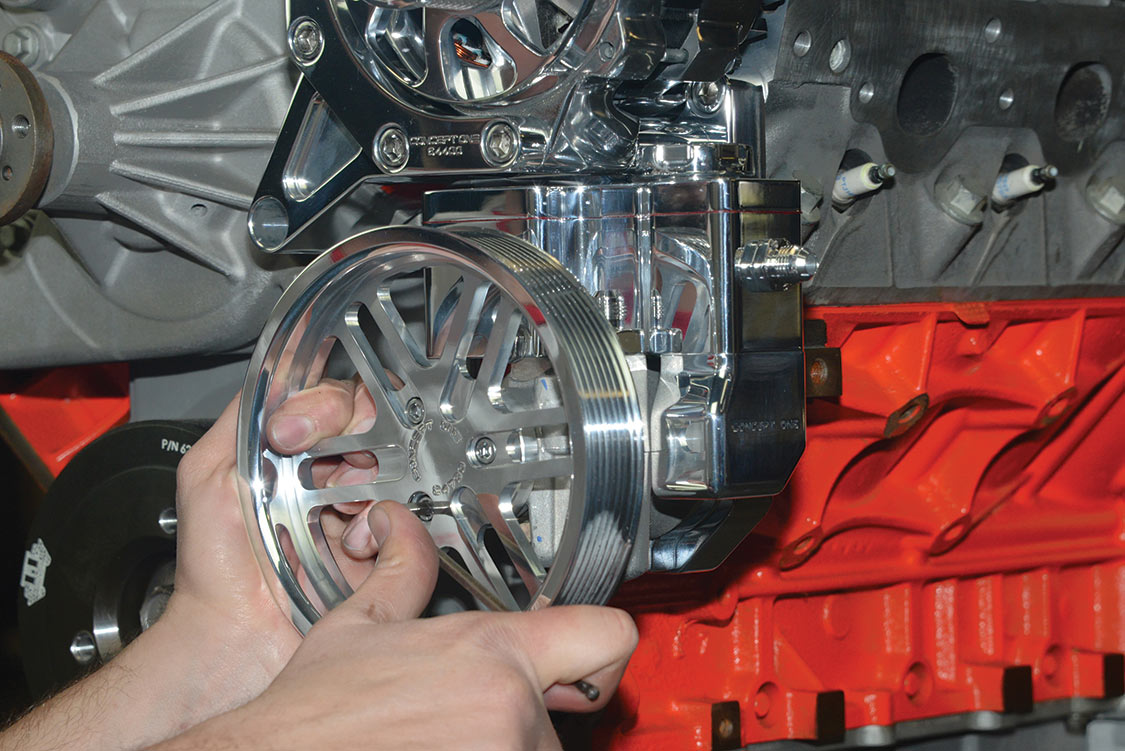
The difference between a Concept One kit and other pulley kits is that the Redds supply everything from the components to the pulleys, brackets, tensioners and belts needed for just about every popular GM or Ford engine type. The kits also include a custom power steering fluid reservoir.
“We buy the alternators, power steering pumps, water pumps and compressors from other companies, but we standardize all our stuff,” Kevin says.
| Component | Included | Notes |
|---|---|---|
| Full billet aluminium pulley set | ✅ Yes | CNC-machined, polished |
| CNC-machined aluminium brackets | ✅ Yes | Engine-specific, no modification |
| Automatic belt tensioner | ✅ Yes | Spring-loaded, self-adjusting |
| Serpentine drive belt | ✅ Yes | Standard commercial size |
| Alternator | ✅Yes | Pre-matched to system |
| Power steering pump | ✅ Yes | Pre-matched to system |
| Custom power steering reservoir | ✅ Yes | Matched finish |
| Water pump | ✅ Yes | Guaranteed to bolt up |
| AC compressor | ✅ Yes | Pre-matched to system |
| Complete hardware set | ✅ Yes | All fasteners included |
Each part is polished to a proper shine for a dressed-up engine bay. What’s more important, though, is that all the parts are made to go together on a specific engine block, so the installation process is quick and easy. Fit-up is always the challenge with aftermarket parts.
“We try to focus on our motto: Clean and Simple. We want someone to be able to buy this thing and be able to bolt it on without having to do any shaving, any grinding, or any of that type of thing. Our kits are made to fit,” Kevin says.
The result of the specialized design for each engine type, as opposed to a kit that tries to be one-size-fits-all, is that the parts are really designed to work together, rather than a patchwork of different items.
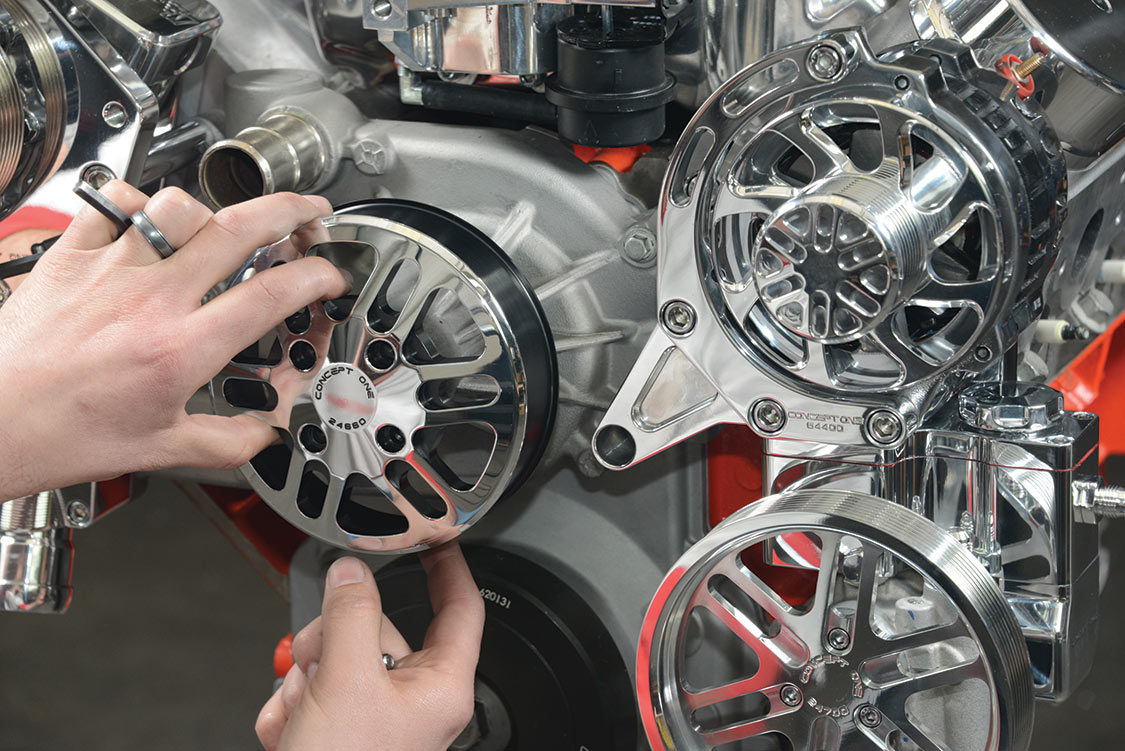
One of the benefits of going with a coordinated belt drive system is the modern serpentine belts are less likely to come apart or come off the pulleys than traditional V-belt designs. By matching the offsets of all components exactly and using the flat serpentine belt design, your engine’s reliability is increased along with its visual presentation.
The only part of a good system that comes off the shelf is the one you want to have readily available. Make sure that any system you buy from any manufacturer uses standard size belts, so you can easily find a replacement.
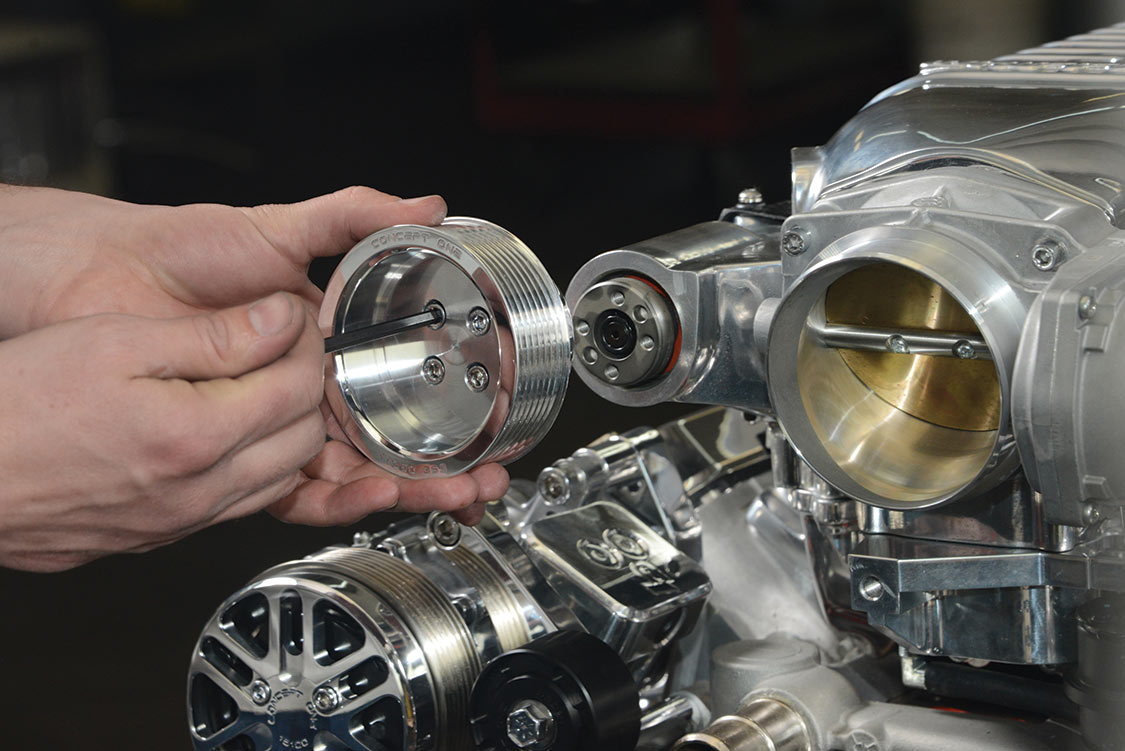
Tip: Never buy just one belt. Always keep a replacement handy, because the moment you need it may be the moment you’re not in a position to find one.
“You might not be able to find the Goodyear Gatorback, but you should be able to find a good belt in the right length. Most of our kits use a standard 6-rib belt, except for the supercharger kits. Those use 8-rib belts,” Kevin says.
The Concept One serpentine belt kits support the industry’s most common OEM and aftermarket superchargers used on Chevrolet LS series engines. When the kit is ordered, the buyer simply specifies the Magnuson, Edelbrock, Whipple or Chevrolet LSA supercharger, and the kit is made to fit the unit.
The brand of supercharger you choose is only part of the equation—you also need to decide what diameter of pulley you will use to get the boost pressure you want out of the blower. It’s even possible to get replacement pulleys with different diameters to achieve different levels of boost for street or racing use.

Top aftermarket superchargers can boost engine output well past 500 hpº in the LS series, and if you’re going there, you really need a drive system you can rely on. To keep the quality high, it’s important that all the brackets and pulleys be machined out of solid blocks of aluminum.
Cast pulleys have been known to break with disastrous consequences. Whatever belt drive system you choose, keep a critical eye on pulley and bracket quality.
As you imagine, research, design and implement your engine build, it’s good to give some thought to the necessary extras. With a planned belt system to drive your engine’s supporting components, you can dress up your engine, help ensure reliable performance, and make life easy on yourself as you build out your plan.
Mopar enthusiasts will note that the Concept One kits are limited to Ford and Chevrolet engines at this time.
“We keep kicking that around. We’ve been saying we were going to do it for a long time, but we haven’t done it yet. Right now, we’re trying to decide what we’re going to do next—is it late model Mopar or maybe the new LT1?” Kevin says.
As always, the best way to get the aftermarket to respond is to demonstrate demand. Our cover car this issue is a perfect example, and we hope to generate enough buzz to get a perfect pulley system for Mopars soon.—JZ
The serpentine belt transfers rotational energy from the crankshaft to every engine-mounted accessory. Without it, the alternator stops generating power (draining the battery), the power steering pump stops working, the water pump stops circulating coolant (causing overheating), the AC compressor stops, and on supercharged engines the blower stops spinning entirely. A failed serpentine belt is an immediate stop-driving situation.
A complete performance engine serpentine system includes: the crankshaft pulley (driver), alternator pulley, power steering pump pulley, AC compressor pulley, water pump pulley, idler pulley, belt tensioner pulley, and on supercharged builds the supercharger drive pulley. Naturally aspirated engines typically have 6-7 pulleys; supercharged engines have 8 or more.
A serpentine system uses one flat, multi-ribbed belt and an automatic tensioner to drive all accessories. A V-belt system uses multiple separate V-shaped belts, each requiring its own manual tensioning. Serpentine systems are more reliable (fewer failure points), easier to maintain (one belt, automatic tension), more power-efficient (less friction), and visually cleaner. For any serious performance build, serpentine is the correct choice.
You can but you will spend significant time solving fitment problems. Individual pulleys from different manufacturers have different face offsets, meaning the belt will not track flat across all pulleys simultaneously. Misaligned pulleys cause rapid belt wear, tracking issues, and eventual belt failure. Brackets from one manufacturer may not align components from another, requiring grinding or custom fabrication. A complete kit eliminates all of these problems by design.
Concept One designs and sells truly complete systems not just pulleys. Every kit includes matched pulleys, CNC-machined brackets, tensioners, belts, water pump, alternator, power steering pump, power steering reservoir, and AC compressor, all engineered for a specific engine block. The result is a guaranteed bolt-on installation with no grinding, no shimming, and no improvisation. Their billet aluminum components are polished to a matching finish for a professional appearance.
Concept One LS supercharger serpentine kits support four blowers: Magnuson, Edelbrock (E-Force), Whipple, and the Chevrolet LSA factory supercharger (as used in the CTS-V and Camaro ZL1). When ordering, specify your supercharger brand and the kit is configured accordingly.
Standard naturally aspirated kits use a 6-rib serpentine belt in a commercially standard length available at most auto parts retailers. Supercharger kits use an 8-rib belt for the additional load capacity required to drive a positive displacement blower. Both belt specifications are widely available as aftermarket replacements.
Supercharged LS applications require an 8-rib serpentine belt. The additional ribs provide greater contact surface area with the pulley faces, which is necessary to transmit the torque required to spin a positive displacement supercharger particularly at the higher blower speeds needed for 10+ psi of boost.
A smaller supercharger drive pulley makes the blower spin faster relative to engine RPM, increasing boost pressure. A larger drive pulley slows blower speed and reduces boost. Concept One offers supercharger pulleys in multiple diameters, allowing builders to tune their boost level without replacing the entire system. As a general reference, a 3.25″ pulley produces approximately 14–16 psi on a Roots-type LS supercharger; a 4.00″ pulley produces approximately 6–8 psi.
Yes always. The standard recommendation is to keep at least one spare belt wherever the vehicle goes. If the belt fails at a track event or car show, a spare belt means a 15-minute fix instead of a tow truck and a missed event. Belts are inexpensive (typically $25-$45) and compact. There is no good reason not to carry one.
As of the time of writing, Concept One kits are available for GM LS-series and select Ford engine platforms. The Redd brothers have confirmed they are actively evaluating a late-model Mopar kit alongside the possibility of an LT1 platform kit. Aftermarket manufacturers respond to demonstrated demand the best way to accelerate a Mopar kit is to make that demand visible.
Cast pulleys carry a meaningful safety risk in performance applications. Unlike billet aluminum pulleys which are machined from a solid block with a uniform grain structure cast pulleys are poured into molds and may contain internal voids, porosity, or inconsistent grain structure. Cast pulleys have been documented to crack or shatter at high RPM, resulting in immediate belt failure and potential physical hazard. For any serious performance build, billet aluminum pulleys are the correct specification.
An LS swap serpentine kit is a complete accessory drive system designed specifically for LS-series engines installed in vehicles where the original factory bracket configuration is not usable such as classic car restorations, truck swaps, or custom chassis builds. The kit provides CNC-machined brackets configured for the LS block’s mounting points, along with matched pulleys, belts, and accessories positioned to fit within the target vehicle’s engine bay clearances.
All Feature Vehicles
57th Annual Circle K NHRA Winternationals at Auto Club Raceway at Pomona, CA The drag racing season kicks off every year at the NHRA Mello… Continue reading
Roger Rohrdanz . February 25, 2023
All Feature Vehicles
The term “Gasser” evolved from NHRA’s classification that originated in the late ’50s, “Gas Coupe/Sedan.” The Gasser Wars of the ’60s and ’70s became one… Continue reading
BOB RYDER . May 24, 2022

All Feature Vehicles
The mini-restoration was done during COVID-19 and what I thought would be collaborative effort with buddies, turned into a self-teaching project with inputs from hundreds… Continue reading
Drive Staff . March 26, 2023

All Feature Vehicles
12TH ANNUAL DR. GEORGE CAR SHOW SO – CAL folks just love Palm Springs! It’s a special place for me because when I was in… Continue reading
PETE CHAPOURIS . September 29, 2022
All Feature Vehicles
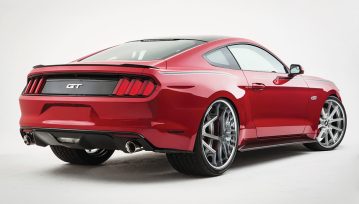
2015 Mustang GT—CGS Style CGS Performance in Chino Hills, California, has been helping the automotive aftermarket breathe easier since 1995. Ron and Casey Scranton (a… Continue reading
BOB RYDER . June 06, 2022
All Feature Vehicles
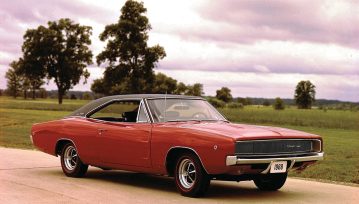
We all know a good quality classic American muscle car or hot rod is going to cost more than a few bucks. Generally speaking, you… Continue reading
JEFF ZURSCHMEIDE . June 07, 2022



Charity Car Show
Mesa Marketplace 10550 E. Baseline Rd, Mesa , Az 85209
CHICO CONCOURS Car Show
Silver Dollar Fairgrounds 2357 Fair Street, Chico, CA 95928
Goodguys 33rd Summit Racing Lone Star Nationals
Texas Motor Speedway 3545 Lone Star Circle
The Sparks Show
Sevierville, TN
Dino's Git-Down
State Farm Stadium, Glendale, AZ
We use cookies to enhance your browsing experience, serve personalized ads or content, and analyze our traffic. By clicking "Accept All", you consent to our use of cookies. Visit our Cookie Policy for more info.



 Please wait...
Share Link