








 Motortopia Staff
.
August 21, 2025
.
News
Motortopia Staff
.
August 21, 2025
.
News

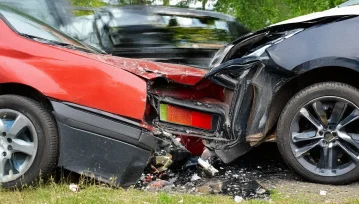
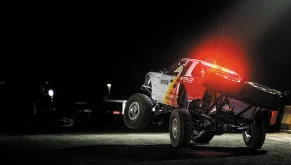
Image by paulbr75 from Pixabay
Every gearhead knows the thrill of building a custom ride. From engine tuning to paintwork, every detail matters. However, many enthusiasts stop preparing the moment their car rolls out of the garage. The truth is, preparation should extend far beyond the build. Once that machine hits the road, a new kind of readiness begins. This post details how roads are unpredictable, post-build safety checks you can’t ignore, and more.
No matter how well your car is built, the open road brings risks. Weather conditions, reckless drivers, and mechanical failures can strike without warning. Even with years of driving experience, you can’t control everything around you.
Car builders often focus so much on performance and aesthetics that they forget about real-world driving conditions. Safety features, emergency kits, and driver preparedness are just as important as horsepower and suspension.
Before taking your custom build for a test drive, conduct a thorough safety inspection. Check tire pressure, brake lines, lights, and steering. Ensure all components are securely fastened and functioning.
Custom parts may look good, but if they aren’t installed properly, they can be dangerous. Think of this step as your quality control. Skipping it can lead to preventable accidents, even during short drives.
Custom builds involve a lot of parts and modifications. Keeping receipts, part numbers, and installation records is not just for resale value. It also ensures accurate record-keeping for future reference. If your car is involved in an accident, this documentation helps assess damages and prove the worth of your vehicle. Proper documentation can also be helpful for insurance claims and legal matters. It shows that you built your vehicle responsibly and with attention to detail.
Even with every precaution in place, accidents can happen. A distracted driver, a blown tire, or a sudden storm can put your ride at risk. When an incident occurs, it’s essential to remain calm and act strategically.
First, ensure everyone is safe, and call for medical help if needed. Then document the scene with photos and notes. Gather names, contact details, and insurance info from everyone involved. If the damage is severe or there are injuries, it’s best to speak with an experienced car accident lawyer. They can help protect your rights and guide you through the claims process.
Many car enthusiasts discover too late that standard insurance policies don’t fully cover custom parts. After a collision, you may find yourself arguing over your car’s true value. It’s wise to look for policies that include agreed-value coverage.
This ensures you and your insurer are on the same page regarding the car’s true value. Revisit your policy every time you make a major upgrade. Being proactive with insurance is another part of post-build preparation. It protects your investment and reduces headaches later.
A factory car handles differently from a custom one. Changes to suspension, brakes, and engine output alter how the car responds. The first few drives should be about learning your car’s new personality.
Take time to test it in a safe environment. Learn how it behaves at different speeds, on curves, and under stress. This helps you build confidence and avoid surprises when you’re out in traffic. Respecting your build means driving it with awareness. A careless moment can undo months of hard work.
Building a custom vehicle is a passion project, but the work doesn’t stop at the last bolt. Preparation off the road is just as important as precision in the garage. From safety checks and documentation to insurance and legal readiness, the road test begins after the build. The more prepared you are, the more you can enjoy every mile behind the wheel.

News
Picture Source- Bazoom AI Rideshare services have changed urban transportation, offering convenient travel options. However, as their popularity grows, so do concerns about safety and… Continue reading
Motortopia Staff . November 05, 2025
News
Metal crunches, the scenery tilts, and for a moment, the road feels unfamiliar. Even a small collision can jar your senses and scatter your thoughts.… Continue reading
Motortopia Staff . December 15, 2025

News
Drivers and truck owners know that accidents can happen anywhere—on the road, at the worksite, or even off duty. Recovery isn’t just about fixing a… Continue reading
Motortopia Staff . August 25, 2025

News
Photo source: Unsplash Travelers come to the Pearl of the Gulf for various reasons. Some visit for business, while others only want to relish the… Continue reading
Motortopia Staff . July 01, 2025

News
Image by Marcel Langthim from Pixabay Roads in Florida are among the busiest and most erratic in the entire nation, particularly in larger cities such… Continue reading
Motortopia Staff . November 20, 2025
News
Print-through (telegraphing) happens when your adhesive sinks, shrinks, or exotherms hard enough that the show surface reflects what’s going on underneath. If you’re bonding carbon… Continue reading
Motortopia Staff . September 30, 2025

Terminal Takeover 2026
21 airport rd Ext, Greenville, SC
Altered Metal 2026
Rayne, LA
Orange Beach Invasion 2026
The Wharf Orange Beach, Alabama
Southern Tradition Car/Truck Show 2026
Etowah River Park Canton, GA
Local Studebaker Drivers Club Chapter Private Tour Of John Muir House
John Muir House 4202 Alhambra Ave., Martinez, CA


 Please wait...
Share Link