










 Motortopia Staff
.
June 24, 2026
.
News
Motortopia Staff
.
June 24, 2026
.
News
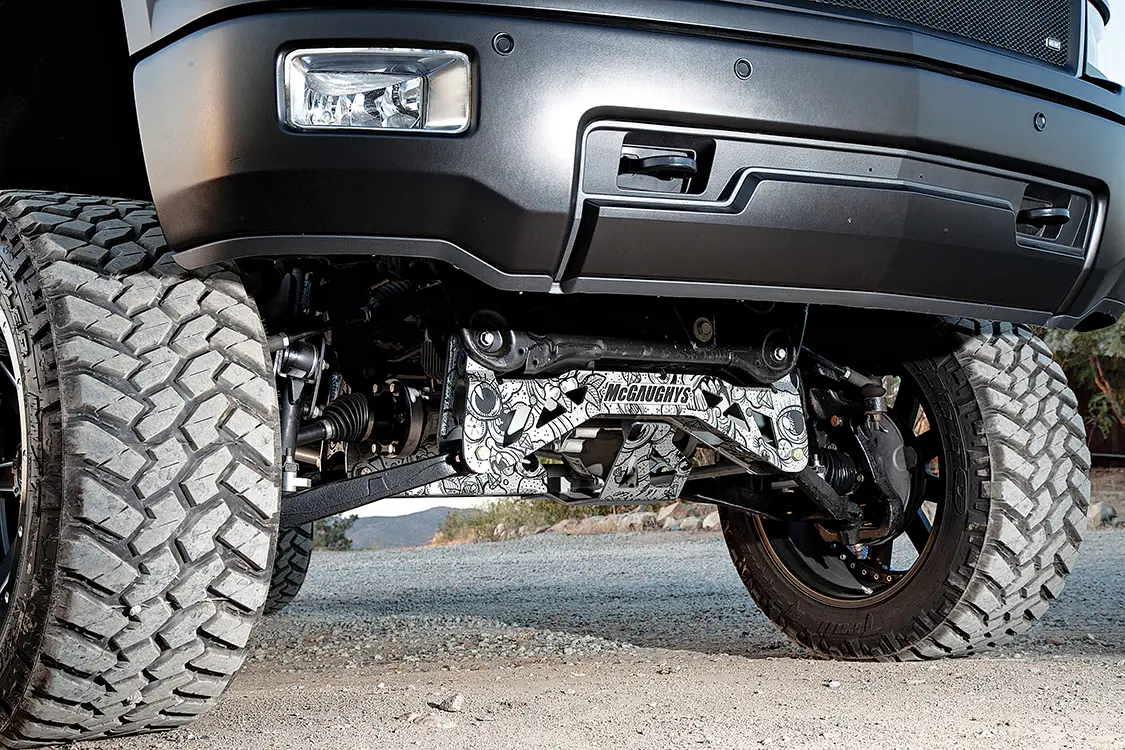
A modified car can be an exciting sight. Wide wheels sit flush with the fenders. A deep note shakes the street. Fresh paint catches light like glass. Then the harder question arrives. Is it ready for a weekend show or is it a rolling repair bill? Used cars with upgrades demand a sharper inspection than stock models because style can hide stress.
Before meeting the owner, start with the VIN through VinGurus. The vehicle identification number ties the car to factory identity, title records, recall checks, mileage and a vehicle history report. A spoiler, tune or engine swap changes character. It does not change the base record. Buying a used car without that check invites guesswork, especially when a private seller talks faster than the paperwork.
A stock car usually follows a plain service path. A modified build creates extra questions. Who installed the parts? Was the repair work clean? Did a shop tune the transmission? Was the suspension aligned after lowering?
A dealership may present upgrades as added value. Car dealers may also know little about past work if the car arrived through trade. That is why inspection must focus on proof rather than shine. A good build feels consistent. A risky build feels like scattered parts with no plan.
Ask the seller for receipts, dyno sheets, alignment sheets and emissions notes. If the seller is reluctant, the risk rises. The car’s service history should match the make and model, the VIN and the visible parts. This early inspection process protects negotiation before emotion takes over. A focused vehicle inspection teaches buyers how to inspect a used car beyond shine. Car care receipts matter more than claims.
The VIN helps confirm trim, title status and recall data. It also reveals whether the car began life as a base commuter, a performance trim or a repaired loss. That matters when buying a car that wears expensive parts.
| Area | What to Check | Red Flag |
|---|---|---|
| Engine Bay | Wiring, belts, and coolant | Oil film or leaks |
| Brakes | Brake pedal feel | Worn brake pads |
| Tires | Tread blocks | Uneven wear |
| Body | Paint edges and panel gaps | Signs of rust |
| Cabin | Dashboard lights | Non-functioning air conditioning |
A cosmetic build may photograph well. A safe build survives a close look. Inspect the engine before warm idle hides noise. Inspect the tires from inner edge to outer edge. Check under the hood for cut wires, cheap clamps and heat damage. Look beneath the car for pipe contact points, corrosion and fluid marks.
A pre-purchase inspection brings order. It slows a fast sale and gives the buyer facts. A PPI is useful for any used vehicle, yet it matters more with tuned engines and swapped parts. Schedule a pre-purchase inspection when the asking price is serious.
If access is limited, use a mobile inspection service. If the build is rare, find a mechanic who understands that platform. A mechanic who specializes in turbo kits, off-road trucks or track cars will notice details others miss. An independent mechanic with automotive service excellence credentials adds trust. Discuss heat management, tune quality and parts compatibility. Then ask the mechanic for a written report.
A professional inspection can expose hidden problems before payment. An independent inspection can show needed repairs and repair costs. It can also help negotiate the price with calm evidence. A thorough inspection does not ruin excitement. It protects peace of mind.
Start the test drive only after basic checks look safe. Ask to take the car for a test drive in daylight and start cold. Listen for any unusual rattle at startup. Keep the radio off. Steer gently through low speed turns. Listen for a clunk from the suspension. Brake at low speed first. Then check transmission behavior during easy acceleration.
Even if the car feels quick, power is not proof. A strong pull can hide a blown head gasket, weak cooling or poor tuning. Driving the car should feel steady. If it wanders, overheats or smells rich, walk away.
Some problems appear again and again. They are not always deal breakers. They are price tools.
The cost of repairs should shape the offer. Costly repairs do not always end the deal. They change value. If parts are covered by a warranty, get the document in writing. If not, assume repair costs belong to the next owner.
Federal rules require covered dealers to display a buyers guide in every used car they offer for sale. That guide shows whether warranty coverage applies. It does not replace car inspection or a safety inspection. It does not prove the tune is safe.
A private sale needs extra care. A handshake is not enough. Keep receipts, messages and title copies. Inspection before buying a used machine becomes the shield against regret. Shopping for a used car should feel measured, not rushed.
A modified vehicle can be brilliant when the record matches the build. Start with the VIN. Study the title, records and parts. Inspect slowly. Bring a mechanic. Use the inspection done by a specialist to guide price and confidence. The best show car is not just loud and polished. It is honest underneath.
FAQ
Can a clean VIN prove a modification was done well?
No. It confirms identity and history, not workmanship.
Should buyers avoid modified used cars?
No. Strong records and inspection can reveal good builds.
Is a loud exhaust always a warning sign?
No. Fitment, leaks and legal compliance matter more.
What if the owner refuses inspection?
Leave. A serious seller understands risk.
Can a tune shorten engine life?
Yes. Poor heat control and bad fueling can damage parts.
News
Source: https://commons.wikimedia.org/wiki/File:2021_GMC_Sierra_1500_AT4,_Front_Left,_03-26-2021.jpg Pickups weren’t always draped in leather and chrome. For most of their history, they were tools—mud-splattered work rigs built to haul hay, lumber,… Continue reading
Motortopia Staff . September 09, 2025

News
Over 29% of car accidents in the U. S. are rear-end collisions, compared to about 22% of angle collisions or 24% of sideswipe collisions. Tailgating,… Continue reading
Motortopia Staff . May 20, 2026
News
In the U.S., approximately one in six drivers receives a speeding ticket each year. That’s around 41 million individuals. According to a 2025 driving habits… Continue reading
Motortopia Staff . May 14, 2026

News
You spend years hunting for the perfect classic car, months restoring every detail to perfection, and countless hours maintaining its pristine condition. Then one day,… Continue reading
Motortopia Staff . June 05, 2026
News
Photo by Nadja Thöner on Unsplash Project vehicles have always represented far more than transportation alone. For many enthusiasts, they reflect years of restoration work,… Continue reading
Motortopia Staff . May 26, 2026
News
Image Source A cracked or chipped windshield should never be ignored. Once the glass is weakened, it cannot fully support the vehicle’s safety systems during… Continue reading
Motortopia Staff . November 06, 2025

The Sparks Show
Sevierville, TN
Dino's Git-Down
State Farm Stadium, Glendale, AZ
Dino's Git-Down
State Farm Stadium
Goodguys 36th Autumn Get-Together
Alameda County Fairgrounds 4501 Pleasanton Avenue, Pleasanton, CA 94566
Goodguys 29th Speedway Motors Southwest Nationals
WestWorld of Scottsdale 16601 North Pima Road, Scottsdale, AZ 85260
We use cookies to enhance your browsing experience, serve personalized ads or content, and analyze our traffic. By clicking "Accept All", you consent to our use of cookies. Visit our Cookie Policy for more info.


 Please wait...
Share Link