










 Chris Tobin
.
October 23, 2026
.
Feature Stories
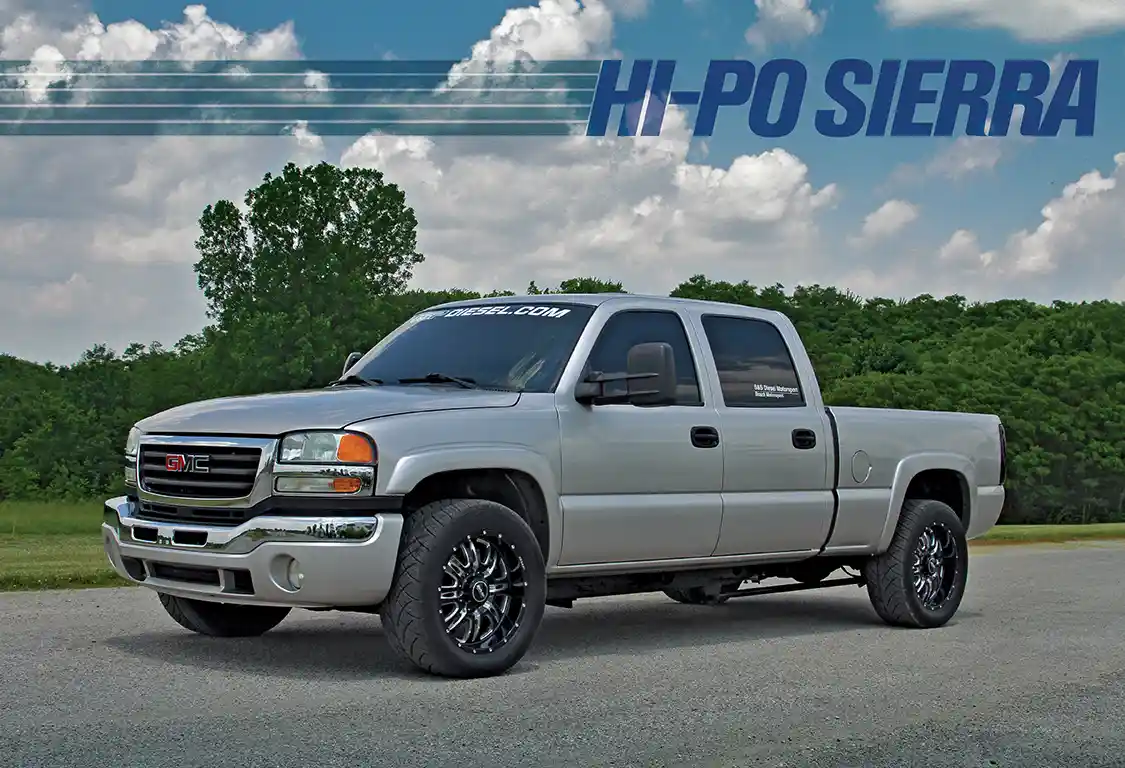
There is always something special about your first vehicle—most of us that have sold or lost our first set of wheels wish we could have it back. Michael Cervi bought his first vehicle at the age of 18. The 2004 GMC Sierra 2500 HD was in great shape and he enjoyed the truck for nearly 10 years before deciding to get serious with it about a year ago, performing a restoration and beefing up the heart of the beast. The 25-year-old HVAC and refrigeration technician is great friends with the staff at HSP Diesel and can regularly be seen helping out in their booth at events around the country as he crosses the border from his home in Windsor, Ontario, Canada.
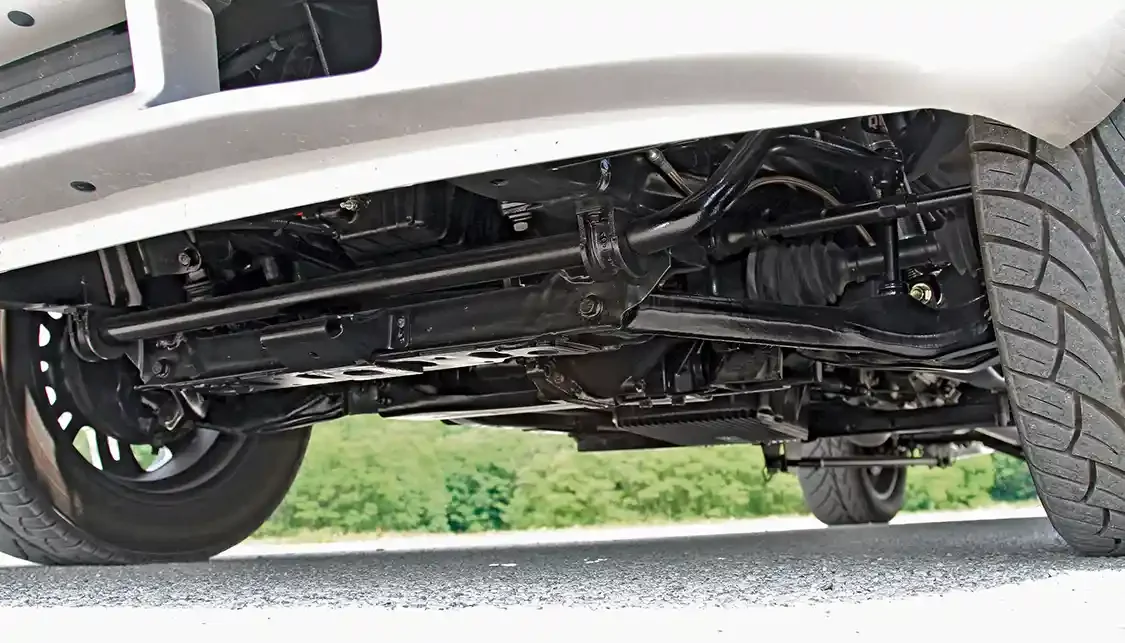
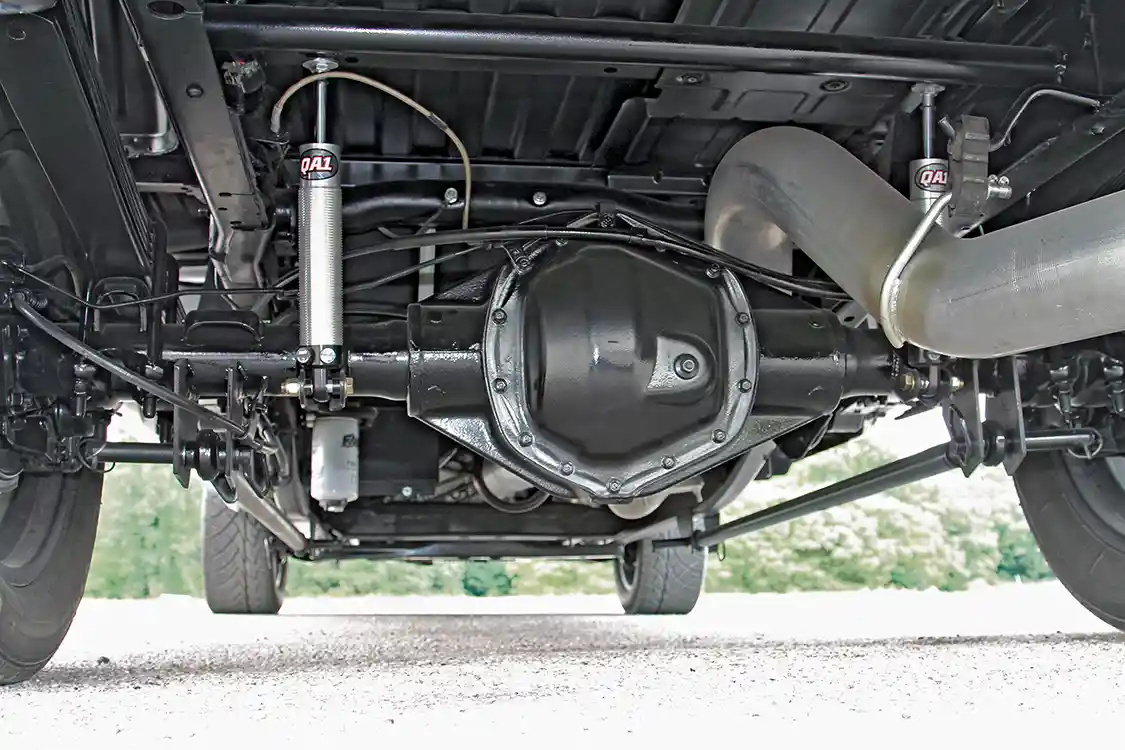
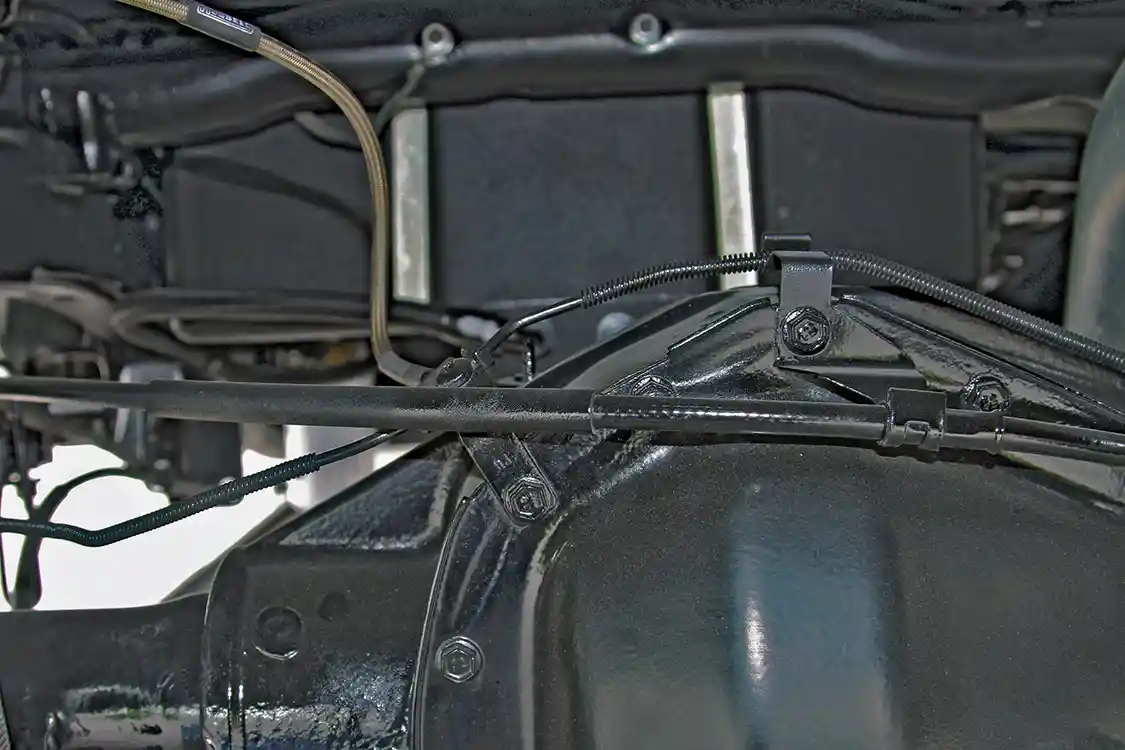
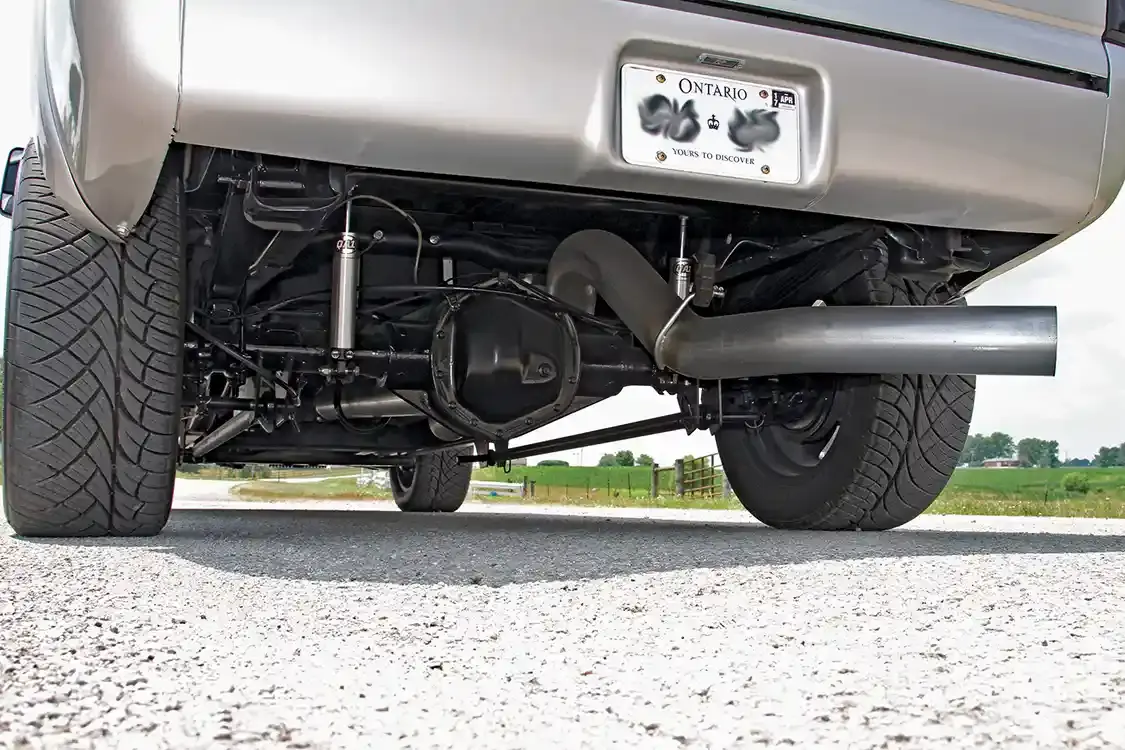
Cervi’s restoration brought the truck back to and beyond its new condition with a full frame-off adventure that included painting the frame and all the chassis components satin black. While the cab, bed and front end were off the chassis he took the time to make improvements rather than just cleaning it up and making it look good. In the rear he and Tim Miller from HSP reworked the shock mounts to run a pair of double-adjustable bearing-mount QA1 shocks on the rear side of the axle nearly vertical to help him tune for the drag strip. They also fabricated a set of traction bars to keep the leaf springs from twisting when he hammers on the loud pedal and unleashes around 1,300 horses of Duramax fury.
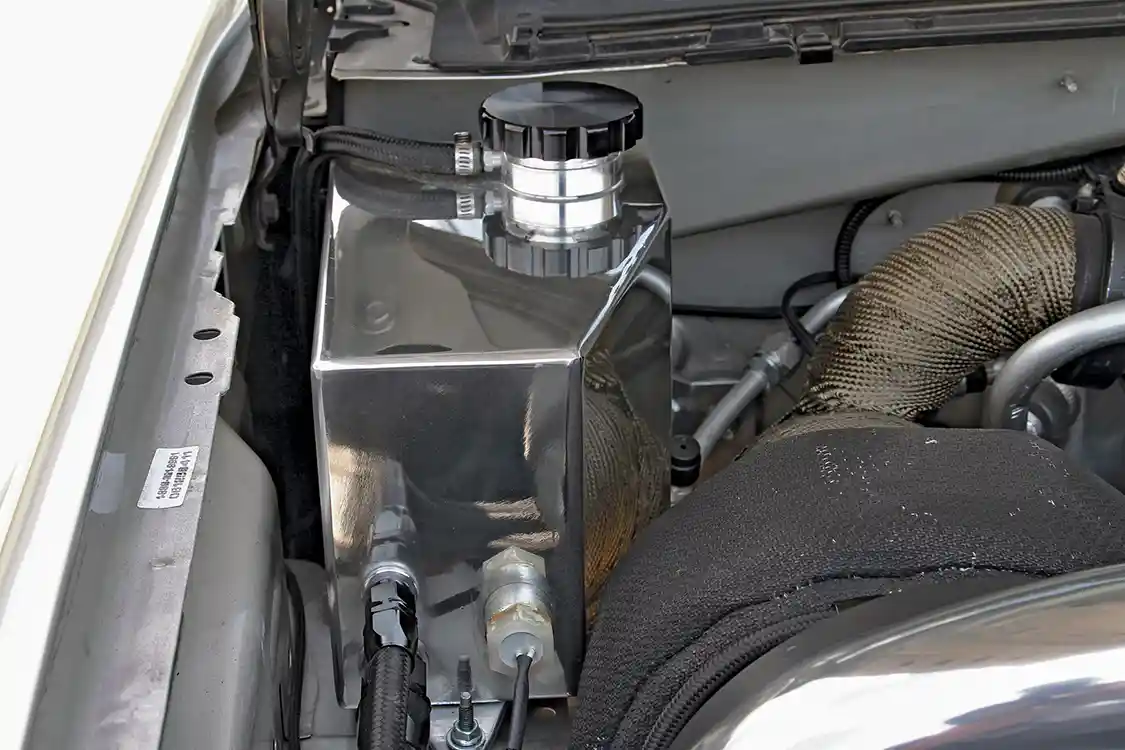
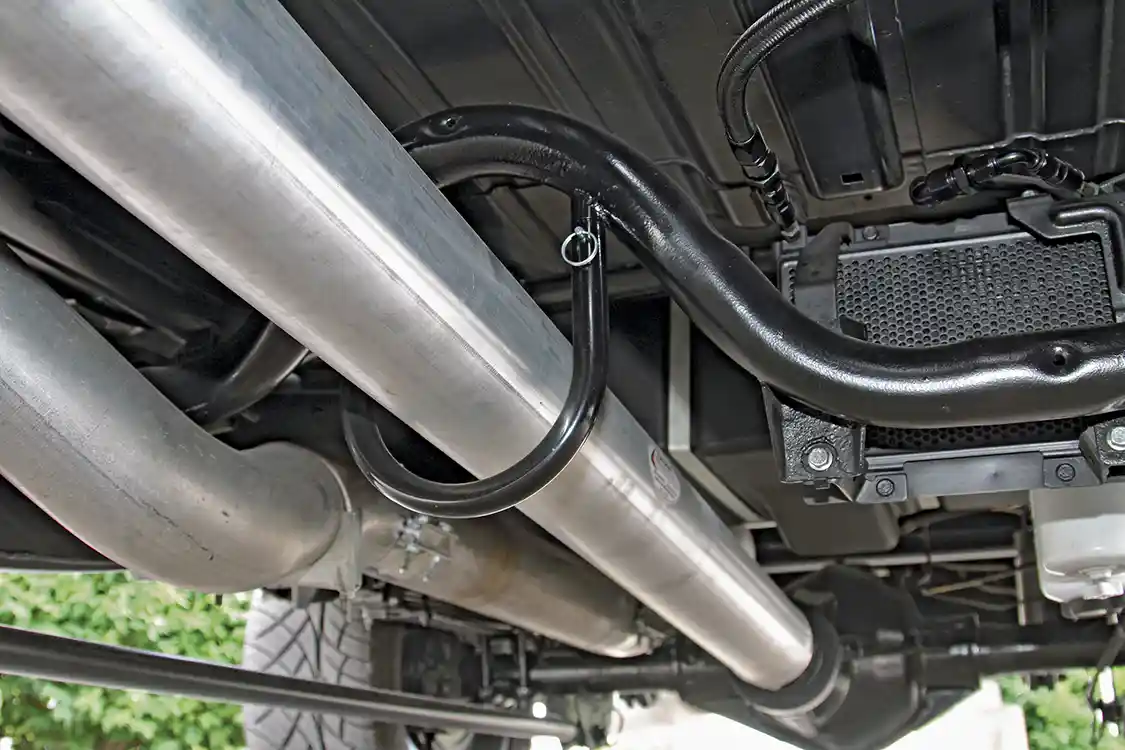
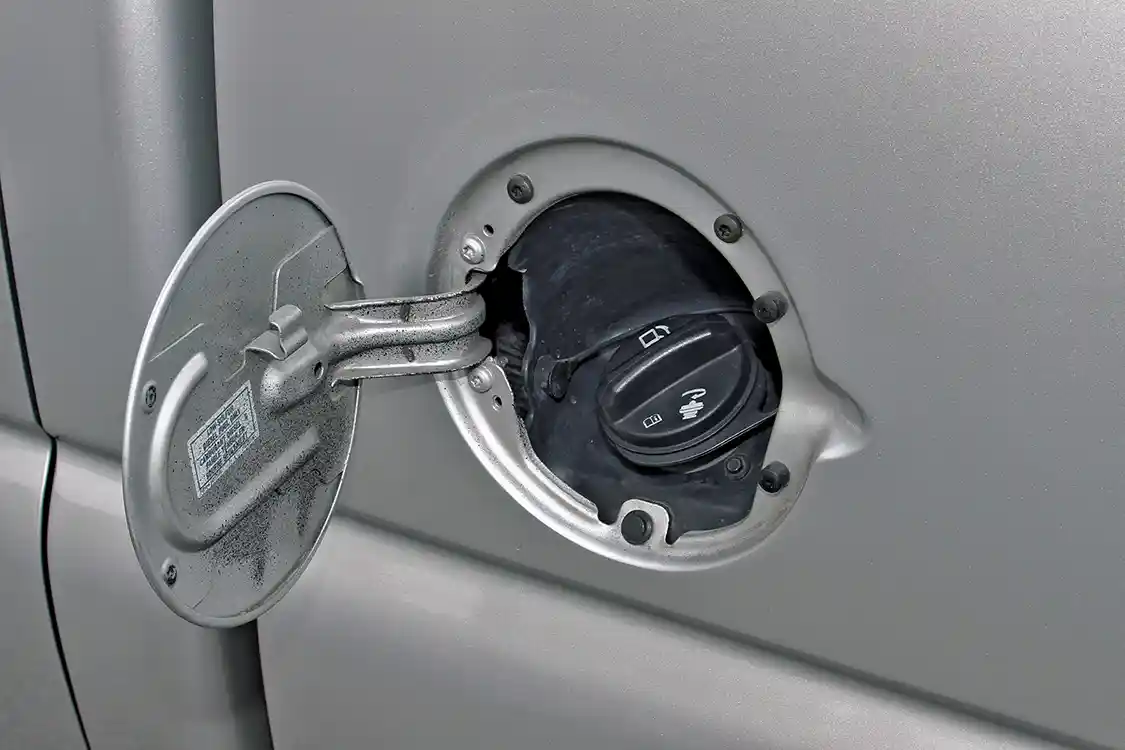
While Cervi and Miller were working on the rear of the chassis they removed the bulky 26-gallon factory fuel tank and replaced it with a 16-gallon racing fuel cell. Not only will the smaller cell save weight, it is also a safer option than the factory tank while holding enough fuel for Cervi to drive on the street whenever he wants without having to refuel every few miles. They fabricated the mounts to secure the new fuel cell in a similar location and reworked the factory fuel filler tube to allow him to fill the cell from the factory fuel door and fuel cap. Miller also fabricated a removable driveshaft hoop that connects to the factory crossmember to catch the billet aluminum driveshaft from Action Machine should he suffer a U-joint failure.
Moving to the front of the chassis, Cervi and Miller continued with the same cleaning, prepping and detail work as they did in the rear, which culminated in a satin black chassis you could eat off of. The factory shocks were replaced with a set of remote reservoir QA1 four-way adjustable bearing-mount shocks. The reservoirs are mounted against the frame rails forward of the axles and out of the way of any obstructions. To keep the powerful truck pointed in the right direction, Cervi installed a Kryptonite Stage 3 front end upgrade from the DMax Store with a solid center link, tie rods, idler support, frame gusset and Cognito pitman support.
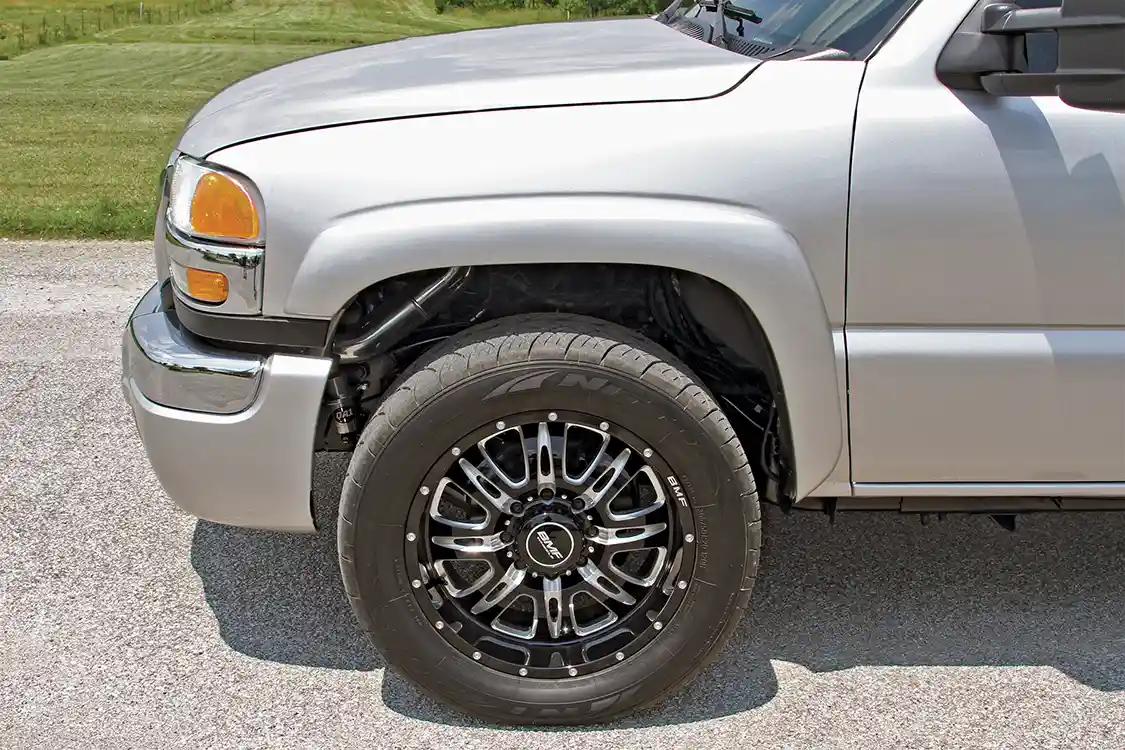
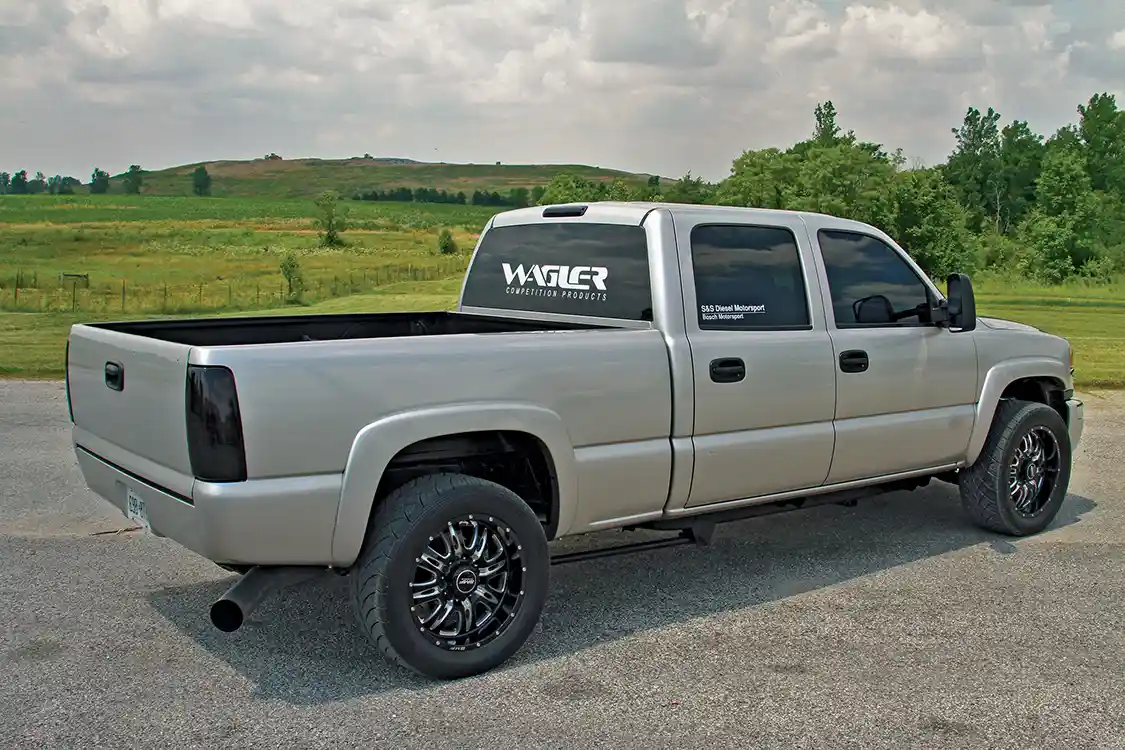
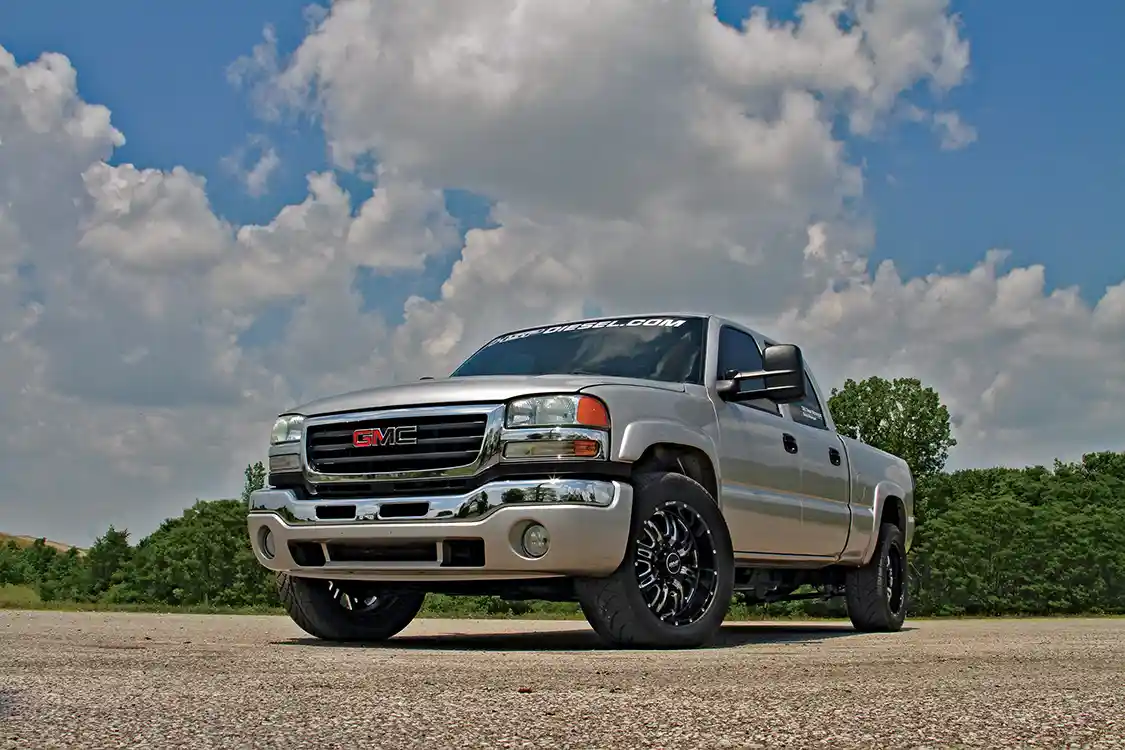
Cervi retained the 3.73 gears in the front and rear differentials along with the factory G80 differential in the rear to help put the power to both rear tires. To grip the road or track surface well and look good at the same time he went with a set of 305/50R20 Nitto NT420S tires wrapped around 20X10-inch BMF Rehab wheels on all four corners of the truck. Factory disc brakes in good working order slow the truck down on the street or on the strip. Rounding out the chassis and suspension modifications, Cervi lowered the truck two inches front and rear by turning down the torsion bars up front and installing lowering shackles in the rear. This way he improves the looks and handling but can still tow whenever the need arises.
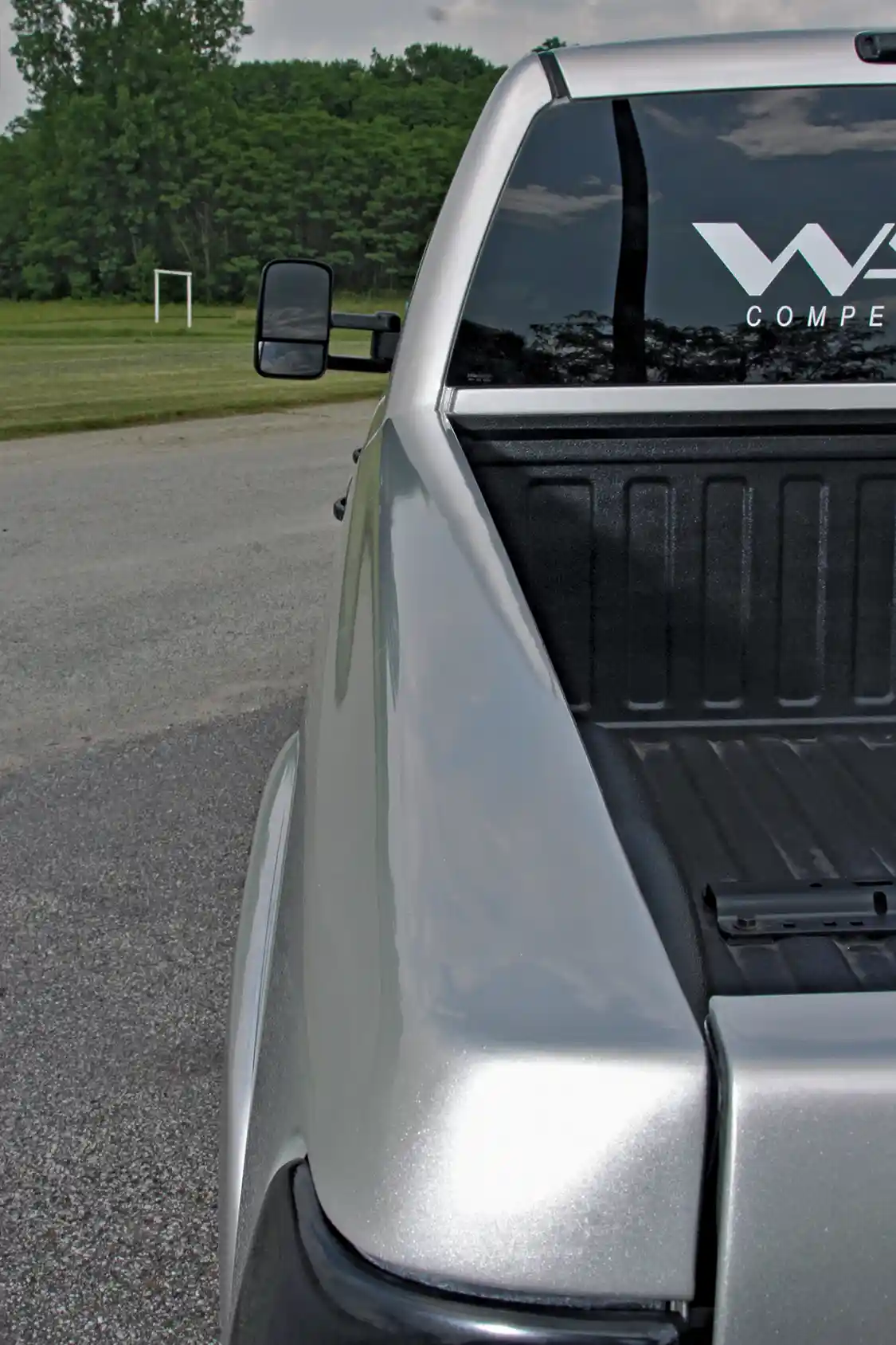
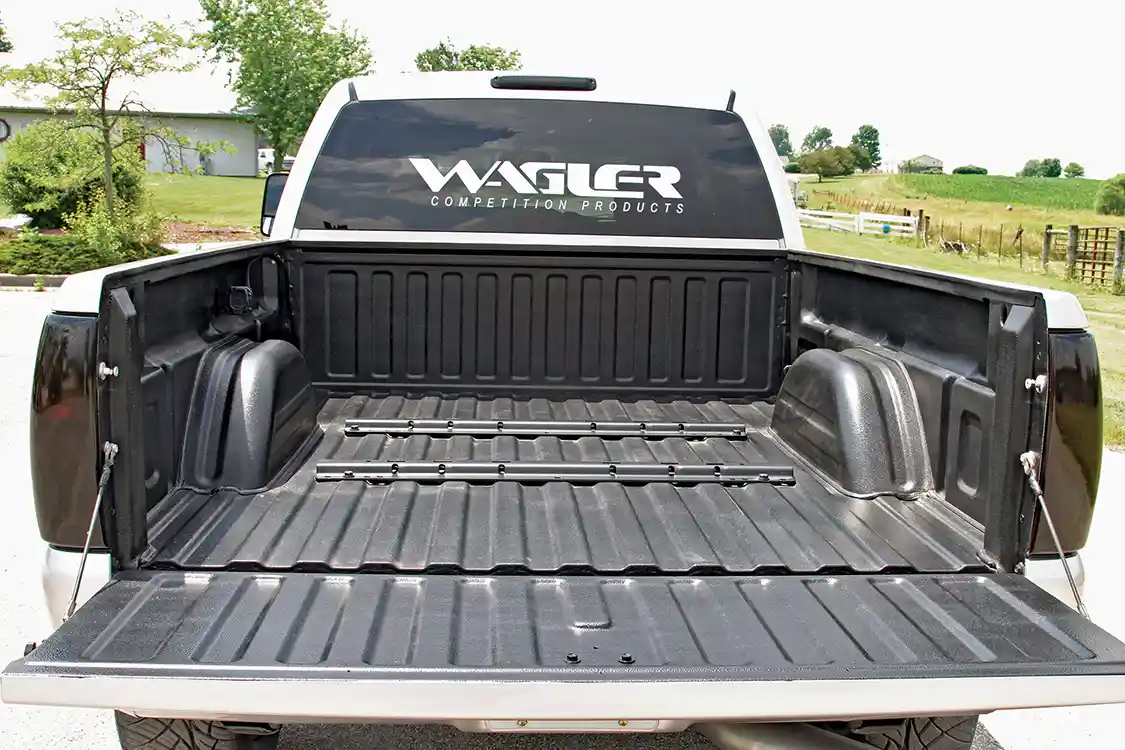
To make his multi-faceted build come together, Cervi sent the body off to Donato Collision in Windsor, Ontario, Canada to work their magic on sheet metal that was already in pretty good shape. While it was in the shop they filled the stake pocket holes on the top of the bed rails and installed the rear roll pan before smoothing every body panel to perfection. Once they were satisfied with the bodywork, they laid on several layers of Silver Birch paint topped with several coats of clear before it was cut and buffed to a concours-level shine and finish. They also smoked the taillights and third brake light for a clean look.
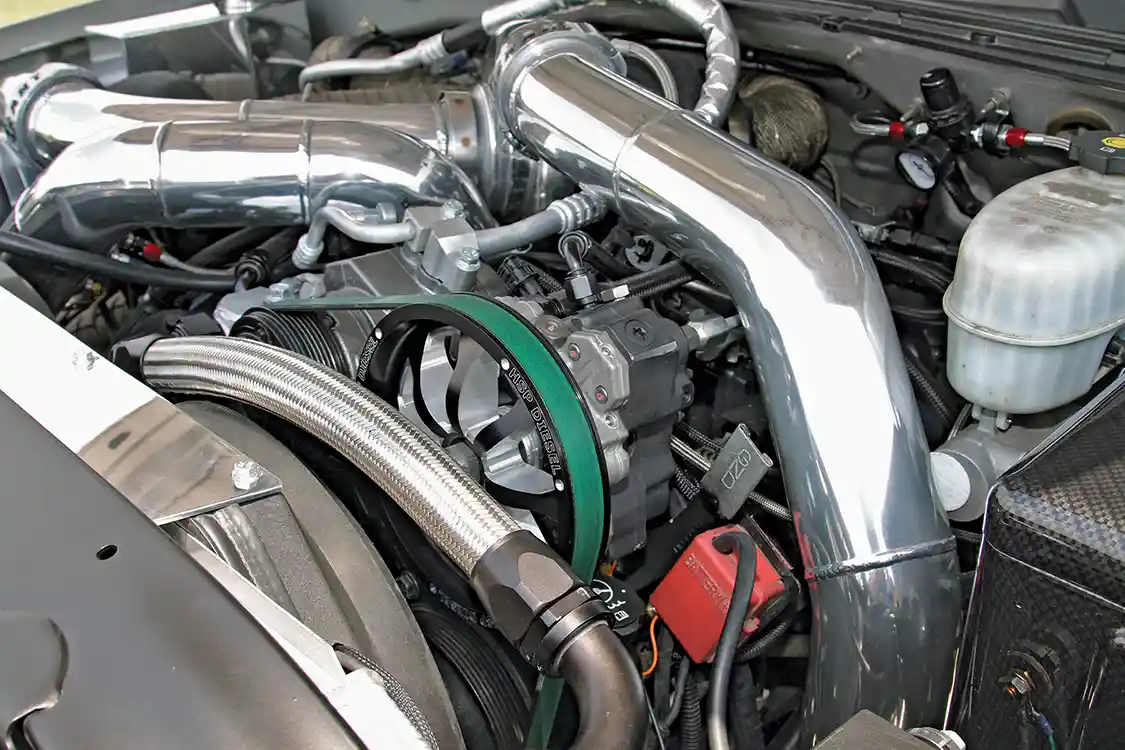
At the same time, Cervi sent the Duramax engine down to the crew at Wagler Competition Products in Odon, Indiana, for a precision rebuild that would hold the promise of four-digit horsepower while retaining drivability. The Wagler team bored the cylinders an additional 55-thousandths of an inch, increasing the displacement to 415 cubic inches or 6.8L. Mahle forged 13:1 pistons swing from Carrillo rods motivated by a stock LML Duramax crankshaft. The rotating assembly is capped off with a set of SoCal Diesel Stage 2 cylinder heads with oversized valves controlled by 120-pound valve springs. The heads are held firmly onto the engine with a set of ARP Custom Age 625 head studs to make sure the pressure stays in the combustion chambers. A SoCal alternate fire 9100 camshaft controls the valves though a set of HD pushrods and rocker shafts that are secured by ARP rocker studs.
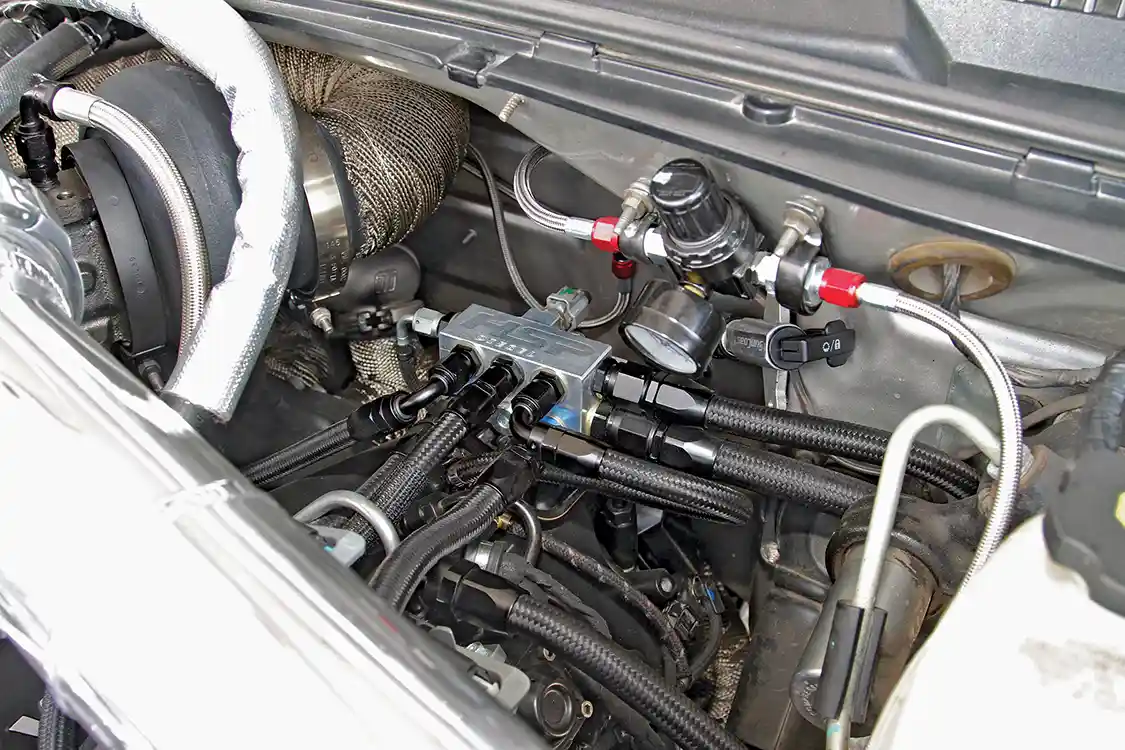
With a stout long block now bolted together, Cervi turned to the team at S&S Diesel Motorsport to deliver an equally potent fuel system. A set of their 250% over fuel injectors are secured in the heads with a set of billet SoCal injector hold downs and ARP studs. To get plenty of high pressure fuel to the injectors the crew installed a pair of S&S 10 mm Stroker CP3s along with an HSP billet fuel block. A FASS 260 GPH pump and filter system delivers a large volume of clean #2 to the dual CP3s from the 16-gallon fuel cell. The fuel system is plumbed with Vibrant Performance AN lines and fittings to ensure solid leak-free connections and high volume flow.
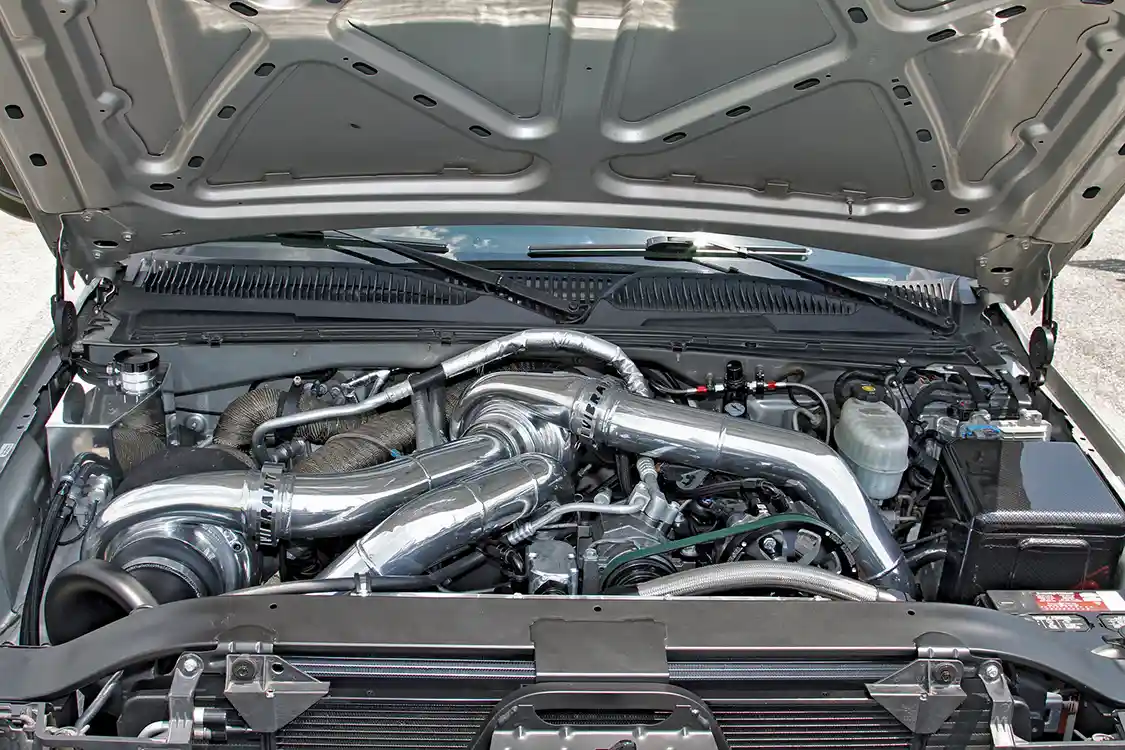
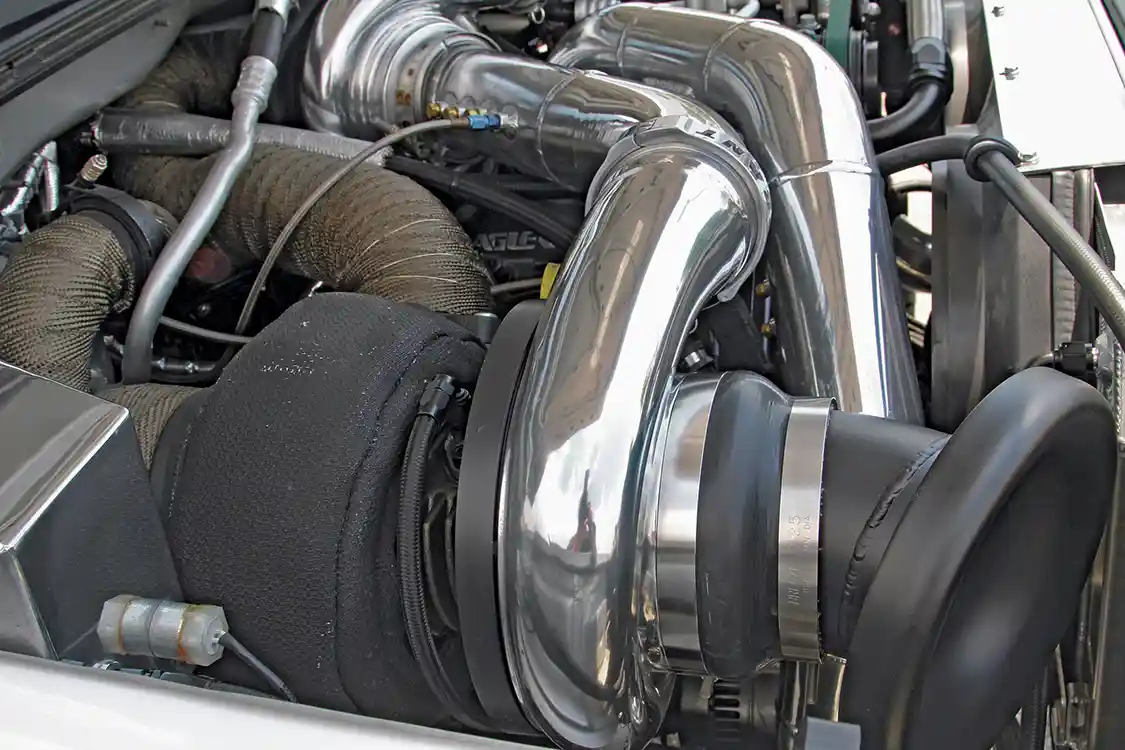
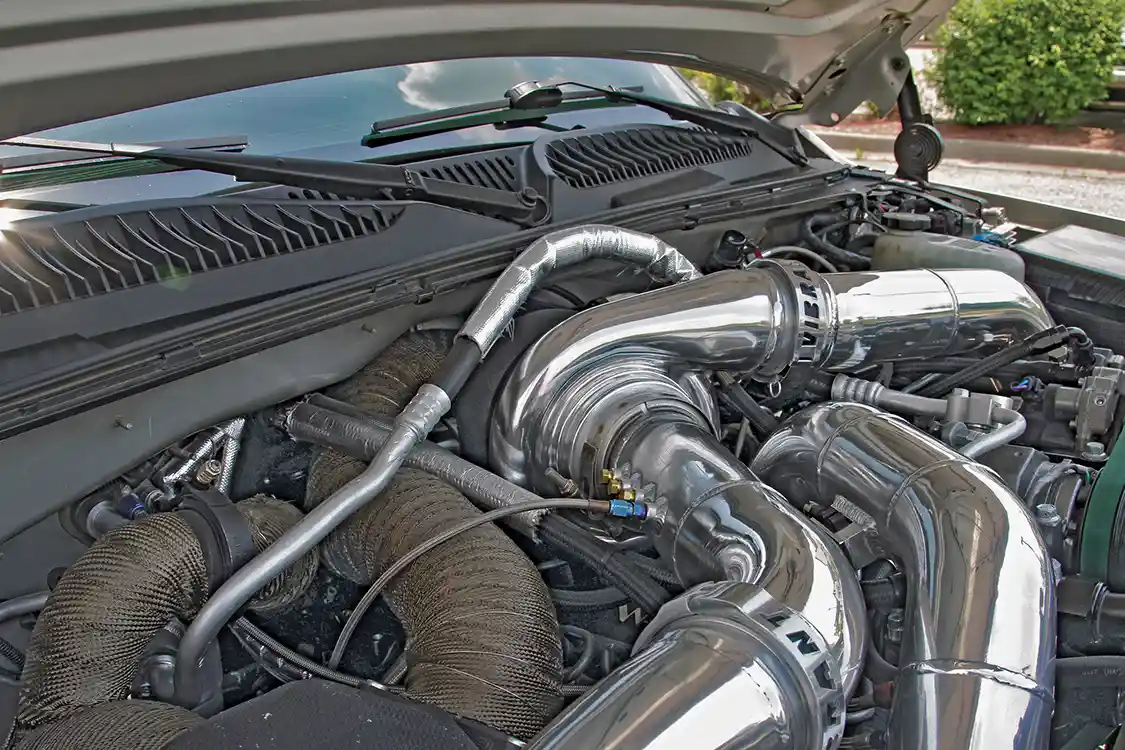
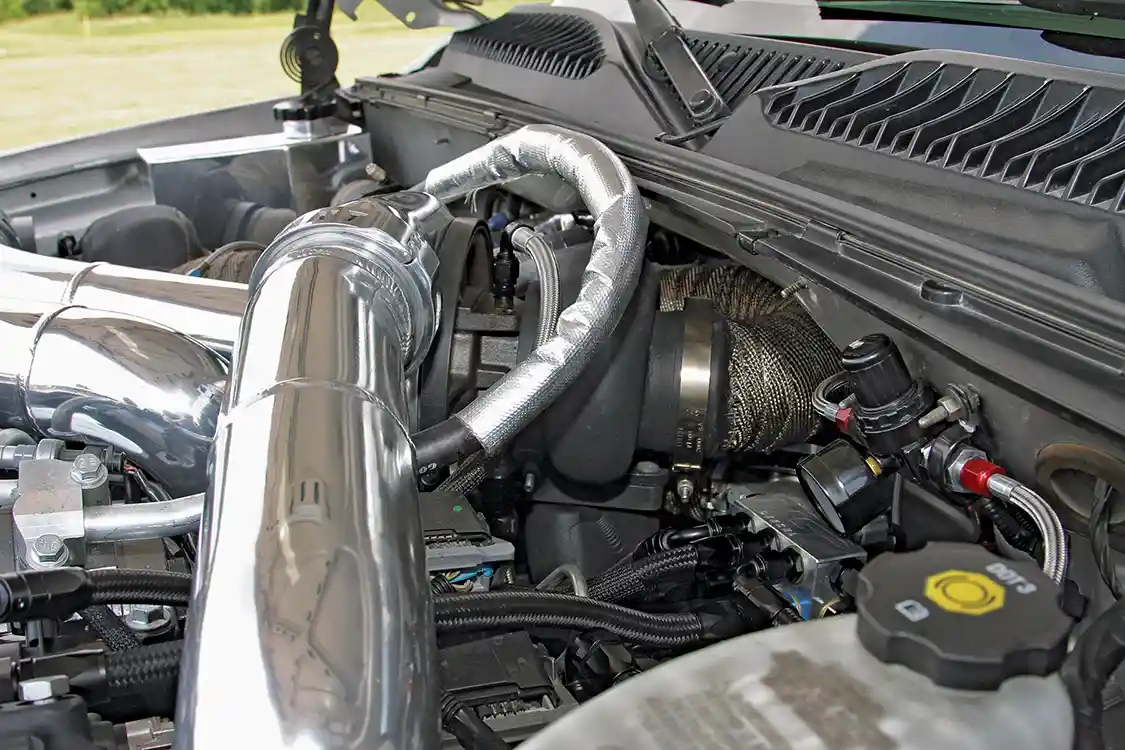
To expel spent gasses from the SoCal heads Cervi relies on a set of HSP Diesel 2.25-inch billet exhaust manifolds and high flow stainless steel up pipes. Exhaust gasses flow into the billet machined twisted T4 turbo pedestal for the valley mounted turbo before sending the hot gasses on to the atmosphere charger and out the 5-inch stainless steel exhaust system. A pair of Turbosmart HP45 wastegates are used to control boost levels.
Miller fabricated the compound turbo kit to make the most out of the built Duramax with a Forced Inductions GTR5594 turbo mounted on the passenger side of the engine bay, drawing air directly from the atmosphere through a Vibrant velocity stack before compressing the charge and handing it off to the Forced Inductions Billet S472 turbo mounted in the valley. The S472 pushes the intake charge through custom boost tubes before it reaches a Mishimoto inter-cooler that sits in the stock location. After the intake charge is cooled it is channeled into the engine through the cast aluminum Wagler Street intake manifold.
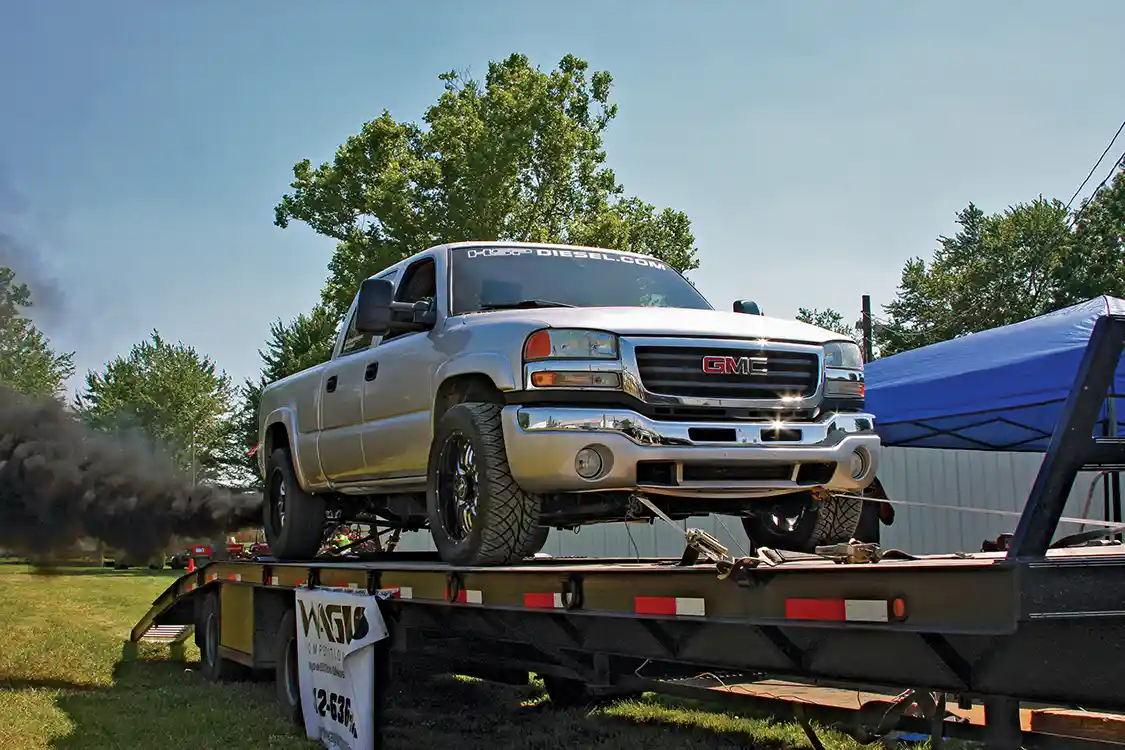
To bring everything together to work properly Dallas Asher reworked the engine harness to keep it clean and working right. Engine tuning and control is handled with EFILive tuning by Mark Broviak at Danville Performance in Danville, IN., bringing all of the components together in a fire-breathing Duramax symphony. On the Dan’s Diesel Performance chassis dyno in July 2016 at the Wagler Diesel Competition, Cervi’s truck took the top horsepower honors in the standard competition with a dyno pull of 1,283 hp and 1,740 lb-ft of torque. Despite the big power number, Cervi hasn’t fully uncorked the truck yet and he believes it is capable of close to 1,500 hp.
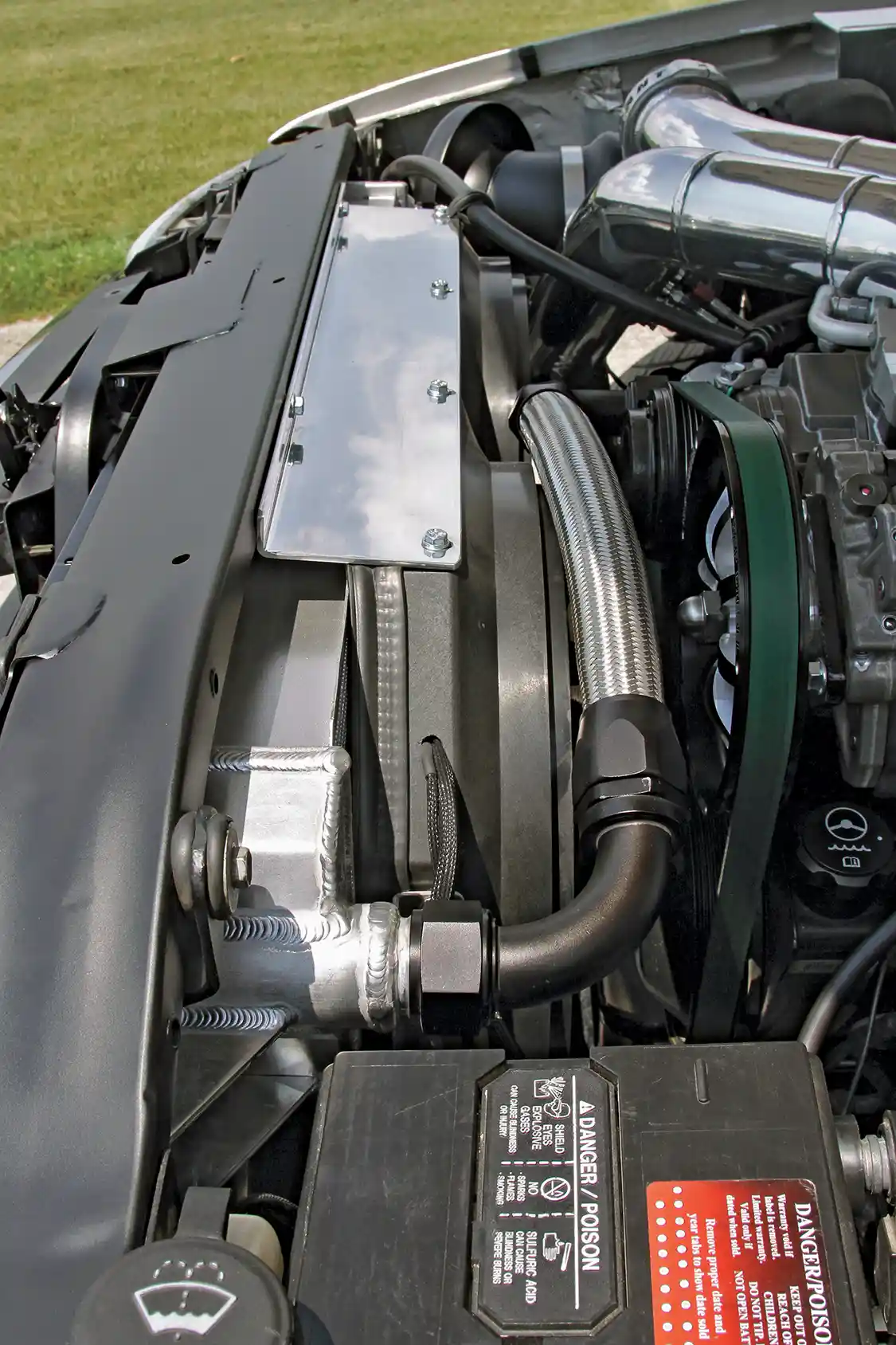
All of the bolt-on components for the engine were powdercoated satin black to match the chassis while the compressor covers on the turbos and the cold side piping is polished aluminum to give the engine an awe inspiring wow factor when Cervi lifts the hood. The big Duramax is kept cool with a Mishimoto radiator and a pair of 15-inch Flex-a-Lite electric fans that draw plenty of air through the inter-cooler and radiator cores. A billet aluminum HSP thermostat housing replaces the factory housing to work with the Vibrant AN fittings and hoses used for the cooling system.
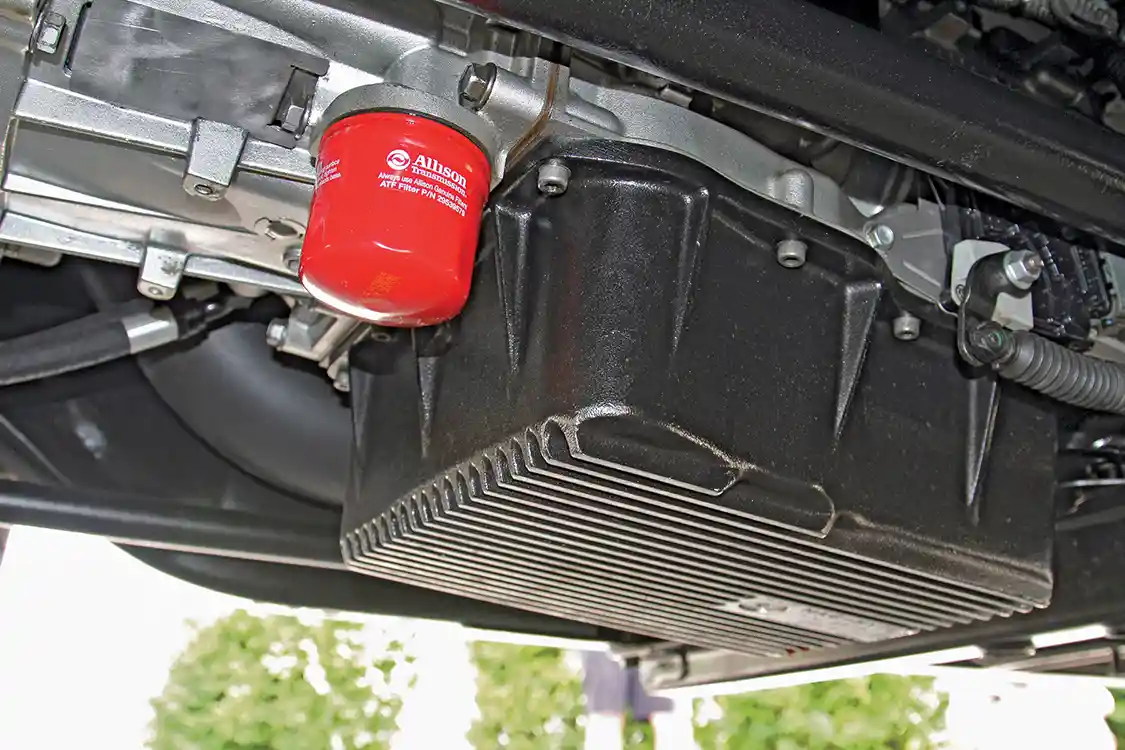
The Duramax engine is backed by a 5-speed Allison transmission that was built by Evan Drosehn at Limitless Diesel Performance in Dalton, MA. In addition to upgrading the clutches and machining to install additional clutches he also installed billet input and out- put shafts as well as billet P2 and P3 hubs to make sure it could handle the power from Cervi’s Duramax. The transmission is tied to the engine through a billet SoCal SFI flexplate as well as a Suncoast 1053 triple-disc billet torque converter. Drosehn also performs valve body modifications to make the entire package work well together and last even with the stress of a high-horsepower engine like this one. Last, they installed a Fleece Performance Engineering TapShifter to allow Cervi to have direct control of the transmission shifting.
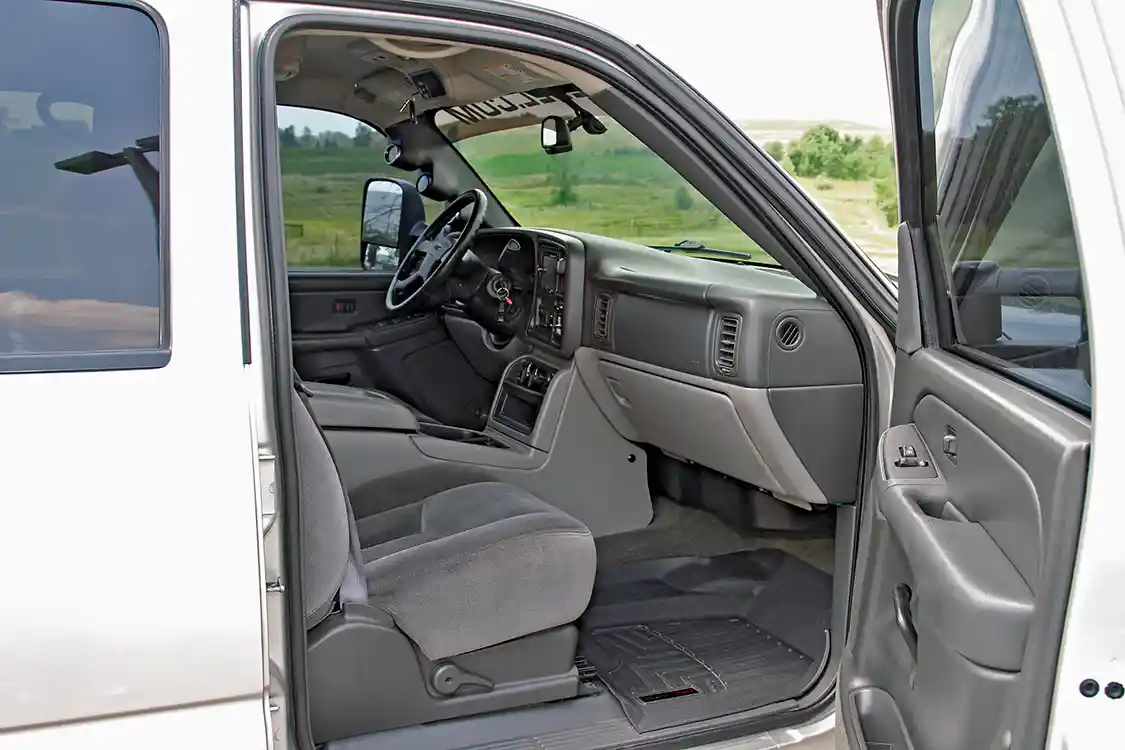
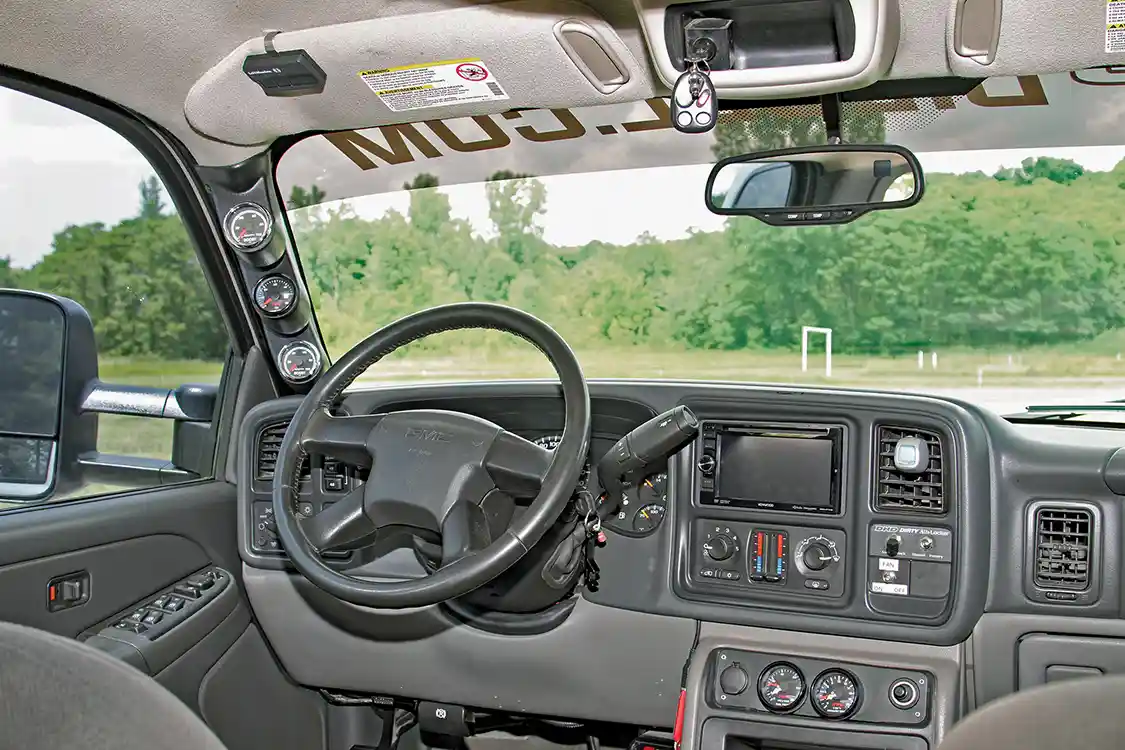
Inside, Cervi’s Sierra is largely stock but in excellent condition, showing the care that he has given to his baby. To improve the tunes he replaced the factory head unit with a Kenwood double DIN touchscreen DVD-receiver that integrates with the factory overhead DVD player and screen. To keep an eye on the engine’s performance he installed an A-pillar pod with a pair of Auto Meter 100 PSI boost gauges to measure total boost and drive pressure as well as a PPE 60 PSI boost gauge to measure atmospheric boost. A custom panel in the center console holds a pair of PPE gauges to monitor rail pressure and EGT. Finally, Cervi used a keyed 5-position switch, installed in the overhead console, to actuate the EFILive tunes and make sure that he is the only one to make adjustments.
Now that the truck is finished it can frequently be seen on display in the HSP booth at major diesel events. Of course, you might also catch a glimpse of this 1,300hp sleeper on the street or on the drag strip. But you’ll probably only see its taillights, so if you want to see it up close and personal you better check it out while Cervi has it sitting still on display at an event. UDBG

Feature Stories
The Sports Car Killer Every horsepower-obsessed guy dreams of one day being able to drive a vehicle that can smoke would-be competitors in street races… Continue reading
John Mata Jr. . May 21, 2026
Buyer’s Guides
Everardo Ozuna’s 2007 GMC Sierra Classic Everyone has something that motivates them. Regardless of their focus or passion, many were led to their path by… Continue reading
Jon Hansen . June 22, 2026

All Feature Vehicles
The Perfect Mixture of Business and Pleasure Believe it or not; this mean, clean GMC 2500HD Denali pickup is a working farm truck. Yeah, we… Continue reading
John Mata Jr. . December 07, 2023

Dino's Git-Down
State Farm Stadium, Glendale, AZ
Dino's Git-Down
State Farm Stadium
Goodguys 36th Autumn Get-Together
Alameda County Fairgrounds 4501 Pleasanton Avenue, Pleasanton, CA 94566
Goodguys 29th Speedway Motors Southwest Nationals
WestWorld of Scottsdale 16601 North Pima Road, Scottsdale, AZ 85260
We use cookies to enhance your browsing experience, serve personalized ads or content, and analyze our traffic. By clicking "Accept All", you consent to our use of cookies. Visit our Cookie Policy for more info.


 Please wait...
Share Link