










 Motortopia Staff
.
July 16, 2026
.
News
Motortopia Staff
.
July 16, 2026
.
News
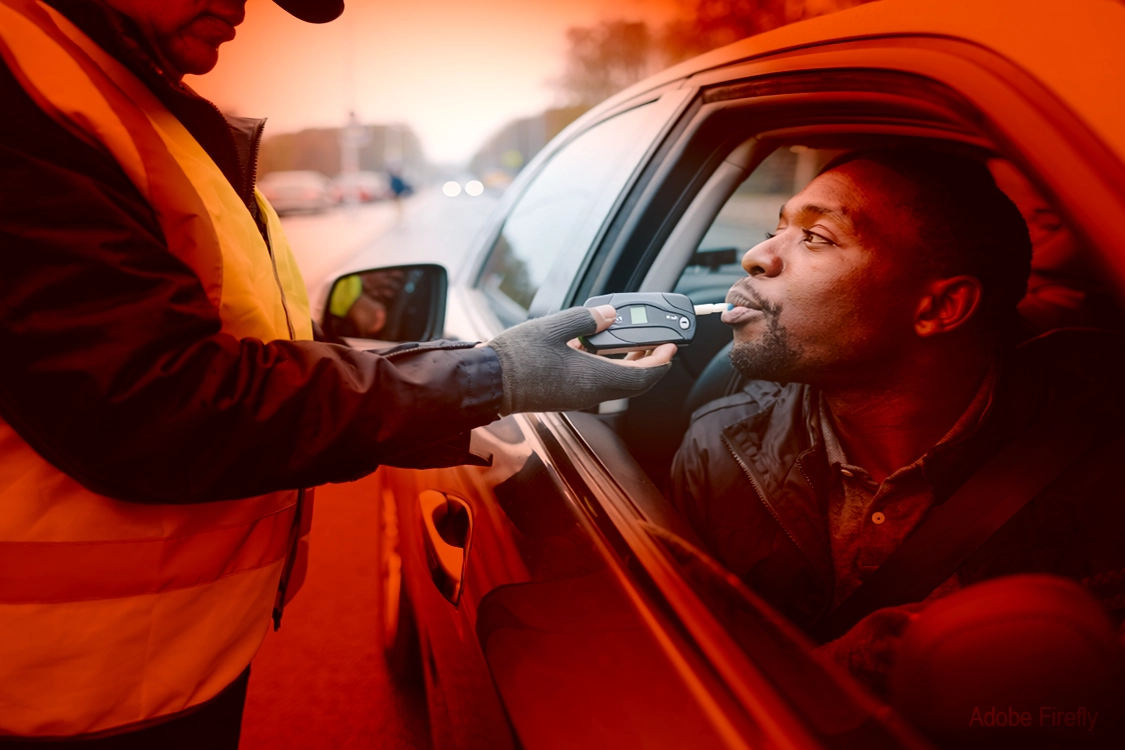
Alcohol-impaired driving resulted in traffic fatalities for a total of 11,904 people in 2024, according to the National Highway Traffic Safety Administration (NHTSA), where offenders arrested for drunk driving receive DUI charges.
A DUI conviction doesn’t stop with just the court date. The legal penalties are only one aspect of what a conviction really causes. And to understand its full impact, you will need to understand DUI laws and penalties. The punishment imposed on the individuals found guilty of driving under the influence differs from one offense to the other, from one state to the other, and from whether one actually gets a conviction or not.
Let’s take a look at the various implications of receiving DUI charges.
A DUI conviction in most states creates a criminal record, depending on how the case was handled.
Most first-time DUI cases are considered a misdemeanor. But there are certain factors that will elevate this status to a felony. Examples are being found to have a BAC well above the legal limit or causing bodily harm in the accident. Another reason is by having a child in the car during the incident. In any case, with or without these factors, a DUI will always reflect in a criminal history check.
The NHTSA says driving under the influence is still one of the most common criminal offenses across the United States, and the systems used to track these convictions from state to state have become more and more connected, especially in how information is exchanged.
California is a prime example of how quickly injury severity can swing the outcome between the two levels. DUI with injury is a “wobbler” type of offense in the state, according to West Covina DUI with injury attorney Daniel P. Flores.
A “wobber” offense means that the victim’s injury level tends to decide if the case is prosecuted as a misdemeanor or felony. A felony DUI conviction may count as a strike under California’s Three Strikes Law and can lead to consequences like losing voting rights and firearm ownership.
The time for which a DUI remains in your record depends on the existing legislation of a particular state. There is no universal policy with regards to the duration of a DUI in one’s criminal record. For instance, in some states, a DUI is considered a lifetime offense. Elsewhere, expungement might be possible after a waiting time and after everything in the sentencing plan is fully completed.
Expungement often seals the record from many background check processes. Still, this does not erase it from driving histories. Employers review those driving records separately, especially for jobs that involve operating vehicles or other driving-related roles. This difference between a criminal record and a driving record matters a lot, and many people simply do not realize that they can check them independently.
The most overlooked consequence of a DUI conviction really involves professional licenses. It’s not just the court and fines. People working in healthcare, law, education, financial services, real estate, and a ton of other licensed sectors have to report criminal convictions to their licensing boards, often within some set time window after the conviction. Failure to submit a report carries legal consequences.
Licensing boards do their own independent review of what happened. They don’t just take the criminal court’s conclusions and move on. In fact, they can suspend, revoke, or add certain conditions to a license even in cases where the court issued a smaller penalty. So a nurse who receives a short probationary sentence might still get dragged into a licensing board inquiry and, in the end, face a suspension or limited practice restrictions.
The same idea goes for a commercial driver. A commercial driver’s license (CDL) can be disqualified under 49 C.F.R. Part 383 for a DUI conviction, regardless of whether the vehicle used commercially is used during the offense or not. An attorney also usually has to make mandatory disclosure to their state bar. The exact rules and end results vary by board and state, but the risk is real, and it runs alongside the criminal process, not instead of it.
At this stage, the difference between a dismissed charge, a reduced charge, and a conviction can be critical. Pretrial deferrals, deferrals of adjudication, and the need to enter pleas that prevent conviction often save clients’ licenses in instances where a unilateral guilty plea will not. That contrast is frequently the single most important result a defense attorney can try to secure for someone who relies on a professional license.
The employment impact of a DUI conviction depends on the field. It’s not the same everywhere, and where the risk is highest can help people gauge the real stakes a lot more accurately.
The fine imposed at sentencing is typically the smallest financial consequence of a DUI conviction. Auto insurance rates tend to climb quite a bit after a DUI, often around 70 to 100 percent, or even higher. The higher price usually hangs around for roughly three to five years.
Installing an ignition interlock device and the monthly monitoring expenses, which are required in most states after a DUI, can tack on several hundred dollars each year. On top of that, license reinstatement fees, required alcohol education classes, court-ordered counseling, and treatment costs all quickly pile up and add more costs beyond the original fine.
Drivers who get convicted for a DUI might be told to file an SR-22, which is a certificate of financial responsibility that lets the state know the driver has the minimum required insurance coverage.
The Insurance Information Institute says SR-22 obligations usually run for three years and they have to be kept in place without breaks. A lapse in coverage during that period can result in license suspension. The combined financial impact of a DUI over a three-year window regularly exceeds $15,000 for a first offense when all costs are totaled.
The consequences described above are largely the result of a conviction. A charge that is dismissed or lowered to a smaller offense often leads to noticeably different results across employment, licensing, and insurance.
This handling of a DUI charge, including decisions to challenge the evidence, pursue pretrial diversion, or seek a bargain reduced plea, has effects that extend well beyond the courtroom itself.
The Cornell Law School Legal Information Institute’s DUI overview gives a solid starting frame for how DUI law works across both federal and state systems. For anyone currently facing a charge, the decisions made before the case resolves determine whether many of the consequences described here will apply at all. That is the most important thing to understand about how a DUI charge can affect a person’s future.

Jeep
The Jeep Gladiator, a unique blend of rugged truck capability and iconic Jeep open-air freedom, has quickly captured the hearts of off-road enthusiasts and daily… Continue reading
Motortopia Staff . July 02, 2025
News
Caring for a car is always a tiresome exercise. Whether it is cleaning the exterior or cleaning the interior thoroughly, maintaining a car in its… Continue reading
Motortopia Staff . September 02, 2025

Buyer’s Guides
UGH—SEMA Man AGAIN. ALREADY?!? It feels like the illustrious SEMA SHOW seems to pop up sooner and sooner each and every year. Seriously. It’s pure madness.… Continue reading
Mike Alexander . February 05, 2026

News
Miami doesn’t just move — it shimmers. From the palm-lined boulevards of Coral Gables to the neon pulse of South Beach, this city runs on… Continue reading
Motortopia Staff . November 24, 2025
News
The National Highway Traffic Safety Administration reports that driving while drunk causes thousands of deaths on the road yearly. Drunk driving is one of the… Continue reading
Motortopia Staff . May 14, 2026

News
Image Source A cracked or chipped windshield should never be ignored. Once the glass is weakened, it cannot fully support the vehicle’s safety systems during… Continue reading
Motortopia Staff . November 06, 2025

The Sparks Show
Sevierville, TN
Dino's Git-Down
State Farm Stadium, Glendale, AZ
Dino's Git-Down
State Farm Stadium
Goodguys 36th Autumn Get-Together
Alameda County Fairgrounds 4501 Pleasanton Avenue, Pleasanton, CA 94566
Goodguys 29th Speedway Motors Southwest Nationals
WestWorld of Scottsdale 16601 North Pima Road, Scottsdale, AZ 85260
We use cookies to enhance your browsing experience, serve personalized ads or content, and analyze our traffic. By clicking "Accept All", you consent to our use of cookies. Visit our Cookie Policy for more info.



 Please wait...
Share Link