








 Motortopia Staff
.
November 05, 2025
.
News
Motortopia Staff
.
November 05, 2025
.
News
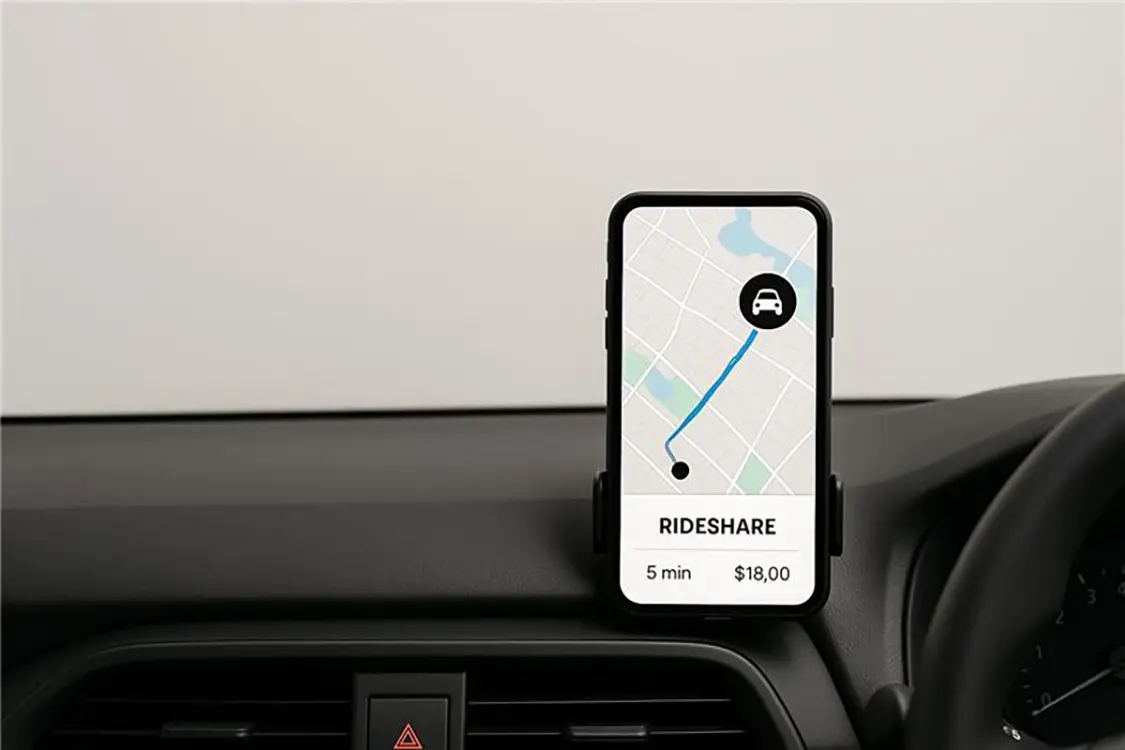
Picture Source- Bazoom AI
Rideshare services have changed urban transportation, offering convenient travel options. However, as their popularity grows, so do concerns about safety and legal responsibilities. Understanding these aspects is crucial for both passengers and drivers to navigate the rideshare landscape effectively.
The rise of rideshare platforms has transformed how people travel, particularly in bustling cities. However, with this convenience comes an increase in risks associated with rideshare accidents in Los Angeles, CA. As a passenger or driver, being aware of safety measures and understanding your legal rights is essential. This awareness not only helps prevent incidents but also ensures you are prepared to deal with them should they occur.
Common causes of rideshare incidents
Rideshare incidents often occur due to a variety of factors that are prevalent in urban settings. One primary cause is the challenging traffic conditions that characterize large cities. Heavy congestion and unpredictable traffic patterns can lead to accidents if drivers are not vigilant. In such environments, maintaining focus is crucial, yet it is not uncommon for drivers to experience fatigue due to long hours on the road.
Driver fatigue is another significant contributor to rideshare accidents. Many drivers operate across multiple platforms or extend their shifts to maximize earnings, increasing the risk of exhaustion. Fatigued drivers may struggle to maintain concentration or react promptly to sudden changes in traffic conditions, heightening the likelihood of collisions.
Moreover, distractions within the vehicle can play a role in causing incidents. Whether it’s adjusting a GPS device, responding to passenger queries, or managing app notifications, these distractions can divert attention from the road. Both passengers and drivers must be mindful of these potential hazards to ensure a safer rideshare experience.
Legal rights and responsibilities in ridesharing
In the event of an incident during a rideshare journey, understanding the legal landscape is essential for both passengers and drivers. Passengers have certain rights that protect them in such situations, including the right to pursue compensation if injured due to driver negligence. It is crucial for passengers to document any incidents thoroughly and report them promptly through the appropriate channels provided by the rideshare company.
Drivers, on the other hand, must be aware of their responsibilities regarding insurance coverage and liability. Typically, rideshare companies offer insurance policies that cover accidents occurring while a driver is actively engaged in a ride or awaiting a passenger request. However, personal insurance may also play a role depending on state laws and specific circumstances surrounding the incident.
Both parties should familiarize themselves with the terms outlined by their respective insurance providers and understand how these relate to potential liabilities. Staying informed about these legal nuances ensures that both passengers and drivers are better equipped to handle any disputes or claims that may arise from an accident.
Safety tips for passengers using rideshare services
Passenger safety during rideshare journeys begins with simple yet effective practices. Before entering a vehicle, verify your driver’s identity by checking their photo ID against what is displayed on your app. Confirming vehicle details such as license plate number further ensures you’re getting into the right car.
Your well-being should always be prioritized during any rideshare experience.
Safety guidelines for rideshare drivers
For drivers seeking to maintain safety standards and avoid legal complications, adhering to specific guidelines is crucial. First and foremost is compliance with all traffic laws—speed limits must be observed diligently, and mobile devices should never be used while driving unless they are hands-free.
By following these guidelines, drivers can help ensure a safer environment for themselves and their passengers.

News
The Legal Rights of Cyclists on the Road If you spend a lot of time behind the wheel, whether it’s in a custom build, a… Continue reading
Motortopia Staff . October 27, 2025

News
Photo by: pixabay.com Classic and antique cars, those 20 years or older, are a joy to own and show off. With only around 40 million… Continue reading
Motortopia Staff . June 12, 2025
News
Some cars are too good to die. A BMW M3 with a dented frame, a Tesla Model S with a cracked battery case, an Audi… Continue reading
Motortopia Staff . December 23, 2025

News
Image by Marcel Langthim from Pixabay Roads in Florida are among the busiest and most erratic in the entire nation, particularly in larger cities such… Continue reading
Motortopia Staff . November 20, 2025

News
A car isn’t just metal, glass, and gears. It’s memories, movement, and money. But when the engine coughs or the brakes screech, those dreams begin… Continue reading
Motortopia Staff . July 17, 2025

News
Print-through (telegraphing) happens when your adhesive sinks, shrinks, or exotherms hard enough that the show surface reflects what’s going on underneath. If you’re bonding carbon… Continue reading
Motortopia Staff . September 30, 2025



C10’s in the Swamp
Florida classic park, Brooksville FL
Goodguys 16th FiTech Fuel Injection Spring Nationals
WestWorld of Scottsdale 16601 North Pima Road, Scottsdale, AZ 85260
Terminal Takeover 2026
21 airport rd Ext, Greenville, SC
Altered Metal 2026
Rayne, LA
Orange Beach Invasion 2026
The Wharf Orange Beach, Alabama




 Please wait...
Share Link