










 Motortopia Staff
.
May 28, 2026
.
News
Motortopia Staff
.
May 28, 2026
.
News
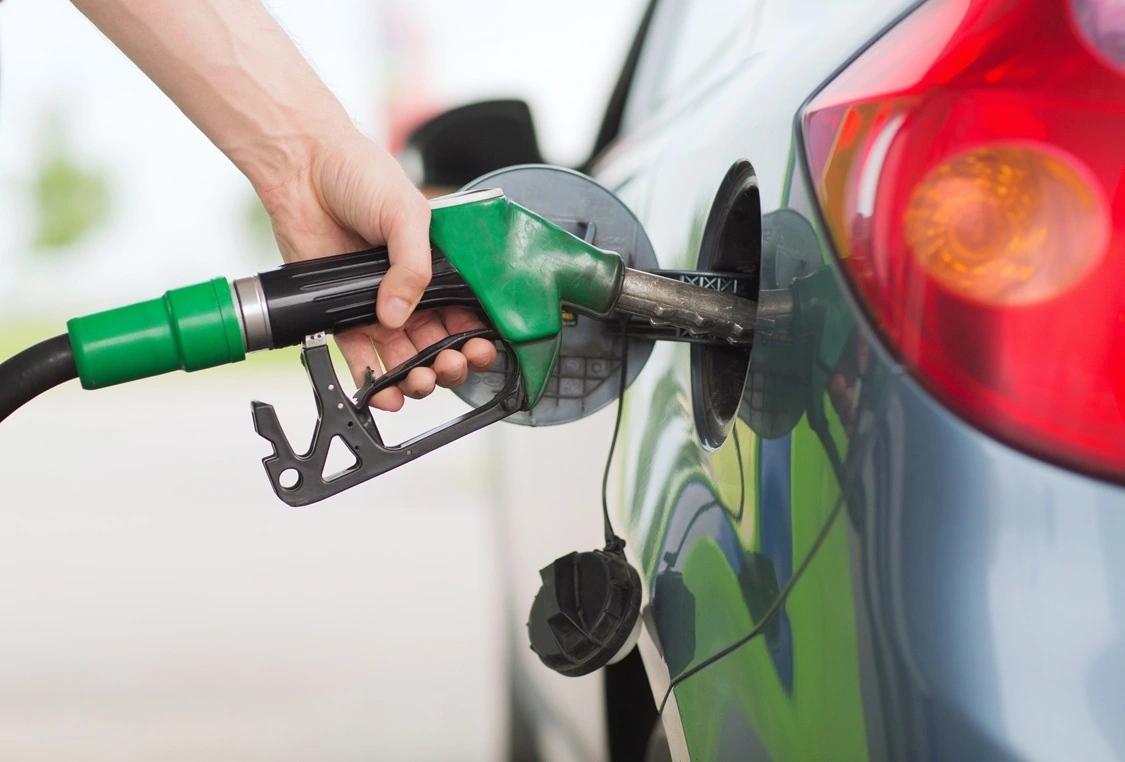
Image source: Dreamstime.com
Fuel efficiency matters to almost every driver. Whether you commute daily, drive long highway routes, run errands around town, or simply want to spend less money watching gas prices climb like dramatic mountain goats, improving fuel economy can make a noticeable difference over time.
The good news is that better fuel efficiency does not always require buying a new hybrid vehicle or transforming your car into a futuristic solar-powered capsule. In many cases, small driving habits and routine maintenance changes can significantly improve how efficiently your vehicle uses fuel.
Everyday driving decisions affect gas mileage more than many people realize. Acceleration habits, tire pressure, vehicle weight, maintenance schedules, and even how long a car idles all play a role.
By making a few practical adjustments, drivers can improve fuel economy, reduce vehicle wear, and even extend the life of important components. Here are some of the simplest and most effective ways to improve fuel efficiency in everyday driving.
One of the biggest factors affecting fuel efficiency is driving style.
Rapid acceleration, hard braking, and aggressive driving force the engine to work harder and burn more fuel. Sudden bursts of speed may feel satisfying for approximately three glorious seconds, but they often come at the cost of extra trips to the gas station.
Smooth driving helps maintain momentum and reduces unnecessary fuel consumption.
Pressing the accelerator gradually instead of flooring it can improve gas mileage significantly.
Fast acceleration increases fuel demand dramatically, especially in city driving where stop-and-go traffic is common.
Frequent speed changes reduce efficiency. Using cruise control on highways can help maintain a steady pace and improve fuel economy during long drives.
Driving like a calm river instead of an action movie chase scene generally benefits both your fuel tank and your nerves.
Many modern vehicles use less fuel restarting the engine than they do idling for extended periods.
Leaving the car running while parked wastes fuel unnecessarily.
Situations where reducing idling helps include:
Modern engines typically do not need long warm-up periods before driving.
During cold weather, gentle driving shortly after startup is usually more efficient than idling for ten minutes while the heater slowly negotiates with winter itself.
Tire pressure has a surprisingly large impact on fuel efficiency.
Underinflated tires create more rolling resistance, forcing the engine to work harder to move the vehicle.
Even slightly low tire pressure can reduce gas mileage and accelerate tire wear.
Drivers should check tire pressure at least once a month and before long road trips.
Recommended tire pressure can usually be found:
Temperature changes can affect tire pressure throughout the year, especially during colder months.
Properly inflated tires improve:
Extra weight requires extra fuel.
Many drivers unknowingly carry around unnecessary cargo in their vehicles for months at a time.
Heavy toolboxes, sports equipment, storage bins, forgotten gym bags, emergency lava rocks from a landscaping project three summers ago, and other random cargo all add weight.
Removing unnecessary items can improve efficiency, especially in smaller vehicles.
Roof racks, cargo carriers, and rooftop storage boxes increase aerodynamic drag.
Even when empty, roof racks can reduce fuel efficiency at highway speeds.
If you do not regularly use roof accessories, removing them can help improve mileage.
Routine maintenance plays a major role in fuel efficiency.
A poorly maintained engine often burns more fuel than necessary.
A dirty engine air filter can reduce airflow and affect engine performance.
Replacing clogged filters helps the engine operate more efficiently.
Using the correct motor oil recommended by the manufacturer helps reduce engine friction.
Some oils are specifically designed to improve fuel economy.
Worn spark plugs can reduce combustion efficiency and cause misfires.
Replacing spark plugs at recommended intervals helps maintain performance and fuel efficiency.
Ignoring maintenance issues often reduces gas mileage.
If the check engine light appears, the problem should be diagnosed rather than treated like decorative dashboard mood lighting.
Short trips with a cold engine use more fuel than longer trips where the engine reaches optimal operating temperature.
Combining errands into one trip can reduce fuel consumption.
Planning routes efficiently helps reduce:
Navigation apps that monitor traffic conditions can also help drivers avoid congestion and delays.
Every avoided traffic jam is a tiny victory against chaos and gasoline consumption alike.
Higher speeds increase aerodynamic drag significantly.
As speed rises, the engine must work harder to overcome air resistance.
Most vehicles achieve their best fuel efficiency at moderate highway speeds.
Driving at 80 mph instead of 65 mph may save time, but it often burns noticeably more fuel.
Even reducing highway speed slightly can improve mileage over long distances.
Air behaves politely at moderate speeds and like an angry invisible wall once velocity climbs high enough.
Air conditioning places additional demand on the engine, particularly during city driving.
On the other hand, driving with windows fully open at highway speeds increases aerodynamic drag.
Drivers do not necessarily need to suffer through summer heat like wandering desert philosophers. Moderation simply helps improve efficiency.
Frequent hard braking wastes momentum and fuel.
Smooth braking allows the vehicle to maintain more energy and reduces wear on brake components.
Keeping a safe following distance helps drivers anticipate traffic changes and avoid sudden stops.
Gentle braking also creates a smoother and more comfortable ride overall.
Many vehicles are designed to run efficiently on regular gasoline.
Using premium fuel in a car that does not require it generally does not improve performance or fuel economy.
Always follow the fuel recommendations listed in the owner’s manual.
Paying extra for unnecessary premium fuel can feel a bit like feeding gourmet truffles to a lawn mower.
Poor wheel alignment increases rolling resistance and causes tires to drag slightly rather than roll smoothly.
Signs of alignment problems include:
Correct alignment improves:
Heavy traffic significantly reduces fuel economy.
Frequent acceleration and braking consume more fuel than steady-speed driving.
When possible:
Even small reductions in stop-and-go traffic can improve efficiency over time.
Four-wheel drive systems improve traction but often consume more fuel.
If your vehicle allows switching between two-wheel and four-wheel drive modes, use four-wheel drive only when necessary for road conditions.
Using four-wheel drive on dry pavement when it is not needed simply increases fuel consumption.
Aerodynamics play a larger role in fuel economy than many drivers realize.
Open windows, roof carriers, bike racks, and exterior accessories all affect airflow around the vehicle.
At highway speeds, aerodynamic drag becomes increasingly important.
Reducing drag helps the vehicle move more efficiently through the air rather than battling turbulence like a brick attempting flight.
Tracking gas mileage helps drivers identify changes that may indicate maintenance problems.
Sudden drops in fuel economy can signal issues such as:
Monitoring mileage also helps drivers see which habits improve efficiency most effectively.
Many modern vehicles display real-time fuel economy information, turning every commute into a tiny strategy game against gasoline consumption.
Weather and terrain affect fuel efficiency significantly.
Cold temperatures increase engine warm-up times and reduce efficiency temporarily.
Winter gasoline blends can also slightly reduce mileage.
Steep terrain requires additional engine power and fuel.
Smooth driving techniques become even more important in hilly areas.
Strong headwinds increase aerodynamic drag and fuel consumption.
Sometimes fuel economy drops are simply the result of nature deciding to play “invisible resistance training” with your car.
Improving fuel efficiency does not require dramatic lifestyle changes or advanced mechanical expertise. Small habits practiced consistently often produce meaningful results over time.
Smooth acceleration, proper tire pressure, routine maintenance, lighter vehicle loads, and smarter trip planning can all help drivers save fuel and reduce vehicle wear.
Beyond saving money, efficient driving also reduces stress on engines, brakes, tires, and other important components. The result is often a vehicle that runs better, lasts longer, and feels smoother during everyday driving.
A little attention behind the wheel can go a surprisingly long way. After all, fuel efficiency is less about turning your car into a miracle machine and more about helping it work smarter instead of harder mile after mile.
Drag Racer
Speed, Adrenaline and Pure Theatrics Grudge racing has dominated the drag racing scene in the Southern states for decades, but in recent years, the internet… Continue reading
Fergus Ogilvy . August 03, 2026
Drag Racer
It was a Sterling Silver Event WHEN THE ORGANIZERS OF THE FIRST CALIFORNIA HOT ROD REUNION (CHRR) WERE KICKING AROUND THE IDEA FOR THIS SHINDIG,… Continue reading
Pete Ward . August 14, 2026

Buyer’s Guides
UGH—SEMA Man AGAIN. ALREADY?!? It feels like the illustrious SEMA SHOW seems to pop up sooner and sooner each and every year. Seriously. It’s pure madness.… Continue reading
Mike Alexander . February 05, 2026
News
A modified car can be an exciting sight. Wide wheels sit flush with the fenders. A deep note shakes the street. Fresh paint catches light… Continue reading
Motortopia Staff . June 24, 2026
News
The Love Behind Every Build Car people think in a different way. They see beauty in raw engines and steel. They chase cleaner lines and… Continue reading
Motortopia Staff . November 24, 2025
News
Over 29% of car accidents in the U. S. are rear-end collisions, compared to about 22% of angle collisions or 24% of sideswipe collisions. Tailgating,… Continue reading
Motortopia Staff . May 20, 2026


Goodguys 28th Griot’s Garage Colorado Nationals
The Ranch Events Complex 5280 Arena Circle, Loveland, CO 80538
Florence Fall Classic
Florence Fall Classic Car Show Old Town Florence Oregon
Elks Auto Show
Elks Auto Show 1140 Umpqua College Rd. Winchester OR. 97470
42nd Oregon High Desert Swap Meet, Car Show And Antiques
Deschutes County Fairgrounds 3800 Airport Way, Redmond, Oregon 97756
International Drive Your Studebaker Day
89 Center Rd., Petaluma, CA
We use cookies to enhance your browsing experience, serve personalized ads or content, and analyze our traffic. By clicking "Accept All", you consent to our use of cookies. Visit our Cookie Policy for more info.


 Please wait...
Share Link