










 Motortopia Staff
.
October 13, 2025
.
News
Motortopia Staff
.
October 13, 2025
.
News

Providence is a vibrant and tightly connected city, where the roads are often as busy as the communities that surround them. With dense traffic patterns and a growing population, car accidents here are not uncommon, and the legal processes that follow can vary greatly depending on the situation. While many car accident claims are resolved through settlements, some inevitably end up in the courtroom. Understanding when and why that happens is especially important for anyone navigating the legal aftermath of a serious crash.
A case might go to trial due to contested liability, disagreements over compensation, or the failure of negotiations. Trials introduce a structured legal process that demands evidence, preparation, and often months of litigation. For those facing this route, the guidance of a car accident lawyer in Providence can be essential. They can assess whether litigation is the best option and build a case that reflects the full extent of the damages suffered.
There are several reasons that a settlement may not happen, with the primary reason being disputes over liability. If the evidence is not clear-cut or if there is a dispute between both sides, it can push a case toward trial.
The second strife deals with disagreements over the amounts of the compensation. Accident-related injuries can leave you with bills and lost income. At times, parties cannot agree upon an equitable settlement; hence, court intervention is required.
A lawsuit commences when a claim is taken to court. This includes filing a complaint outlining the accident and the amount sought in damages. This complaint is served to the defendant, who must answer and offer their perspective.
Discovery is one of the vital steps of the court process. This is where both parties gather intel to substantiate their respective cases. This could include bringing forth witnesses such as doctors or crash reconstructionists. They are specialists who provide clarity on the technical aspects of the case.
Each side has a chance in opening statements to lay out their case. Next comes the presentation of evidence, where both sides bring in documents, evidence, and witnesses. This step provides a full picture of the accident. Cross-examinations can challenge evidence and highlight inconsistencies or inaccuracies. Once evidence is presented, each party summarizes their position through closing arguments. The judge or jury then deliberates, weighing all the evidence and testimonies.
The judge or jury could rule in favor of the plaintiff and award damages. This can include compensation for lost wages, medical treatment, and pain and suffering. On the other hand, the jury may find the defendant not liable. In some cases, the jury may place some blame on both sides and, in turn, reduce damage awards.
If you are weighing the option of going to court, here are a few things to consider before choosing this path. Many cases take time and are emotionally draining. It is a slow and painful process that could take months or years to resolve.
Additionally, legal representation is crucial. A qualified lawyer knows a lot about the legal context since they have dealt with other cases before. They will advocate for your rights and needs. They will guide their clients on the chances of success, ensuring they can make an informed decision.
Mediation is another option that you can consider before going to trial. This is done with the help of a neutral third party that conducts discussions between the parties. The purpose of mediation is to settle before trial. It could save you time and reduce uncertainty and anxiety, as it takes place in a less aggressive atmosphere.
Mediation encourages dialogue between the parties over their issues and needs. An effective mediation process reduces the uncertainty that comes with a trial verdict for all parties involved. However, both sides must be willing to give ground.
Familiarizing yourself with the courtroom process will prepare you for the journey you are about to take, from filing a lawsuit to trial outcomes. Court cases take time and energy, but they secure a form of justice, a resolution to a complicated matter. This may be daunting for those involved, but understanding your options and seeking assistance from legal professionals can help you achieve a positive outcome.
News
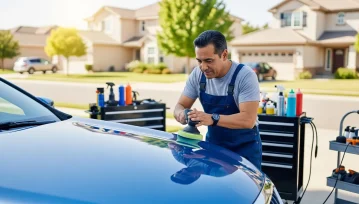
Caring for a car is always a tiresome exercise. Whether it is cleaning the exterior or cleaning the interior thoroughly, maintaining a car in its… Continue reading
Motortopia Staff . September 02, 2025
Diesel World
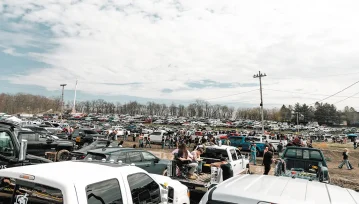
AS SEEN IN OUR DIESEL WORLD AUGUST 2026 ISSUE – Buy Now! SEASON OPENER 2026 The 2026 Diesels of New York season opener proved once… Continue reading
DW STAFF . July 24, 2026

News
America’s vast network of highways facilitates transportation and commerce but also brings considerable safety risks. Even responsible motorists can end up in crashes, so knowing… Continue reading
Motortopia Staff . September 01, 2025

News
Photo by: pixabay.com Classic and antique cars, those 20 years or older, are a joy to own and show off. With only around 40 million… Continue reading
Motortopia Staff . June 12, 2025
Industry Updates
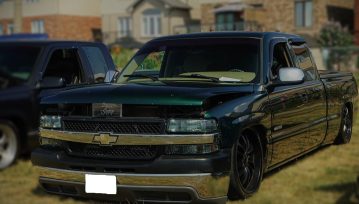
If you hang around car people long enough, you hear the same story again and again. Someone rushed a deal, ignored a few warning signs,… Continue reading
Motortopia Staff . December 02, 2025

News
Car tracking without the owner’s knowledge is technically possible using various modern technologies. The following paragraphs explain how it is done, the legal risks, and… Continue reading
Motortopia Staff . April 10, 2026



Concours D'Elegance
Cobble Beach Resort 221 McLeese Dr, Kemble, ON N0H 1S0
Charity Car Show
Mesa Marketplace 10550 E. Baseline Rd, Mesa , Az 85209
CHICO CONCOURS Car Show
Silver Dollar Fairgrounds 2357 Fair Street, Chico, CA 95928
Goodguys 33rd Summit Racing Lone Star Nationals
Texas Motor Speedway 3545 Lone Star Circle
The Sparks Show
Sevierville, TN
We use cookies to enhance your browsing experience, serve personalized ads or content, and analyze our traffic. By clicking "Accept All", you consent to our use of cookies. Visit our Cookie Policy for more info.



 Please wait...
Share Link