










 Tucker Harris
.
June 02, 2026
.
Diesel World
Tucker Harris
.
June 02, 2026
.
Diesel World
AS SEEN IN OUR DIESEL WORLD JULY 2026 ISSUE – Buy Now!
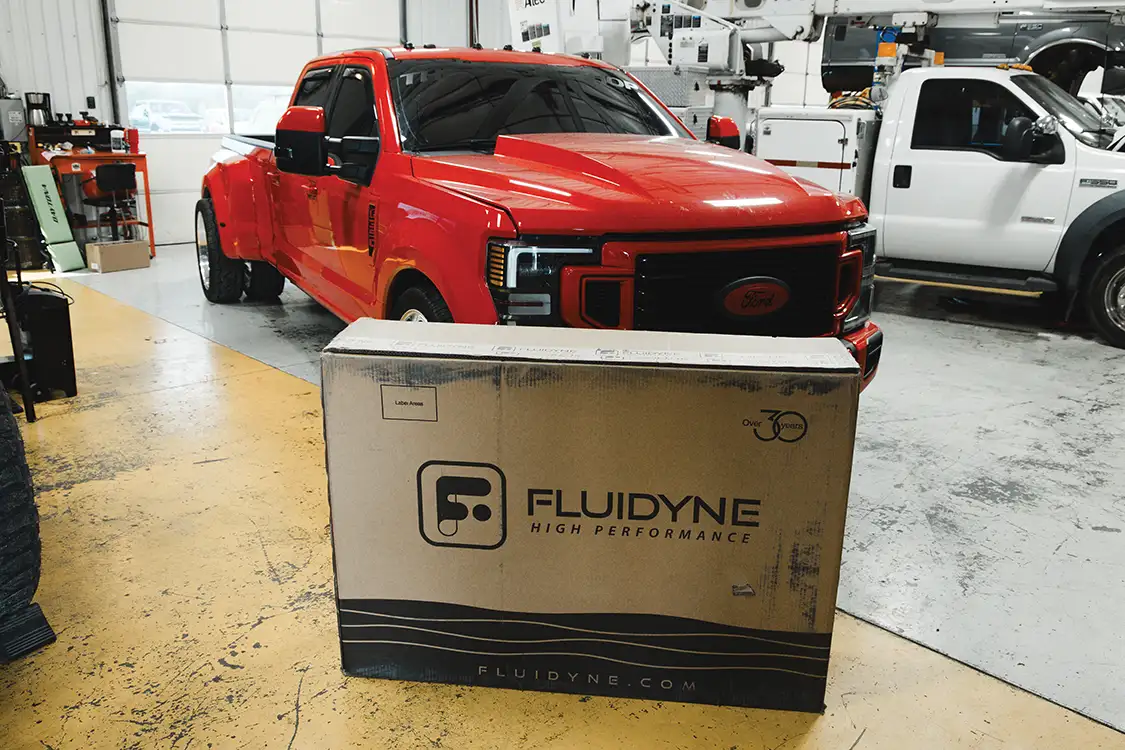
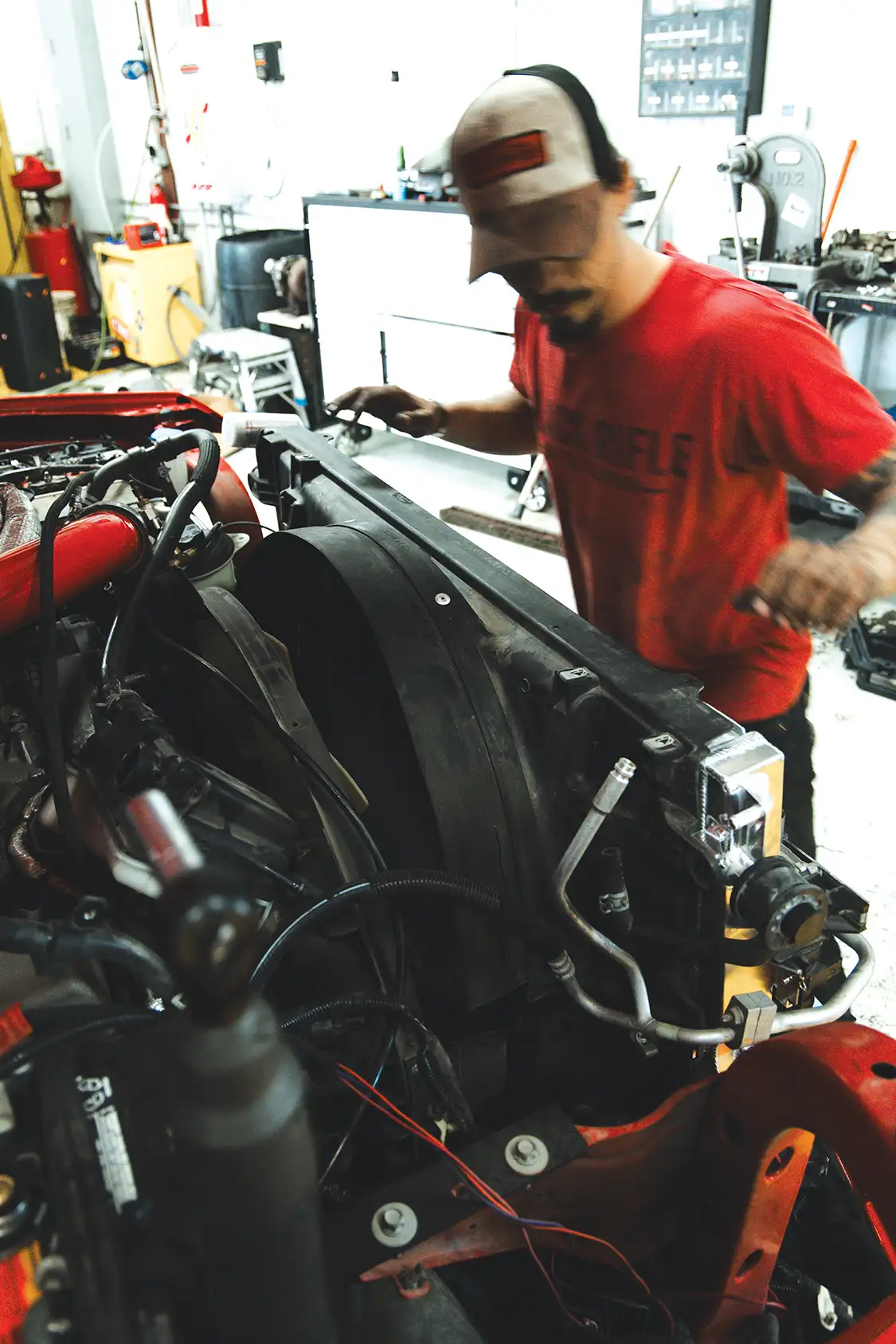
Something that we love to see brought into the diesel world is innovation, so today we’re bringing you some race car-inspired technology by Fluidyne High Performance in the form of its radiators. The truck we’re working on is a past Diesel World cover truck from The Diesel Shop in Locust Grove, Oklahoma, but who’s to say that a high-caliber build can’t be further upgraded?
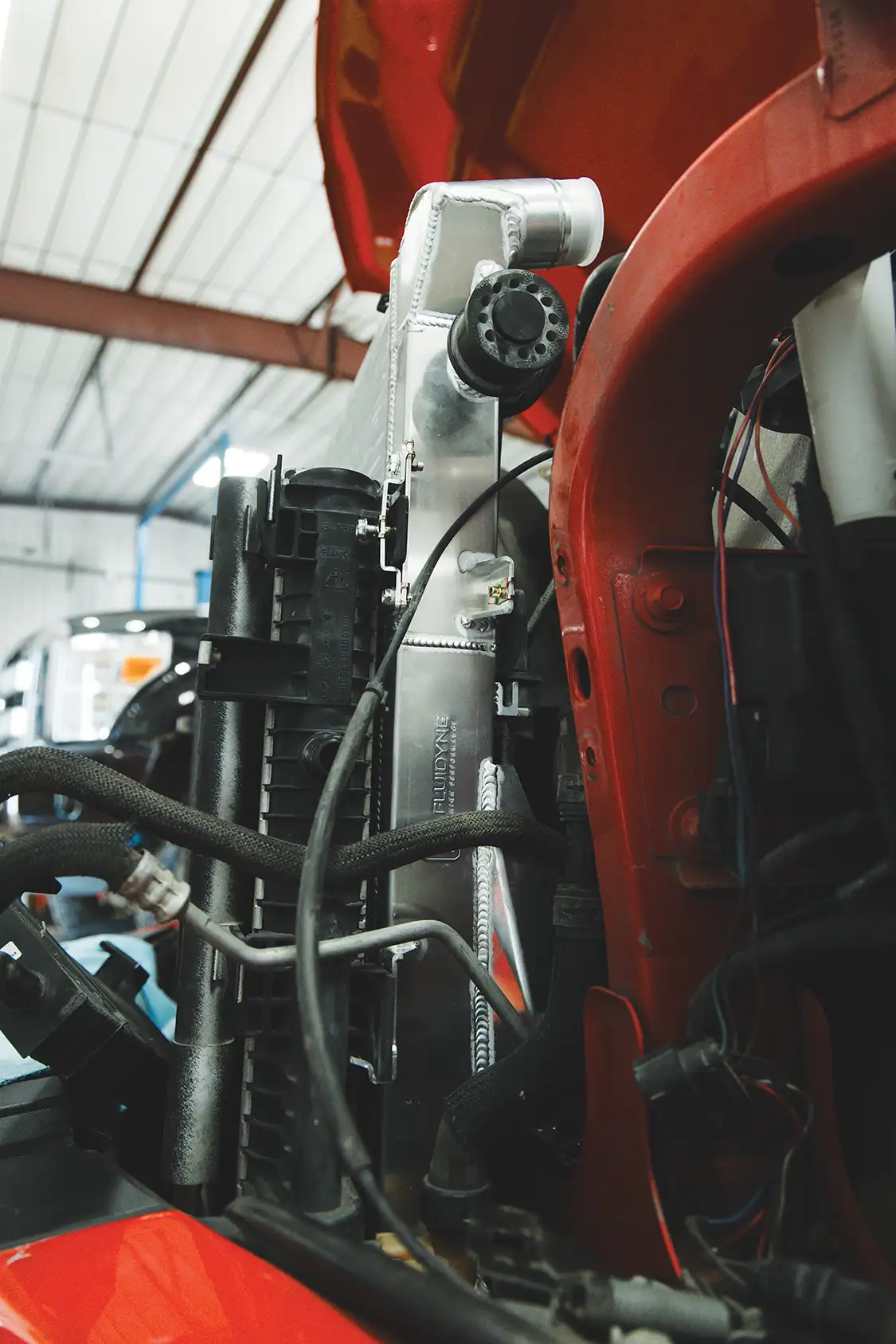
Even though the front clip of this F-350 says it’s a newer truck, you can rest assured that we are installing the correct radiator on this 2017 6.7L Power Stroke. This radiator fits 2017-2019 F-250/350 models.
These Fluidyne radiators are the only extruded tube units on the market for diesel trucks as of right now, which is the same design and technology that Fluidyne has been using in its NASCAR radiators for decades—perfectly curated for the diesel scene. They’re fully TIG-welded, and feature the thickest material on the market. The competition takes a piece of flat plate, bends it into the shape of a tube, and laser welds it, making them susceptible to failure. Fluidyne’s tubes, on the other hand, are made through a process called ‘extrusion’. Tube extrusion is a manufacturing process that forces heated metal or molten plastic through a die, using a mandrel to create a hollow center, forming continuous tubing. This technique ensures precise outer diameters and wall thicknesses, which is the extra durability that Fluidyne provides.
This installation is a time-consuming affair, so let’s get right into it!
Step 1: Recover the A/C System
Before touching anything up front, the A/C system must be properly discharged using a certified recovery machine. Venting refrigerant is illegal and unsafe, so this step needs to be done at a shop if you don’t have the equipment.
Once the system is fully evacuated, you can safely disconnect A/C components later in the process.
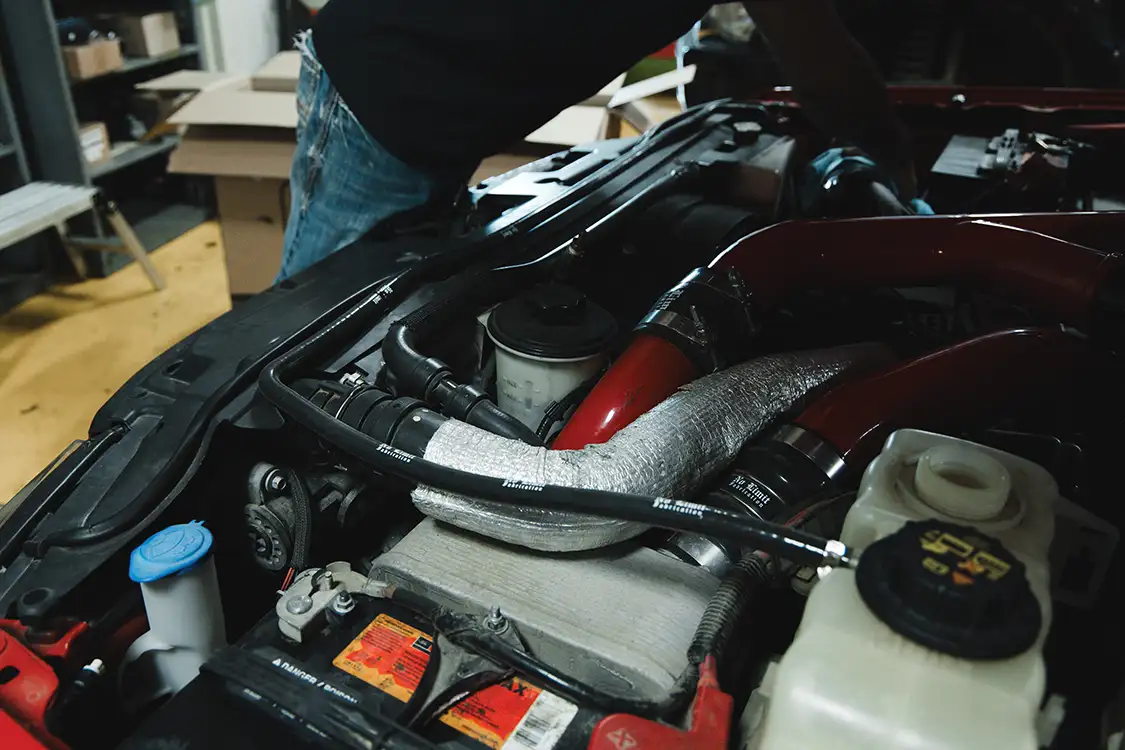
Step 2: Drain the Cooling System
Place a drain pan under the truck and open the radiator drain valve (petcock). Remove the degas bottle cap to allow the system to vent and fully drain.
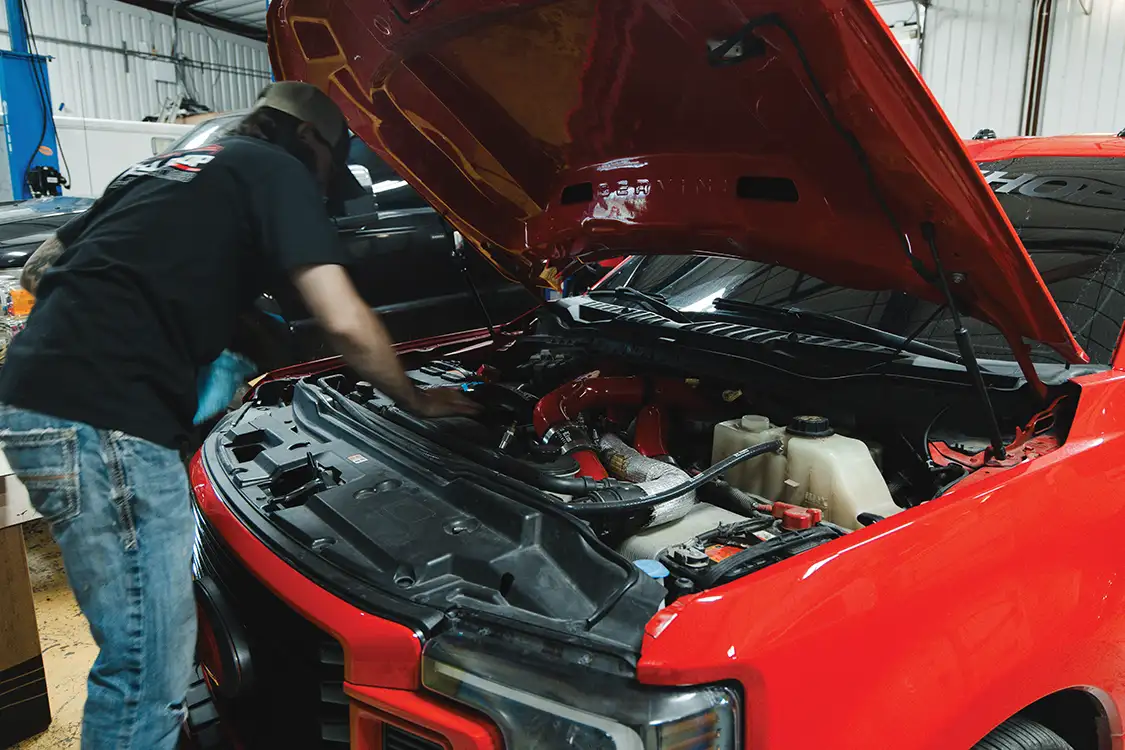
Step 3: Remove Intake and Upper Components
Remove the air intake tube and airbox assembly
Disconnect the upper radiator hose
Remove the degas bottle (coolant reservoir)
Unplug any sensors attached to the radiator or fan shroud
These steps clear the working room up top.
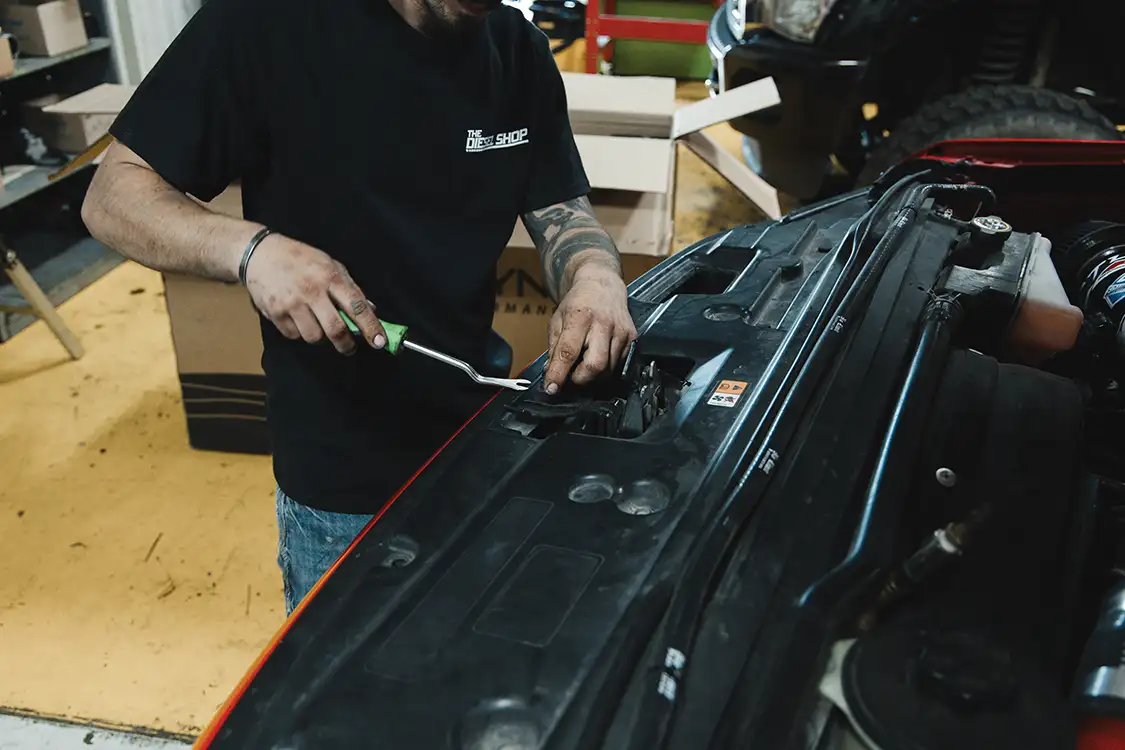
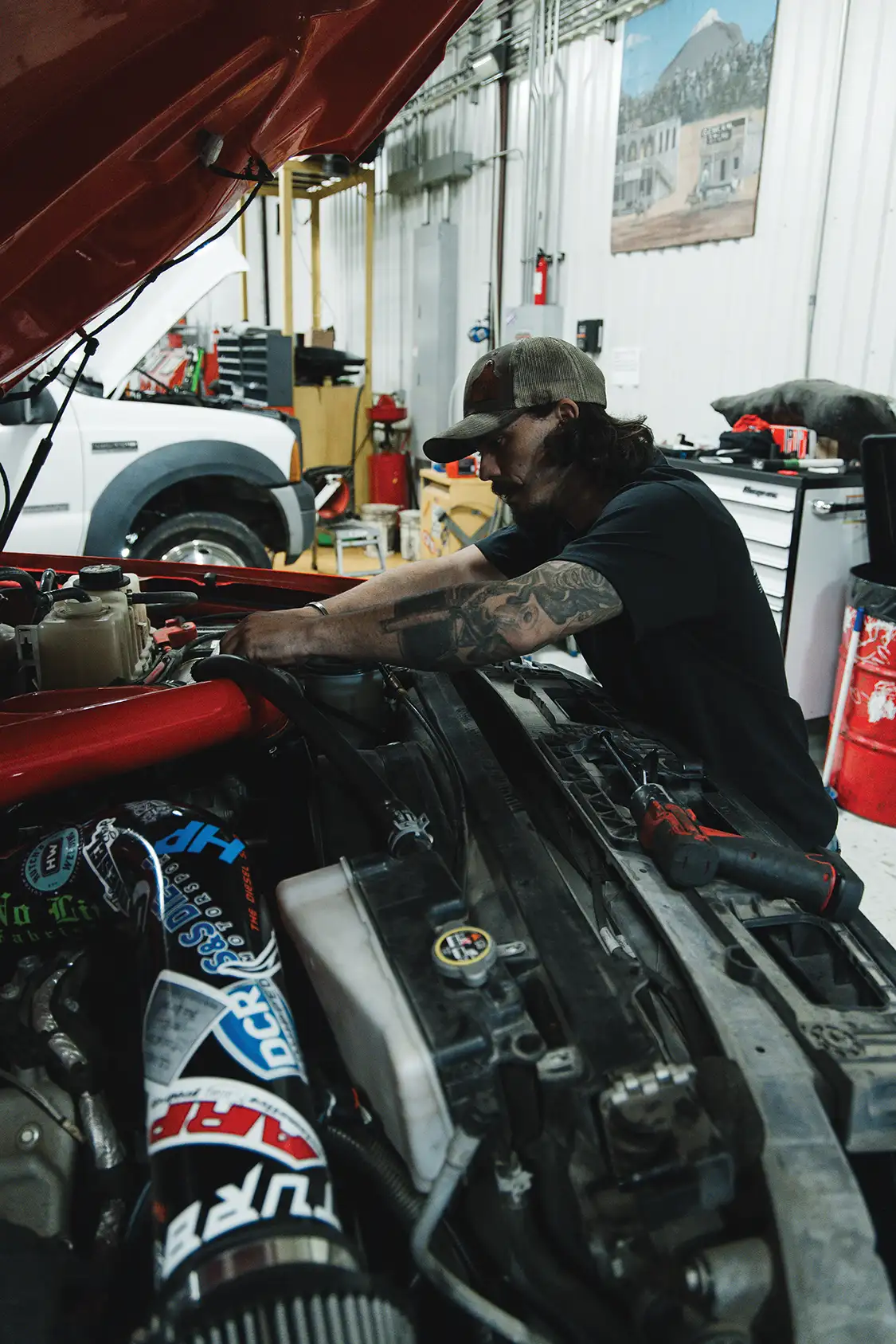
Step 4: Remove
Remove the fan and shroud together or separately depending on clearance
This step opens up the front of the engine bay significantly.
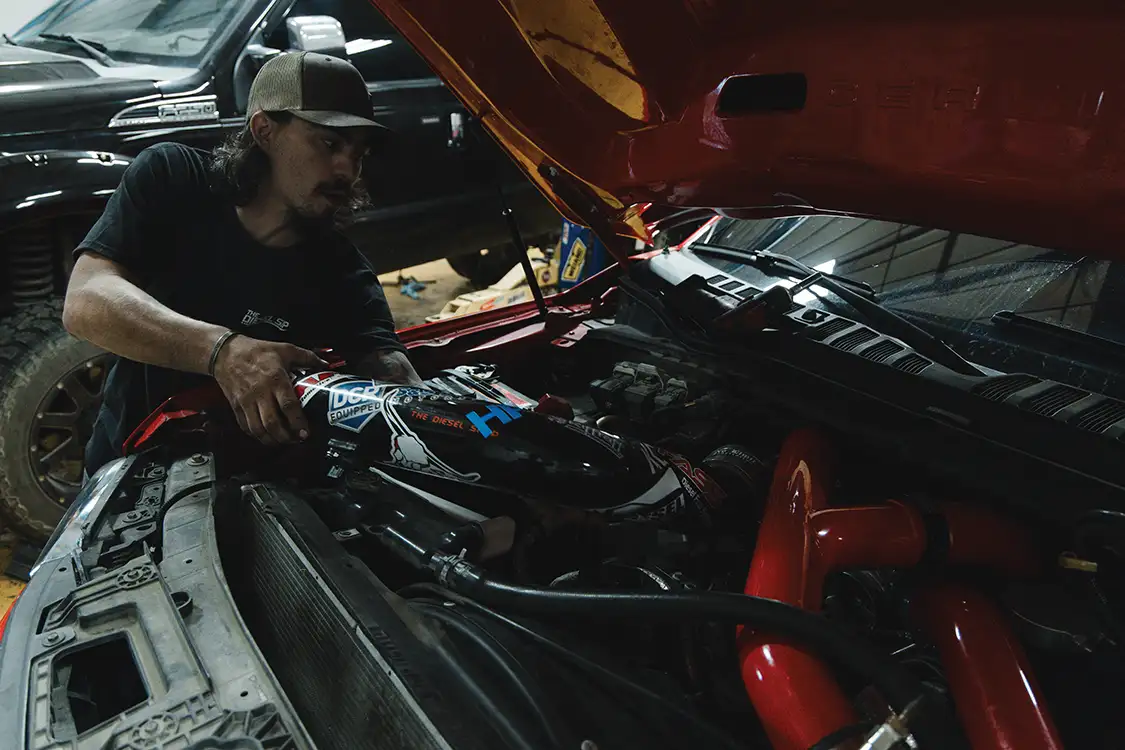
Step 5: Separate the Cooling Stack
Now you’re getting into the tight part of the job.
Unbolt the upper core support brackets
Disconnect the A/C condenser lines (since the system is discharged)
Carefully separate the condenser from the radiator (do not bend the fins)
In some cases, the intercooler may need to be loosened or moved slightly
You’re essentially “unstacking” the cooling pack enough to slide the radiator out.
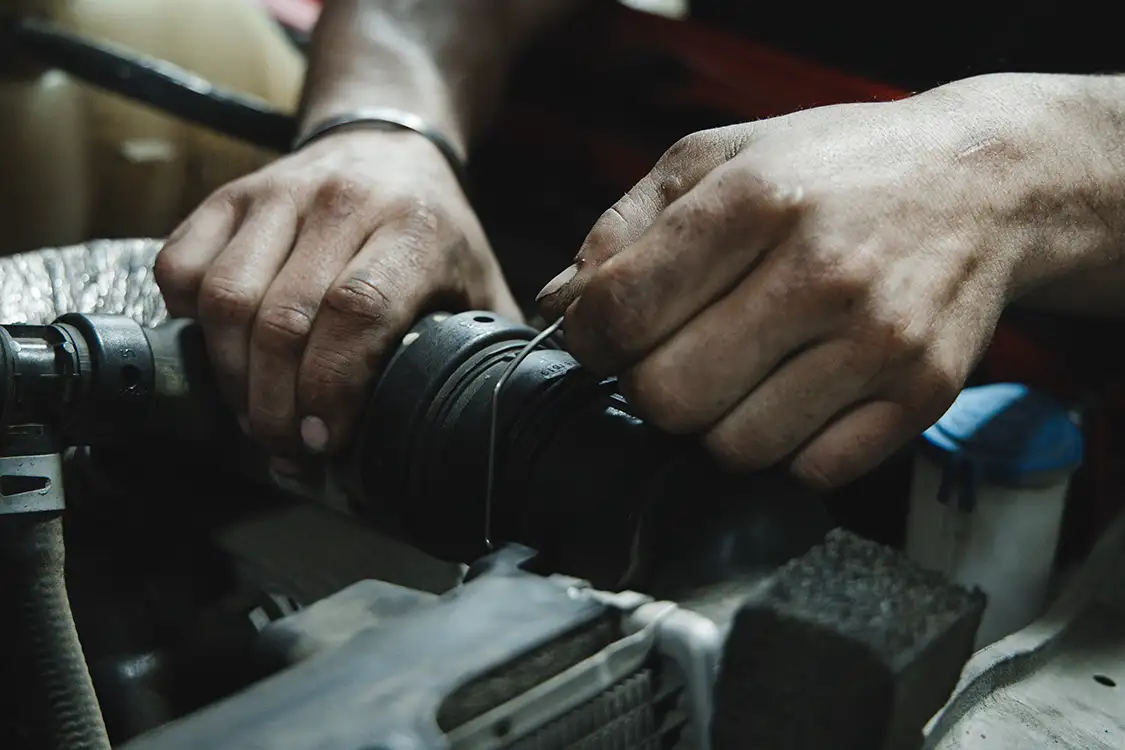
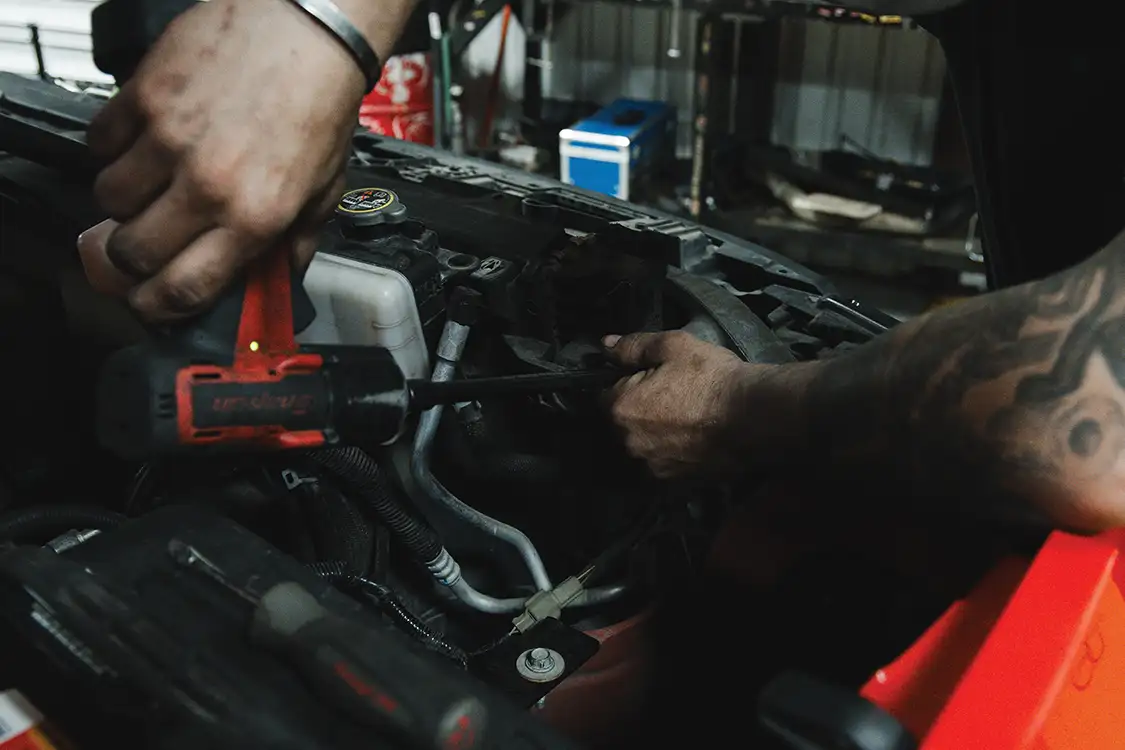
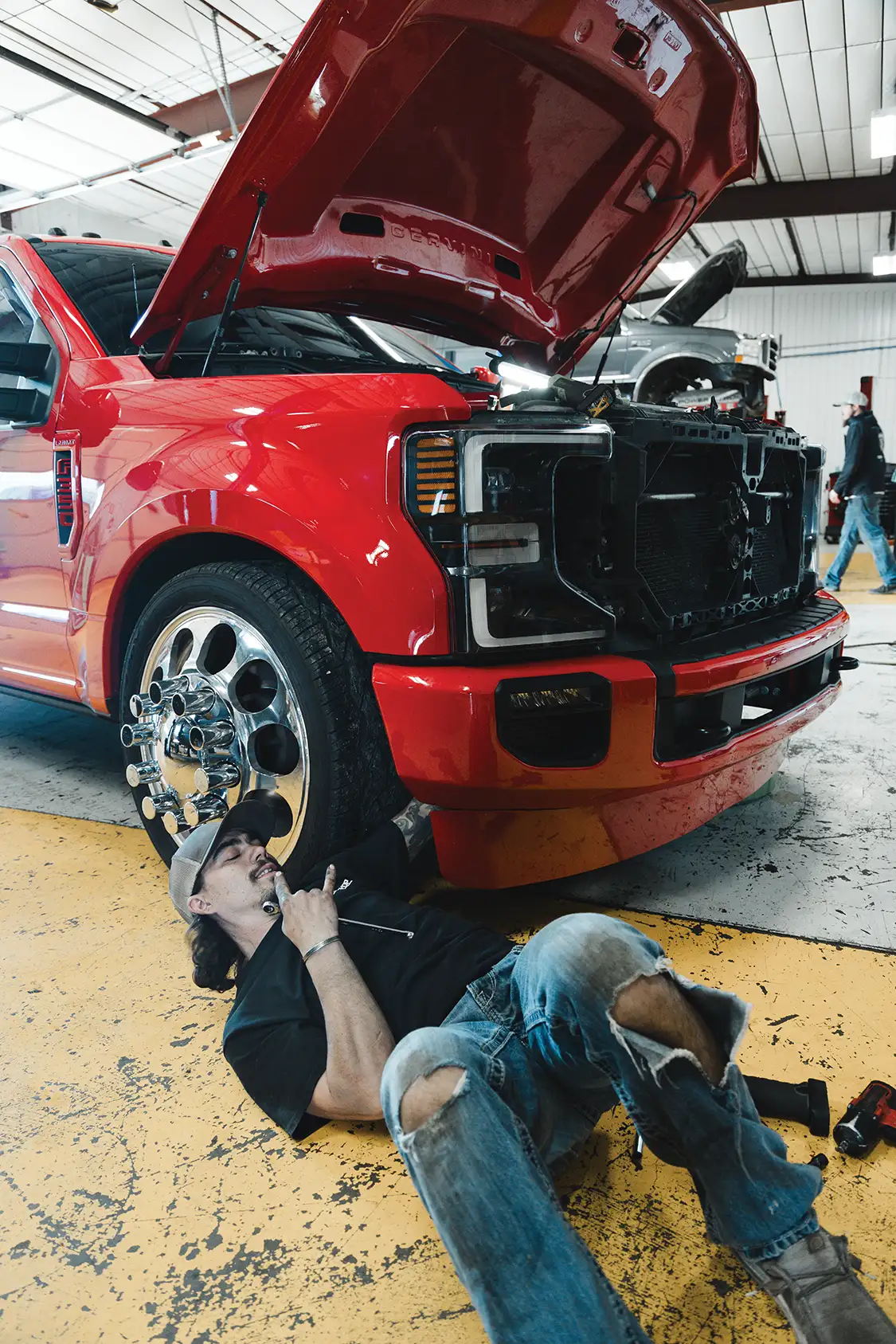
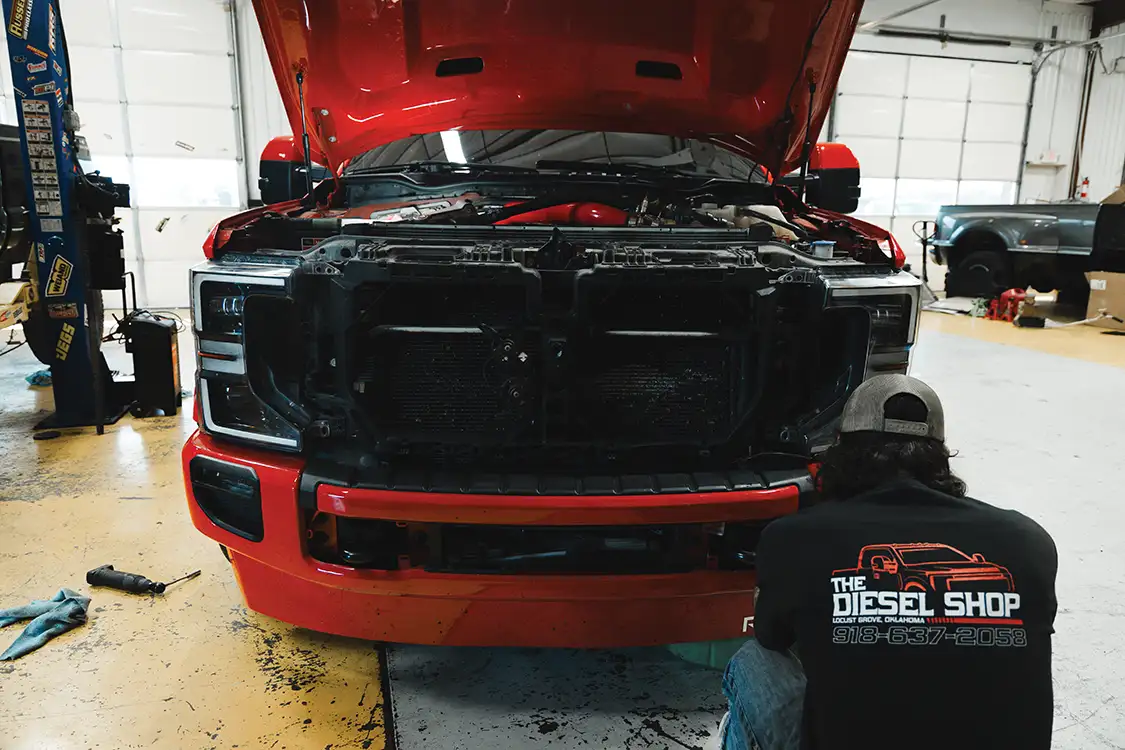
Step 6: Remove the Radiator
With everything loose:
Lift the radiator straight up and out of the lower mounts
Be mindful of remaining fluid and any wiring still attached
At this point, inspect the rubber isolators and mounts. Replace if worn.
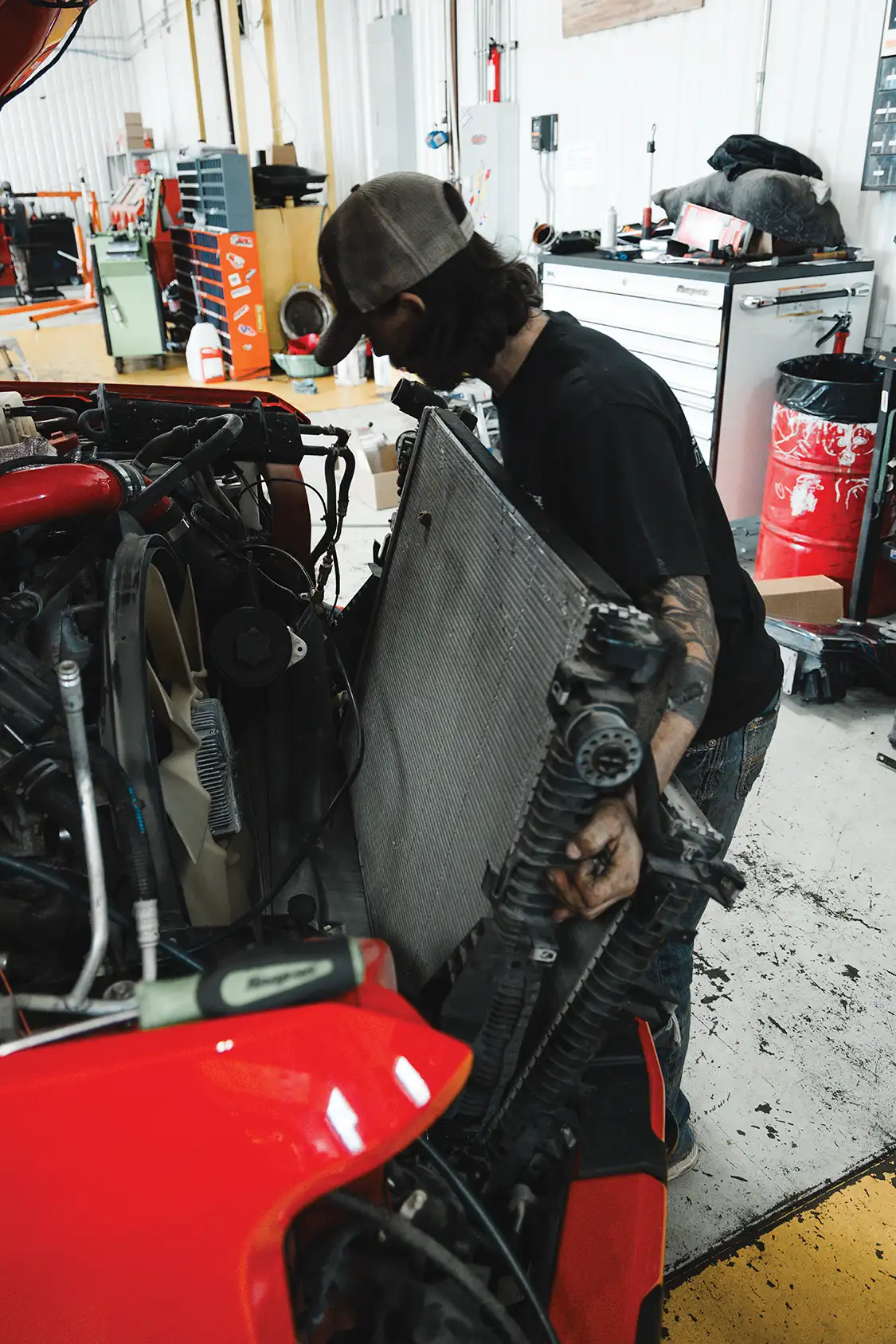
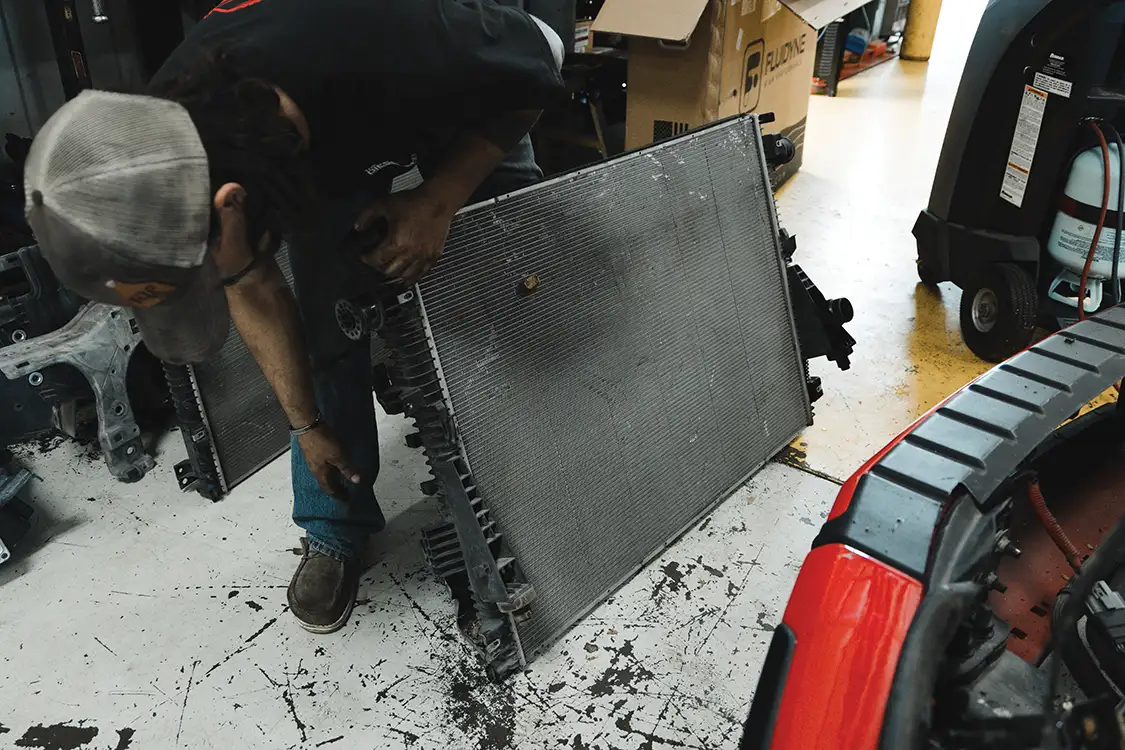
Step 7: Install the New Radiator
Installation is the reverse of removal, but take your time.
Lower the new radiator into place, ensuring it seats properly in the lower mounts
Reattach the condenser and any brackets
Reconnect transmission cooler lines
Reinstall fan, shroud, hoses, and intake components
Torque fasteners to factory spec where applicable.
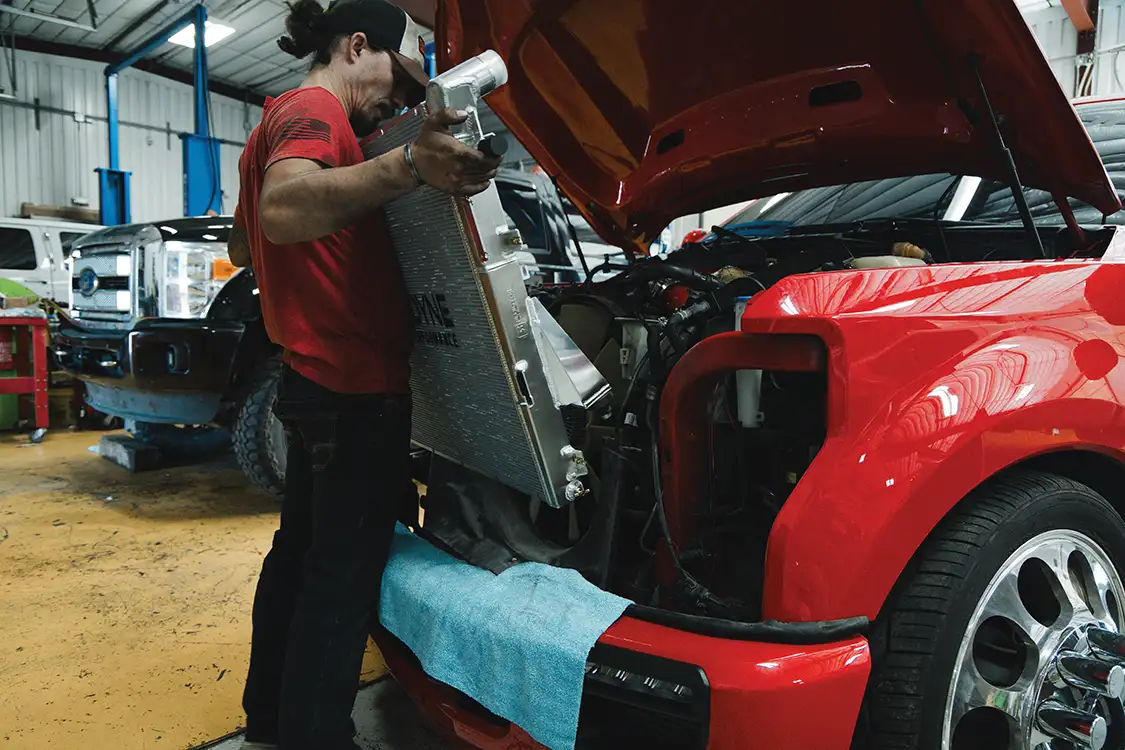
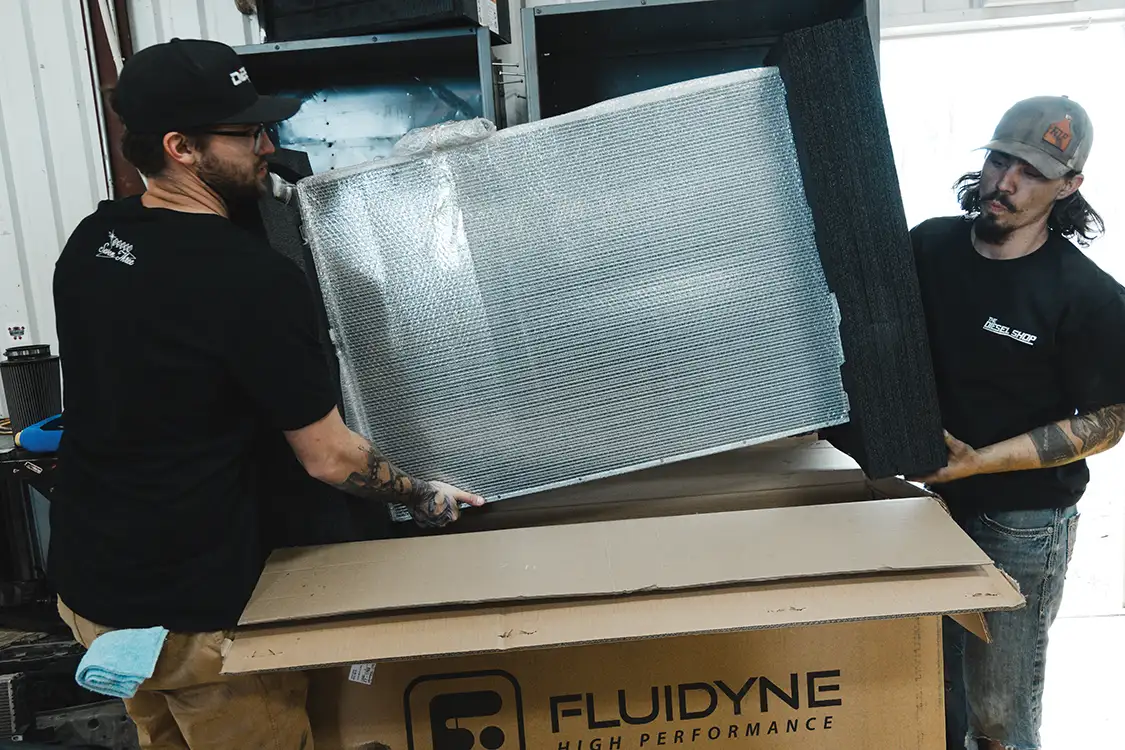
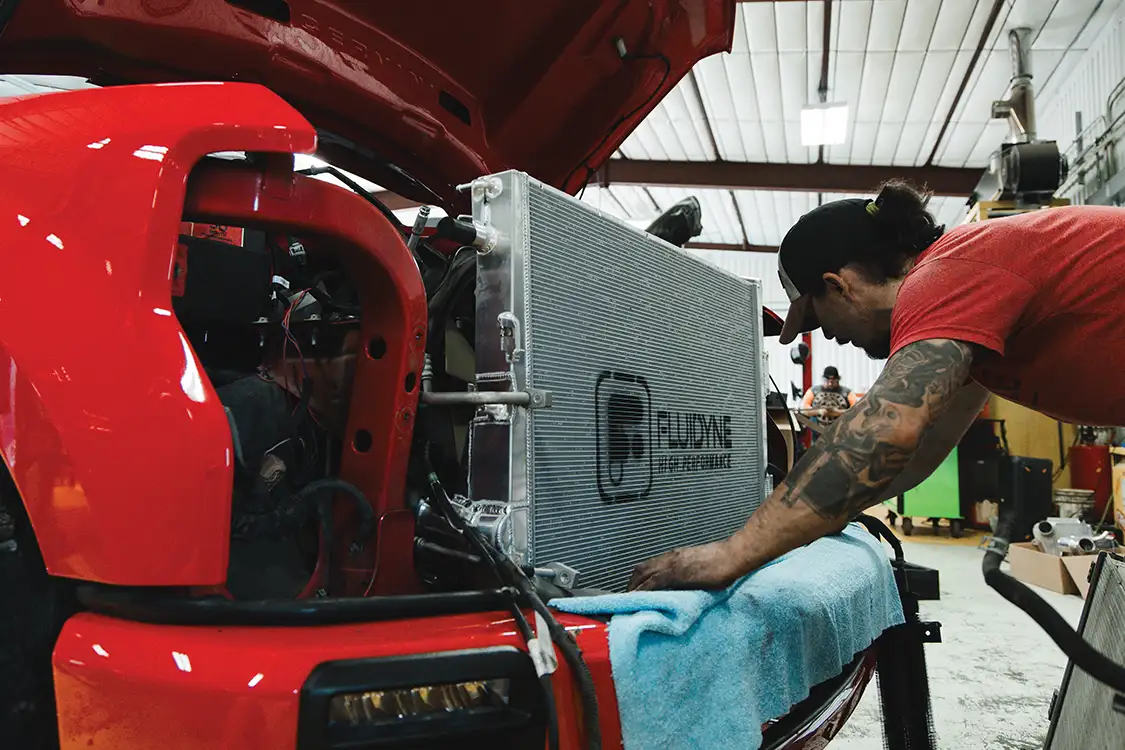
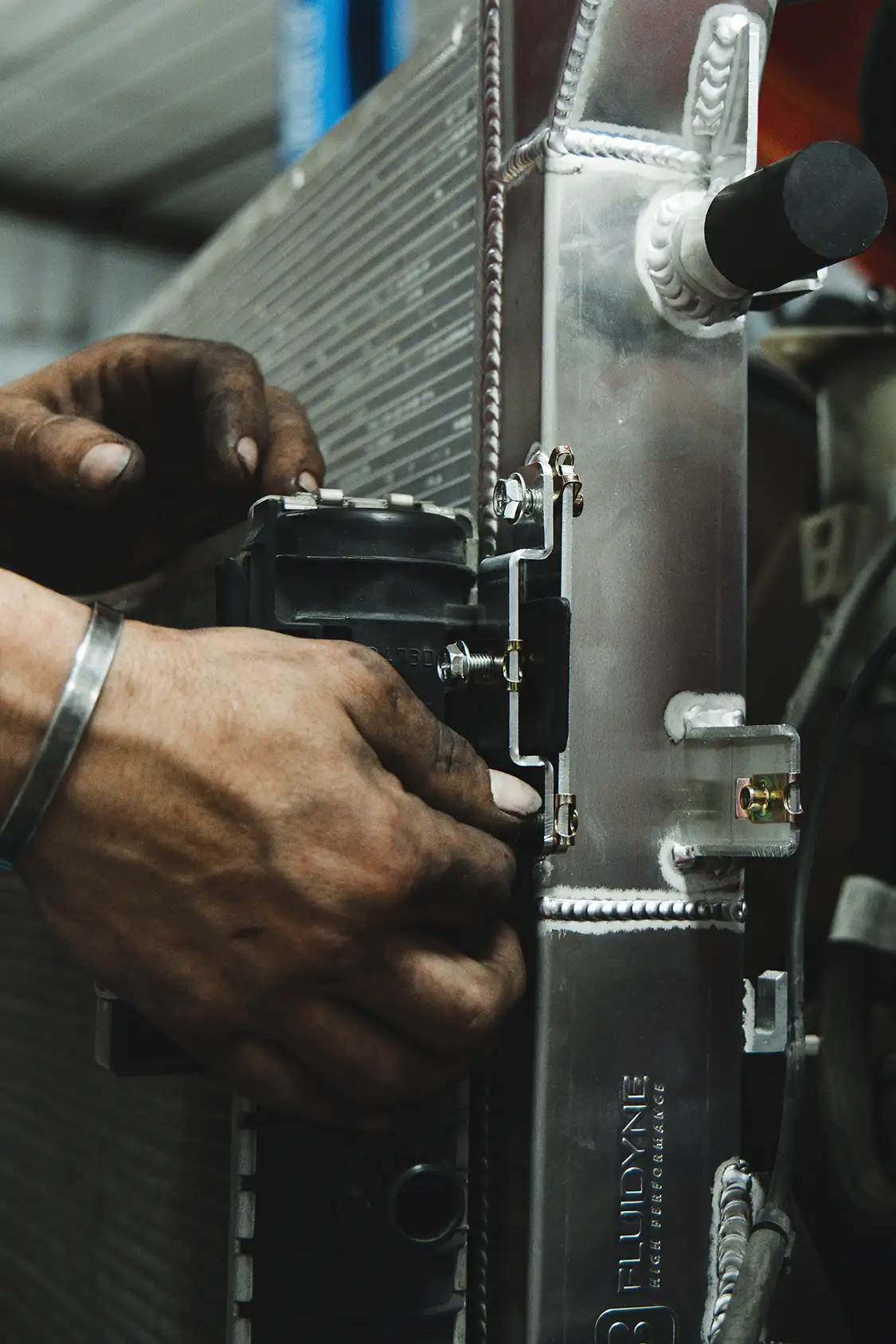
Step 8: Refill and Bleed the Cooling System
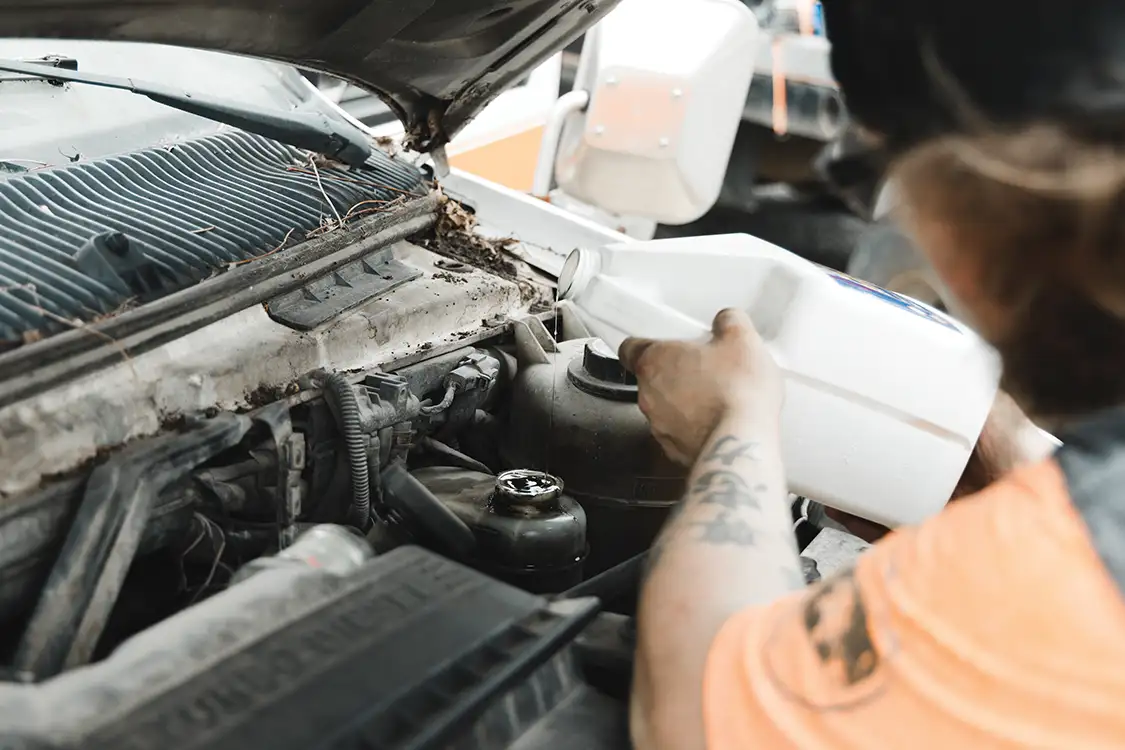
Refill with the correct coolant. A vacuum fill tool is highly recommended to prevent air pockets in the 6.7L cooling system.
Let the truck idle and come up to temp with the cap off, topping off as needed.
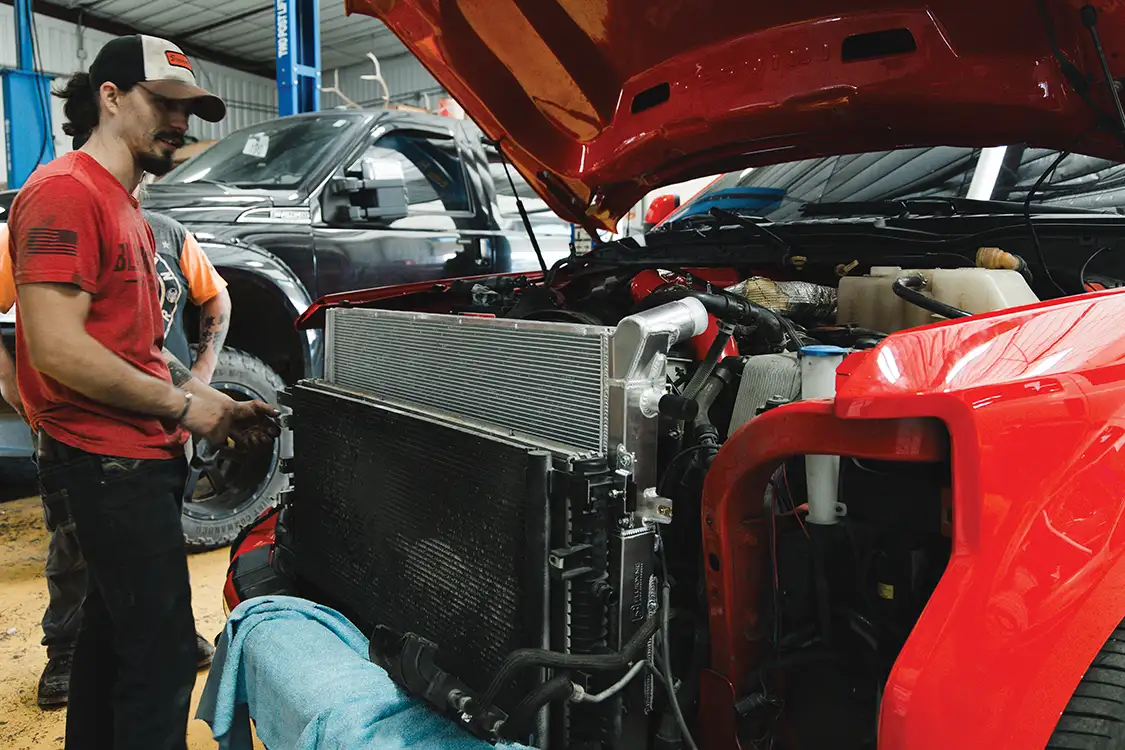
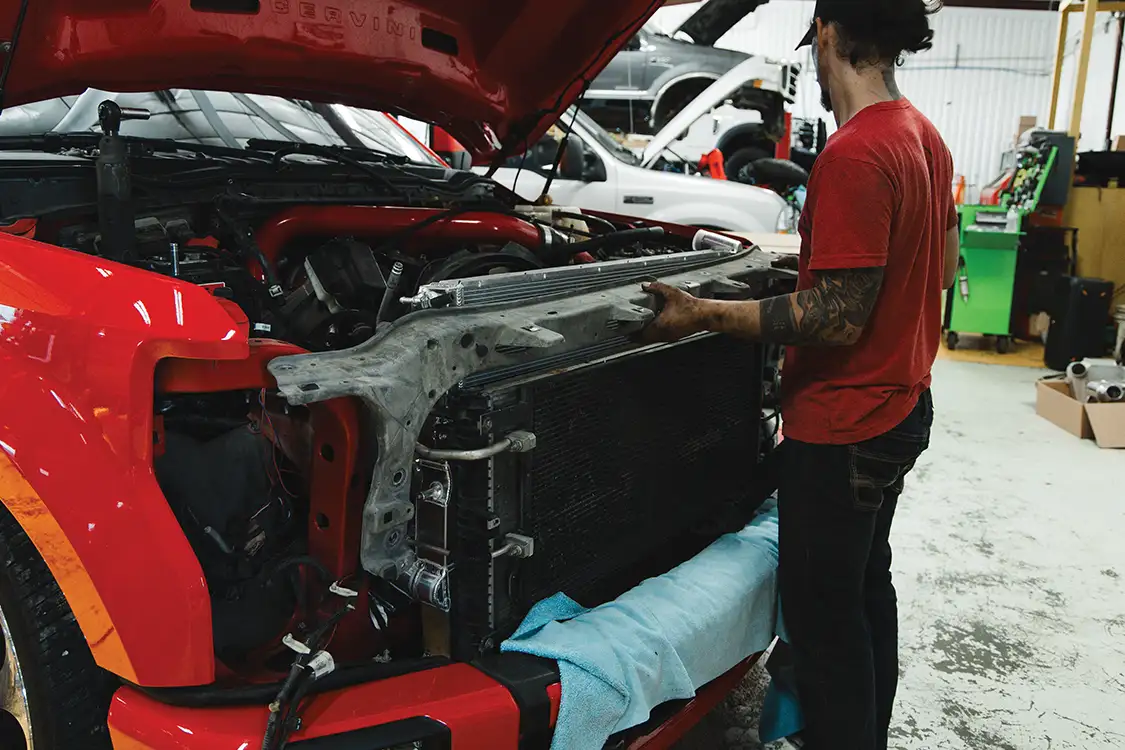
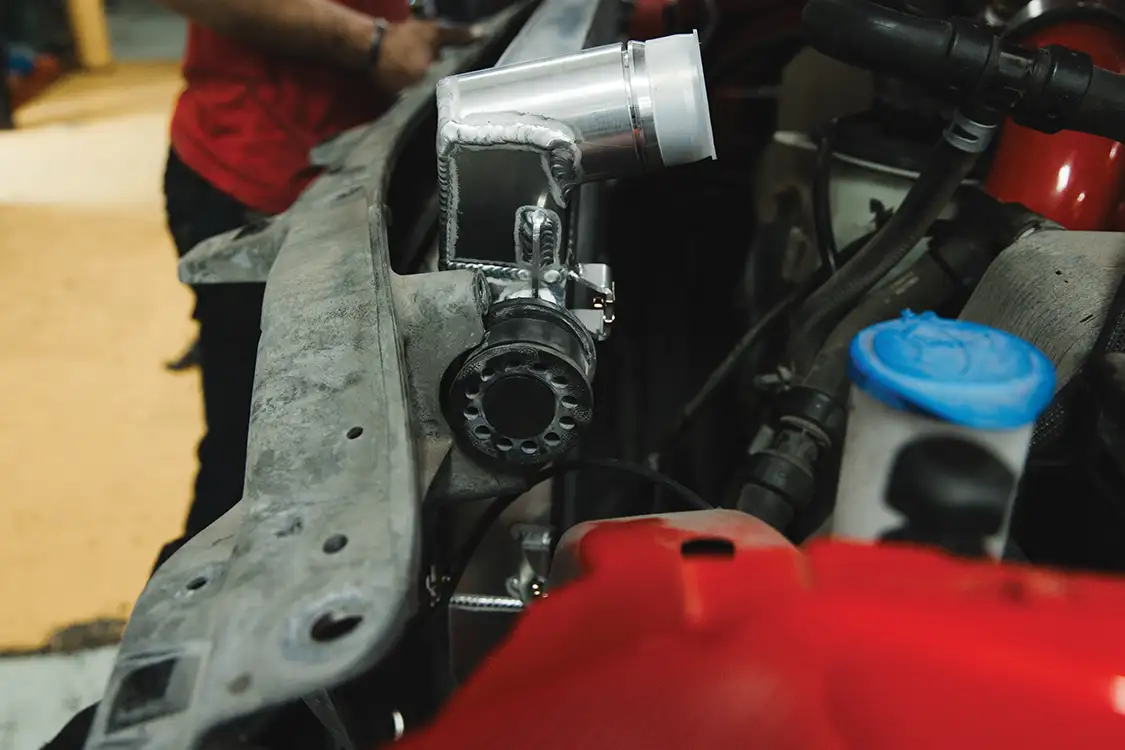
Step 9: Recharge the A/C System
Once everything is buttoned up, the A/C system needs to be vacuumed down and recharged to factory spec. Again, this process requires proper equipment, so plan accordingly.

Feature Stories
30 Years in the Scene As custom truck enthusiasts, we have all either been in a car club at some point or know people who… Continue reading
Chris Hamilton . July 06, 2023
Buyer’s Guides
Adding Wilwood Disc Brakes to an F-250 When it comes to driving a big truck or pulling a trailer down the road, ensuring that you… Continue reading
Chris Hamilton . January 12, 2024

Diesel World
The History of This Still-Thriving Sport In the world of motorsports, speed and precision typically run the game. The fine balance between a driver’s ability… Continue reading
DUSTIN KORTH . July 25, 2024

OBS Builders Guide
If your truck is anything like ours, the dash is either faded, cracked, or has holes in it the size of softballs. Unfortunately, one of… Continue reading
OBS HEADQUARTERS . September 28, 2022
Electric Vehicle Features
Setting the Standards for Electric Vehicle Technicians The Electric Vehicle Standards Council (EVSC) is excited to announce several updates to its efforts in shaping the… Continue reading
TIM CACHELIN . January 22, 2025

Buyer’s Guides
A Showcase of American Muscle and Craftsmanship Every year, automotive enthusiasts from across the nation converge upon the Lone Star State for an event that… Continue reading
Corey Decker . June 24, 2024

The Sparks Show
Sevierville, TN
Dino's Git-Down
State Farm Stadium, Glendale, AZ
Dino's Git-Down
State Farm Stadium
Goodguys 36th Autumn Get-Together
Alameda County Fairgrounds 4501 Pleasanton Avenue, Pleasanton, CA 94566
Goodguys 29th Speedway Motors Southwest Nationals
WestWorld of Scottsdale 16601 North Pima Road, Scottsdale, AZ 85260
We use cookies to enhance your browsing experience, serve personalized ads or content, and analyze our traffic. By clicking "Accept All", you consent to our use of cookies. Visit our Cookie Policy for more info.


 Please wait...
Share Link