










 BILL HOLLAND
.
June 23, 2026
.
Drag Racer
BILL HOLLAND
.
June 23, 2026
.
Drag Racer
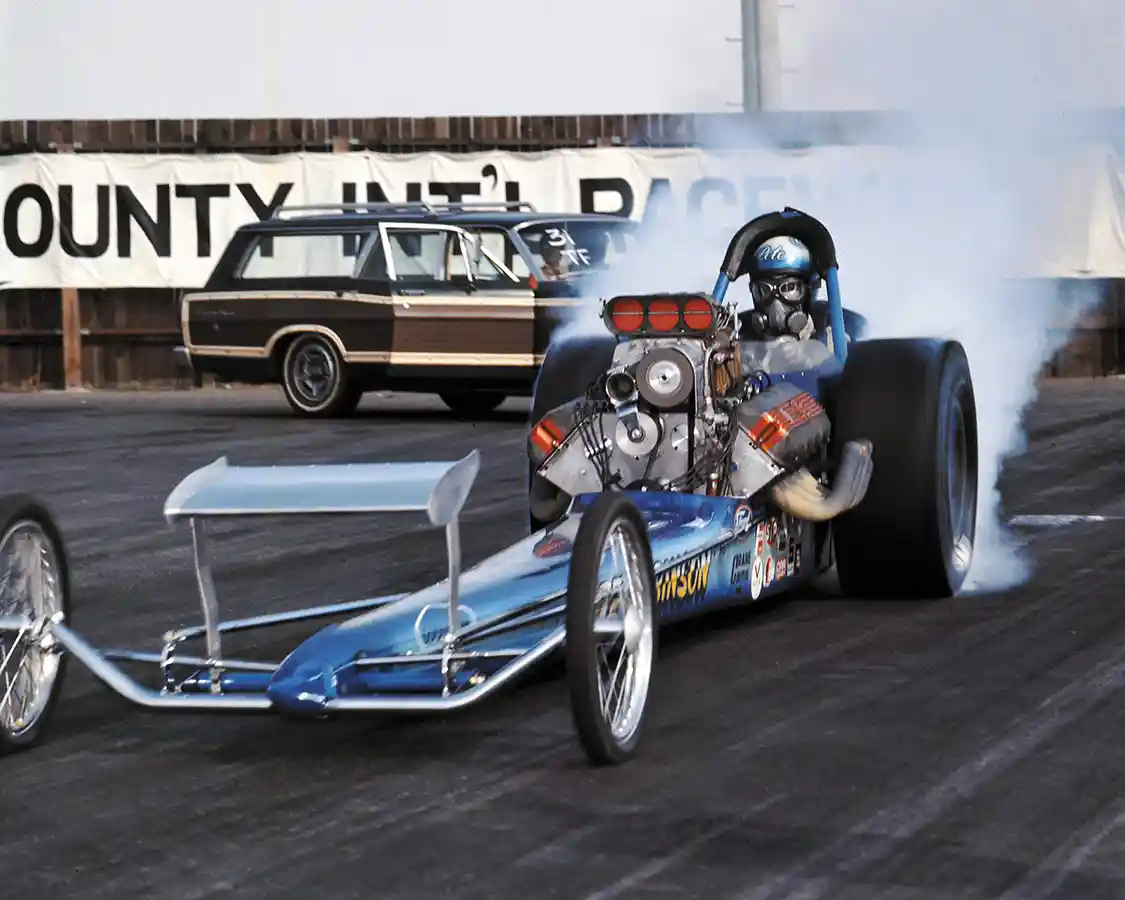
Ford engines had a strong presence in the early days of drag racing. The venerable flathead V-8 accounted for many victories, including Calvin Rice’s Top Eliminator win at the inaugural NHRA Nationals in 1955. Fast-forward to 1959, and it was Rodney Singer winning top honors in his big-inch MEL-(Mercury-Edsel-Lincoln) powered dragster. But as the sport entered the ’60s, the proverbial handwriting was on the wall—Chrysler’s Hemi engine was taking over.
By the mid-’60s Chrysler’s domination, buoyed by the introduction of the 426-ci elephant motor in 1964, was in full swing. In addition to drag racing success, Richard Petty was nearly unbeatable on NASCAR’s super speedways.
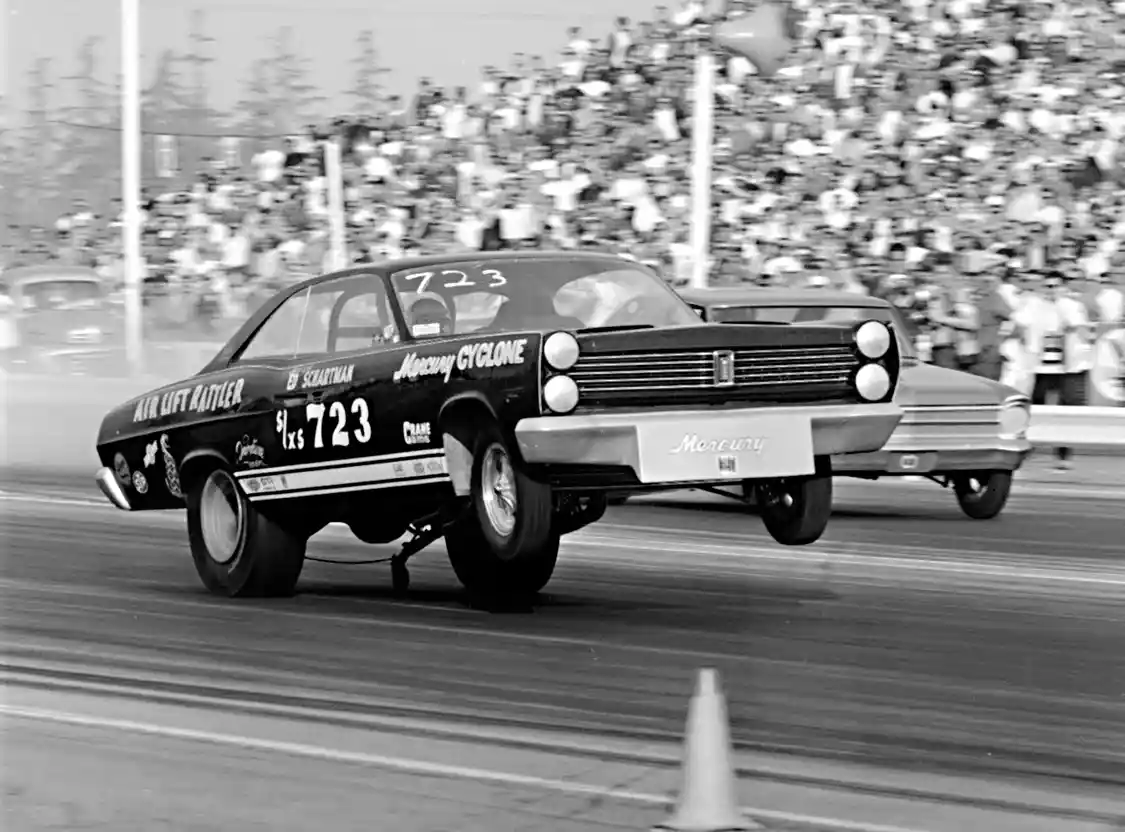
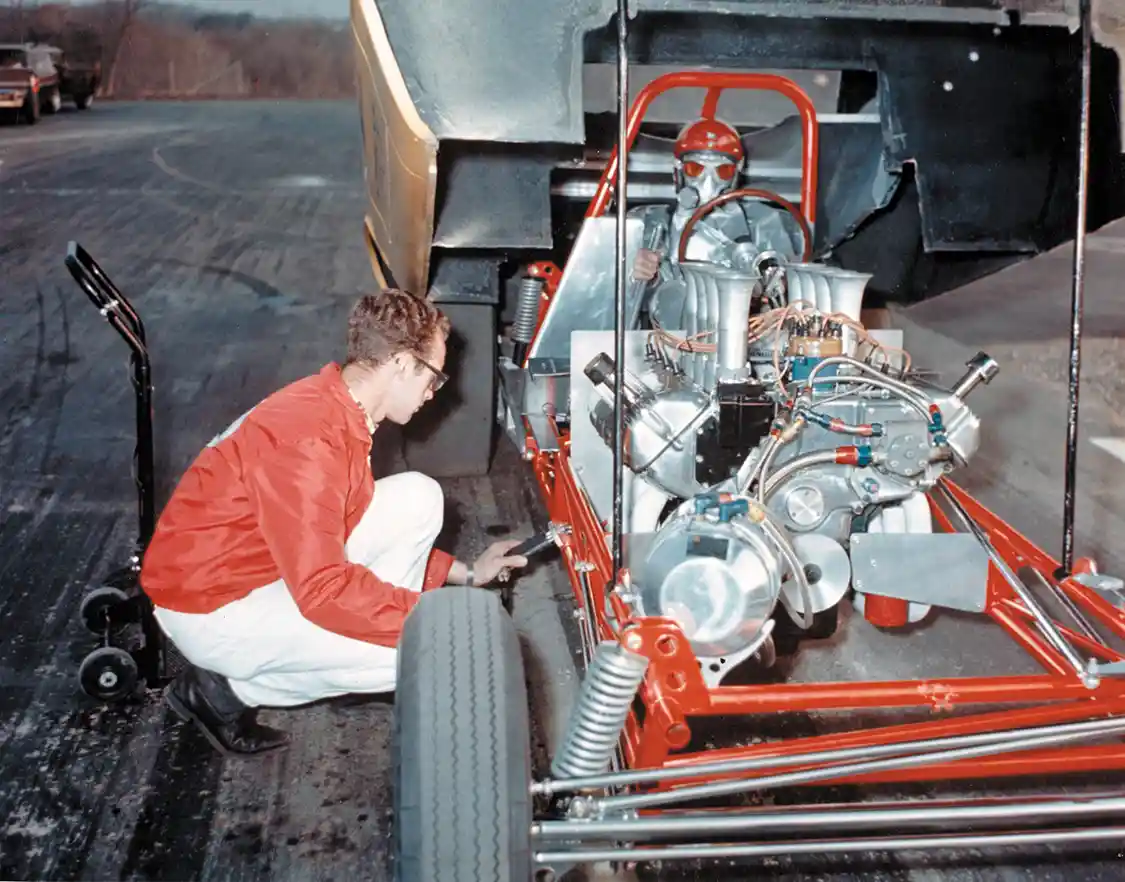
This did not sit well with the Blue Oval troops in Dearborn, Michigan. They yearned to see Fords back in the winner’s circle; so they formulated a plan to trump Chrysler with its own hemispherical combustion chambered engine and introduced the now-famous 427 SOHC Cammer in 1964.
Based on Ford’s proven FE (Ford-Edsel) block that debuted as a 332-ci engine in 1958 and grew to 352, 390 and 427-ci variants, the Cammer used the high-performance 427 side-oiler block.
Essentially a Y-block design (the pan rails were about an inch below the crank centerline), the FE bottom end was quite sturdy. Add to this the side-oiler priority main lubrication design (the top-oiler engines would lubricate the valvetrain first, whereas the side-oiler initially feeds the main bearings) and the block’s use as the foundation for a true high-performance engine was warranted.
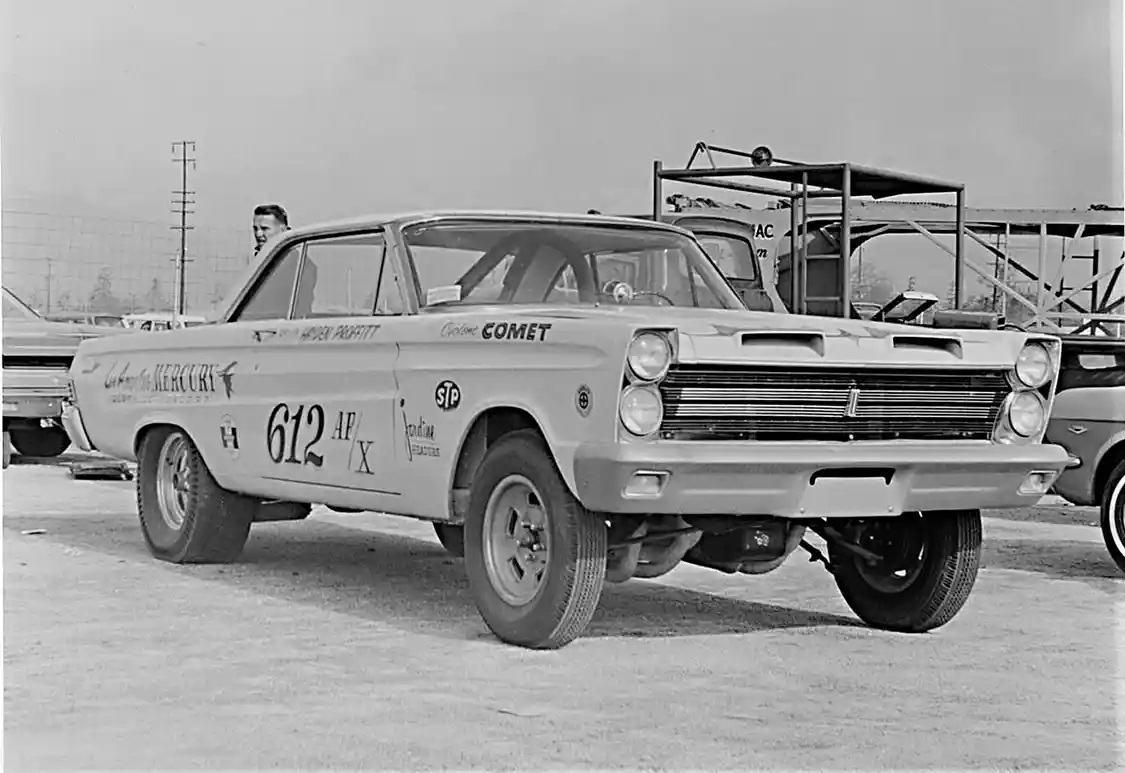
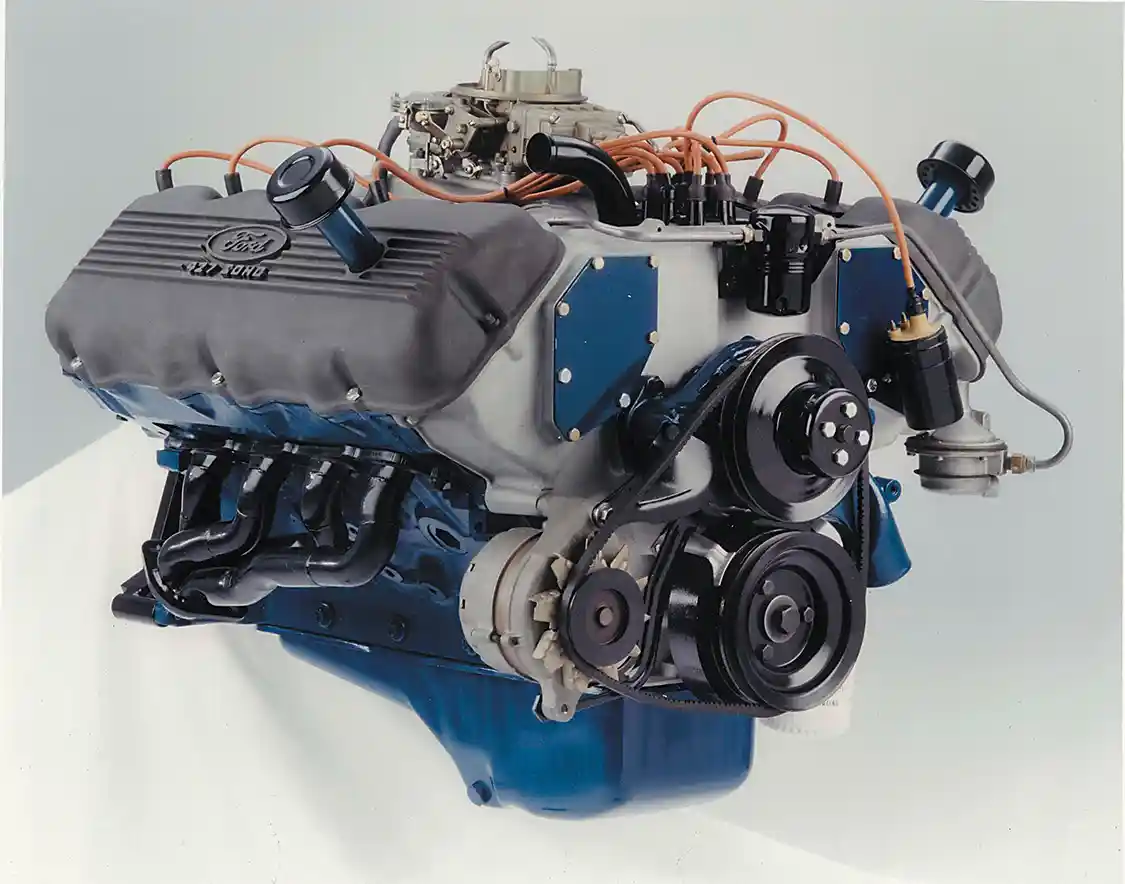
The engine features a 4.230-inch bore and 3.784-inch stroke to achieve its 427-inch displacement. Bore spacing is 4.630 inches (compared to 4.562 inches for the 392 and 4.800 inches for the 426) and has a deck height of 10.170 inches, considerably less than the early and late Hemis.
The FE’s wedge heads were replaced by an innovative design that featured hemispherical combustion chambers, generous intake and D-shaped exhaust ports, and much larger valves, actuated by shaft-mounted rocker arms controlled by an overhead camshaft. The heads were likened to Ford’s 255-cid Indy engine on steroids, albeit with two less camshafts.
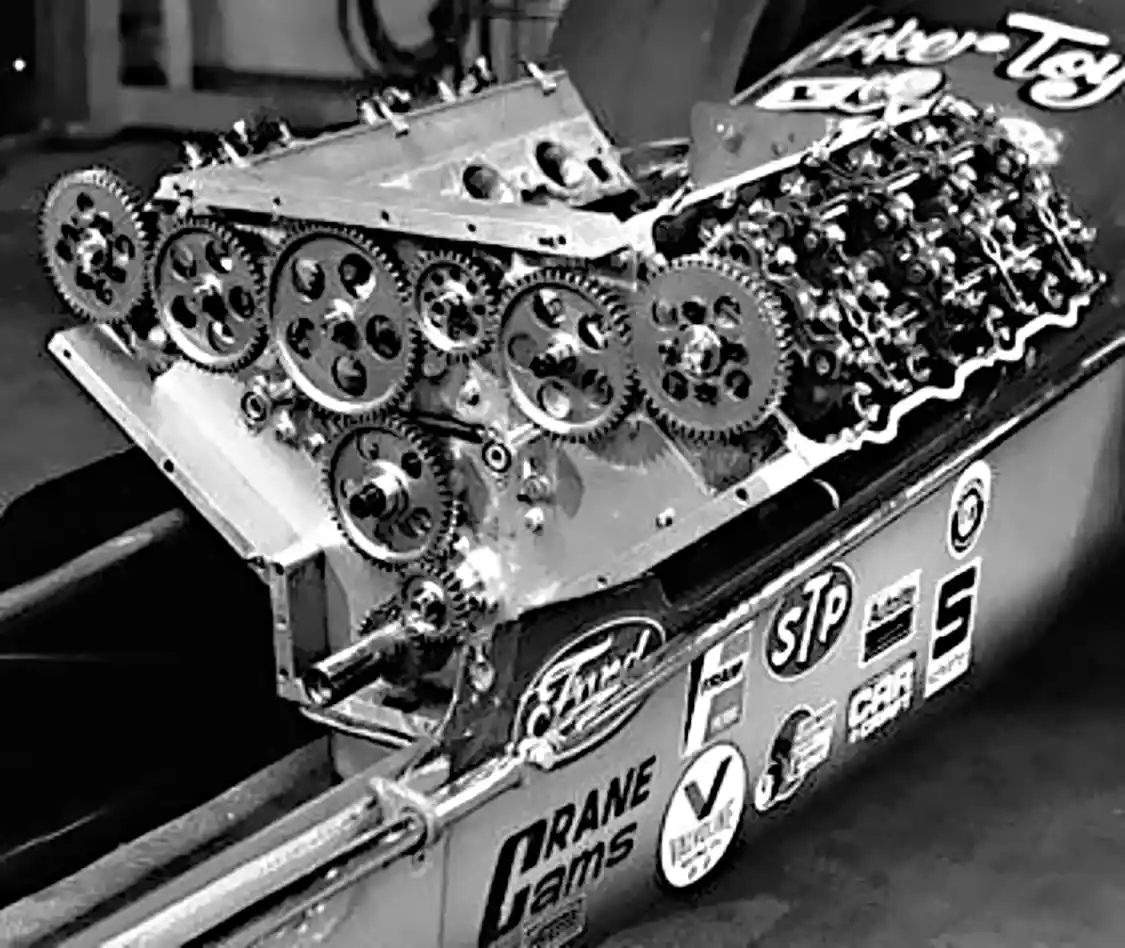
A crank-driven idler shaft was employed where the FE’s camshaft lived and drove the oil pump and distributor. Attached to it was a humongous 6-foot-long timing chain, which, along with various idler gears, connected the cams. The lengthy chain was subject to stretching, and cam timing synchronization issues were a major concern.
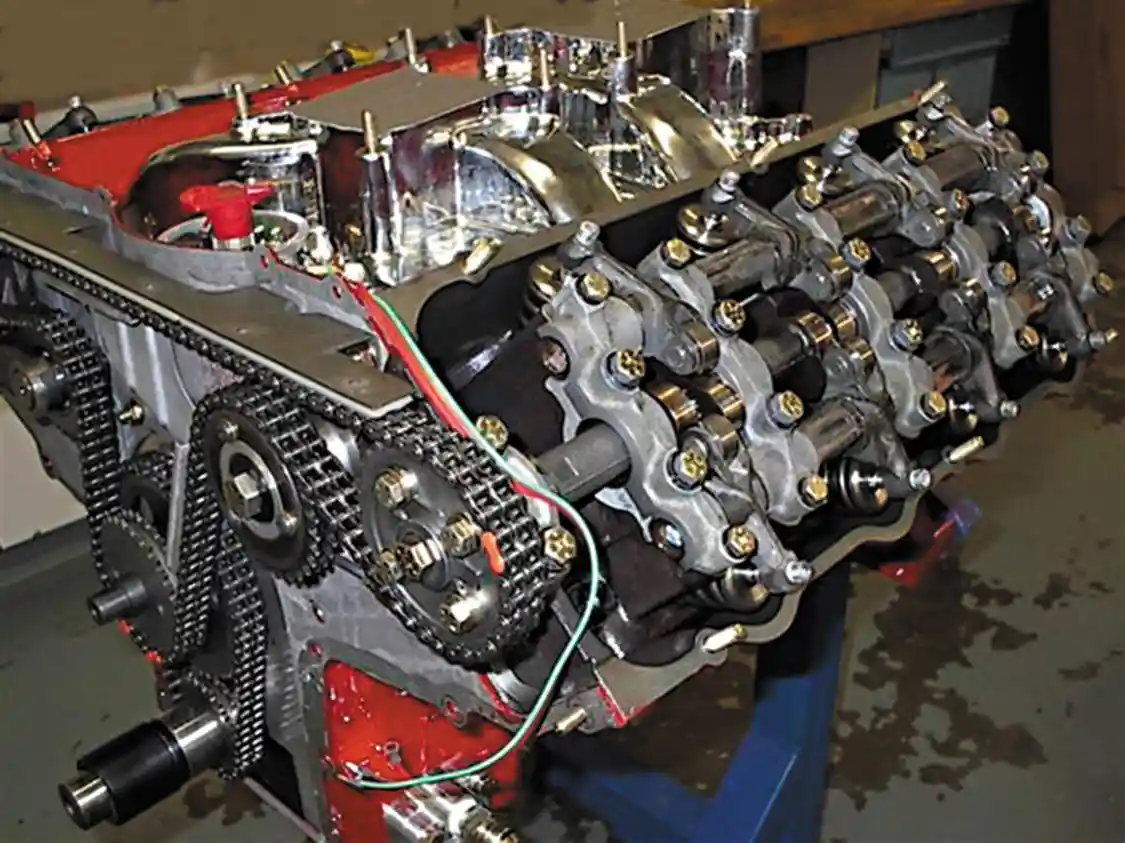
Ford produced the required number of Cammer-powered Galaxies to gain homologation status. The engine, with a single four-barrel carburetor, was rated at 615 hp, and a dual-quad version cranked out 657 ponies at 7,500 rpm.
Unfortunately for Ford, NASCAR banned the Cammer engine for 1965. The ban was said to be in response to Chrysler’s threat to pull out of cup racing if it was allowed. But NASCAR’s actions proved to be a windfall for drag racing, because Ford focused its efforts on the 1320.
First to benefit from Cammer power were a squadron of A/FX ’65 Mustangs assembled by the legendary NASCAR powerhouse Holman & Moody. The SOHC-powered ’Stangs made their presence known immediately, with Les Ritchey winning the AHRA Winternationals, and Bill Lawton, driving Tasca Ford’s entry, copping A/FX honors at Pomona.
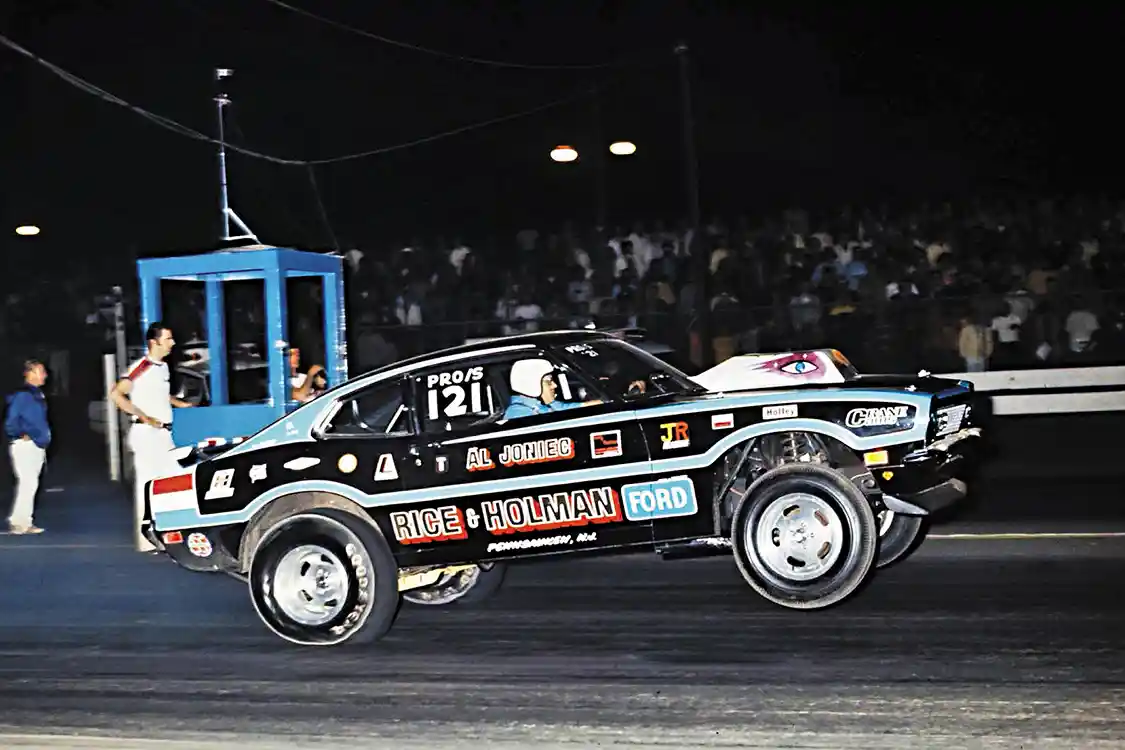
Another of the better-known SOHC-powered Mustangs from the initial batch of 10 was the Russ Davis Ford entry driven by dapper dance instructor turned race car driver Gaspar “Gas” Ronda. Others in that initial group included Dick Brannan, Phil Bonner, Al Joniec, Len Richter and Clester Andrews.
In 1966 the long-nose Mustangs appeared. They had an extended wheelbase, injector stacks through the hood and spartan features. Ronda’s car was running 8.7s at more than 170 mph.
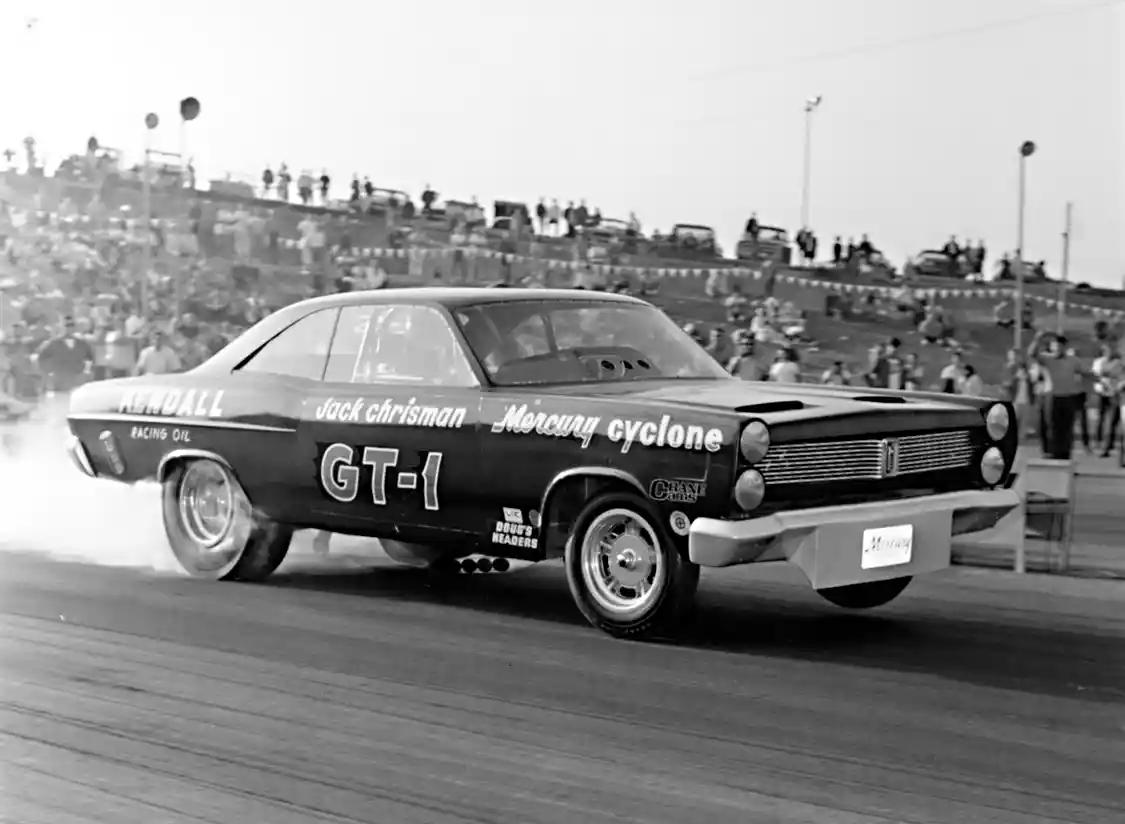
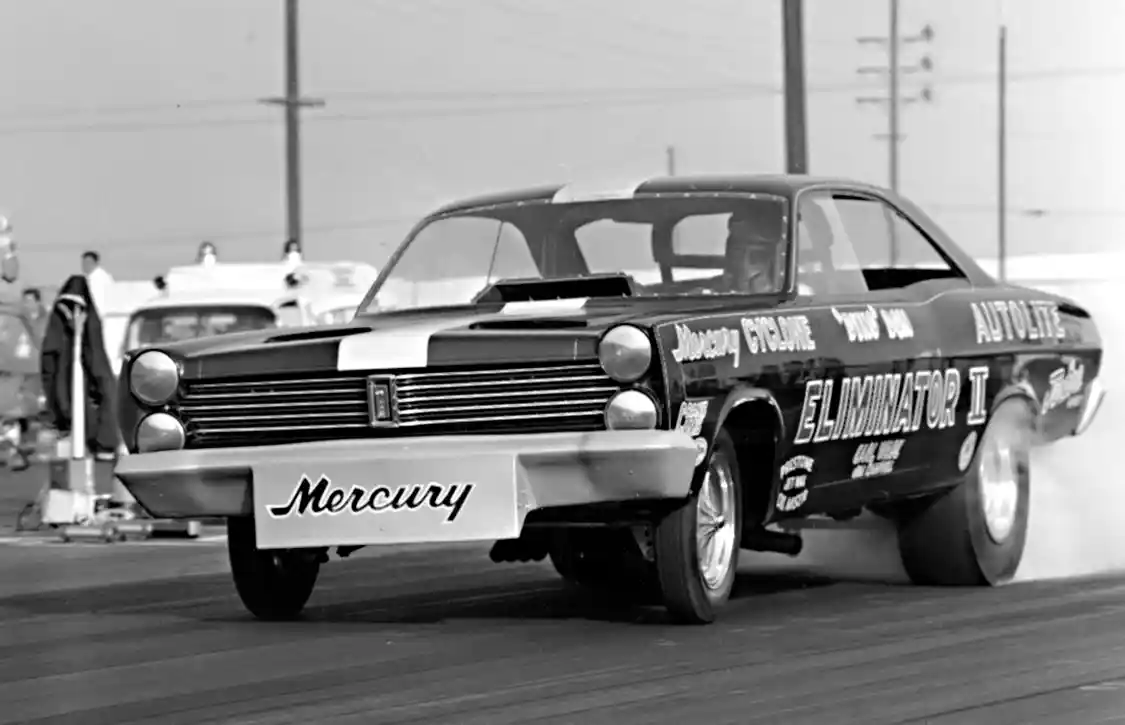
Meanwhile, the folks at Ford’s Mercury Division wanted to have some fun, and by most accounts were responsible for setting the groundwork for the Funny Car class. While drag racing legend Jack Chrisman made lots of noise and smoke with his supercharged, nitro-guzzling ’65 Sachs & Sons Comet, it was the next generation of Comets campaigned by Chrisman, “Dyno Don” Nicholson, “Fast Eddie” Schartman, and Colorado stalwarts Kenz and Leslie that set the stage for today’s tube-chassied, flip-top-bodied floppers.
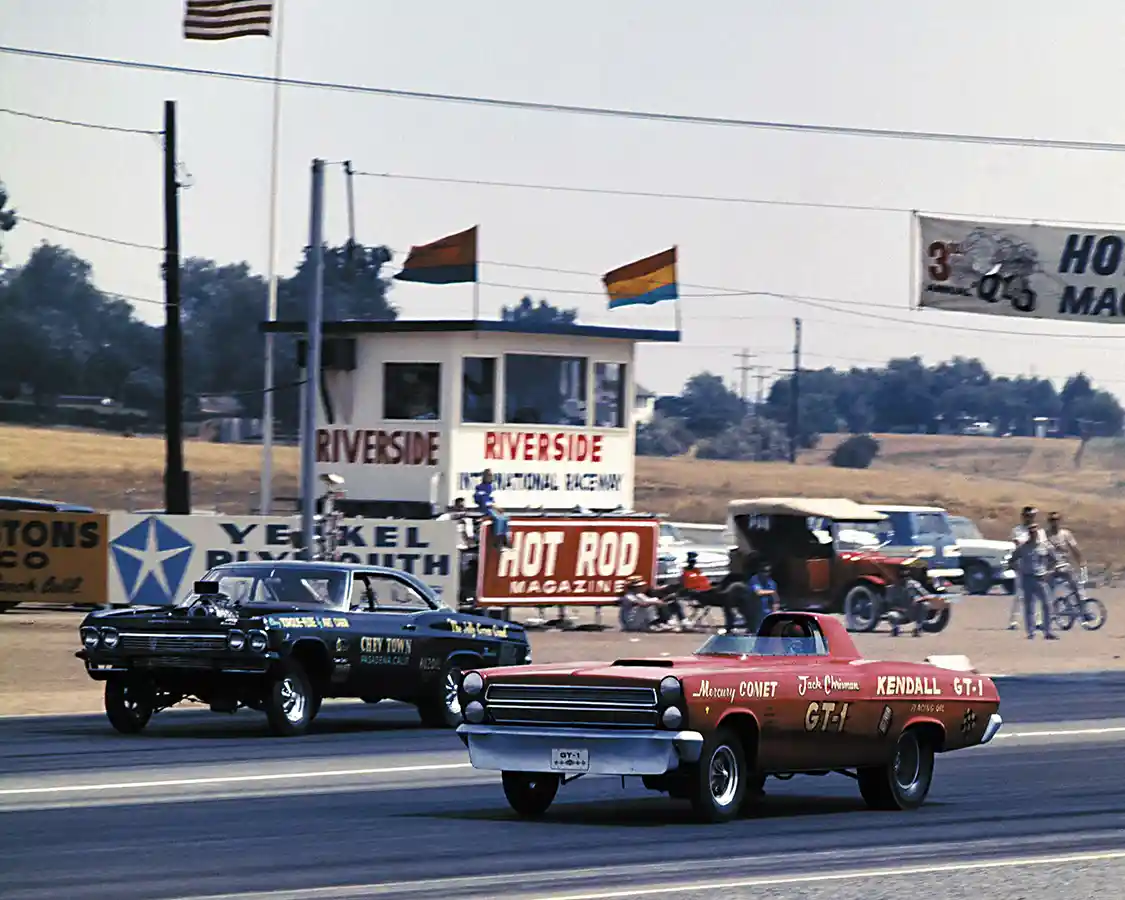
Nicholson’s Eliminator I Comet was based on a tube chassis built by the Logghe Bros. in their Michigan Logghe Stamping facility. Noted fabricator Al Bergler, himself a Funny Car driver of note in the ’70s, handled the tin work. Nicholson is credited with the first 7-second time slip recorded by a Funny Car in 1966.
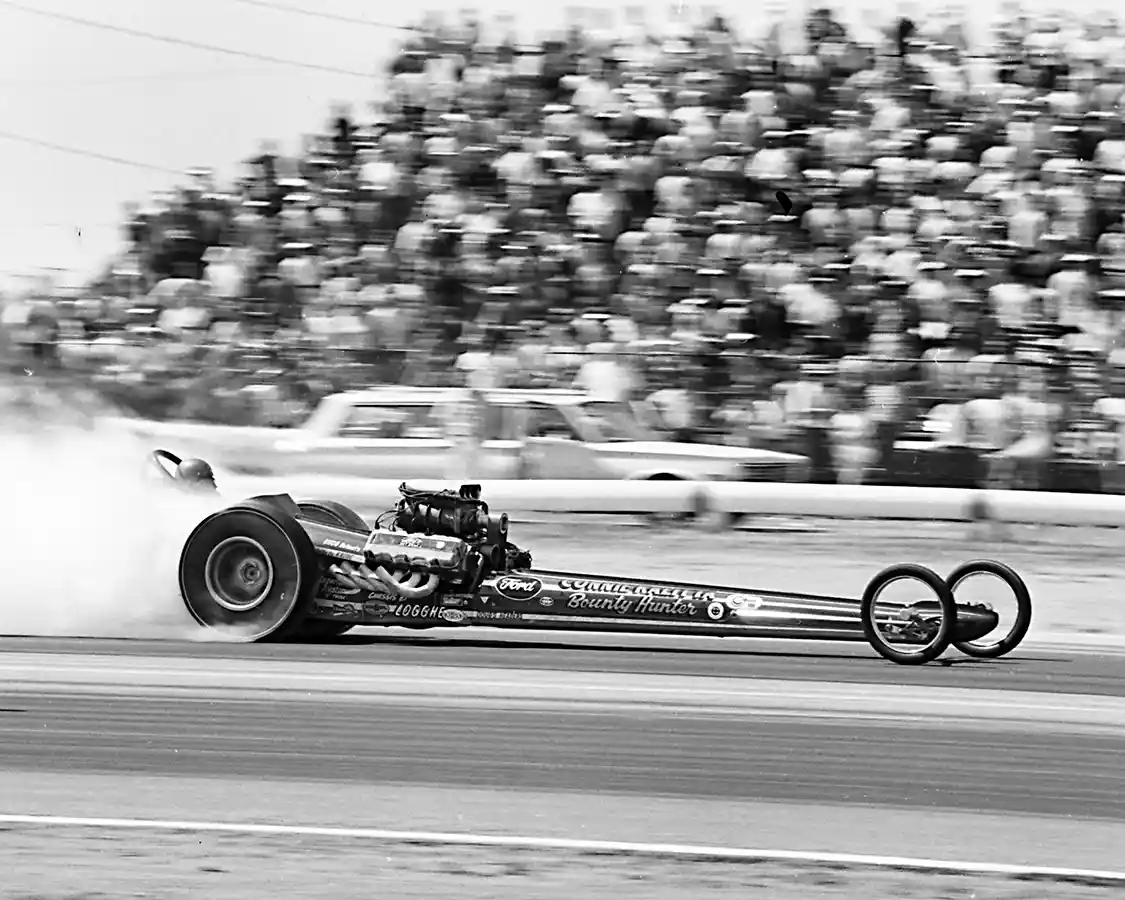
Top Fuel racer Connie Kalitta also took great interest in the SOHC engine, and opted to replace the 392 Chrysler in the Logghe frame rails of his Bounty Hunter with a Cammer. In 1967, he pulled off a trifecta, a feat that has not been duplicated since, winning the AHRA Winternationals, NHRA Winternationals and NASCAR Winternationals. Kalitta’s winning time at Pomona was a stout 7.17, 218.43 mph.
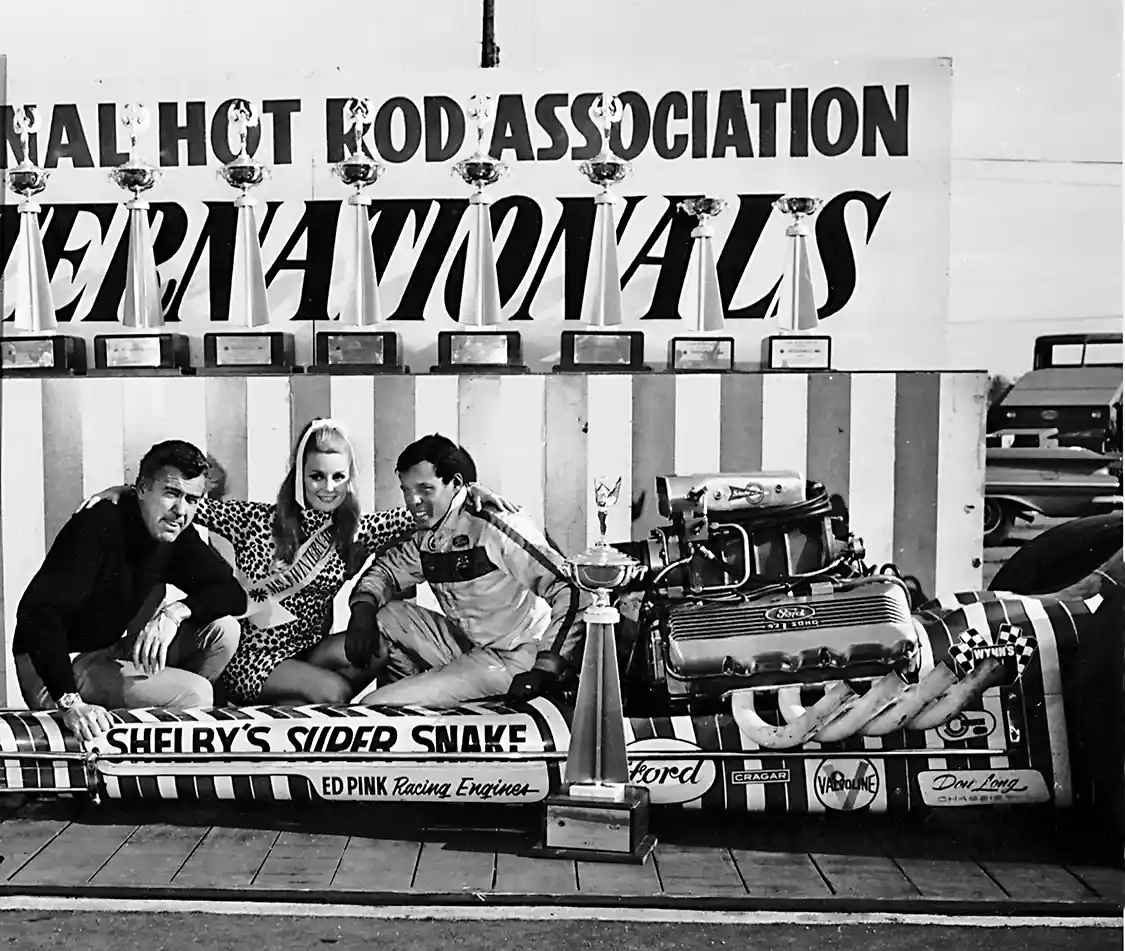
The SOHC engine had a standout year for Top Fuel racing in 1967. Following Kalitta’s winter exploits, Don “The Snake” Prudhomme won the NHRA Springnationals, defeating fellow Cammer racer “Sneaky Pete” Robinson in the final. Prudhomme’s Lou Baney-owned, Ed Pink-engined car is also credited with the first six-second T/F run at an NHRA National event, carding a 6.92 at Bristol. Prudhomme’s Cammer also ran under Shelby’s Super Snake banner.
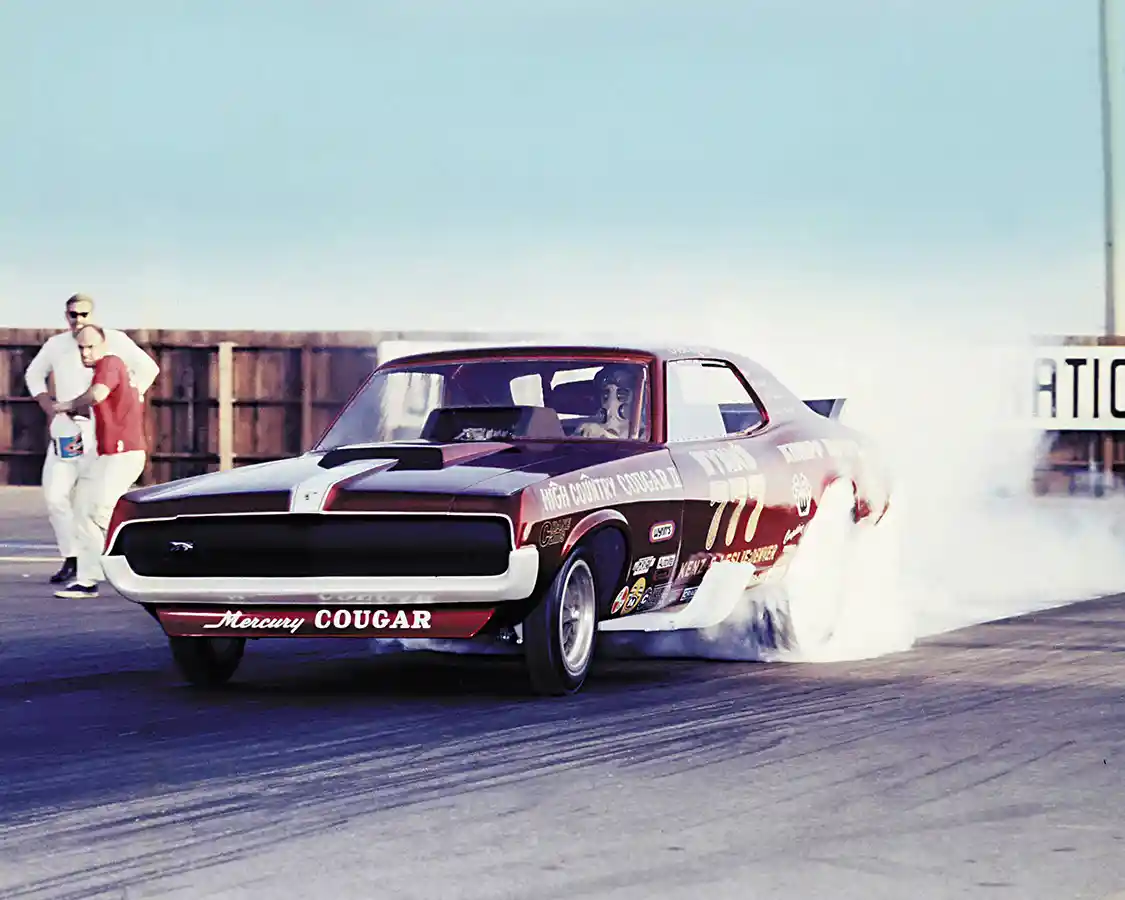
Robinson, the soft-spoken engineer from Georgia who stunned the drag racing world by winning the 1961 NHRA Nationals in Indy with a small-block Chevy-powered dragster, was a formidable competitor with the Cammer. Always the innovator, Robinson developed a gear drive setup that proved to be far more accurate and reliable than the factory chains.
Other Cammer-powered fuelers of the era included the swoopy full-tailed entries of Washington’s Jim Crooke (Assassin) and Minnesotan Tom Hoover, plus Canadian Scott Wilson. Mickey Thompson’s SOHC-powered red and blue Mustangs, driven by Pat Foster and Danny Ongais respectively, dominated 1969. With their unique Lil’ John Buttera-built chassis and Foster’s innovations (like zoomie headers), Ongais won both the NHRA Springnationals and Nationals.
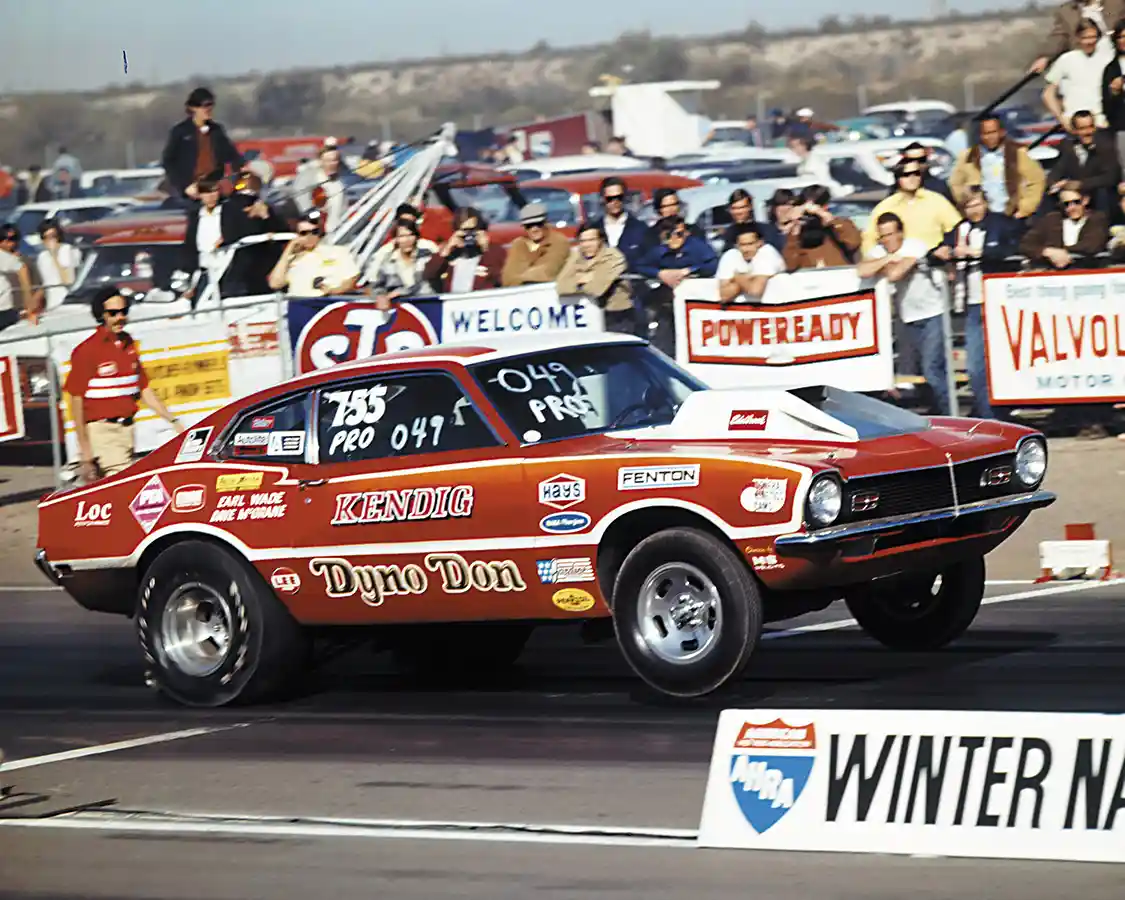
For 1970, however, Ford had pretty much pulled the plug on the Cammer for fuel racing, focusing its energies on the new 429 Shotgun motor. Try as they might, Thompson’s team couldn’t come close to matching the success with the Shotgun that they enjoyed with the SOHC. Funny Car’s loss was Pro Stock’s gain, as the 1970 season saw Dyno Don Nicholson’s SOHC Ford-powered Maverick dominate the match race circuit. The following year Dyno became the first Pro Stock driver to win a Wally with a Ford, capturing the 1971 Summernationals. Bob Glidden and Gapp & Roush also carried the Blue Oval into battle.
Often overshadowed in the history of the Cammer by the more glamorous Professional Class entries are the exploits of former NHRA World Champ Mike Schmitt and his Desert Motors Ford B/FX ’64 Galaxie. Schmitt won Street Eliminator at the NHRA Springnationals in 1966 with the bulky SOHC-powered entry.
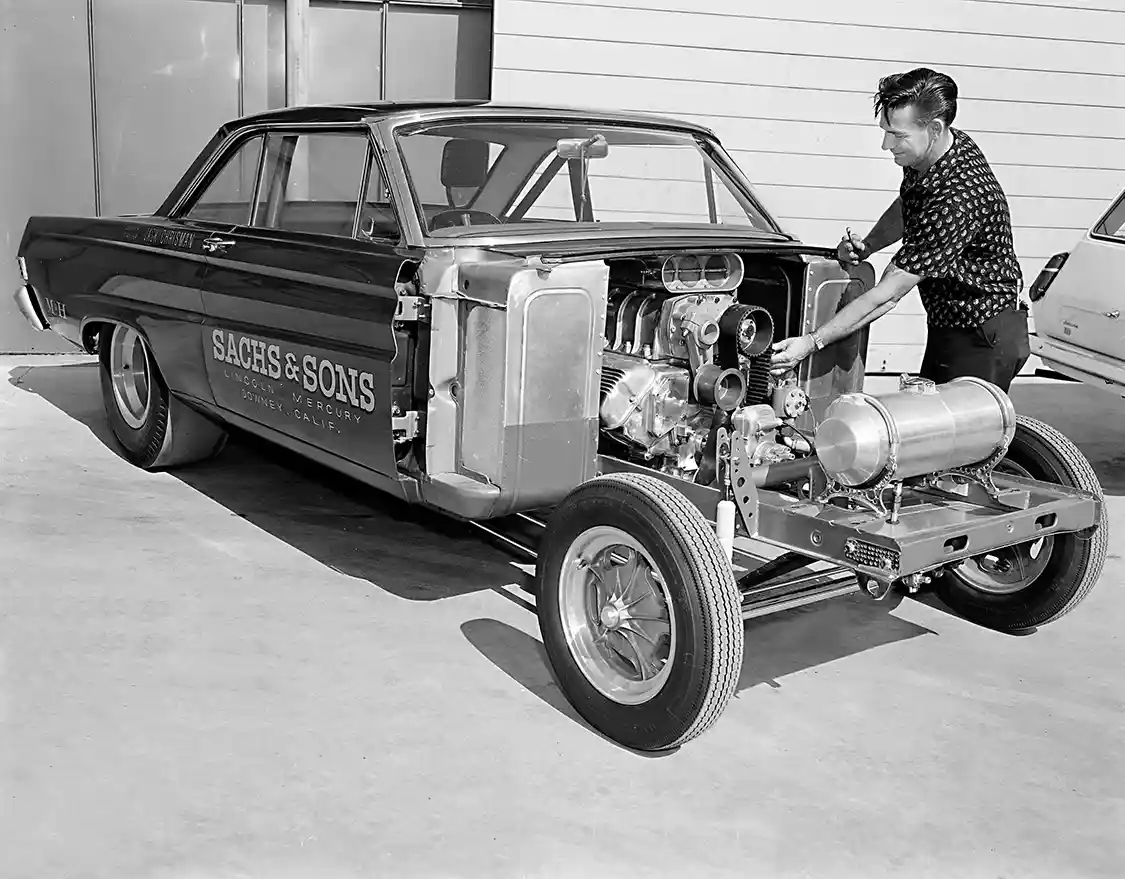
The Cammer’s life span as a force in drag racing lasted about five years, but in that time the SOHC hybrid FE motor won important races in Top Fuel, Funny Car and Pro Stock eliminators. Kalitta, Robinson and Prudhomme all set NHRA National Records with Cammers, too.
Noted FX and Funny Car racer Tommy Grove also put the SOHC into the record books in 1968 with his Mustang, which was one of the first floppers to eclipse the 200-mph mark. Ongais pushed the M/T blue car to a 7.37 NHRA standard the following year.
The first West Coast Cammer (L to R): Lou Baney, Ed Pink and Tom McEwen.
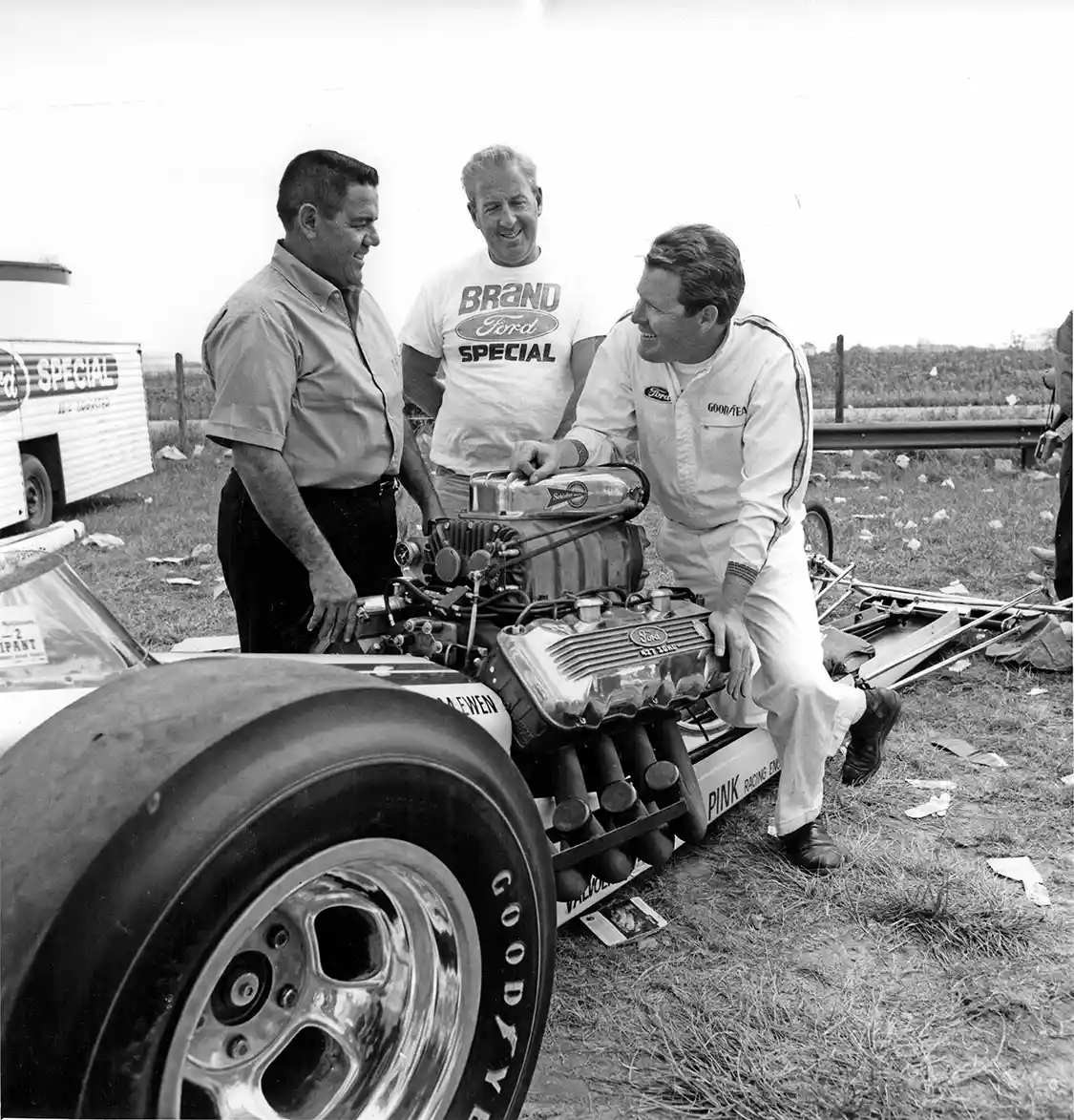
Despite all that was good about the engine, it had a reputation for being hard on parts, and without factory support, racers were left to their own devices. With affordable aluminum versions of early and late Chysler Hemi engines developed by Donovan, Milodon and Keith Black, it was only a matter of time until the Cammer became a footnote in drag racing history.
Fast forward: Modern manufacturing technologies have enabled aftermarket manufacturers to replicate the Cammer’s block, cylinder heads and other engine components. This has allowed the engine to experience a resurgence in nostalgia racing, street rodding and with muscle cars. The SOHC Ford lives on.
Text by Bill Holland
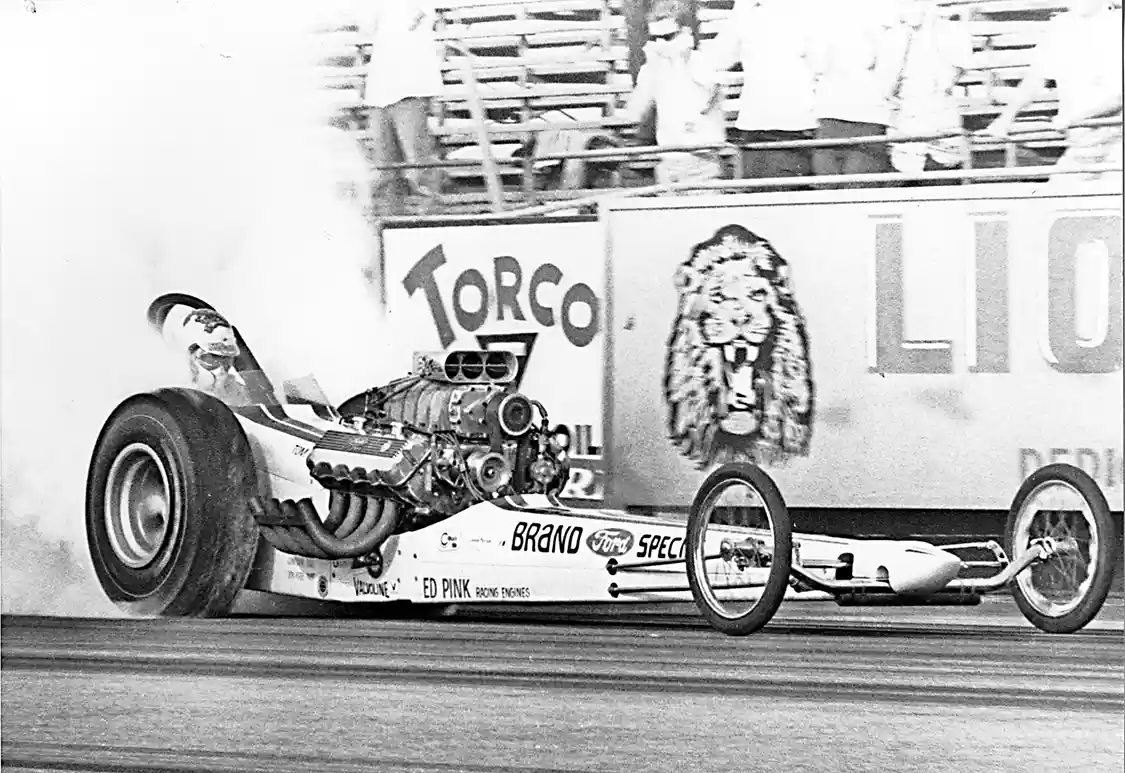
THERE’S PROBABLY nobody better qualified to discuss the technical attributes (and shortcomings) of the Ford Cammer than Hall of Fame engine builder Ed Pink. “The Old Master” was there at the ground floor when the SOHC 427 was introduced, and worked on the likes of Lou Baney’s Tom McEwen-driven Brand Motors Ford digger, Funny Car pioneer Gas Ronda’s Mustangs and Lou Baney’s record-setting Shelby’s Super Snake dragster driven by Don Prudhomme.
In Pink’s own words, “It all started one day in 1964 when Lou Baney and I were having lunch and he said, ‘Ford just came out with an overhead cam 427 engine. How do you think it would work in the dragster?’ At the time, I was doing the engines for Baney’s Yeakel Plymouth Woody car, which Tom McEwen was driving. I told Baney that I really didn’t know too much about the Ford engine, but would like to learn more before giving him an opinion. So Lou and I flew to Detroit and met with some of Ford’s key racing personnel, including Jacques Passineau and Fran Hernandez. I’d known Fran for a long time, going back to when he worked for Edelbrock as shop foreman. He’s also the guy recognized as participating in the first sanctioned drag race back in 1949 and is credited with bringing nitromethane to the sport. Fran was also a very talented engineer.”
Pink went on to say, “Back then the 426 Hemi was a rarity, and we were mainly concerned how it stacked up against the 392 Chrysler, which is what most everyone was running. Being a knowledgeable engine man, Fran knew what we were up against and gave Lou and me solid input. I was intrigued by the Cammer’s cylinder head design and flow possibilities, plus having the extra displacement compared to the 392 could be an asset. I told Lou that the 427 SOHC engine had good potential in a fuel car. So Baney struck a deal with Ford and the Yeakel Plymouth car became the Brand Motors Ford Special, mainly because Lou owned a Ford dealership at the time.
“It took us a while to figure things out, with cam timing being one of the most critical issues. The 6-foot-long chain presented problems with stretch, so we had some special ones made and got everything in phase. We had relatively little breakage with valvetrain components, other than rocker arms, but I can’t say the same about the blocks and crankshafts. Remember that they were essentially side-oiler FE blocks and the main webs were not sturdy enough to withstand the punishment of supercharged nitro racing. It was a good thing that Ford was giving Baney all the blocks and cranks he needed.”
While it was good for power, the Cammer’s elaborate valvetrain was a cause for concern from an on-track maintenance perspective. Ed said, “Our challenge was to develop as much power as possible, but still be able to cross the finish line. We couldn’t lean on the engine too much because having to do any major repairs between rounds was almost impossible. You’d have to have a lineup of engines ready to go. Today, it doesn’t sound so strange, but back then it was unthinkable.”
As the story goes, it was about this time that Pink was collaborating with Don Long on The Old Master fuel car, and Baney was very much impressed with its design and performance. The fact that it was lighter than his Woody car was important. So he ordered a chassis from Long designed for the Cammer and opted to put Prudhomme behind the wheel while McEwen went on to eventually campaign his own Tirend-sponsored car. The combination proved quite formidable, and the team won many races, including the 1967 NHRA Springnationals, and they set the class E.T. mark at 6.92. The year ended with Prudhomme finishing runner-up to Benny “The Wizard” Osborn at the NHRA World Finals in Tulsa.
In 1968, Carroll Shelby entered the picture and Prudhomme’s ride was transformed into Shelby’s Super Snake dragster. A win at the AHRA Winternationals started the year, and many more wins followed.
Forty-plus years later, the car is back in Prudhomme’s hands, and it’s being restored to its original configuration, albeit with a few changes to the engine as a nod to reliability. According to Pink, the car will primarily be cackled and go to select car shows, although burnouts and squirts are a distinct possibility. Don Long is doing the chassis work and Pink is taking care of the engine build. Visit Edpinksgarage.com for more Snake/SOHC info.
Dodge
From Grandfather To Grandson, A Former Service Truck Gets New Life In 1991, Lynn Romberger bought a new W250 Dodge with a Cummins under the… Continue reading
UDBG STAFF . August 31, 2026
Diesel World
New York’s largest truck meet Diesels of New York was back again with their annual 2025 Season Opener Truck Meet hosting 12,000 spectators & 30+… Continue reading
DW STAFF . August 12, 2025

Feature Stories
Icons Meet Icons as Street Trucks Take a Tour In the heart of Fresno, California, lies a powerhouse of innovation in the custom truck industry:… Continue reading
Chris Hamilton . October 17, 2024
Chevrolet
A 500+ Horsepower 2008 Chevy Could the ultimate street-driven hot rod be a diesel truck? Quite possibly, yes! Modern diesel trucks are easy to modify,… Continue reading
Chris Tobin . August 11, 2026

F Series Builders Guide
Lifted Proper with McGaughys When it comes to the world of lifted trucks, there are some out there who do it for looks, some who… Continue reading
Mike Alexander . October 22, 2024
Diesel World
A ‘Factory’ ’06 Ram 2500 that Stands Out and Competes We know what you’re thinking—while it may be a very clean looking 2006 Dodge Ram… Continue reading
Lindsey Fisher . February 28, 2025


Goodguys 33rd Summit Racing Lone Star Nationals
Texas Motor Speedway 3545 Lone Star Circle
The Sparks Show
Sevierville, TN
Dino's Git-Down
State Farm Stadium, Glendale, AZ
Dino's Git-Down
State Farm Stadium
Goodguys 36th Autumn Get-Together
Alameda County Fairgrounds 4501 Pleasanton Avenue, Pleasanton, CA 94566
We use cookies to enhance your browsing experience, serve personalized ads or content, and analyze our traffic. By clicking "Accept All", you consent to our use of cookies. Visit our Cookie Policy for more info.


 Please wait...
Share Link