










 Motortopia Staff
.
May 26, 2026
.
News
Motortopia Staff
.
May 26, 2026
.
News
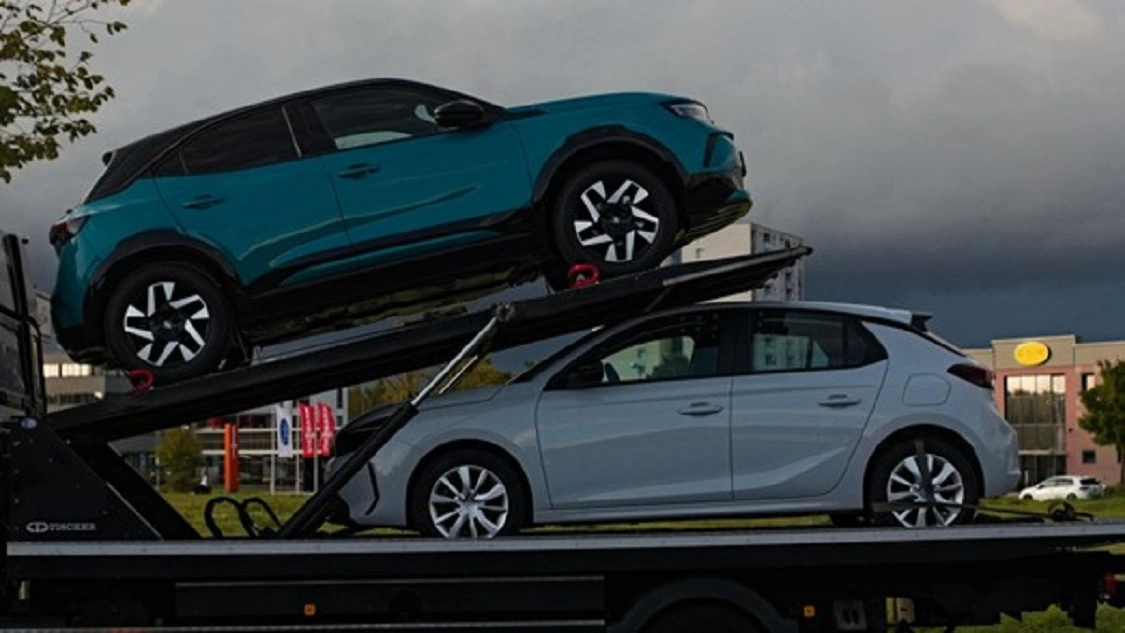
Photo by Nadja Thöner on Unsplash
Project vehicles have always represented far more than transportation alone. For many enthusiasts, they reflect years of restoration work, fabrication, late-night garage sessions, performance upgrades, paint correction, mechanical problem-solving, and personal creativity. Whether someone is restoring a classic square-body truck, building a custom diesel, modifying a lowered street truck, or preparing a muscle car for national shows, moving that vehicle safely across long distances has become an increasingly important part of modern automotive culture.
In previous decades, transporting a vehicle across the country often felt complicated and inaccessible for average enthusiasts. Today, however, nationwide vehicle shipping has become far more integrated into the hobby itself. Enthusiasts now regularly purchase vehicles from other states, attend national automotive events, relocate project cars for specialized work, and move custom builds between garages, shops, and exhibitions across the country.
The internet has transformed how enthusiasts buy and sell vehicles. Instead of searching only within local classifieds, builders now browse auction sites, enthusiast forums, online marketplaces, YouTube channels, and automotive communities where interesting vehicles can appear anywhere in the United States. A builder in Florida may purchase a rust-free truck from Arizona. A collector in Texas might buy a project muscle car from Michigan. A custom truck owner may ship a freshly completed build to a national show several states away rather than risk damage during a long highway drive.
As enthusiast communities become more nationally connected, transport logistics are becoming a much more regular part of automotive ownership. Builders today often spend as much time planning transportation as they do planning modifications, especially when dealing with high-value or highly customized vehicles.
This is where online transport pricing tools have become especially useful. Many owners now research trailer availability, seasonal pricing, route demand, delivery timelines, and carrier options before scheduling a shipment. Services that allow owners to quickly get estimates here can help enthusiasts compare shipping scenarios based on distance, vehicle size, timing, and transport method before committing to a carrier.
For project vehicles, transportation decisions often involve more than simple convenience. Owners may need to think about suspension clearance, oversized wheels, fresh paintwork, delicate body modifications, non-operational vehicle status, or enclosed trailer protection. A lowered truck with custom side skirts requires very different handling compared to a standard daily driver.
As a result, vehicle transport has become more specialized within enthusiast culture itself. Builders are increasingly selective about trailer types, loading procedures, scheduling flexibility, and insurance coverage because many projects represent years of financial investment and personal work.
The growth of major automotive events has also increased demand for nationwide shipping. Large truck shows, custom car gatherings, off-road expos, classic car events, and performance festivals now attract participants from all over the country. Online automotive media has amplified this even further by turning local builds into nationally recognized projects through YouTube features, digital magazines, social media pages, and creator collaborations.
For many enthusiasts, driving thousands of miles to an event simply is not practical. Some vehicles are too heavily modified for comfortable long-distance travel. Others may have aggressive suspension setups, unfinished tuning, expensive paint jobs, or rare components owners prefer to protect during transport.
Shipping allows enthusiasts to participate in events while reducing wear, mileage accumulation, weather exposure, tire damage, and mechanical stress. This has become especially important for show-quality builds where presentation matters significantly.
The broader automotive hobby has also become much more interconnected online. Builders now regularly travel between states for collaborations, fabrication work, dyno tuning, paint specialists, suspension setups, and industry events. Transport companies have adapted alongside this evolution, creating more flexible services tailored to enthusiast vehicles rather than strictly dealership inventory.
Custom vehicles introduce unique transportation challenges compared to factory-stock cars and trucks. Many enthusiast builds include lowered suspension systems, oversized wheels, custom bodywork, wide tires, lift kits, aftermarket aero components, or non-standard ride heights that can complicate trailer loading.
Because of this, many owners carefully research transport companies before booking shipments. Enclosed transport has become increasingly popular for high-end restorations, exotic vehicles, freshly painted builds, and collector cars because it offers additional protection against road debris and weather conditions during long-distance travel.
At the same time, open transport remains widely used throughout enthusiast culture because it provides a more affordable option for many standard builds and project vehicles. The choice often depends on budget, vehicle value, route length, timing, and the overall condition of the project being transported.
Enthusiasts are also paying closer attention to timing itself. Seasonal demand, fuel prices, weather conditions, and route popularity can all affect pricing and availability. Planning ahead has therefore become an important part of managing transportation efficiently.
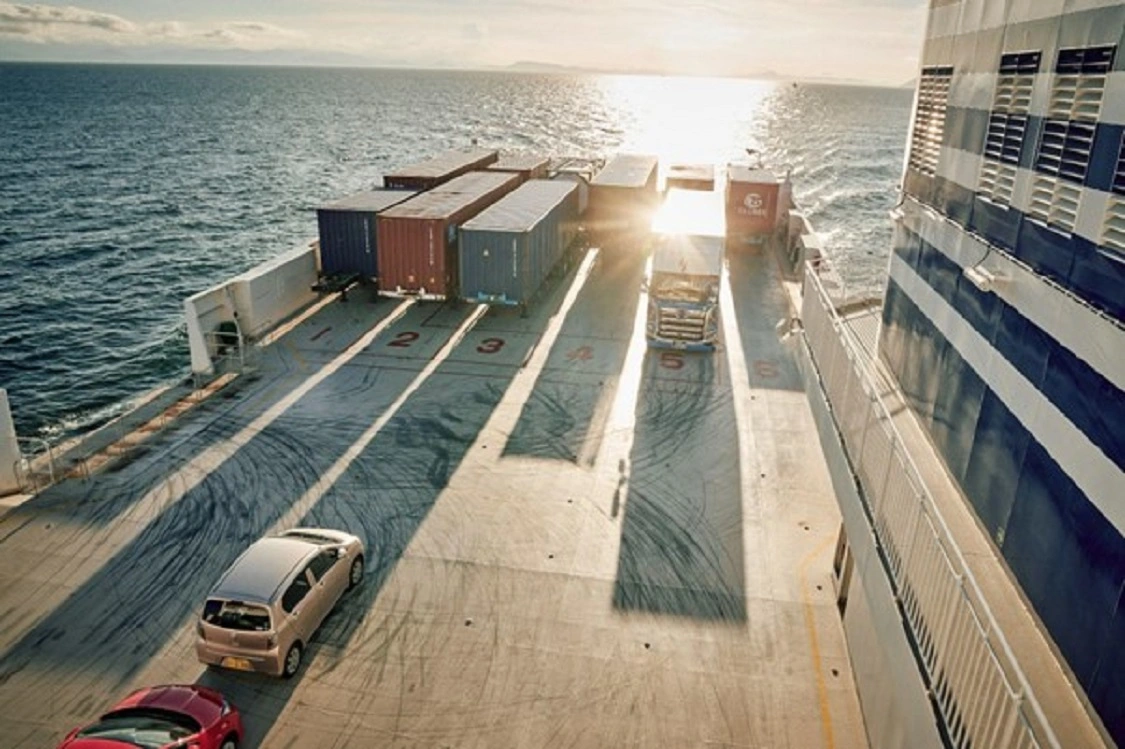
Economic factors are also shaping transportation decisions. Fuel prices, hotel costs, maintenance expenses, tire wear, and the risk of mechanical breakdowns can make cross-country driving significantly more expensive than many owners initially expect.
This is particularly true for older project vehicles, lifted trucks, diesel builds, carbureted muscle cars, or unfinished restorations that may not yet be fully reliable. Shipping can sometimes become the more practical and financially predictable solution, especially for enthusiasts balancing work schedules, event timelines, and restoration budgets simultaneously.
The convenience factor matters as well. Many owners simply prefer avoiding multi-day highway drives that add unnecessary stress to rare or carefully built vehicles.
Another major shift involves transparency. In the past, vehicle shipping often felt unfamiliar and difficult for first-time users to navigate. Today, online quote systems, transport calculators, review platforms, and shipping comparison tools have made the process much easier to research beforehand.
Enthusiasts now spend more time evaluating carrier reputation, insurance protection, transport timelines, and customer reviews before arranging shipments. This increased access to information has helped normalize vehicle transport inside automotive culture itself.
According to Federal Motor Carrier Safety Administration (FMCSA), consumers should verify that interstate vehicle transport carriers are properly licensed and insured before arranging shipments. As nationwide transport demand continues growing, understanding carrier registration and safety standards has become increasingly important for vehicle owners moving valuable enthusiast vehicles across state lines.
Modern car culture has become far more national than local. Enthusiasts now build relationships, purchase vehicles, collaborate on projects, and participate in events across multiple states through digital communities that connect builders instantly regardless of location.
As a result, vehicle transportation is no longer viewed as a niche service reserved only for dealerships or wealthy collectors. For many builders, it has become a normal part of owning and protecting custom vehicles in an enthusiast community that continues expanding far beyond regional boundaries. The modern automotive world moves constantly, and project vehicles increasingly move with it.
News
Image Source A cracked or chipped windshield should never be ignored. Once the glass is weakened, it cannot fully support the vehicle’s safety systems during… Continue reading
Motortopia Staff . November 06, 2025
News
Sedans Lost the Status War. SUVs Won It. Here’s Why Image Source: https://unsplash.com/photos/man-in-suit-walks-past-black-suvs-in-parking-lot-KDA9cnw8jZw Back at the end of the last century, status cars in the… Continue reading
Motortopia Staff . May 04, 2026

News
Picture Source- Bazoom AI Rideshare services have changed urban transportation, offering convenient travel options. However, as their popularity grows, so do concerns about safety and… Continue reading
Motortopia Staff . November 05, 2025
Events
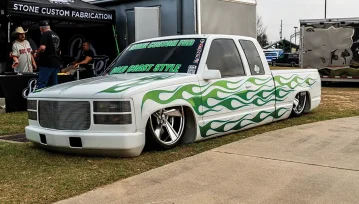
AS SEEN IN OUR OBS BUILDERS GUIDE FALL 2026 ISSUE – Buy Now! OG Trendsetters of Texas Shows There are good truck shows, there are… Continue reading
Joe Acevedo Jr. . August 28, 2026
News
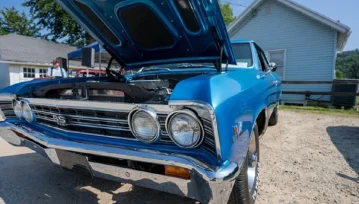
Let’s be honest. For many of us, a car is more than just transportation. It’s a hobby. It’s a project waiting to happen. The dream… Continue reading
Motortopia Staff . January 29, 2026

News
Rain sensors don’t just automate your windshield wipers, but they’re also a critical safety feature that ensures clear visibility in unpredictable weather conditions. Unlike standard… Continue reading
Motortopia Staff . June 25, 2025


Super Run 2026 Classic Car Show
Super Run 2026 Classic Car Show Casablanca Resort 950 West Mesquite Blvd Mesquite, NV 89027
Concours D'Elegance
Cobble Beach Resort 221 McLeese Dr, Kemble, ON N0H 1S0
Charity Car Show
Mesa Marketplace 10550 E. Baseline Rd, Mesa , Az 85209
CHICO CONCOURS Car Show
Silver Dollar Fairgrounds 2357 Fair Street, Chico, CA 95928
Goodguys 33rd Summit Racing Lone Star Nationals
Texas Motor Speedway 3545 Lone Star Circle
We use cookies to enhance your browsing experience, serve personalized ads or content, and analyze our traffic. By clicking "Accept All", you consent to our use of cookies. Visit our Cookie Policy for more info.


 Please wait...
Share Link