










 Motortopia Staff
.
March 07, 2025
.
Press Release
Motortopia Staff
.
March 07, 2025
.
Press Release
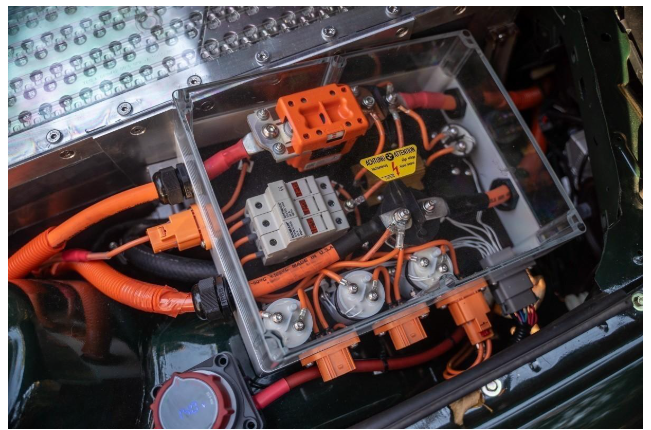
Ever hear the term “Loss of Isolation” and wonder what it means?
When high-voltage components lose their proper insulation, even the savviest EV owners can face serious electrical hazards. In this breakdown, we’ll clarify what LOI is, why it happens, how to detect it, and the safety measures that keep you (and everyone else) protected.

In a functioning electric vehicle, the high-voltage system is electrically isolated from the chassis and low-voltage components. Loss of Isolation (LOI) basically means there’s a breakdown in this separation. Think of it like a cut in the protective layer: if current can flow where it shouldn’t, that’s a potential shock or fire risk. Modern EV safety standards revolve around preserving electrical isolation. Even minor breaches can escalate if not caught early.
According to Federal Motor Vehicle Safety Standard (FMVSS) 305, the high-voltage system must maintain a minimum isolation resistance of 500 ohms per volt (500 Ω/V) between the HV system and the vehicle chassis. For a 300V setup, that translates to at least 150k ohms of resistance. If it dips below that threshold, you’d theoretically trigger a “loss of isolation” fault code. In practice, OEMs often set the detection point much higher to ensure chassis current never reaches a dangerous level.
Common Causes of LOI

EV Electrical Isolation Testing: How You Catch LOI
Detecting LOI means measuring the resistance between high-voltage components and the rest of the vehicle. Some common tests include:
If you’re converting a classic car to electric, add these tests to your final inspection list. Even brand-new installs can have hidden insulation gaps.
Preventing LOI: EV Safety Standards

Watch & Learn with Professor John Kelly at WEBER STATE UNIVERSITY “Watch as I create high voltage short circuits to the vehicle chassis and cause “Loss of Isolation” trouble codes to set. Learn how the vehicle detects these short circuits and how you can diagnose their source with a Megohmmeter.
The Bottom Line
Loss of Isolation (LOI) in EVs is a hidden issue that can blindside even the most careful owner or builder. By understanding the causes, knowing how to run EV electrical isolation testing, and sticking to solid safety protocols, you’ll keep your ride worry-free. Remember—prevention is always cheaper (and safer).
https://www.fuel2electric.com/

Press Release
Camarillo, CA • June 2025 Wilwood is proud to announce their popular EPB (Electric Parking Brake) kit has been engineered to retrofit rear Forged Dynalite… Continue reading
Motortopia Staff . June 10, 2025
Press Release
Corona, California – September 18, 2025 – TMI Products, the leader in custom automotive interiors, has announced the fifth and overall winners of the 2025… Continue reading
Motortopia Staff . September 26, 2025
News
K&N Engineering has expanded its Performance Diesel lineup with new NextGen Air Intake Systems and Dryflow replacement air filters for late-model Ford, GM, and Ram… Continue reading
Motortopia Staff . March 18, 2026

Press Release
The Mayhem Vanquish 8119 wheel delivers bold style and rugged performance for trucks and SUVs. Featuring a distinctive split 6 Y-spoke design, it comes in… Continue reading
Motortopia Staff . May 13, 2025
Press Release
CPP has taken fuel tank technology to the next level with the all-new Pro-Touring Fuel Tank for 1962 through 1967 Chevy Novas. Specifically designed for… Continue reading
Motortopia Staff . March 11, 2025

Press Release
DRIVE A TANK PROVIDES EXTREME ADVENTURES FOR THOSE WHO’VE DONE IT ALL The Only Venue in America Where You Can Drive Authentic Military Tanks And… Continue reading
Motortopia Staff . May 31, 2024



Super Run 2026 Classic Car Show
Super Run 2026 Classic Car Show Casablanca Resort 950 West Mesquite Blvd Mesquite, NV 89027
Concours D'Elegance
Cobble Beach Resort 221 McLeese Dr, Kemble, ON N0H 1S0
Charity Car Show
Mesa Marketplace 10550 E. Baseline Rd, Mesa , Az 85209
CHICO CONCOURS Car Show
Silver Dollar Fairgrounds 2357 Fair Street, Chico, CA 95928
Goodguys 33rd Summit Racing Lone Star Nationals
Texas Motor Speedway 3545 Lone Star Circle
We use cookies to enhance your browsing experience, serve personalized ads or content, and analyze our traffic. By clicking "Accept All", you consent to our use of cookies. Visit our Cookie Policy for more info.



 Please wait...
Share Link