










 Motortopia Staff
.
May 14, 2026
.
News
Motortopia Staff
.
May 14, 2026
.
News
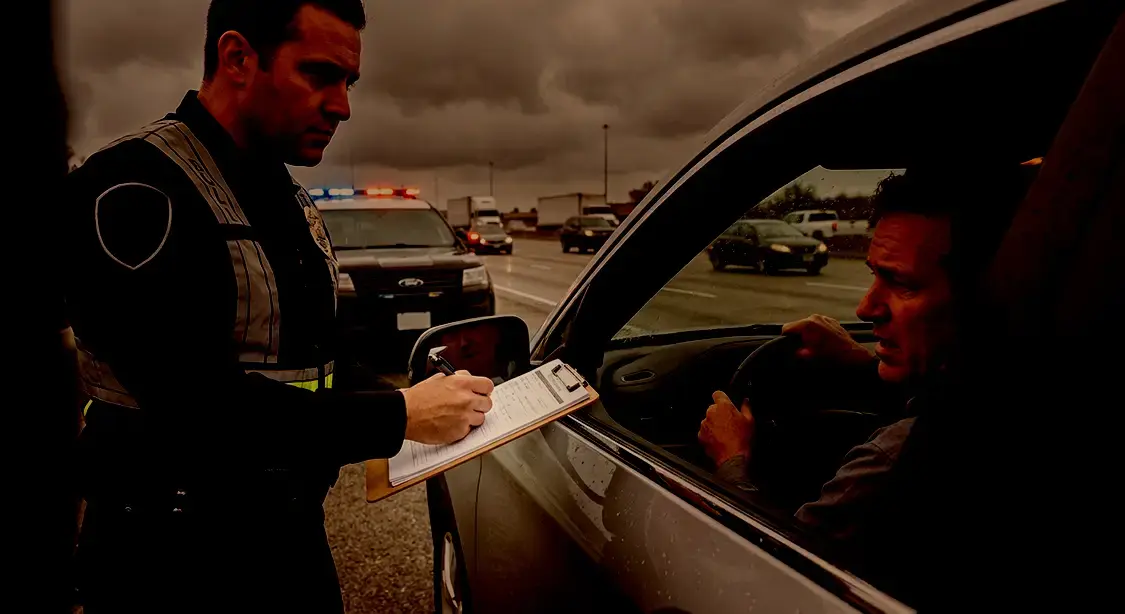
In the U.S., approximately one in six drivers receives a speeding ticket each year. That’s around 41 million individuals. According to a 2025 driving habits report, 88% of drivers admit to intentional speeding, and 55% admit to speeding in general.
There are legal and financial challenges that follow after receiving a speeding ticket in the US. They depend on two factors, including the seriousness of the violation and the driver’s record.
What happens after you receive a speeding ticket? Find out to help protect your driving record and minimize long-term costs.
Getting a speeding ticket creates an unexpected disruption to your entire day. Your body will experience both adrenaline and frustration during the process of pulling over. The initial results of the situation create overwhelming challenges. You will need to pay a fine that will create financial difficulties for you.
Your financial obligations will increase when your insurance rates go up. Your driving record will receive additional points, which can lead to license suspension after you reach the maximum limit.
Speeding by itself is generally not a serious enough traffic violation to constitute a charge of reckless driving; however, if you were speeding at an unusually high rate of speed, it could land you a reckless driving charge, according to https://www.ericgjohnsonlaw.com/.
Your appearance in court will create interruptions to your scheduled activities. The ticket you received will damage your driving reputation, which will make others perceive you as a less responsible driver.
The penalties that drivers face for exceeding speed limits will differ based on multiple factors that determine their exact amount. Your location plays a significant role; different states and municipalities have different base fines. Your costs depend on your actual speed because higher speeds result in higher penalties. Some areas impose extra fees for specific situations, like construction zones or school zones.
Absolute speed limits are clearly defined for the entire state under North Carolina speeding laws and penalties. You can get a traffic ticket if you go over the speed limit.
The court system applies stronger penalties against defendants who have already received previous tickets. The court system provides defendants with traffic school as a means to lower their fines.
You must examine the ticket together with local regulations to determine your total financial obligations. The financial impacts caused by speeding tickets will become clearer to you after you learn about these specific components.
Your driving records and insurance rates will incur permanent damage once caught driving recklessly.
Most states assign points to your record based on the severity of the offense. Your driving privileges will get restricted through license suspension, which results from accumulating excess points.
Insurers view a single speeding ticket as proof of risky behavior. As such, this will lead to higher insurance premiums. Accumulating more points on your record will significantly increase your insurance rates.
The points from a speeding ticket will remain on your record for years. This means their effect persists for an extended period. Once you understand the outcomes of these situations, you can determine the next course of action.
Insurance companies react negatively to speeding tickets. Your insurance premiums will increase after the discovery of your violation because the insurer now considers you a greater risk. The increase depends on your driving record and the extent of your driving violation.
Some insurers might even label you as a “high-risk driver,” leading to further premium hikes or difficulty in finding coverage. The rates of your insurance will be affected by a single ticket, which will remain in effect for multiple years.
It’s important to keep a clean driving record if you want to stop your premiums from increasing. You may consider completing safe driving training programs, in this case. This will reduce insurance costs while keeping your driving record clean.
If you want to contest your speeding ticket, there are multiple choices presented to you. The first option involves entering a “not guilty” plea to request a court hearing. Radar speed calibration records can be used as evidence. Witness statements can also be proof.
You might also consider negotiating with the prosecutor for a plea deal. This could reduce the charge or fines.
For the second option, you may complete traffic school. This will help you achieve ticket dismissal and prevent points from being added to your driving record.
Some jurisdictions permit ticket contests through online platforms and mail services. This provides a time-saving advantage. You might have to think about this option carefully, as contesting requires work. Still, it may prove beneficial if you believe you received an unfair ticket.
Paying your speeding ticket involves three main steps that create a simple payment procedure. First, check the ticket for payment options; it usually lists how and where to pay. The majority of jurisdictions permit online payment methods and mail services and designated location payments.
For online payment to be completed, the citation number must be entered on the court’s website. You have to be mindful of the fact that payment must be completed by the deadline, as late payments incur an additional fee. If you want to mail your payment, you should send a check or money order together with your ticket copy.
You need to maintain a record of your payment confirmation or receipt because you will need this documentation for any future problems that may occur. The rules of each location require verification because they differ from one another.
There are several consequences to receiving a speeding ticket. For one, you can serve jail time, be on probation, pay fines, or have your driver’s license revoked. Your car may also be impounded. For some, you may even serve excessive community service.
You can challenge an unfair ticket through different methods. In such cases, you must learn to handle the situation that benefits you. Keep a clean record by maintaining safe driving practices.

News
Sooner or later, most gearheads end up needing a transport truck. You find the right F-250 three states away. A job moves you coast to… Continue reading
Motortopia Staff . July 22, 2026

News
Electric bikes have greatly facilitated daily travel, making it easier and more cost-effective. However, similar to any other vehicle, they require proper care. The battery,… Continue reading
Motortopia Staff . April 16, 2026
News
K&N Engineering has expanded its Performance Diesel lineup with new NextGen Air Intake Systems and Dryflow replacement air filters for late-model Ford, GM, and Ram… Continue reading
Motortopia Staff . March 18, 2026

Industry Updates
The used truck market has moved far beyond guesswork. Fleet operators look for reliable, inspected vehicles that can perform for years, without the high costs… Continue reading
Motortopia Staff . November 28, 2025

News
In recent years, we’ve seen a big rise in big vehicles. Ask anybody over 30 to tell you how automobiles have changed in their lifetime,… Continue reading
Motortopia Staff . July 25, 2025

News
Photo source: Unsplash.com Beyond the Road: How Dubai’s Yacht Charter Offers the Ultimate Adventure There’s a certain feeling when you grip the wheel, engine humming,… Continue reading
Motortopia Staff . June 20, 2025


The Sparks Show
Sevierville, TN
Dino's Git-Down
State Farm Stadium, Glendale, AZ
Dino's Git-Down
State Farm Stadium
Goodguys 36th Autumn Get-Together
Alameda County Fairgrounds 4501 Pleasanton Avenue, Pleasanton, CA 94566
Goodguys 29th Speedway Motors Southwest Nationals
WestWorld of Scottsdale 16601 North Pima Road, Scottsdale, AZ 85260
We use cookies to enhance your browsing experience, serve personalized ads or content, and analyze our traffic. By clicking "Accept All", you consent to our use of cookies. Visit our Cookie Policy for more info.



 Please wait...
Share Link